
Compare ABS, acrylic, Delrin, nylon, PP, HDPE, PC, PEI, ULTEM, PEEK, POM, and other engineering plastics for CNC machined parts.
High-precision machining for engineering plastics—optimized for lightweight, corrosion resistance, and specialized performance requirements across industries.
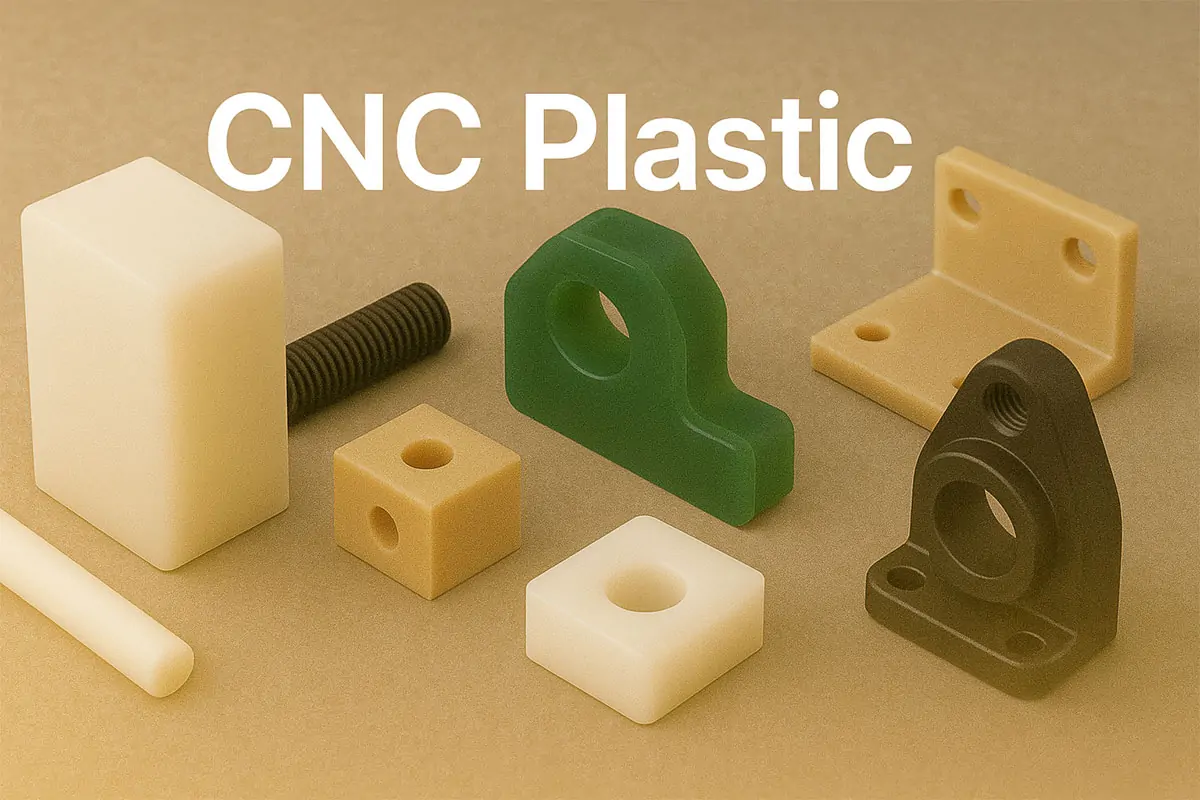
Comprehensive selection of high-performance plastics for diverse applications
High-temperature resistant plastics for aerospace, medical, and semiconductor applications. Excellent chemical resistance and mechanical strength at elevated temperatures.
Excellent impact resistance and toughness for prototypes and functional parts.
Optical clarity and aesthetic appeal for displays, lenses, and signage.
Low friction and high stiffness for gears, bearings, and sliding parts.
Excellent wear resistance and durability for mechanical components.
Engineering plastics offer unique benefits for precision applications
Plastics are significantly lighter than metals, reducing weight in aerospace, automotive, and consumer products.
Most plastics resist chemicals, moisture, and environmental factors that corrode metals.
Excellent dielectric properties make plastics ideal for electrical and electronic components.
Choose the right material for your specific requirements
Our material experts will help you choose the optimal plastic based on chemical exposure, temperature range, and mechanical requirements.
Material Category Guide
Engineering plastics are selected for weight reduction, insulation, chemical resistance, low friction, clarity, and temperature performance. Use this page to compare material choices before deciding the final CNC milling, turning, surface finishing, and inspection route.
| Selection Factor | What to Confirm Before Quoting |
|---|---|
| Part function | Load, sliding contact, sealing, electrical insulation, heat exposure, cosmetic needs, and expected life. |
| Machining process | 3-axis, 4-axis, 5-axis milling, turning, Swiss-type machining, drilling, tapping, boring, or reaming. |
| Dimensional control | Critical tolerances, datum structure, wall thickness, flatness, true position, and inspection access. |
| Finishing | Anodizing, plating, passivation, polishing, coating, deburring, or other treatments that may affect final size. |
Material FAQ
Start with the part function, load, temperature, corrosion or chemical exposure, tolerance, surface finish, and target cost. Then compare the material's machinability and inspection risk.
Yes. Harder, tougher, abrasive, or heat-sensitive materials often require slower cutting, more careful fixturing, special tooling, and additional inspection.
Yes. Send the application, drawings, material preference, quantity, and finish requirements. We can suggest practical options before quoting.
Yes. Anodizing, plating, polishing, passivation, coating, and deburring can affect dimensions, cosmetics, and inspection acceptance.
