
Precision Machining for TECAFORM Components
Custom Solutions for High-Performance TECAFORM Parts
| Standards | Detail |
|---|---|
| Max Part Size (X/Y/Z) | 2300 × 1500 × 600 mm |
| Minimum Feature Size | ⌀1 mm |
| Wall Thickness | 0.25 mm |
| Tolerance | ±0.01 |
| Surface Finish (as milled) | Ra 0.5–3.2 µm |
| Standard Lead Time | 3 working-days for rapid prototyping |
| Pricing Level | To be confirmed after design review |
| Type of Machine | Gantry CNC / 3-4-5-Axis CNC / Mill-Turn Compound CNC / Swiss-Type CNC / Turning Machine...etc... |
| Common Grades | AH (Natural), AH FG (Food Grade), AH Blue (Visual Detect), AH ID (Metal Detectable), AH ELS (ESD / Static Dissipative) |
Choose strength, wear, hygiene/detection, and ESD performance to fit your spec.
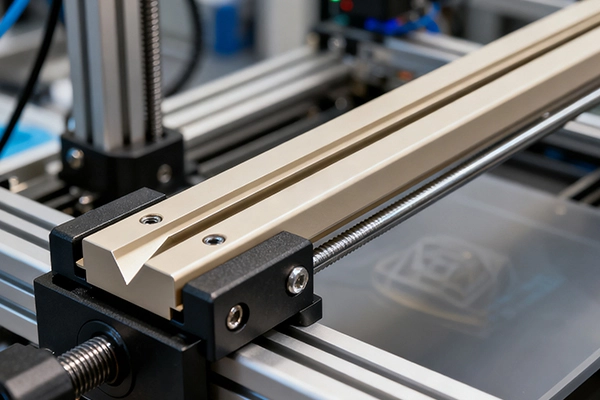
Use sharp O-flute/carbide and steady feed; add a light finish pass on cosmetic features.

Confirm documentation/spec (region-specific); keep edges crisp without over-deburr.
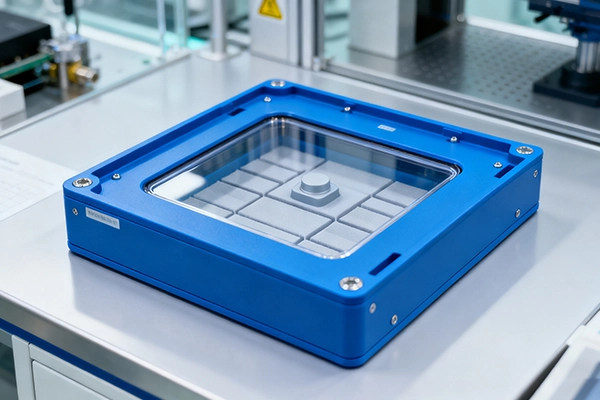
Machine like standard AH; maintain uniform surface texture for optical systems.

Tune feeds for crisp edges; verify detectability settings on your line.
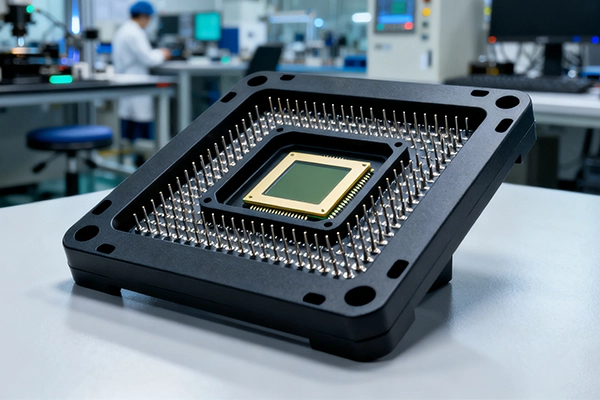
Adjust chip load for sharp edges; confirm resistivity targets and cleaning/handling specs.
Material Machining Guide
TECAFORMAH is commonly considered for precision acetal components, mechanical plastic parts, and stable machined features. It is selected because of stable acetal performance and clean machining. For CNC machining, the final result depends on material grade, toolpath strategy, tolerance allocation, surface finish, and inspection planning.
Use TECAFORMAH when the application benefits from stable acetal performance and clean machining and the design can be machined with stable workholding.
Confirm wall thickness, hole depth, thread callouts, burr control, cosmetic surfaces, and finish buildup before production.
Define critical dimensions, inspection method, tolerance class, and documentation requirements before the first article.
| Topic | Practical Guidance for TECAFORMAH |
|---|---|
| Design review | Send 3D CAD, 2D drawings, material grade, finish notes, quantity, and critical-to-function dimensions. |
| Machining process | MTSPi can review whether milling, turning, drilling, tapping, boring, or a combined route is best for the geometry. |
| Surface finish | Plan cosmetic and functional finishing early, especially where coating thickness, polishing, or deburring affects fit. |
| Inspection | Use calipers, micrometers, gauges, CMM, or visual inspection based on tolerance risk and assembly function. |
Related Material Choices
FAQ
Yes, TECAFORMAH can be CNC machined when the grade, geometry, tooling, workholding, and tolerance requirements are planned correctly.
Send CAD files, 2D drawings, quantity, material grade, finish requirements, tolerance notes, and any inspection or packaging needs.
Often yes. The right finish depends on the material family and part function. Confirm finish thickness and cosmetic expectations before machining.
Use practical tolerances, avoid unnecessary deep pockets or tiny holes, simplify setups, and reserve tight control for functional features.
