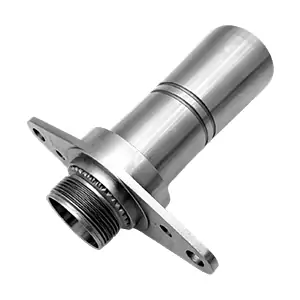
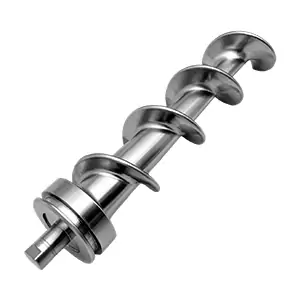
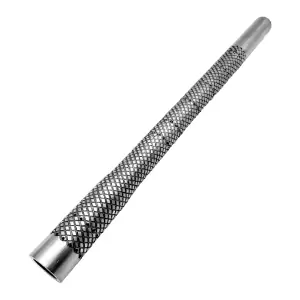
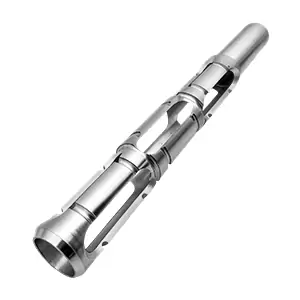
4-Axis CNC Machining Services

4-Axis CNC Machining Services with rotary positioning for multi-face parts. Faster cycles,
improved accuracy, and versatile materials for prototypes and production.

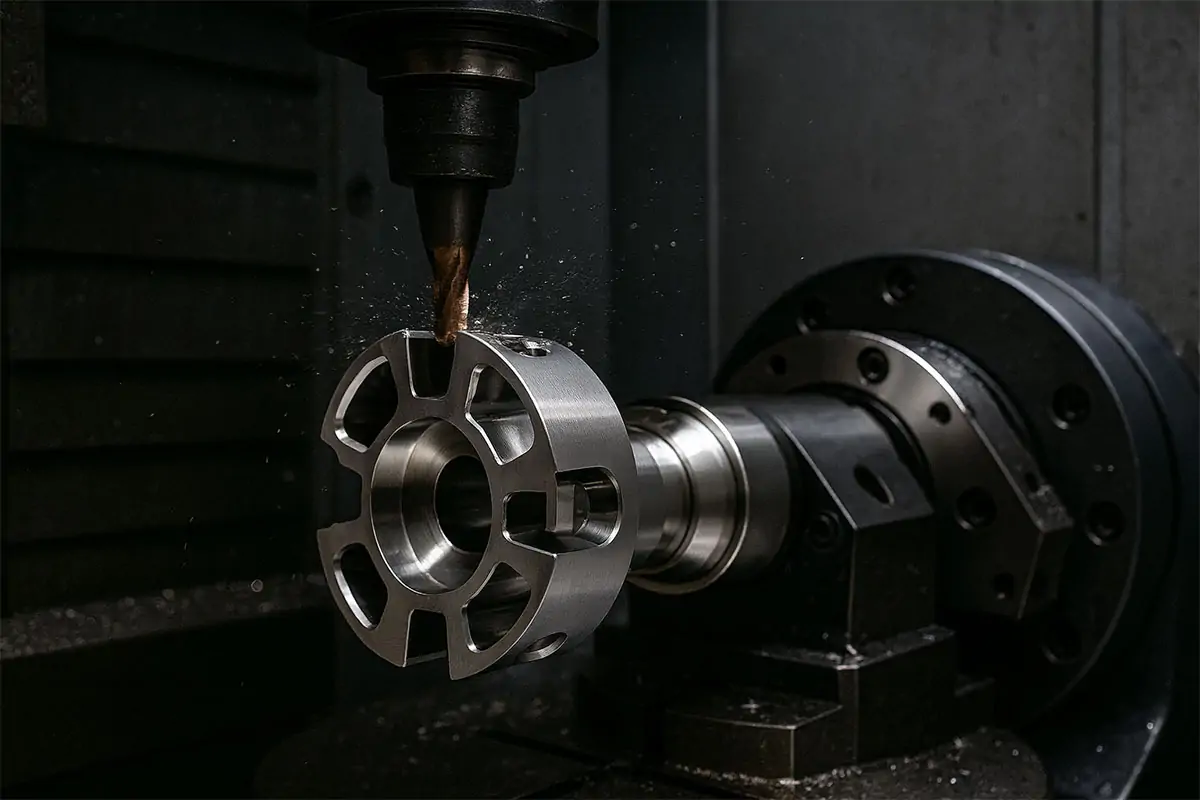
4th axis CNC machining: A-axis rotary milling for features around the circumference

What is 4th axis machining?

4th axis machining adds A-axis rotation to the standard X, Y, Z moves. In indexed 4-axis work, the A-axis rotates to a programmed angle while the tool is not cutting; a brake engages, then machining resumes. In continuous 4-axis, the tool cuts while the A-axis rotates simultaneously—ideal for helical, radial, or wrapped features.

  • Access around the part: Machine multiple sides and circumferential features without manual re-clamping.
  • Fewer setups, higher accuracy: Reduced fixture changes lower stack-up error and improve concentricity.
  • Efficiency & surface quality: Continuous A-axis motion enables faster cycles and smooth finishes on complex contours.
Typical applications: keyways, flats, radial hole patterns, spiral/helical grooves, engraved/wrapped text, and multi-face features on prismatic parts, shafts, and housings.

Advantages of 4-Axis CNC Machining

Cost Efficiency

One-setup A-axis indexing cuts re-clamps and part cost.

Short Lead Times

Multi-side machining in one setup speeds delivery.

Stable Accuracy

Single-setup features reduce stack-up; rigid workholding holds tolerances.

Material Flexibility

Aluminum, steels, stainless, copper alloys, engineering plastics.

Scalable Production

Repeatable A-axis indexing suits batch runs, Kanban, VMI.

Consistent Finish

Ra 1.6–3.2 μm; rotary paths keep texture uniform.

4-Axis CNC with MEITESI

We standardize rotary tables, A-axis CAM posts and workholding across machines for repeatable multi-side results.
In-process probing, SPC checks and documented one-setup methods keep cross-face position and finish on target—shift after shift.

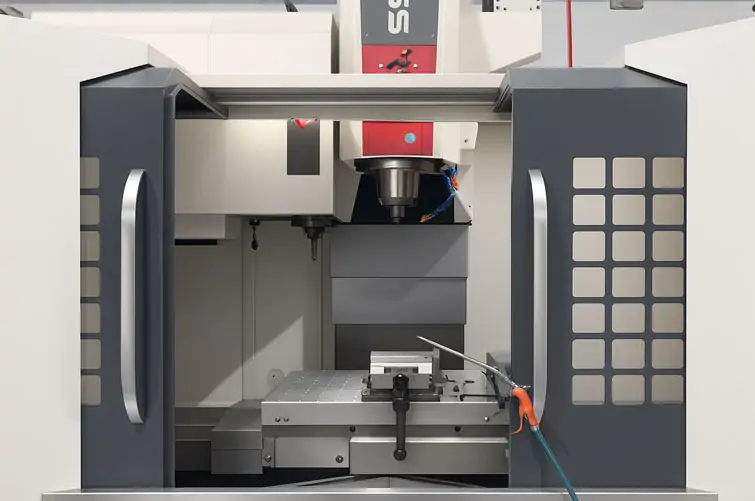
CNC 4-axis machining center for precision metal parts manufacturing

Maximum Part Size for 4‑Axis Machining

4-Axis Machining – Capacity & Typical Quality
Size Metric units Imperial units
Max. part size (XYZ travel + rotary) 1200 × 700 × 550 mm 47.2 × 27.6 × 21.7 in
Rotary diameter capacity Ø 350 mm Ø 13.8 in
Typical tolerance (milled) ±0.005 mm ±0.0002 in
Hole tolerance (reamed) ±0.005 mm ±0.0002 in
Surface finish (as-milled) Ra 0.8–3.2 μm Ra 32–126 µin
Surface finish (polished) Ra ≤0.2 μm Ra ≤8 µin

*Adjust values to your actual machine envelope and QA capability.

Industries & Typical Applications for 4-Axis CNC Machining

Aerospace (4-Axis)
4-axis CNC for aerospace housings and tube ports
Precision Parts (4-Axis)
4-axis CNC precision prismatic and side-feature parts
Automotive Core Molds (4-Axis)
4-axis-automotive-core-molds
New Energy (4-Axis)
4-axis-new-energy
Automation (4-Axis)
4-axis CNC for automation brackets and manifolds

Materials for 4‑Axis CNC Machining

Any material considered suitable for 4-axis CNC machining must meet high standards of reliability and performance. The following are some commonly used materials for CNC machining:

Surface Finishes for 4 Axis CNC Machining

Meitesi provides surface finishes for 4-axis parts, enhancing appearance, smoothness, durability, and hiding tool marks for high-quality results.

Black Oxide Coating
Black Oxide Coating creates a smooth black surface that enhances appearance and provides mild corrosion resistance, widely used on steel parts for improved durability and a professional finish.
Color Anodized
Color Anodized treatment forms a durable oxide layer with vibrant colors, enhancing both corrosion resistance and decorative appeal for aluminum parts.
E-Coating
E-Coating provides a uniform, durable, and corrosion-resistant finish through an electro-deposition process, ideal for complex metal parts and automotive components.
Gold Plating
Gold Plating offers excellent conductivity, corrosion resistance, and a luxurious appearance, making it ideal for electronic components and decorative finishes.
Nitriding
Nitriding hardens the surface by diffusing nitrogen into the metal, enhancing wear resistance, fatigue strength, and corrosion protection without altering core properties.
Powder Coating
Powder Coating creates a tough, uniform, and decorative finish that resists scratches, corrosion, and fading, commonly used for metal parts and outdoor applications.
Sand Blasting
Sand Blasting cleans and textures the surface using high-speed abrasive particles, improving coating adhesion and giving parts a smooth, matte appearance.
Silver Plating
Silver Plating enhances electrical conductivity, corrosion resistance, and appearance, making it ideal for electrical connectors, contacts, and decorative metal parts.

4-Axis CNC Machining Service for Rotary Milled Features

4-axis CNC machining adds rotary movement to standard milling, making it useful for parts that need features around multiple sides, indexed hole patterns, curved surfaces, or better access without repeated manual setups. It can improve accuracy when side features must relate to the same datum.

MTSPi CNC uses 4-axis milling when rotation helps reduce setup changes, improve feature alignment, or machine cylindrical and multi-sided geometry more efficiently than standard 3-axis work. Buyers should share drawings that clarify angular positions, datum references, thread directions, and any surfaces that must remain cosmetic.

Best-fit parts

  • Cylindrical bodies, collars, shafts with flats, multi-side brackets, valve bodies, and indexed fixtures
  • Radial holes, slots, side pockets, keyways, grooves, and rotary-positioned features
  • Parts where feature alignment around an axis matters

DFM review points

  • Rotary datum selection and angular tolerance
  • Tool clearance around side features and undercuts
  • Clamping surfaces, witness marks, and fixture access

Quality controls

  • Angular position checks and datum-based inspection
  • Thread gauge, pin gauge, bore gauge, micrometer, and CMM support
  • First article inspection for multi-side feature relationships

When 4-Axis CNC Machining Adds Value

Buyer needWhy it mattersTypical parts
Indexed side featuresRotates the part to machine several sides with better positional consistencyValve bodies, blocks, connectors, and fixtures
Cylindrical or semi-round partsSupports holes, slots, flats, and pockets around a center axisCollars, sleeves, shafts with milled features, and manifolds
Reduced manual setupsCan reduce reclamping and datum stack-up riskParts where side-to-side alignment affects assembly
Better tool accessRepositions the feature instead of forcing long toolsDeep side pockets, radial holes, and curved surface machining

Engineering and Sourcing Notes

For accurate quoting, send 3D CAD data, 2D drawings, material grade, quantity, tolerance notes, finish requirements, and any assembly or inspection concerns. MTSPi CNC can review manufacturability before machining so the process matches the part function, not only the page name.

Related CNC Milling Resources

These related pages help buyers compare machining routes, material choices, cost drivers, and inspection requirements.

FAQ

What is 4-axis CNC machining used for? It is used for milled parts that need indexed side features, radial holes, curved surfaces, or better alignment around a rotary axis.

Is 4-axis machining always better than 3-axis? No. 3-axis machining is often more economical for simple flat parts. 4-axis machining is useful when rotation reduces setups, improves alignment, or enables geometry that is hard to reach otherwise.

What drawing details matter for 4-axis machining? Angular position, datum references, side feature orientation, thread direction, critical bores, and cosmetic surfaces should be clearly marked.


4-Axis CNC Machining Parts Gallery

Request A Quote

We'll Send You Back with Price Immediately!

DEC 1-31

XMAS SPECEIL

Up to

40% off

4-Axis Machining

We'll Send You Back with Price Immediately!