
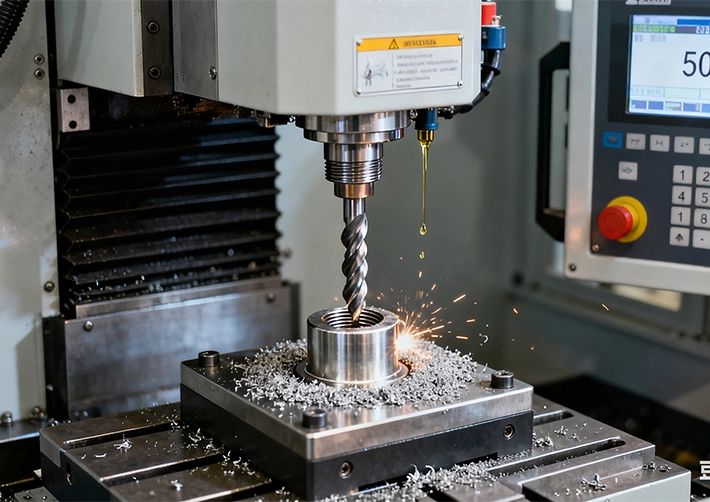
3, 4, 5-Axis CNC Milling
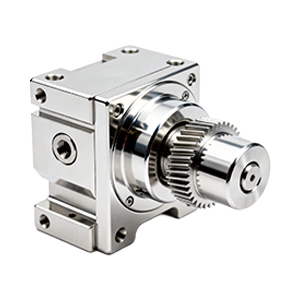
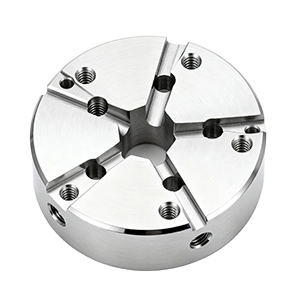
Multi-axis milling for stainless steels (304/316/17-4/410). Rigid setups, coolant-through tooling and balanced parameters deliver tight tolerances, clean edges, and stable dimensions even on thin walls or complex geometry.

High-Precision Machining for Durable Stainless Steel Parts
Custom Prototypes & Production with 3-Axis, 4-Axis, and 5-Axis CNC
| Feature | Detail |
|---|---|
| Max Part Size (X/Y/Z) | 2300 × 1500 × 600 mm |
| Minimum Feature Size | ⌀1 mm |
| Wall Thickness | 0.25 mm |
| Tolerance | ±0.005 mm |
| Surface Finish (as milled) | Ra 0.4–3.2 µm |
| Standard Lead Time | 3 working-days for rapid prototyping |
| Pricing Level | To be confirmed after design review |
| Type of Machine | Gantry CNC / 3-4-5-Axis CNC / Mill-Turn Compound CNC / Swiss-Type CNC / Turning Machine...etc... |
| Stainless Grades | 304 / 304L, 316 / 316L, 17-4 PH, 410 / 416 |
Multi-axis milling for stainless steels (304/316/17-4/410). Rigid setups, coolant-through tooling and balanced parameters deliver tight tolerances, clean edges, and stable dimensions even on thin walls or complex geometry.
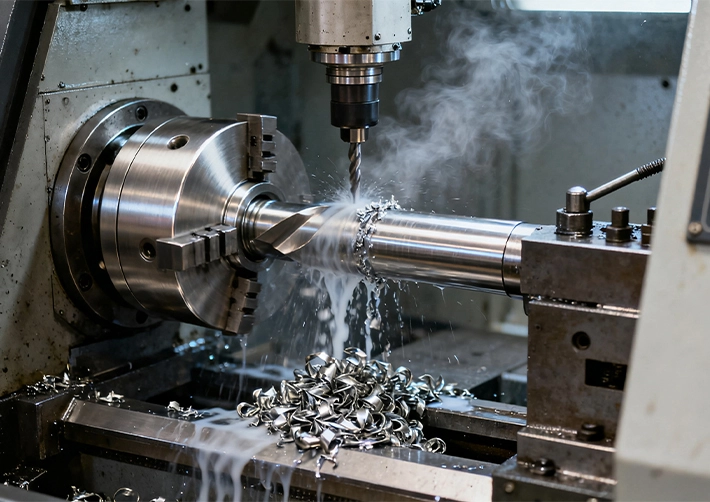
From small bushings to long shafts, we turn stainless with steady chip flow and smooth finishes. Mill-turn consolidation cuts setups and lead time while improving concentricity and overall quality.
| Feature | Detail |
|---|---|
| Max Part Size (X/Y/Z) | 2300 × 1500 × 600 mm |
| Minimum Feature Size | ⌀1 mm |
| Wall Thickness | 0.25 mm |
| Tolerance | ±0.005 mm |
| Surface Finish (as milled) | Ra 0.4–3.2 µm |
| Standard Lead Time | 3 working-days for rapid prototyping |
| Pricing Level | To be confirmed after design review |
| Type of Machine | Gantry CNC / 3-4-5-Axis CNC / Mill-Turn Compound CNC / Swiss-Type CNC / Turning Machine...etc... |
| Stainless Grades | 304 / 304L, 316 / 316L, 17-4 PH, 410 / 416 |
We stock popular grades for prototypes and production. Need a special spec? Contact us.
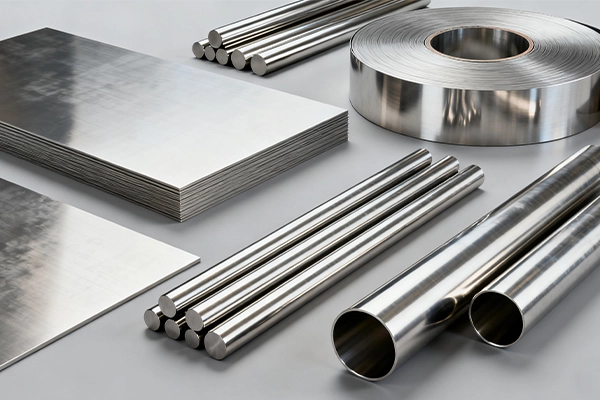
Use sharp carbide, adequate coolant, and avoid rubbing to maintain a clean finish.
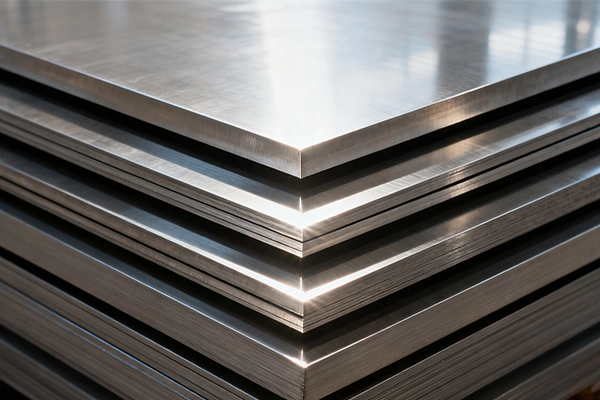
Apply high-pressure coolant and conservative SFM for consistent surface quality.
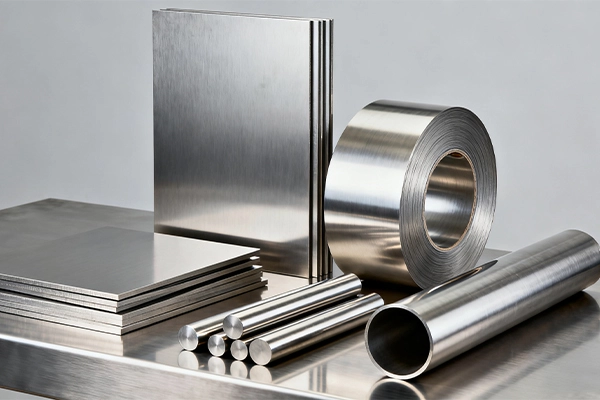
Use rigid setups, constant feed; consider age-hardening after rough/finish sequence.
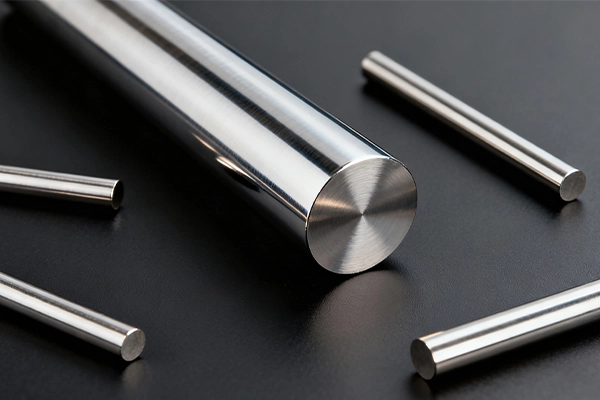
Great on lathes; use proper edge prep and coolant for burr control and finish.
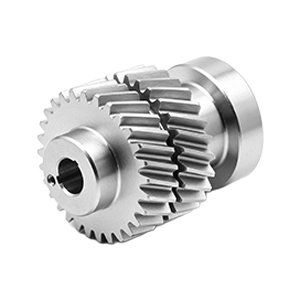
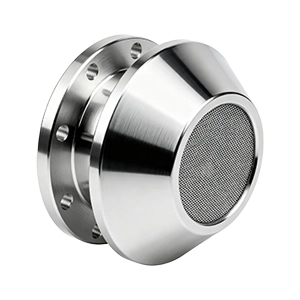
Material Machining Guide
Stainless Steel is commonly considered for corrosion-resistant shafts, fittings, housings, and medical or food-related components. It is selected because of durability, corrosion resistance, and clean appearance. For CNC machining, the final result depends on material grade, toolpath strategy, tolerance allocation, surface finish, and inspection planning.
Use Stainless Steel when the application benefits from durability, corrosion resistance, and clean appearance and the design can be machined with stable workholding.
Confirm wall thickness, hole depth, thread callouts, burr control, cosmetic surfaces, and finish buildup before production.
Define critical dimensions, inspection method, tolerance class, and documentation requirements before the first article.
| Topic | Practical Guidance for Stainless Steel |
|---|---|
| Design review | Send 3D CAD, 2D drawings, material grade, finish notes, quantity, and critical-to-function dimensions. |
| Machining process | MTSPi can review whether milling, turning, drilling, tapping, boring, or a combined route is best for the geometry. |
| Surface finish | Plan cosmetic and functional finishing early, especially where coating thickness, polishing, or deburring affects fit. |
| Inspection | Use calipers, micrometers, gauges, CMM, or visual inspection based on tolerance risk and assembly function. |
Related Material Choices
FAQ
Yes, Stainless Steel can be CNC machined when the grade, geometry, tooling, workholding, and tolerance requirements are planned correctly.
Send CAD files, 2D drawings, quantity, material grade, finish requirements, tolerance notes, and any inspection or packaging needs.
Often yes. The right finish depends on the material family and part function. Confirm finish thickness and cosmetic expectations before machining.
Use practical tolerances, avoid unnecessary deep pockets or tiny holes, simplify setups, and reserve tight control for functional features.