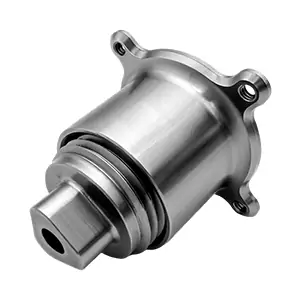
Mill-Turn Compound Machining for Complex Turned and Milled Parts
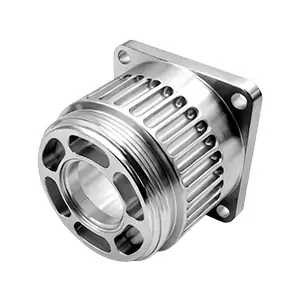
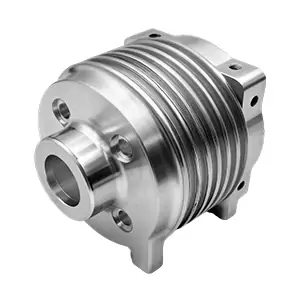
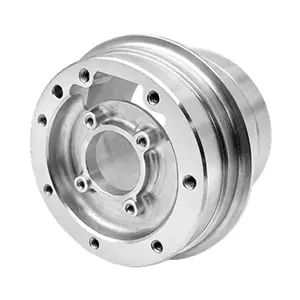
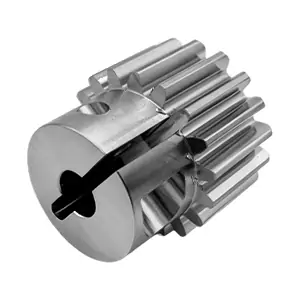
Mill-turn compound machining combines CNC turning and milling operations in one process route. It is useful for round parts that also need flats, slots, cross holes, side pockets, off-center features, keyways, threads, or multiple datum-related features.
For buyers, mill-turn can reduce secondary setups, improve alignment between turned and milled features, and simplify sourcing. MTSPi CNC reviews feature relationships, datum strategy, tool access, tolerance, and inspection requirements before choosing a turn-mill route.
Best-fit parts
- Shafts with flats, collars with holes, connectors, nozzles, valve bodies, fittings, and complex sleeves
- Round parts that also need milling, drilling, tapping, slots, or side features
- Parts where concentricity and side-feature alignment both matter
Process advantages
- Fewer setups compared with separate turning and milling operations
- Better relationship between diameters, bores, threads, flats, and holes
- Efficient route for prototype and low-volume complex components
Quality controls
- Diameter, bore, thread, angular position, hole location, and runout checks
- CMM or fixture checks for feature relationships when needed
- First article review before repeat production
When Mill-Turn Compound Machining Is Useful
| Buyer need | MTSPi CNC support | Typical use case |
|---|
| Turned part with side features | Combines round geometry with milled flats, holes, slots, and pockets | Fittings, valve bodies, connectors, and sleeves |
| Datum relationship matters | Reduces error from moving parts between machines | Parts with critical alignment between bores and side holes |
| Complex low-volume parts | Can simplify production when quantity does not justify many fixtures | Prototype mechanisms, custom hardware, and industrial components |
| Threaded or grooved components | Supports turning, threading, grooving, drilling, and milling in one route | Nozzles, adapters, collars, shafts, and inserts |
Engineering and Sourcing Notes
Send CAD files, 2D drawings, material grade, quantity, tolerance notes, finish requirements, and inspection requirements. MTSPi CNC can review manufacturability, cost drivers, and quality risks before machining.
Related CNC Service Pages
Use these related pages to compare manufacturing routes, material choices, cost control, and inspection requirements.
FAQ
What is mill-turn compound machining? It is a machining route that combines turning and milling operations so round parts can also receive flats, holes, slots, threads, and multi-side features.
When is mill-turn better than separate turning and milling? It can be better when alignment between turned and milled features is important or when reducing setups improves accuracy and cost control.
What files are needed for a mill-turn quote? Send 3D CAD, 2D drawings, critical datums, material grade, quantity, thread notes, tolerances, and inspection requirements.