Swiss-Type Machining Service for Small High-Precision Parts
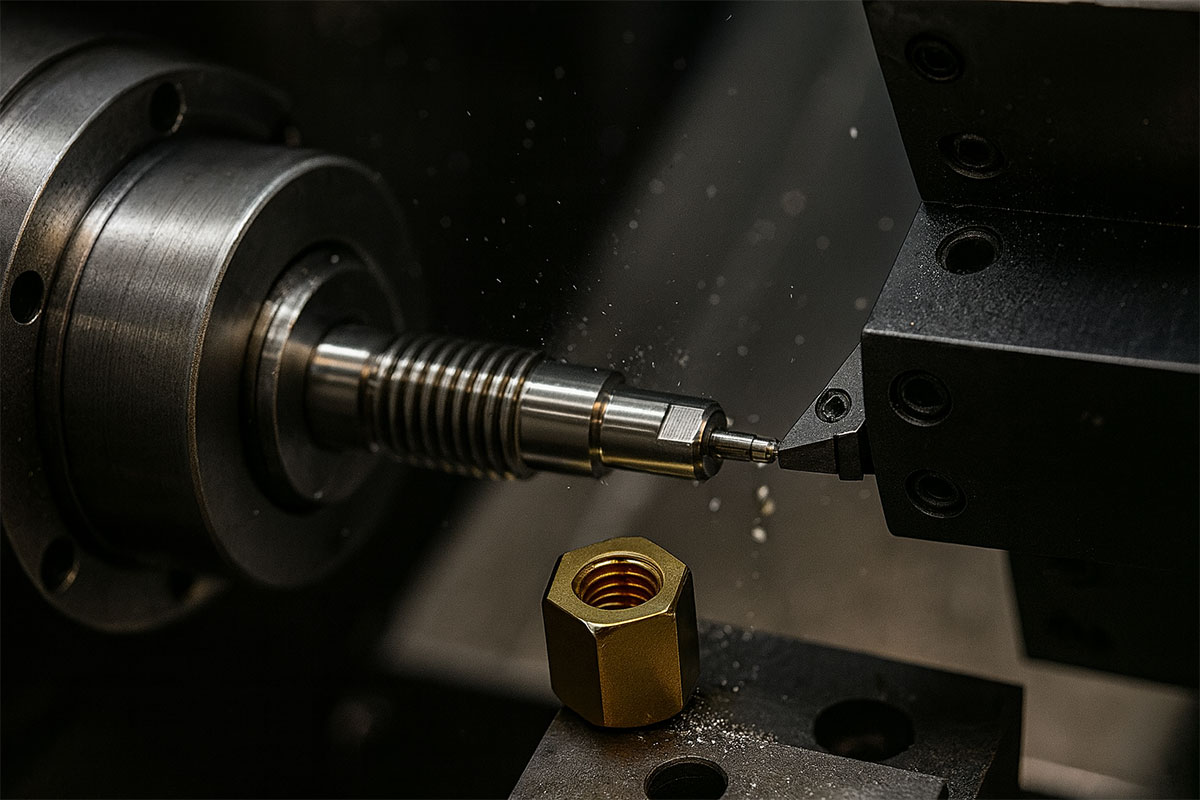
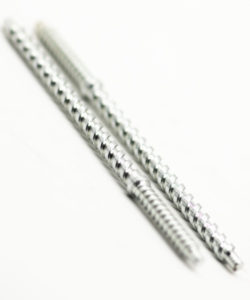
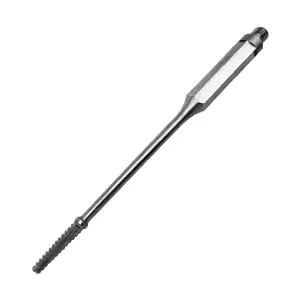
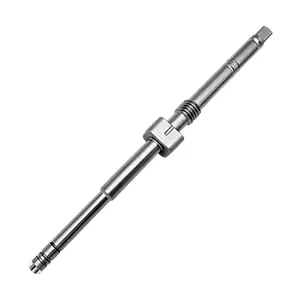
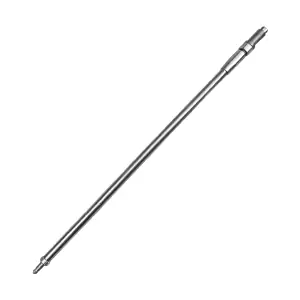
Swiss-type machining is designed for small, slender, and high-precision components that need strong support close to the cutting zone. It is useful for long pins, miniature shafts, medical-style components, electronic connectors, threaded inserts, sleeves, and small complex turned parts.
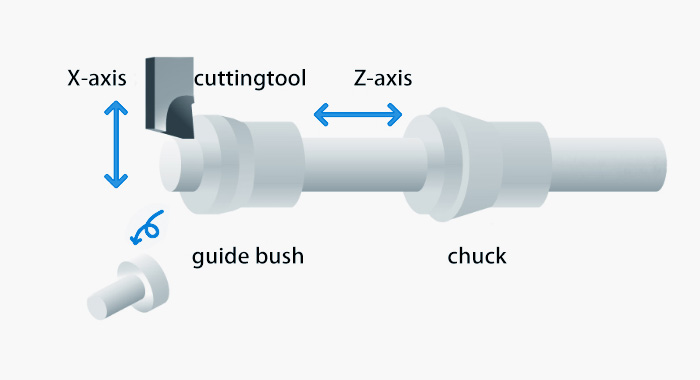
The advantage is stability: the guide bushing helps reduce deflection on small-diameter or long-length parts. MTSPi CNC reviews length-to-diameter ratio, tolerance, material, burr risk, thread quality, and inspection needs before recommending Swiss-type machining.
Best-fit parts
- Small shafts, pins, sleeves, connectors, miniature bushings, inserts, and precision fasteners
- Long slender parts that may deflect on conventional lathes
- Tight-tolerance parts with threads, grooves, flats, or cross holes
Design checks
- Length-to-diameter ratio, guide bushing support, stock size, and tool access
- Burr control on micro features, threads, small holes, and thin edges
- Material selection for machinability, wear, corrosion, and surface finish
Inspection focus
- Micrometer, optical checks, pin gauges, thread gauges, and runout checks
- Sampling or full inspection depending on part risk and batch size
- Clean packing for small precision components
When Swiss-Type Machining Is the Better Route
| Buyer need | MTSPi CNC support | Typical use case |
|---|
| Small slender parts | Supports stock close to the tool and reduces deflection | Pins, shafts, needles, sleeves, and miniature components |
| High repeatability | Efficient for repeat small parts after setup is proven | Connectors, inserts, fasteners, and precision hardware |
| Complex small geometry | Combines turning with secondary features such as flats, slots, holes, and threads | Medical, electronics, automation, and instrument parts |
| Burr-sensitive details | Allows process planning for small edges and threads | Tiny threaded parts, thin grooves, and small cross holes |
Engineering and Sourcing Notes
Send CAD files, 2D drawings, material grade, quantity, tolerance notes, finish requirements, and inspection requirements. MTSPi CNC can review manufacturability, cost drivers, and quality risks before machining.
Related CNC Service Pages
Use these related pages to compare manufacturing routes, material choices, cost control, and inspection requirements.
FAQ
What is Swiss-type machining best for? It is best for small, slender, high-precision turned parts where the workpiece needs support close to the cutting tool.
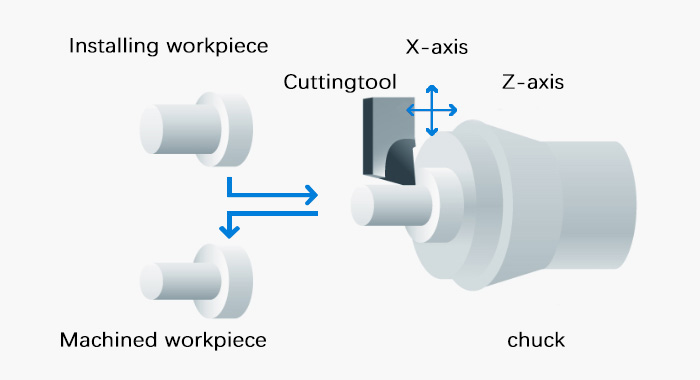
How is Swiss machining different from normal CNC turning? A Swiss-type machine supports the bar with a guide bushing near the cutting zone, which helps reduce deflection on long or small-diameter parts.
Can Swiss-type parts have holes and milled features? Yes. Many Swiss-type parts include cross holes, flats, slots, threads, grooves, and other secondary features depending on machine configuration.