

Nickel does not rust in the strict chemical sense because rust is iron oxide, and pure nickel does not contain iron. However, nickel can still corrode, tarnish, pit, or lose its surface appearance under certain environments. Nickel-plated steel can also show rust if the plating is damaged and the steel underneath is exposed.
For CNC machined parts, the practical question is not only whether nickel rusts. Buyers need to know when nickel, brushed nickel, satin nickel, and nickel-plated steel are suitable, how corrosion starts, and what finishing choices can improve durability. This guide rewrites the topic from a manufacturing and material-selection point of view for MTSPi CNC / MEITESI customers.
Quick Answer
Pure nickel does not rust like carbon steel because rust specifically refers to iron oxide. Nickel can still corrode, especially in harsh chemicals, salt environments, acidic conditions, or damaged coatings. Nickel-plated steel may rust when scratches, pores, or worn edges expose the steel substrate. Brushed nickel and satin nickel finishes can resist corrosion well indoors, but outdoor durability depends on the base material, plating quality, coating thickness, and maintenance.
What Exactly Is Rust?
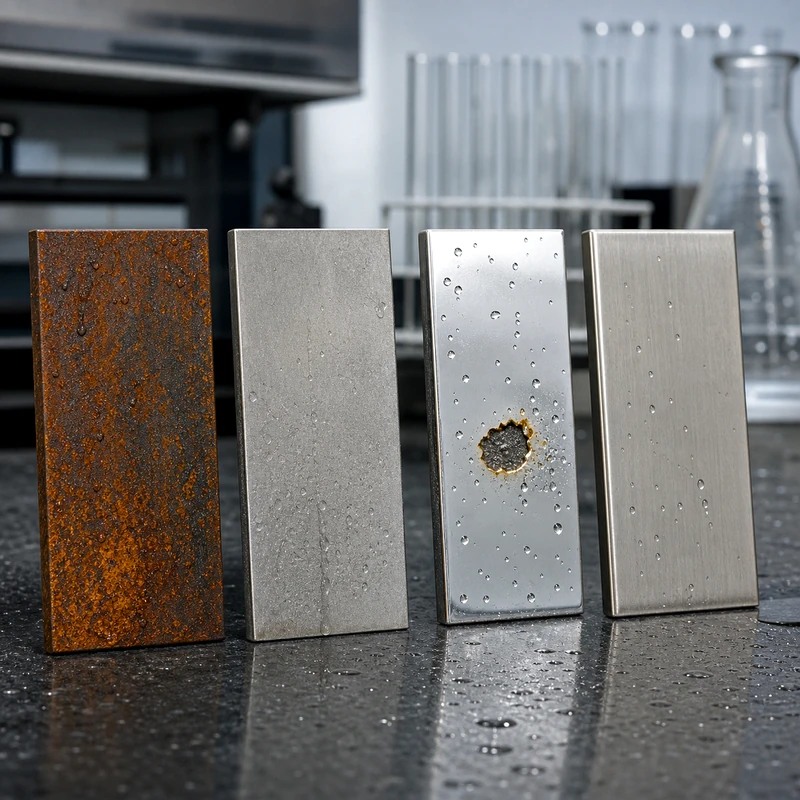
Rust is a specific corrosion product that forms when iron or steel reacts with oxygen and moisture. It is usually reddish-brown or orange because iron oxide forms on the surface. Since nickel is not iron, pure nickel does not create the same orange iron-rust layer.
That does not mean nickel is completely immune to surface change. Nickel can oxidize, discolor, pit, or react with chemicals. In many normal environments, nickel forms a thin protective surface film that slows further corrosion. This is why nickel and nickel plating are often used for decorative and protective finishes.
Does Nickel Rust?
Pure nickel does not rust in the way carbon steel rusts. It has good corrosion resistance in many indoor and mildly corrosive environments. This makes nickel useful for plated hardware, electrical contacts, decorative finishes, machined components, and parts that need both appearance and moderate corrosion protection.
The important limitation is that nickel can still corrode. In chloride exposure, acidic media, high temperature, or aggressive chemicals, nickel may pit or degrade. If nickel is applied as a plating layer on steel, any damage to the plating can allow the steel underneath to rust.
Types of Nickel Corrosion
Nickel corrosion can appear in different ways. Surface tarnish may make the finish look dull. Pitting can create small localized holes in aggressive environments. Galvanic corrosion can occur when nickel is connected to a different metal in the presence of an electrolyte. Plated parts can also fail at pores, edges, scratches, or thin coating areas.
For machined parts, the risk depends on the base material, surface preparation, plating thickness, post-treatment, environment, and whether the part is scratched during assembly or use.
Does Nickel-Plated Steel Rust?
Nickel-plated steel can rust if the nickel layer is thin, porous, cracked, scratched, or worn through. The nickel layer protects the steel only while it remains continuous enough to block moisture and oxygen from reaching the substrate. Once steel is exposed, normal iron rust can form at that damaged area.
This is especially important for threaded parts, edges, press-fit surfaces, and components that see repeated abrasion. If corrosion resistance is critical, buyers should define the plating specification, thickness, base material, and service environment clearly.
Does Brushed Nickel Rust?
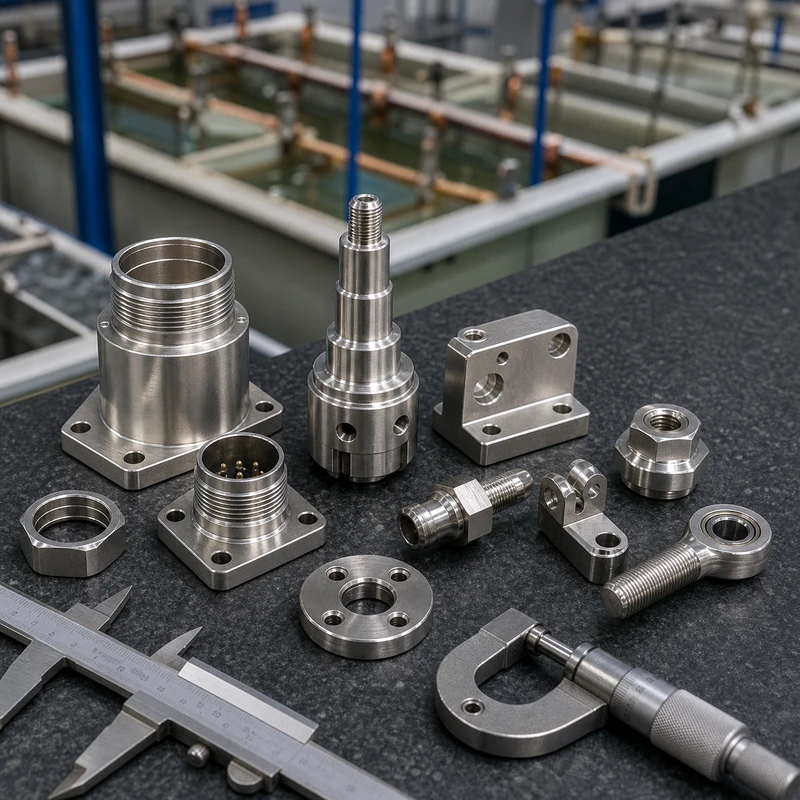
Brushed nickel is usually a finish texture, not a base material by itself. It may be applied over brass, steel, zinc alloy, stainless steel, or another substrate. Whether it rusts depends on what is underneath and how well the finish is protected.
A brushed nickel finish on a non-ferrous base may not rust, but it can still tarnish or discolor. Brushed nickel over steel can rust if the coating is damaged or thin. For functional CNC parts, the substrate and coating specification matter more than the appearance name.
Does Satin Nickel Rust?
Satin nickel is also a surface appearance. It can provide good corrosion resistance indoors when the plating is properly applied. In wet, salty, or abrasive environments, satin nickel over steel may rust at damaged edges or scratches. The finish can also dull over time if exposed to harsh cleaners or outdoor conditions.
Does Brushed Nickel Rust Outside?
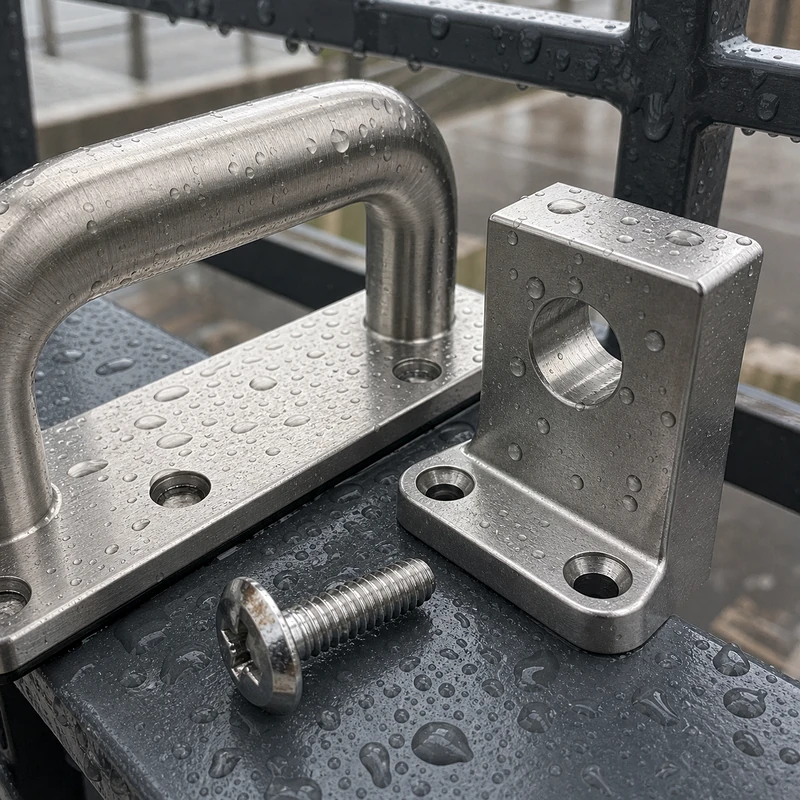
Outdoor use is more demanding because rain, humidity, UV exposure, salt, temperature cycling, and pollutants can attack the surface. Brushed nickel hardware may survive well in sheltered environments, but it is not automatically rust-proof outdoors. Nickel-plated steel is more vulnerable if the coating is damaged.
For outdoor CNC components, stainless steel, aluminum with anodizing, suitable nickel alloy, or a specified plating system may be a better choice depending on strength, appearance, and cost requirements.
Nickel vs Common Metals: Rust and Corrosion Comparison
| Material or finish | Does it form red rust? | Typical corrosion behavior | CNC part note |
|---|---|---|---|
| Pure nickel | No | Can tarnish, oxidize, or pit in aggressive environments. | Useful where moderate corrosion resistance, metallic appearance, or nickel alloy properties are needed. |
| Nickel-plated steel | Only if steel is exposed | Plating protects the surface, but scratches, pores, or worn edges can allow steel rust. | Specify plating type, thickness, masking, and service environment if rust resistance matters. |
| Carbon steel | Yes | Forms red-orange iron oxide quickly when exposed to moisture and oxygen. | Needs coating, plating, oiling, painting, or controlled storage for corrosion protection. |
| Stainless steel | Usually no | Can pit or stain in chloride, acid, or poor passivation conditions. | Good option for corrosion-resistant machined parts, but grade selection matters. |
| Aluminum | No | Forms aluminum oxide; can pit in salt or harsh chemicals. | Anodizing can improve surface protection and appearance. |
| Brass and copper | No | Can tarnish or develop patina rather than red rust. | Often chosen for conductivity, fittings, appearance, or corrosion behavior. |
What Metal Is Rust Proof?
No engineering metal is completely immune to all corrosion, but some metals do not form traditional iron rust because they contain little or no iron. Aluminum, copper, brass, bronze, titanium, nickel, and many stainless steels behave differently from carbon steel. They may oxidize, tarnish, pit, or discolor rather than form orange rust.
For CNC part sourcing, it is better to ask which material is suitable for the environment rather than asking whether it is rust-proof. Chemical exposure, temperature, salt, contact metals, cleaning method, and appearance requirements all affect the decision.
What Is Nickel?
Nickel is a silvery metal known for corrosion resistance, toughness, and usefulness in alloys and plating. It is often used in stainless steels, superalloys, batteries, coatings, and decorative finishes. In CNC manufacturing, nickel may appear as a base alloy, a plating layer, or an alloying element in stainless steel and high-performance materials.
Nickel is also used when parts need a bright appearance, wear resistance, solderability, or moderate corrosion protection. However, nickel allergies, regulatory requirements, and application environment should be considered for consumer-facing components.
What Is the Density of Nickel?
The density of nickel is about 8.9 g/cm3. It is heavier than aluminum and many steels are in a similar range depending on alloy. Density matters when weight, balance, shipping cost, or product feel is important.
Is Nickel Magnetic?
Nickel is ferromagnetic at room temperature, so pure nickel can be attracted to a magnet. However, magnetism in finished parts depends on alloy composition, heat treatment, coating thickness, and the substrate. A nickel finish over a non-magnetic base may behave differently from a solid nickel alloy.
How Fast Does Nickel Rust or Corrode?
Pure nickel does not rust like iron, so there is no single rusting speed. Corrosion speed depends on environment. In dry indoor air, nickel may remain stable for a long time. In salt spray, acids, or damaged plated surfaces, corrosion can happen much faster. Nickel-plated steel may rust quickly at scratches if moisture reaches the steel substrate.
Practical Applications of Nickel in Machined Parts
- Decorative and protective plating for machined steel or brass parts
- Electrical contacts and connector components
- Wear-resistant surfaces on small hardware
- Corrosion-resistant parts in mild service environments
- Alloying element in stainless steel and nickel-based alloys
- Prototype or low-volume parts that need a bright metallic finish
For custom CNC projects, MTSPi CNC can review material and finish choices for CNC metal parts, aluminum CNC machining, and stainless steel CNC machining.
How to Choose Nickel or Nickel Plating for CNC Parts
Choose nickel or nickel plating when the part needs a bright finish, moderate corrosion protection, improved wear resistance, or a specific electrical/contact property. Avoid vague finish names when performance matters. Instead, specify the base material, plating type, coating thickness, appearance, masking areas, and service environment.
If a part will be used outdoors, in salt spray, or in contact with chemicals, ask for a finish review before production. A small design or coating change may prevent corrosion problems later.
Conclusion
Nickel does not rust like carbon steel because rust is iron oxide. But nickel can corrode, and nickel-plated steel can rust when the coating is damaged or incomplete. Brushed nickel and satin nickel finishes can perform well indoors, but outdoor or harsh environments require careful base material and coating selection.
For CNC machined parts, the best choice depends on function, appearance, environment, cost, and inspection needs. MTSPi CNC / MEITESI can help review whether nickel, nickel plating, stainless steel, aluminum, or another finish is the right route for your project.
FAQ
Does pure nickel rust?
No. Pure nickel does not form iron rust because it does not contain iron. It can still oxidize or corrode in certain environments.
Can nickel-plated steel rust?
Yes. If the nickel plating is scratched, porous, thin, or worn through, the steel underneath can rust.
Is brushed nickel good for outdoor use?
It depends on the base material, coating quality, and environment. Brushed nickel over steel can rust if damaged, especially outdoors or near salt.
Is nickel magnetic?
Pure nickel is magnetic at room temperature, but finished part magnetism depends on alloy, coating, and substrate.
What should I specify for nickel-plated CNC parts?
Specify base material, plating type, coating thickness, appearance, masking areas, service environment, and any corrosion or inspection requirements.


