Categories
Blog Quality & Tolerances Surface Finishing

AI in CNC Machining: Practical Applications, Limits, and Future Trends

Artificial intelligence is becoming useful in CNC machining, but its role is practical rather than magical. It can help engineers analyze data, improve programming decisions, detect process drift, organize production schedules, and support inspection. It does not remove the need for capable machines, experienced programmers, stable fixtures, or sound manufacturing judgment.

For custom machined parts, the strongest results come when AI tools are connected to real process knowledge: material behavior, tool access, tolerance risk, machine condition, and inspection data. MTSPi treats AI as a support layer inside disciplined CNC machining services, not as a substitute for engineering review.

Where AI Fits in CNC Machining

Application What AI Can Support Human Control Still Needed
Programming support Feature recognition, operation suggestions, setup notes, coding assistance Datum strategy, tool selection, fixture review, collision judgment
Toolpath optimization Parameter suggestions, engagement analysis, cycle-time comparison Material behavior, machine limits, surface-finish requirements
Predictive maintenance Trend detection from vibration, load, temperature, and spindle data Maintenance decisions and production scheduling
Quality inspection Vision checks, defect classification, measurement trend analysis Gauge selection, CMM programming, drawing interpretation
Production planning Capacity analysis, job sequencing, bottleneck visibility Priority decisions, supplier coordination, customer commitments

AI-Assisted CNC Programming

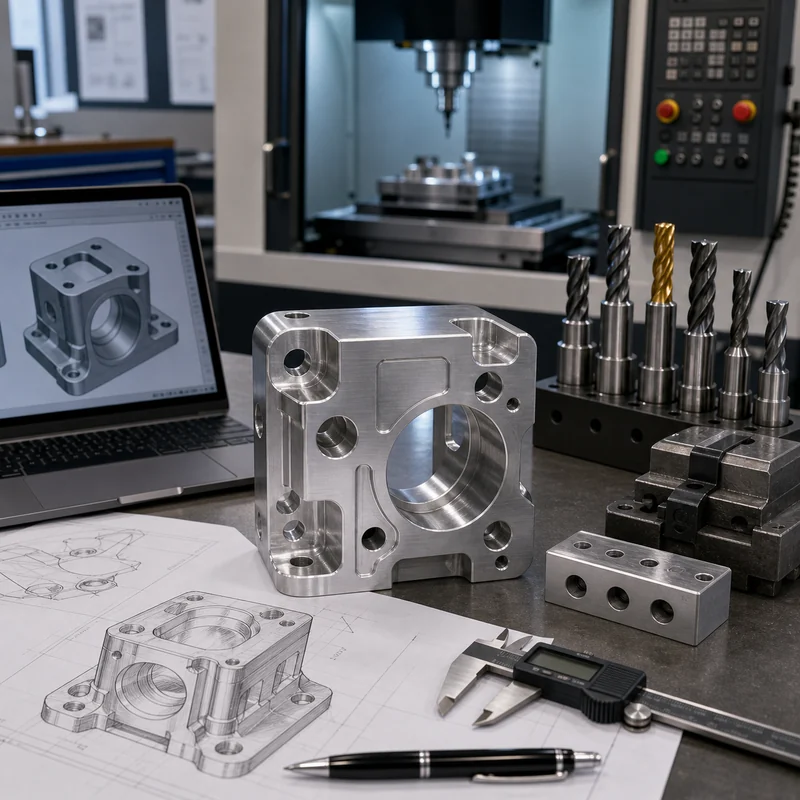
Programming complex parts requires decisions about workholding, tool reach, cutting sequence, rest machining, collision avoidance, and finishing strategy. AI-supported software can help recognize features, compare operation choices, and reduce repetitive programming work. The final program still needs review by someone who understands the machine, tools, material, and tolerance plan.

  • Shorter programming time for repeated feature families.
  • Earlier warnings about tool access or collision risk.
  • More consistent operation templates across similar parts.
  • Better knowledge capture from historical machining jobs.

Toolpath Optimization and Cutting Data

AI systems can analyze previous jobs, material data, tool performance, and machine load to recommend changes to feeds, speeds, stepovers, depth of cut, and cutting sequence. This can be valuable for 5-axis machining, titanium machining, stainless steel parts, and high-mix low-volume production where process setup time matters.

Goal AI Contribution Practical Check
Reduce cycle time Compare tool engagement and air-cutting time Do not sacrifice surface finish or tool life
Improve tool life Identify load spikes and unstable cutting zones Confirm with real tool wear data
Stabilize dimensions Track drift and suggest compensation windows Use measurement feedback from critical features
Improve finish Correlate parameters with roughness or visible marks Validate with surface roughness inspection when required

Predictive Maintenance

Unexpected machine downtime can disrupt delivery and create quality risk. Predictive systems use sensor data such as vibration, spindle load, temperature, servo behavior, and alarm history to flag abnormal trends before a failure stops production. For precision machining, this matters because worn spindles, thermal drift, or unstable axes can affect accuracy long before a machine completely fails.

AI and Automated Inspection

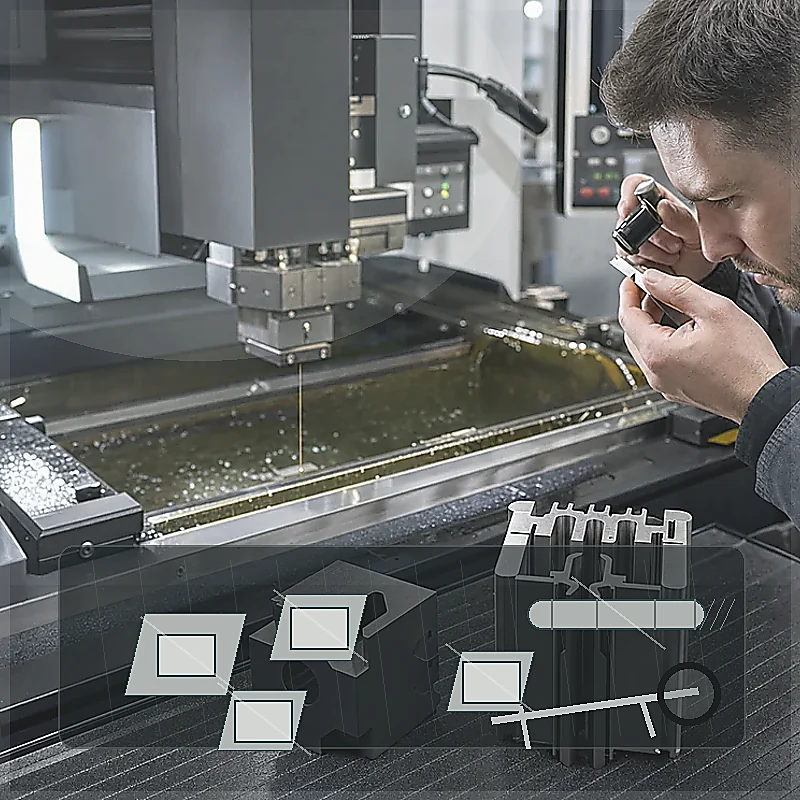
Inspection is one of the most practical AI use cases. Camera systems can help detect surface defects, missing features, burrs, mixed parts, or handling damage. Measurement data can also be analyzed over time to identify tool wear, fixture movement, or process drift. However, AI inspection must be tied to the drawing and validated measurement methods.

  • Use CMM inspection for GD&T, datums, and complex feature relationships.
  • Use micrometers, bore gauges, thread gauges, and pin gauges where they match the feature function.
  • Use camera inspection for visible defects, part presence, orientation, and surface anomalies.
  • Use trend analysis to catch process movement before parts go out of tolerance.

Production Planning and Scheduling

A CNC shop must balance machine availability, materials, tool setup, fixture use, inspection capacity, finishing lead times, and customer priorities. AI-driven planning tools can highlight bottlenecks and propose job sequences, but they work best when the underlying data is accurate and the team updates real constraints such as material arrival, urgent rework, or inspection queue delays.

Limits of AI in CNC Manufacturing

AI can support better decisions, but it cannot guarantee part quality by itself. Poor drawings, vague tolerances, weak fixtures, worn tools, unverified material, or incomplete inspection plans will still create problems. The most reliable approach combines software, skilled engineers, stable machines, and documented quality control.

Common Misunderstanding Better View
AI replaces machinists AI helps skilled teams make faster and more consistent decisions
AI guarantees perfect accuracy Accuracy still depends on machine, setup, tooling, material, and inspection
AI can fix unclear drawings Critical dimensions, datums, finishes, and acceptance criteria still need definition
AI only matters in large factories Smaller shops can also benefit from data capture, programming templates, and inspection trends

Future Trends

The next stage of AI in CNC machining will likely focus on connected CAM workflows, automated manufacturability feedback, adaptive machining, closed-loop inspection, predictive tooling, and better quoting intelligence. These tools will be most useful when they shorten engineering review cycles while keeping manufacturing decisions traceable.

How MTSPi Uses Technology in CNC Projects

MTSPi reviews CAD models, drawings, material requirements, tolerances, finish notes, and inspection needs before production. Digital tools can support quoting, programming, quality planning, and documentation, while experienced engineers remain responsible for the manufacturing route. Share your part requirements through the contact page.

Related MTSPi Resources

FAQ

Will AI replace CNC machinists or programmers?

AI is more likely to support machinists and programmers than replace them. Process planning, fixture judgment, tolerance interpretation, and troubleshooting still require manufacturing experience.

What is the most practical use of AI in CNC machining today?

Practical uses include programming assistance, toolpath optimization, predictive maintenance, inspection trend analysis, and production scheduling support.

Can AI improve CNC part quality?

Yes, when it is connected to reliable process data and inspection feedback. It cannot compensate for poor workholding, unclear drawings, or weak quality control.

Categories
Surface Finishing

Copper vs Brass: Conductivity, Machining, Finish, and Cost

Copper vs brass is a practical question because the word is used in design reviews, RFQs, supplier audits, cost discussions, and quality reports. In manufacturing, it usually describes controlled material removal from metal or plastic stock to create a part with defined shape, dimensions, surface condition, and functional features. For buyers, the useful answer is not only the dictionary definition; it is how the process affects material choice, tolerance, lead time, finish, inspection, and supplier communication.

This guide combines common top-page coverage with CNC buyer details that are often missing: drawing requirements, process selection, cost drivers, inspection evidence, and realistic questions to ask before placing an order with MTSPi CNC / MEITESI.

Quick Answer

Copper vs brass refers to a manufacturing subject connected to cutting, shaping, or removing material with controlled tools. In CNC work, the main decision is how to turn a drawing or model into a repeatable part without overpaying for unnecessary tolerance, finish, or setup complexity. A buyer should start with the part function, then define material, quantity, critical dimensions, finish, and inspection requirements.

When a part needs milled faces, pockets, slots, holes, or 3D profiles, a process-specific review can help match the geometry to a practical route. When the part includes round features, shafts, threads, bushings, or sleeves, turning may be more efficient than forcing the work into a milling setup.

Key Takeaways

  • Copper vs brass should be understood through part function, not only a short definition.
  • The same term can mean different things in engineering, purchasing, shop-floor planning, and inspection.
  • Material grade, tolerance, surface finish, and batch quantity often matter more than the process name.
  • A clear 2D drawing is still important even when a 3D model is available.
  • The best supplier questions focus on risk: workholding, tool access, burrs, finish, measurement, and repeatability.

Definition and Core Meaning

Most leading educational pages explain copper vs brass with a simple idea: controlled shaping of material into a desired part. That definition is useful, but it is incomplete for real sourcing work. A buyer also needs to know what will be held, where the cutting forces go, which surfaces are cosmetic, which dimensions control assembly, and what evidence proves the finished part is acceptable.

In a CNC project, the definition becomes more concrete. The process starts with a drawing, model, material, stock size, tools, fixtures, and inspection plan. If any of these are unclear, the quote may look fast but the project can still run into rework. MTSPi CNC reviews those details through drawing and model preparation before the machining route is finalized.

A useful way to think about the term is this: machining is not just cutting material away. It is a chain of decisions that includes programming, setup, tool selection, clamping, roughing, finishing, deburring, surface treatment, inspection, packaging, and communication. Each step can change cost and quality.

Question Simple answer Buyer detail that matters
What is being made? A part from raw material. The drawing should identify datums, threads, finish, tolerances, and critical surfaces.
How is material removed? By cutting tools or controlled energy. Tool access, chip control, heat, and workholding decide whether the process is stable.
What affects price? Machine time and material. Setup count, tolerance, finish, inspection, burr control, and quantity are often just as important.
How is quality confirmed? By inspection. Inspection should match the drawing risk with the right gauge, report, or sampling plan.

Main Process Categories

The most common process categories include milling, turning, drilling, boring, tapping, reaming, grinding, EDM, and finishing operations. Educational pages often list these as separate processes, but real parts often use several of them. A housing may need milling, drilling, tapping, deburring, bead blasting, and anodizing. A shaft may need turning, threading, grooving, polishing, and runout inspection.

Milling removes material with rotating cutters and is common for flat faces, pockets, slots, holes, and complex surfaces. Buyers can review CNC milling support when a part has prismatic geometry or multiple machined faces. Turning rotates the workpiece and is usually efficient for round parts, shafts, bushings, threaded pins, sleeves, and spacers; for these parts, CNC turning support may be the better starting point.

Drilling, boring, tapping, and reaming are hole-making or hole-finishing operations. They look simple on a drawing, but hole depth, thread engagement, position tolerance, burr direction, and access from one side or both sides can affect machining risk. Deep holes and small threaded holes deserve special attention before quoting.

A strong process choice also considers the order of operations. A hole drilled before milling may move slightly after material is removed around it. A thin wall roughed too aggressively may release stress and lose flatness. A cosmetic surface finished too early may be damaged during later clamping. These sequencing details are rarely visible in a simple definition, yet they are often the difference between a clean first batch and repeated correction.

Process Best suited for Common risk
Milling Flat faces, slots, pockets, 3D contours, hole patterns Long tool reach, vibration, internal corner radius, thin wall movement
Turning Shafts, bushings, sleeves, pins, threaded round parts Runout, concentricity, surface finish, slender-part deflection
Drilling and tapping Holes, threads, fastener locations Broken taps, wrong thread depth, burrs, poor position control
Grinding or fine finishing Tight surfaces and improved roughness Extra cost, measurement demand, and possible lead time increase

Materials and Manufacturing Considerations

Material choice changes nearly every part of copper vs brass. Aluminum usually machines quickly and accepts many finishes, but thin walls may deform and cosmetic surfaces need protection. Stainless steel is strong and corrosion resistant, but it can work harden and increase tool wear. Brass cuts cleanly, copper needs careful burr and heat control, titanium demands conservative cutting and cooling, and engineering plastics need heat management and gentle workholding.

For metal projects, metal machining choices gives a useful way to compare alloy behavior before the RFQ is finalized. For projects where aluminum is likely, buyers should think about 6061, 7075, anodizing, flatness, and cost. Stainless steel buyers should pay attention to 304 versus 316, burr behavior, passivation, and the cost impact of tight tolerances.

Material is not only a performance choice. It is also a supply-chain choice. Availability, stock shape, minimum order size, certificate requirements, and substitute-grade permission can all affect quote speed. Buyers should state whether equivalent materials are allowed or whether the listed grade is mandatory.

Material Why buyers choose it Machining note
Aluminum Light weight, good machinability, many finish options Thin walls and cosmetic faces need careful sequence and handling.
Stainless steel Corrosion resistance, strength, clean appearance Tool wear, burrs, and work hardening can raise cost.
Brass or copper Conductivity, appearance, thread quality, fittings Copper can be gummy; brass is easier but alloy choice still matters.
Engineering plastics Weight reduction, insulation, wear behavior Heat, clamping, and burr control are important.

Cost, Tolerance, and Surface Finish Factors

Cost is often misunderstood because buyers compare only the unit price. A quote also reflects programming, setup, material preparation, fixture design, tool life, cutting time, deburring, finish, inspection, packaging, and delivery risk. A low quote may hide missing assumptions, while a high quote may include inspection or finish work that another supplier ignored.

Tolerances should protect function rather than decorate every feature. Tight dimensions on noncritical surfaces add cost without improving performance. A better approach is to mark critical features clearly and allow standard tolerances elsewhere. MTSPi CNC can review machining cost reduction checks when buyers want to reduce price without weakening the part.

Surface finish also changes the process. A visible aluminum panel may need careful tool paths, deburring, polishing, bead blasting, or anodizing. A hidden bracket may only need safe edges and functional holes. Surface expectations should be discussed before machining, especially when a post-machining finish will be applied after cutting.

Tolerance and finish should also be separated by purpose. A sealing face, bearing seat, threaded hole, and decorative cover do not fail in the same way. A sealing face may need flatness and surface roughness control. A bearing seat may need diameter, roundness, and runout. A visible cover may need consistent texture and protected edges. A hidden mounting plate may only need hole position and deburred edges. This distinction helps buyers spend money where it protects function.

Factor Why it changes the quote How to control it
Tight tolerance Requires slower cutting, stable setup, and more inspection Apply it only to functional features.
Small batch Setup cost is spread over fewer parts Combine parts or request quantity breaks.
Complex finish Adds handling, protection, and rework risk Define visible and hidden surfaces separately.
Incomplete drawing Supplier must guess or ask repeated questions Send drawing, model, material, finish, and quantity together.

Design and Drawing Notes for Better Results

Good design makes the important features reliable. Internal corners should allow realistic cutter radius. Deep pockets should allow tool access. Thin walls need enough stiffness for cutting and finishing. Threads should have clear depth and class. Holes should show whether they are blind, through, tapped, reamed, or counterbored.

A 3D model gives geometry, but the 2D drawing gives manufacturing intent. It should identify datums, tolerances, surface roughness, thread callouts, finish requirements, revision level, and inspection notes. Without this, the supplier may produce the shape correctly but miss the real acceptance standard.

For prototype work, prototype machining review helps confirm fit and function before the design moves to a production order. For repeated small batches, fixture notes, approved samples, and inspection records should be kept with the job so later orders do not restart the learning process.

Common Mistakes to Avoid

  • Using a broad term without explaining the part’s function or assembly risk.
  • Sending only a model when threads, finish, tolerances, and critical features are needed.
  • Specifying tight tolerances on every dimension instead of only where fit or performance requires them.
  • Leaving surface finish until after the machining process is already fixed.
  • Comparing supplier quotes without checking whether material, finish, inspection, and packing assumptions match.
  • Approving a prototype without recording what changed before low-volume production.

Supplier and Quotation Checklist

A good RFQ package helps suppliers answer quickly and accurately. It should include the model, drawing, material, quantity, finish, target lead time, inspection requirement, and any special packaging need. If the part is used with another component, include a short note about the mating feature or failure concern.

A capable supplier should explain the process route, not only state that the part can be made. Ask about workholding, tool access, burr control, inspection, and finish sequence. The answer should be specific enough that an engineer can see how the part will be controlled before shipment.

RFQ item What to provide Why it helps
3D model STEP or other usable CAD format Supports programming and geometry review.
2D drawing Tolerances, datums, threads, finish, revision Shows manufacturing intent and acceptance rules.
Material Grade, temper, certificate need, substitute permission Controls performance, cost, and availability.
Quantity Prototype and production breaks Helps choose fixture and process strategy.
Inspection Critical dimensions and report needs Prevents disputes after delivery.

How to Use This Information in a Real RFQ

After reading a definition or comparison, buyers should turn the information into a short RFQ note. The note can be simple: part function, material preference, expected quantity, important mating features, visible surfaces, and delivery target. This small addition helps the supplier understand why certain features matter and where standard manufacturing variation is acceptable.

For example, instead of asking only for a price, a buyer can write that two bores locate bearings, the top face is visible after assembly, the threaded holes need repeated installation, and the first order is for functional testing. That kind of note guides process planning, inspection priority, and packaging protection without making the project more complicated.

Specific Notes for Copper vs Brass: Conductivity, Machining, Finish, and Cost

For the topic copper vs brass, the most useful article is one that begins with the general definition but quickly moves into practical manufacturing choices. The front-page results commonly explain the concept well, yet they often leave buyers without enough detail about drawings, tolerance, cost, finishing, inspection, and supplier communication.

The better approach is to connect the concept to part features. If the part has milled pockets, use milling logic. If it has round geometry, evaluate turning. If it needs a smooth visible finish, plan surface treatment early. If it has tight functional dimensions, decide the inspection method before accepting the quote.

This is why MTSPi CNC / MEITESI treats every request as a connected manufacturing problem rather than a single-word process label. A clear drawing, suitable material, realistic tolerance, and measurable quality standard make the finished part easier to quote, easier to produce, and easier to approve.

Practical Buyer Scenario

Consider a buyer who searches for copper vs brass because a new project has moved from concept to sourcing. The drawing shows a metal housing with two bearing bores, four mounting holes, a visible top surface, and a note calling for black finish. A basic educational explanation may help the buyer understand the term, but it will not answer the real purchasing questions: which faces are datums, whether the bores need inspection reports, whether the finish changes dimensions, and how the supplier will protect the visible surface during shipping.

In that situation, the buyer should not ask only whether the supplier can machine the part. A better request is to ask for a review of stock material, setup count, bore measurement, edge break, surface finish route, and packaging. If the housing is still being tested, prototype machining review can help confirm geometry before repeat orders. If the order will move into small batches, the buyer should ask which setup details can be reused and which dimensions need routine reporting.

This scenario shows why information articles should lead into real manufacturing decisions. The reader may begin with a broad question, but the project succeeds only when the definition becomes a drawing, a process route, a material order, a controlled finish, and an inspection method. That is the bridge between learning a term and buying usable parts.

Conclusion

Copper vs Brass: Conductivity, Machining, Finish, and Cost should be understood as a practical manufacturing topic, not just a short definition. Buyers should use the concept to make better decisions about process selection, materials, tolerances, finish, cost, inspection, and supplier communication. With a clear RFQ package and a supplier that explains the route before production, MTSPi CNC / MEITESI can help turn general manufacturing knowledge into reliable machined parts.

FAQ

What does copper vs brass mean in manufacturing?

It generally refers to a controlled way of shaping material, often by removing material with tools or machine processes. In CNC work, the meaning also includes programming, setup, workholding, finishing, and inspection.

What information should I send for a CNC quote?

Send a 3D model, 2D drawing, material grade, quantity, finish requirement, critical dimensions, thread notes, and any assembly concerns.

Is CNC machining always the best process?

No. It is excellent for precision parts, prototypes, low-volume production, metal components, and many plastic parts, but casting, forming, molding, or fabrication may suit some designs better.

Why do machining costs vary so much?

Costs vary because material, setup count, tolerance, finish, inspection, tooling, batch size, and lead time can change the real work behind the same-looking part.

How can buyers reduce machining risk?

Clarify drawings, mark critical features, choose suitable materials, avoid unnecessary tight tolerances, define finish expectations, and request inspection evidence that matches the part function.

Categories
Surface Finishing

304 Stainless Steel Machining Guide for CNC Buyers

304 stainless steel machining decisions should start with function, not with a generic machining label. Buyers get better results when they define how the part will be used, which dimensions control assembly, what material behavior matters, and how the supplier will inspect the finished work. For this topic, the important issues are general stainless parts, work hardening, tool wear, cost, finish, and corrosion expectations. A capable supplier should be able to explain the process route, likely risk points, quotation assumptions, and inspection evidence before production begins.

Quick Answer

The practical answer is to match the drawing to a manufacturing route, then confirm material, tolerance, finish, quantity, and inspection before approving the order. If the part has mostly milled faces, pockets, slots, and holes, review stainless steel CNC machining material page. If it includes round features, shafts, bushings, or threads, include CNC metal machining capability in the discussion. For buyer-side risk control, ask how the shop will hold the part, which features are critical, and whether any finish or secondary process changes final dimensions.

Key Takeaways

  • Define the functional dimensions before asking suppliers to quote every feature as critical.
  • Send a 2D drawing with tolerance notes and a 3D model for programming reference.
  • Confirm material grade, heat condition, surface finish, and inspection report requirements early.
  • Ask the supplier to identify difficult features, tool access issues, and possible design changes.
  • Use sample approval or first article checks when the part is new, tight, cosmetic, or assembly-critical.

What Buyers Usually Need to Know

Most problems in custom machining come from unclear assumptions. A supplier may quote one setup while the buyer expects multiple controlled operations. A buyer may request a tight tolerance on the full drawing while only one bore or mounting face actually affects the assembly. For 304 stainless steel machining, the conversation should make those assumptions visible before the purchase order is issued.

The RFQ should include units, drawing revision, STEP file, material grade, quantity, surface finish, critical dimensions, and target delivery. When these details are missing, suppliers either pause the quote or make assumptions. A fast answer based on assumptions can look attractive, but it often creates rework later. A better supplier asks clear questions and records the answers.

Capability should be checked against the part shape. A shop with CNC turning service route may handle many related jobs, but the buyer still needs to know whether the part will be milled, turned, ground, cut by EDM, drilled, or finished by a partner. Process route clarity is the first sign that the quotation is built on real manufacturing thinking.

Buyer Question Why It Matters Useful Evidence
Which process will make the main features? Process choice affects setup count, accuracy, cost, and lead time Supplier explains milling, turning, EDM, grinding, drilling, or finishing route
Which dimensions are functional? Critical dimensions need better control than clearance or cosmetic areas Marked drawing, datum notes, inspection plan
Which material condition is required? Grade, temper, hardness, and stress condition change machining behavior Material certificate or written grade confirmation
What happens after machining? Deburring, anodizing, plating, polishing, or heat treatment can change size and appearance Finish specification and post-finish inspection method

Material and Process Considerations

Material changes cutting speed, tool wear, clamping force, burr behavior, and finishing results. Aluminum is usually easier to machine and finish, stainless steel needs more attention to heat and work hardening, brass and copper require careful burr and dent control, and engineering plastics can move under heat or clamping pressure. For 304 stainless steel machining, material selection should support the part’s function rather than only the lowest raw material price.

The process route should match both material and geometry. Deep pockets, small internal radii, long shafts, thin walls, fine threads, and cosmetic faces each require different planning. Buyers should ask whether the supplier sees any design feature that raises risk. If the supplier recommends a larger radius, a different stock size, or a changed tolerance, ask for the reason and the expected effect on cost and quality.

When finishing is required, discuss it before machining starts. Anodizing, plating, passivation, polishing, blasting, coating, and heat treatment may change dimensions, surface appearance, or edge condition. A controlled supplier will connect machining allowance, masking, inspection, and packaging rather than treating finishing as an afterthought. Relevant finishing choices can be checked through quality assurance process.

Tolerance, Surface Finish, and Quality Checks

Tolerance should be tied to function. A general tolerance may be enough for clearance edges, while a bearing diameter, threaded hole, sealing face, or locating surface may require a tighter limit and a clear datum. Buyers should avoid applying strict tolerance across the whole drawing unless the part truly requires it, because unnecessary precision raises cost and may increase rejection risk without improving performance.

Inspection should be planned before production. Calipers may be enough for noncritical outside dimensions, but bores, threads, flatness, profile, runout, and surface roughness often need gauges, micrometers, CMM checks, height gauges, pin gauges, or functional fit tests. For 304 stainless steel machining, ask which tool will verify each critical feature and whether the report covers first article, sampling, or full inspection.

Surface finish needs clear language. Words like smooth, clean, or nice are not enough when mating, sealing, sliding, corrosion, or appearance matters. Use Ra values where function requires them and visual notes where cosmetic faces matter. If finish follows machining, confirm whether dimensions are checked before or after finishing through surface treatment options.

Factor Typical Risk Practical Control
Tight tolerance Higher cost, slower machining, more inspection Apply tight limits only to functional features
Thin walls or deep pockets Vibration, distortion, tool reach limits Use larger radii, balanced walls, and realistic flatness notes
Cosmetic finish Color variation, handling marks, unclear acceptance Define visible faces and approve samples when needed
Repeat order Different lot, tool wear, undocumented changes Keep revision, process, and inspection records

Cost Factors and Quotation Details

Cost depends on more than part size. Setup time, programming, material stock, tooling, machine time, number of operations, inspection, finishing, packaging, and batch size all affect the final quote. A small part with deep features and tight tolerances can cost more than a larger simple plate. A large batch may justify fixture work that would not make sense for a one-off sample.

Buyers can improve quote accuracy by separating must-have requirements from preferences. State which features control assembly, which surfaces are cosmetic, which dimensions may follow general tolerance, and what report is required. If the supplier has to guess, the quote may change after technical review. Cost-focused topics can also be compared against CNC machine shop capability when drawing changes are possible.

Lead time should be broken down into material purchase, programming, setup, machining, finishing, inspection, packing, and shipment. Finishing and inspection often create delays that buyers do not see in a simple machine-time estimate. Ask for a realistic timeline and identify which step has the highest risk of delay.

Design Tips for Better Machining Results

Good design makes machining predictable. Use accessible features, practical internal radii, balanced wall thickness, clear datums, standard threads, and realistic hole depths. Avoid deep narrow pockets, very thin unsupported walls, tiny corner radii, and tight tolerances on nonfunctional features. These changes often lower cost while improving consistency.

For 304 stainless steel machining, design review should focus on general stainless parts, work hardening, tool wear, cost, finish, and corrosion expectations. If a feature is difficult but not functional, simplify it. If a feature is critical, mark it clearly and allow the supplier to plan the correct process. Tool access, clamping surface, burr direction, and finishing allowance should be considered before the drawing is released.

When the part is still being developed, use prototype or low-volume stages to learn from the design. A sample can reveal fit issues, burr problems, coating changes, or tolerance conflicts. It is cheaper to update the drawing after a controlled sample than to repair a full batch after shipment.

Common Buyer Mistakes to Avoid

One common mistake is comparing prices without comparing assumptions. If one supplier includes material certification, surface treatment, inspection report, and protective packaging while another quotes machining only, the prices are not equivalent. Ask each supplier to state what is included and what is excluded.

Another mistake is sending only a 3D model. The model helps programming, but the drawing carries tolerances, threads, material notes, finish requirements, datum references, and revision control. For 304 stainless steel machining, a missing drawing often leads to arguments about what should have been inspected or finished.

Buyers also overlook packaging. Sharp edges, polished faces, threads, thin walls, and precision bores can be damaged after inspection if parts are packed loosely. Packaging method should match the part’s risk and should be confirmed before shipment, especially for export orders.

Supplier Selection Checklist

A useful supplier review is technical and specific. Ask for the process route, material confirmation, fixture concept, inspection method, finishing plan, and lead time breakdown. The supplier does not need to expose every internal detail, but it should be able to explain how risk will be controlled.

Checklist Item Good Response Warning Sign
Drawing review Supplier identifies critical dimensions and unclear notes Supplier quotes with no technical questions
Process fit Supplier explains setups and secondary operations Supplier only lists machines generally
Inspection plan Supplier names tools and report format Supplier says quality is checked without details
Revision control Supplier confirms file version and change process Supplier relies on informal messages

Specification Sheet to Request

Before production, request a simple specification sheet covering drawing revision, 3D file name, material grade, quantity, finish, tolerance notes, critical dimensions, inspection report, packaging, and delivery terms. This sheet keeps engineering, purchasing, quality, and supplier teams aligned.

For repeat orders, the same sheet prevents silent changes. If material stock, finish partner, inspection method, or packaging changes, the buyer can review the difference before shipment. This is especially important when 304 stainless steel machining parts are used in assemblies or ordered across several batches.

304 Stainless Steel Machining Deep-Dive Notes

The most important judgment for 304 stainless steel machining is knowing which requirement truly drives performance. If the part is a prototype, fast learning may matter more than cosmetic perfection. If it is a repeat production component, stable process control and inspection records may matter more than the fastest quote. If the part is visible to customers, handling and finishing should be planned with the same care as dimensions.

Suppliers should be encouraged to flag manufacturability issues. A larger internal radius, modified thread depth, adjusted wall thickness, or changed finish sequence can reduce cost and risk. The buyer should evaluate each suggestion based on function, assembly, cost, and schedule rather than accepting or rejecting changes automatically.

For higher-risk parts, use a first article approval step. Measure critical dimensions, test fit with mating parts, review burrs, check finish, and document any accepted deviations. Once the sample is approved, update the drawing or specification so production follows the approved standard. That discipline is what turns a one-time sample into a repeatable purchasing process.

Quotation review for 304 stainless steel machining should include a short risk discussion, not only a unit price. Ask the supplier which feature is most likely to drive cycle time, which tolerance is most difficult, whether the material is standard stock, and whether finishing or inspection creates a separate lead time. These answers help the buyer understand why two quotations may differ even when the drawing is the same.

Inspection planning should also separate first-piece approval from batch control. The first piece confirms that the program, fixture, material, and drawing interpretation are correct. Batch inspection confirms that the process stays stable as tools wear, operators change shifts, or material lots vary. For 304 stainless steel machining, both checks can matter when parts must fit an assembly or repeat across several orders.

Communication should be documented in a way that survives staff changes. If the buyer approves a larger corner radius, accepts a minor tool mark, changes a finish, or allows a substitute material, that decision should be written into the drawing, purchase specification, or deviation record. A message buried in a chat thread is easy to miss when the next batch is ordered.

Packaging and handling deserve a line in the purchase requirements. Precision parts can pass inspection and still arrive unusable if threads rub together, cosmetic faces are scratched, thin walls are bent, or moisture reaches bare steel. Ask for trays, separators, oil paper, caps, bags, or carton reinforcement where the part geometry justifies it. The right packaging method is part of the delivered quality, not an optional extra.

If the design is still changing, buyers should avoid locking a large batch too early. A small sample or pilot run can expose burrs, assembly interference, coating thickness issues, tolerance conflicts, or unexpected cost drivers. Once those details are corrected, the production batch becomes less risky. This staged approach is especially useful when 304 stainless steel machining parts combine tight dimensions with visible surfaces or secondary finishing.

Supplier capability should be judged by the questions the supplier asks. A useful supplier will ask about datums, mating parts, finish class, inspection reports, material grade, and delivery constraints. A weak supplier may simply agree to every requirement without explaining how it will be controlled. Buyers should prefer the partner who makes hidden risk visible before production starts.

Finally, keep a record of what worked. After an accepted order, save the final drawing, approved sample notes, inspection report, finish reference, packing photos, and supplier comments. The next order can then start from a known standard instead of repeating the same technical discussion. This habit improves repeatability and makes 304 stainless steel machining purchasing easier over time.

For acceptance, define what happens if only a noncritical feature is outside the drawing while the functional areas pass. Some buyers allow a documented deviation for prototypes or internal fixtures, while production parts may require rework or remake. Agreeing on this decision path before shipment makes 304 stainless steel machining projects easier to manage when small issues appear.

For scheduling, ask the supplier to identify the latest date for drawing freeze, material purchase, machining start, finishing release, inspection, and packing. A clear timeline helps the buyer understand which change requests are still practical and which ones will reset delivery. That clarity is often the difference between a controlled order and a rushed recovery.

Conclusion

304 stainless steel machining sourcing works best when buyers define function, material, tolerance, finish, inspection, and delivery expectations before production. The strongest supplier is not simply the one with the fastest quote; it is the one that can explain the manufacturing route, identify risks, and provide evidence that the finished parts match the drawing. Clear RFQ data and practical design decisions reduce cost, delays, and rework.

FAQ

What information should I send for 304 stainless steel machining?

Send a 2D drawing, STEP file, material grade, quantity, finish requirement, tolerance notes, critical dimensions, inspection report needs, and target delivery date.

How can I reduce cost without weakening the part?

Use practical tolerances, larger internal radii, accessible features, standard materials, and clear finish notes. Ask the supplier which design details add the most machine time.

When should I request a first article report?

Request it when the part is new, tight tolerance, cosmetic, assembly-critical, or used for repeat production. The report should focus on the dimensions and features that affect function.


Categories
Surface Finishing

Delrin CNC Machining Guide: POM Parts, Properties, Tolerances, and Uses

Quick answer: Delrin is a brand name for acetal/POM plastic used for CNC machined parts that need low friction, good wear resistance, dimensional stability, and clean machining. It is common for gears, bushings, rollers, spacers, guides, and precision plastic components.

Delrin CNC Machining Guide

Delrin is often chosen when a plastic part needs better mechanical performance than ABS or acrylic but does not require the high cost of PEEK. It machines cleanly and is useful for moving parts.

Key Points for Buyers and Engineers

Topic What to know Practical impact
Low friction Good sliding behavior Useful for guides, rollers, bushings, and wear parts.
Dimensional stability Better than many plastics Helpful for precision plastic components.
Machinability Clean chips and good finish Suitable for milling and turning.
Limitations Bonding and high-heat use can be challenging Check application conditions before selection.

How This Affects CNC Machined Parts

Delrin can be turned, milled, drilled, and tapped. For parts that slide or rotate, pair material selection with fit, surface finish, and inspection planning through quality assurance.

Design and Purchasing Checklist

  • Allow for plastic movement where tolerance is critical.
  • Avoid overly thin unsupported walls.
  • Use sharp tools and avoid excess heat.
  • Confirm black, white, or natural material requirements.
  • Review wear, moisture, and load conditions.

Related MTSPi Resources

FAQ

Is Delrin the same as POM?

Delrin is a well-known acetal/POM material brand.

Is Delrin easy to machine?

Yes. Delrin is generally easy to CNC machine and can produce clean surfaces.

What are Delrin parts used for?

Common uses include gears, bushings, rollers, spacers, wear pads, and precision plastic components.

Need help with Delrin CNC machining?

Send drawings, material, quantity, finish, tolerance notes, and application requirements. MTSPi can review manufacturability before quoting.

Contact MTSPi for engineering and quote support

Practical Buyer Notes

Delrin/POM pages can win useful traffic when they explain low friction, dimensional stability, wear behavior, moisture concerns, and how Delrin compares with nylon, ABS, and PEEK.

The page should make clear that Delrin is often selected for moving plastic parts, but design still matters. Thin walls, press fits, heat, load, and moisture can affect final performance.

How to Evaluate This Topic on a Real Drawing

Decision point Recommended approach Why it matters
Moving part Use Delrin for low friction and wear Good for guides, rollers, bushings, and gears
High moisture Compare with nylon and other plastics carefully Material behavior can affect dimensions
Tight fit Use realistic plastic tolerances Plastic parts move more than many metals
Bonding or painting Check surface compatibility Delrin can be difficult to bond

Common Mistakes to Avoid

  • Calling every acetal material Delrin without confirming grade.
  • Using metal-style press fits without considering plastic creep.
  • Ignoring thermal expansion and moisture behavior.
  • Not defining black, natural, or food/contact-related requirements when relevant.

Recommended MTSPi Review Workflow

MTSPi should review Delrin parts by motion, load, friction, tolerance, and environment. This helps decide whether POM, nylon, PEEK, or another plastic is better.

  1. Confirm the part function, operating environment, and assembly risk.
  2. Review material, process, tolerance, surface finish, and inspection requirements together.
  3. Separate critical features from general dimensions so cost is not wasted on non-functional details.
  4. Use related resources such as CNC materials, surface treatment, and quality assurance to complete the specification.
  5. Send the final drawing package to MTSPi for quote review before production.

What to Send for a Faster Quote

Send the exact POM/Delrin grade if known, part drawing, mating component details, load, movement, temperature, and tolerance needs.

  • 3D CAD file and 2D drawing with revision number.
  • Material grade or acceptable alternatives.
  • Quantity, delivery target, and whether samples are required first.
  • Critical dimensions, thread callouts, finish notes, and inspection requirements.
  • Application notes when the part is used in heat, moisture, wear, vibration, or visible assemblies.

Deeper Engineering Notes

For Delrin CNC machining, the strongest page is not just a definition. It should help a buyer decide what information belongs on the drawing, what questions to ask a supplier, and which details affect cost, quality, and delivery. In real RFQ work, the important details are usually sliding fit, moisture exposure, creep, bearing load, dimensional stability, and mating material. These details decide whether the supplier can quote confidently or has to return with repeated questions.

The common risk is designing Delrin parts with metal-style fits while ignoring plastic movement. That risk can make the content look complete on the surface but weak in a real manufacturing situation. A stronger specification connects the topic to material behavior, machine access, tolerance control, finishing, and inspection before the order is released.

Example Specification Review

Review area Question to answer Good specification practice
Function What does this feature or part need to do? Describe the load, fit, motion, appearance, sealing, or assembly requirement.
Material Is the selected material suitable for the environment? Confirm strength, heat, corrosion, wear, chemical exposure, and cosmetic needs.
Geometry Can the feature be reached by standard tools? Review depth, corner radius, wall thickness, tool clearance, and setup direction.
Tolerance Which dimensions are truly critical? Use tight tolerances only where function requires them and keep general dimensions practical.
Verification How will acceptance be checked? Define gauges, CMM checks, roughness measurement, thread inspection, or visual standards when needed.

How This Page Should Support Ranking

This topic can attract both beginner searches and buyer searches. The beginner wants a clear answer; the buyer wants enough detail to make a manufacturing decision. A page has a better chance to rank when it answers the simple question first, then adds examples, process limits, design notes, comparison tables, and practical next steps.

That is also why internal links should be helpful rather than forced. A reader should naturally move from this page to a process page, material page, surface finish page, inspection page, or quote page only when that next step solves a real question.

Conclusion

Delrin is a useful CNC plastic when low friction, wear resistance, and dimensional stability are important. It is often a strong choice for moving mechanical parts.

Categories
Surface Finishing

CNC Machining vs 3D Printing: Manufacturing Guide

Cnc machining vs 3d printing decisions should start with function, not with a generic machining label. Buyers get better results when they define how the part will be used, which dimensions control assembly, what material behavior matters, and how the supplier will inspect the finished work. For this topic, the important issues are material strength, accuracy, surface quality, cost by quantity, lead time, and prototype use cases. A capable supplier should be able to explain the process route, likely risk points, quotation assumptions, and inspection evidence before production begins.

Quick Answer

The practical answer is to match the drawing to a manufacturing route, then confirm material, tolerance, finish, quantity, and inspection before approving the order. If the part has mostly milled faces, pockets, slots, and holes, review CNC milling service capability. If it includes round features, shafts, bushings, or threads, include CNC turning service capability in the discussion. For buyer-side risk control, ask how the shop will hold the part, which features are critical, and whether any finish or secondary process changes final dimensions.

Key Takeaways

  • Define the functional dimensions before asking suppliers to quote every feature as critical.
  • Send a 2D drawing with tolerance notes and a 3D model for programming reference.
  • Confirm material grade, heat condition, surface finish, and inspection report requirements early.
  • Ask the supplier to identify difficult features, tool access issues, and possible design changes.
  • Use sample approval or first article checks when the part is new, tight, cosmetic, or assembly-critical.

What Buyers Usually Need to Know

Most problems in custom machining come from unclear assumptions. A supplier may quote one setup while the buyer expects multiple controlled operations. A buyer may request a tight tolerance on the full drawing while only one bore or mounting face actually affects the assembly. For cnc machining vs 3d printing, the conversation should make those assumptions visible before the purchase order is issued.

The RFQ should include units, drawing revision, STEP file, material grade, quantity, surface finish, critical dimensions, and target delivery. When these details are missing, suppliers either pause the quote or make assumptions. A fast answer based on assumptions can look attractive, but it often creates rework later. A better supplier asks clear questions and records the answers.

Capability should be checked against the part shape. A shop with CNC metal machining capability may handle many related jobs, but the buyer still needs to know whether the part will be milled, turned, ground, cut by EDM, drilled, or finished by a partner. Process route clarity is the first sign that the quotation is built on real manufacturing thinking.

Buyer Question Why It Matters Useful Evidence
Which process will make the main features? Process choice affects setup count, accuracy, cost, and lead time Supplier explains milling, turning, EDM, grinding, drilling, or finishing route
Which dimensions are functional? Critical dimensions need better control than clearance or cosmetic areas Marked drawing, datum notes, inspection plan
Which material condition is required? Grade, temper, hardness, and stress condition change machining behavior Material certificate or written grade confirmation
What happens after machining? Deburring, anodizing, plating, polishing, or heat treatment can change size and appearance Finish specification and post-finish inspection method

Material and Process Considerations

Material changes cutting speed, tool wear, clamping force, burr behavior, and finishing results. Aluminum is usually easier to machine and finish, stainless steel needs more attention to heat and work hardening, brass and copper require careful burr and dent control, and engineering plastics can move under heat or clamping pressure. For cnc machining vs 3d printing, material selection should support the part’s function rather than only the lowest raw material price.

The process route should match both material and geometry. Deep pockets, small internal radii, long shafts, thin walls, fine threads, and cosmetic faces each require different planning. Buyers should ask whether the supplier sees any design feature that raises risk. If the supplier recommends a larger radius, a different stock size, or a changed tolerance, ask for the reason and the expected effect on cost and quality.

When finishing is required, discuss it before machining starts. Anodizing, plating, passivation, polishing, blasting, coating, and heat treatment may change dimensions, surface appearance, or edge condition. A controlled supplier will connect machining allowance, masking, inspection, and packaging rather than treating finishing as an afterthought. Relevant finishing choices can be checked through quality assurance process.

Tolerance, Surface Finish, and Quality Checks

Tolerance should be tied to function. A general tolerance may be enough for clearance edges, while a bearing diameter, threaded hole, sealing face, or locating surface may require a tighter limit and a clear datum. Buyers should avoid applying strict tolerance across the whole drawing unless the part truly requires it, because unnecessary precision raises cost and may increase rejection risk without improving performance.

Inspection should be planned before production. Calipers may be enough for noncritical outside dimensions, but bores, threads, flatness, profile, runout, and surface roughness often need gauges, micrometers, CMM checks, height gauges, pin gauges, or functional fit tests. For cnc machining vs 3d printing, ask which tool will verify each critical feature and whether the report covers first article, sampling, or full inspection.

Surface finish needs clear language. Words like smooth, clean, or nice are not enough when mating, sealing, sliding, corrosion, or appearance matters. Use Ra values where function requires them and visual notes where cosmetic faces matter. If finish follows machining, confirm whether dimensions are checked before or after finishing through surface treatment options.

Factor Typical Risk Practical Control
Tight tolerance Higher cost, slower machining, more inspection Apply tight limits only to functional features
Thin walls or deep pockets Vibration, distortion, tool reach limits Use larger radii, balanced walls, and realistic flatness notes
Cosmetic finish Color variation, handling marks, unclear acceptance Define visible faces and approve samples when needed
Repeat order Different lot, tool wear, undocumented changes Keep revision, process, and inspection records

Cost Factors and Quotation Details

Cost depends on more than part size. Setup time, programming, material stock, tooling, machine time, number of operations, inspection, finishing, packaging, and batch size all affect the final quote. A small part with deep features and tight tolerances can cost more than a larger simple plate. A large batch may justify fixture work that would not make sense for a one-off sample.

Buyers can improve quote accuracy by separating must-have requirements from preferences. State which features control assembly, which surfaces are cosmetic, which dimensions may follow general tolerance, and what report is required. If the supplier has to guess, the quote may change after technical review. Cost-focused topics can also be compared against CNC machine shop capability when drawing changes are possible.

Lead time should be broken down into material purchase, programming, setup, machining, finishing, inspection, packing, and shipment. Finishing and inspection often create delays that buyers do not see in a simple machine-time estimate. Ask for a realistic timeline and identify which step has the highest risk of delay.

Design Tips for Better Machining Results

Good design makes machining predictable. Use accessible features, practical internal radii, balanced wall thickness, clear datums, standard threads, and realistic hole depths. Avoid deep narrow pockets, very thin unsupported walls, tiny corner radii, and tight tolerances on nonfunctional features. These changes often lower cost while improving consistency.

For cnc machining vs 3d printing, design review should focus on material strength, accuracy, surface quality, cost by quantity, lead time, and prototype use cases. If a feature is difficult but not functional, simplify it. If a feature is critical, mark it clearly and allow the supplier to plan the correct process. Tool access, clamping surface, burr direction, and finishing allowance should be considered before the drawing is released.

When the part is still being developed, use prototype or low-volume stages to learn from the design. A sample can reveal fit issues, burr problems, coating changes, or tolerance conflicts. It is cheaper to update the drawing after a controlled sample than to repair a full batch after shipment.

Common Buyer Mistakes to Avoid

One common mistake is comparing prices without comparing assumptions. If one supplier includes material certification, surface treatment, inspection report, and protective packaging while another quotes machining only, the prices are not equivalent. Ask each supplier to state what is included and what is excluded.

Another mistake is sending only a 3D model. The model helps programming, but the drawing carries tolerances, threads, material notes, finish requirements, datum references, and revision control. For cnc machining vs 3d printing, a missing drawing often leads to arguments about what should have been inspected or finished.

Buyers also overlook packaging. Sharp edges, polished faces, threads, thin walls, and precision bores can be damaged after inspection if parts are packed loosely. Packaging method should match the part’s risk and should be confirmed before shipment, especially for export orders.

Supplier Selection Checklist

A useful supplier review is technical and specific. Ask for the process route, material confirmation, fixture concept, inspection method, finishing plan, and lead time breakdown. The supplier does not need to expose every internal detail, but it should be able to explain how risk will be controlled.

Checklist Item Good Response Warning Sign
Drawing review Supplier identifies critical dimensions and unclear notes Supplier quotes with no technical questions
Process fit Supplier explains setups and secondary operations Supplier only lists machines generally
Inspection plan Supplier names tools and report format Supplier says quality is checked without details
Revision control Supplier confirms file version and change process Supplier relies on informal messages

Specification Sheet to Request

Before production, request a simple specification sheet covering drawing revision, 3D file name, material grade, quantity, finish, tolerance notes, critical dimensions, inspection report, packaging, and delivery terms. This sheet keeps engineering, purchasing, quality, and supplier teams aligned.

For repeat orders, the same sheet prevents silent changes. If material stock, finish partner, inspection method, or packaging changes, the buyer can review the difference before shipment. This is especially important when cnc machining vs 3d printing parts are used in assemblies or ordered across several batches.

CNC Machining vs 3D Printing: Manufacturing Deep-Dive Notes

The most important judgment for cnc machining vs 3d printing is knowing which requirement truly drives performance. If the part is a prototype, fast learning may matter more than cosmetic perfection. If it is a repeat production component, stable process control and inspection records may matter more than the fastest quote. If the part is visible to customers, handling and finishing should be planned with the same care as dimensions.

Suppliers should be encouraged to flag manufacturability issues. A larger internal radius, modified thread depth, adjusted wall thickness, or changed finish sequence can reduce cost and risk. The buyer should evaluate each suggestion based on function, assembly, cost, and schedule rather than accepting or rejecting changes automatically.

For higher-risk parts, use a first article approval step. Measure critical dimensions, test fit with mating parts, review burrs, check finish, and document any accepted deviations. Once the sample is approved, update the drawing or specification so production follows the approved standard. That discipline is what turns a one-time sample into a repeatable purchasing process.

Quotation review for cnc machining vs 3d printing should include a short risk discussion, not only a unit price. Ask the supplier which feature is most likely to drive cycle time, which tolerance is most difficult, whether the material is standard stock, and whether finishing or inspection creates a separate lead time. These answers help the buyer understand why two quotations may differ even when the drawing is the same.

Inspection planning should also separate first-piece approval from batch control. The first piece confirms that the program, fixture, material, and drawing interpretation are correct. Batch inspection confirms that the process stays stable as tools wear, operators change shifts, or material lots vary. For cnc machining vs 3d printing, both checks can matter when parts must fit an assembly or repeat across several orders.

Communication should be documented in a way that survives staff changes. If the buyer approves a larger corner radius, accepts a minor tool mark, changes a finish, or allows a substitute material, that decision should be written into the drawing, purchase specification, or deviation record. A message buried in a chat thread is easy to miss when the next batch is ordered.

Packaging and handling deserve a line in the purchase requirements. Precision parts can pass inspection and still arrive unusable if threads rub together, cosmetic faces are scratched, thin walls are bent, or moisture reaches bare steel. Ask for trays, separators, oil paper, caps, bags, or carton reinforcement where the part geometry justifies it. The right packaging method is part of the delivered quality, not an optional extra.

If the design is still changing, buyers should avoid locking a large batch too early. A small sample or pilot run can expose burrs, assembly interference, coating thickness issues, tolerance conflicts, or unexpected cost drivers. Once those details are corrected, the production batch becomes less risky. This staged approach is especially useful when cnc machining vs 3d printing parts combine tight dimensions with visible surfaces or secondary finishing.

Supplier capability should be judged by the questions the supplier asks. A useful supplier will ask about datums, mating parts, finish class, inspection reports, material grade, and delivery constraints. A weak supplier may simply agree to every requirement without explaining how it will be controlled. Buyers should prefer the partner who makes hidden risk visible before production starts.

Finally, keep a record of what worked. After an accepted order, save the final drawing, approved sample notes, inspection report, finish reference, packing photos, and supplier comments. The next order can then start from a known standard instead of repeating the same technical discussion. This habit improves repeatability and makes cnc machining vs 3d printing purchasing easier over time.

For acceptance, define what happens if only a noncritical feature is outside the drawing while the functional areas pass. Some buyers allow a documented deviation for prototypes or internal fixtures, while production parts may require rework or remake. Agreeing on this decision path before shipment makes cnc machining vs 3d printing projects easier to manage when small issues appear.

For scheduling, ask the supplier to identify the latest date for drawing freeze, material purchase, machining start, finishing release, inspection, and packing. A clear timeline helps the buyer understand which change requests are still practical and which ones will reset delivery. That clarity is often the difference between a controlled order and a rushed recovery.

Conclusion

Cnc machining vs 3d printing sourcing works best when buyers define function, material, tolerance, finish, inspection, and delivery expectations before production. The strongest supplier is not simply the one with the fastest quote; it is the one that can explain the manufacturing route, identify risks, and provide evidence that the finished parts match the drawing. Clear RFQ data and practical design decisions reduce cost, delays, and rework.

FAQ

What information should I send for cnc machining vs 3d printing?

Send a 2D drawing, STEP file, material grade, quantity, finish requirement, tolerance notes, critical dimensions, inspection report needs, and target delivery date.

How can I reduce cost without weakening the part?

Use practical tolerances, larger internal radii, accessible features, standard materials, and clear finish notes. Ask the supplier which design details add the most machine time.

When should I request a first article report?

Request it when the part is new, tight tolerance, cosmetic, assembly-critical, or used for repeat production. The report should focus on the dimensions and features that affect function.

Categories
Surface Finishing

CNC Drilling Services Guide for Accurate Holes

Cnc drilling services decisions should start with function, not with a generic machining label. Buyers get better results when they define how the part will be used, which dimensions control assembly, what material behavior matters, and how the supplier will inspect the finished work. For this topic, the important issues are hole diameter, depth, position, thread holes, deep-hole risks, burr control, and inspection. A capable supplier should be able to explain the process route, likely risk points, quotation assumptions, and inspection evidence before production begins.

Quick Answer

The practical answer is to match the drawing to a manufacturing route, then confirm material, tolerance, finish, quantity, and inspection before approving the order. If the part has mostly milled faces, pockets, slots, and holes, review CNC metal machining route. If it includes round features, shafts, bushings, or threads, include prototype machining coordination in the discussion. For buyer-side risk control, ask how the shop will hold the part, which features are critical, and whether any finish or secondary process changes final dimensions.

Key Takeaways

  • Define the functional dimensions before asking suppliers to quote every feature as critical.
  • Send a 2D drawing with tolerance notes and a 3D model for programming reference.
  • Confirm material grade, heat condition, surface finish, and inspection report requirements early.
  • Ask the supplier to identify difficult features, tool access issues, and possible design changes.
  • Use sample approval or first article checks when the part is new, tight, cosmetic, or assembly-critical.

What Buyers Usually Need to Know

Most problems in custom machining come from unclear assumptions. A supplier may quote one setup while the buyer expects multiple controlled operations. A buyer may request a tight tolerance on the full drawing while only one bore or mounting face actually affects the assembly. For cnc drilling services, the conversation should make those assumptions visible before the purchase order is issued.

The RFQ should include units, drawing revision, STEP file, material grade, quantity, surface finish, critical dimensions, and target delivery. When these details are missing, suppliers either pause the quote or make assumptions. A fast answer based on assumptions can look attractive, but it often creates rework later. A better supplier asks clear questions and records the answers.

Capability should be checked against the part shape. A shop with inspection process for CNC parts may handle many related jobs, but the buyer still needs to know whether the part will be milled, turned, ground, cut by EDM, drilled, or finished by a partner. Process route clarity is the first sign that the quotation is built on real manufacturing thinking.

Buyer Question Why It Matters Useful Evidence
Which process will make the main features? Process choice affects setup count, accuracy, cost, and lead time Supplier explains milling, turning, EDM, grinding, drilling, or finishing route
Which dimensions are functional? Critical dimensions need better control than clearance or cosmetic areas Marked drawing, datum notes, inspection plan
Which material condition is required? Grade, temper, hardness, and stress condition change machining behavior Material certificate or written grade confirmation
What happens after machining? Deburring, anodizing, plating, polishing, or heat treatment can change size and appearance Finish specification and post-finish inspection method

Material and Process Considerations

Material changes cutting speed, tool wear, clamping force, burr behavior, and finishing results. Aluminum is usually easier to machine and finish, stainless steel needs more attention to heat and work hardening, brass and copper require careful burr and dent control, and engineering plastics can move under heat or clamping pressure. For cnc drilling services, material selection should support the part’s function rather than only the lowest raw material price.

The process route should match both material and geometry. Deep pockets, small internal radii, long shafts, thin walls, fine threads, and cosmetic faces each require different planning. Buyers should ask whether the supplier sees any design feature that raises risk. If the supplier recommends a larger radius, a different stock size, or a changed tolerance, ask for the reason and the expected effect on cost and quality.

When finishing is required, discuss it before machining starts. Anodizing, plating, passivation, polishing, blasting, coating, and heat treatment may change dimensions, surface appearance, or edge condition. A controlled supplier will connect machining allowance, masking, inspection, and packaging rather than treating finishing as an afterthought. Relevant finishing choices can be checked through quality assurance process.

Tolerance, Surface Finish, and Quality Checks

Tolerance should be tied to function. A general tolerance may be enough for clearance edges, while a bearing diameter, threaded hole, sealing face, or locating surface may require a tighter limit and a clear datum. Buyers should avoid applying strict tolerance across the whole drawing unless the part truly requires it, because unnecessary precision raises cost and may increase rejection risk without improving performance.

Inspection should be planned before production. Calipers may be enough for noncritical outside dimensions, but bores, threads, flatness, profile, runout, and surface roughness often need gauges, micrometers, CMM checks, height gauges, pin gauges, or functional fit tests. For cnc drilling services, ask which tool will verify each critical feature and whether the report covers first article, sampling, or full inspection.

Surface finish needs clear language. Words like smooth, clean, or nice are not enough when mating, sealing, sliding, corrosion, or appearance matters. Use Ra values where function requires them and visual notes where cosmetic faces matter. If finish follows machining, confirm whether dimensions are checked before or after finishing through surface treatment options.

Factor Typical Risk Practical Control
Tight tolerance Higher cost, slower machining, more inspection Apply tight limits only to functional features
Thin walls or deep pockets Vibration, distortion, tool reach limits Use larger radii, balanced walls, and realistic flatness notes
Cosmetic finish Color variation, handling marks, unclear acceptance Define visible faces and approve samples when needed
Repeat order Different lot, tool wear, undocumented changes Keep revision, process, and inspection records

Cost Factors and Quotation Details

Cost depends on more than part size. Setup time, programming, material stock, tooling, machine time, number of operations, inspection, finishing, packaging, and batch size all affect the final quote. A small part with deep features and tight tolerances can cost more than a larger simple plate. A large batch may justify fixture work that would not make sense for a one-off sample.

Buyers can improve quote accuracy by separating must-have requirements from preferences. State which features control assembly, which surfaces are cosmetic, which dimensions may follow general tolerance, and what report is required. If the supplier has to guess, the quote may change after technical review. Cost-focused topics can also be compared against CNC machine shop capability when drawing changes are possible.

Lead time should be broken down into material purchase, programming, setup, machining, finishing, inspection, packing, and shipment. Finishing and inspection often create delays that buyers do not see in a simple machine-time estimate. Ask for a realistic timeline and identify which step has the highest risk of delay.

Design Tips for Better Machining Results

Good design makes machining predictable. Use accessible features, practical internal radii, balanced wall thickness, clear datums, standard threads, and realistic hole depths. Avoid deep narrow pockets, very thin unsupported walls, tiny corner radii, and tight tolerances on nonfunctional features. These changes often lower cost while improving consistency.

For cnc drilling services, design review should focus on hole diameter, depth, position, thread holes, deep-hole risks, burr control, and inspection. If a feature is difficult but not functional, simplify it. If a feature is critical, mark it clearly and allow the supplier to plan the correct process. Tool access, clamping surface, burr direction, and finishing allowance should be considered before the drawing is released.

When the part is still being developed, use prototype or low-volume stages to learn from the design. A sample can reveal fit issues, burr problems, coating changes, or tolerance conflicts. It is cheaper to update the drawing after a controlled sample than to repair a full batch after shipment.

Common Buyer Mistakes to Avoid

One common mistake is comparing prices without comparing assumptions. If one supplier includes material certification, surface treatment, inspection report, and protective packaging while another quotes machining only, the prices are not equivalent. Ask each supplier to state what is included and what is excluded.

Another mistake is sending only a 3D model. The model helps programming, but the drawing carries tolerances, threads, material notes, finish requirements, datum references, and revision control. For cnc drilling services, a missing drawing often leads to arguments about what should have been inspected or finished.

Buyers also overlook packaging. Sharp edges, polished faces, threads, thin walls, and precision bores can be damaged after inspection if parts are packed loosely. Packaging method should match the part’s risk and should be confirmed before shipment, especially for export orders.

Supplier Selection Checklist

A useful supplier review is technical and specific. Ask for the process route, material confirmation, fixture concept, inspection method, finishing plan, and lead time breakdown. The supplier does not need to expose every internal detail, but it should be able to explain how risk will be controlled.

Checklist Item Good Response Warning Sign
Drawing review Supplier identifies critical dimensions and unclear notes Supplier quotes with no technical questions
Process fit Supplier explains setups and secondary operations Supplier only lists machines generally
Inspection plan Supplier names tools and report format Supplier says quality is checked without details
Revision control Supplier confirms file version and change process Supplier relies on informal messages

Specification Sheet to Request

Before production, request a simple specification sheet covering drawing revision, 3D file name, material grade, quantity, finish, tolerance notes, critical dimensions, inspection report, packaging, and delivery terms. This sheet keeps engineering, purchasing, quality, and supplier teams aligned.

For repeat orders, the same sheet prevents silent changes. If material stock, finish partner, inspection method, or packaging changes, the buyer can review the difference before shipment. This is especially important when cnc drilling services parts are used in assemblies or ordered across several batches.

CNC Drilling Services Deep-Dive Notes

The most important judgment for cnc drilling services is knowing which requirement truly drives performance. If the part is a prototype, fast learning may matter more than cosmetic perfection. If it is a repeat production component, stable process control and inspection records may matter more than the fastest quote. If the part is visible to customers, handling and finishing should be planned with the same care as dimensions.

Suppliers should be encouraged to flag manufacturability issues. A larger internal radius, modified thread depth, adjusted wall thickness, or changed finish sequence can reduce cost and risk. The buyer should evaluate each suggestion based on function, assembly, cost, and schedule rather than accepting or rejecting changes automatically.

For higher-risk parts, use a first article approval step. Measure critical dimensions, test fit with mating parts, review burrs, check finish, and document any accepted deviations. Once the sample is approved, update the drawing or specification so production follows the approved standard. That discipline is what turns a one-time sample into a repeatable purchasing process.

Quotation review for cnc drilling services should include a short risk discussion, not only a unit price. Ask the supplier which feature is most likely to drive cycle time, which tolerance is most difficult, whether the material is standard stock, and whether finishing or inspection creates a separate lead time. These answers help the buyer understand why two quotations may differ even when the drawing is the same.

Inspection planning should also separate first-piece approval from batch control. The first piece confirms that the program, fixture, material, and drawing interpretation are correct. Batch inspection confirms that the process stays stable as tools wear, operators change shifts, or material lots vary. For cnc drilling services, both checks can matter when parts must fit an assembly or repeat across several orders.

Communication should be documented in a way that survives staff changes. If the buyer approves a larger corner radius, accepts a minor tool mark, changes a finish, or allows a substitute material, that decision should be written into the drawing, purchase specification, or deviation record. A message buried in a chat thread is easy to miss when the next batch is ordered.

Packaging and handling deserve a line in the purchase requirements. Precision parts can pass inspection and still arrive unusable if threads rub together, cosmetic faces are scratched, thin walls are bent, or moisture reaches bare steel. Ask for trays, separators, oil paper, caps, bags, or carton reinforcement where the part geometry justifies it. The right packaging method is part of the delivered quality, not an optional extra.

If the design is still changing, buyers should avoid locking a large batch too early. A small sample or pilot run can expose burrs, assembly interference, coating thickness issues, tolerance conflicts, or unexpected cost drivers. Once those details are corrected, the production batch becomes less risky. This staged approach is especially useful when cnc drilling services parts combine tight dimensions with visible surfaces or secondary finishing.

Supplier capability should be judged by the questions the supplier asks. A useful supplier will ask about datums, mating parts, finish class, inspection reports, material grade, and delivery constraints. A weak supplier may simply agree to every requirement without explaining how it will be controlled. Buyers should prefer the partner who makes hidden risk visible before production starts.

Finally, keep a record of what worked. After an accepted order, save the final drawing, approved sample notes, inspection report, finish reference, packing photos, and supplier comments. The next order can then start from a known standard instead of repeating the same technical discussion. This habit improves repeatability and makes cnc drilling services purchasing easier over time.

For acceptance, define what happens if only a noncritical feature is outside the drawing while the functional areas pass. Some buyers allow a documented deviation for prototypes or internal fixtures, while production parts may require rework or remake. Agreeing on this decision path before shipment makes cnc drilling services projects easier to manage when small issues appear.

For scheduling, ask the supplier to identify the latest date for drawing freeze, material purchase, machining start, finishing release, inspection, and packing. A clear timeline helps the buyer understand which change requests are still practical and which ones will reset delivery. That clarity is often the difference between a controlled order and a rushed recovery.

Conclusion

Cnc drilling services sourcing works best when buyers define function, material, tolerance, finish, inspection, and delivery expectations before production. The strongest supplier is not simply the one with the fastest quote; it is the one that can explain the manufacturing route, identify risks, and provide evidence that the finished parts match the drawing. Clear RFQ data and practical design decisions reduce cost, delays, and rework.

FAQ

What information should I send for cnc drilling services?

Send a 2D drawing, STEP file, material grade, quantity, finish requirement, tolerance notes, critical dimensions, inspection report needs, and target delivery date.

How can I reduce cost without weakening the part?

Use practical tolerances, larger internal radii, accessible features, standard materials, and clear finish notes. Ask the supplier which design details add the most machine time.

When should I request a first article report?

Request it when the part is new, tight tolerance, cosmetic, assembly-critical, or used for repeat production. The report should focus on the dimensions and features that affect function.
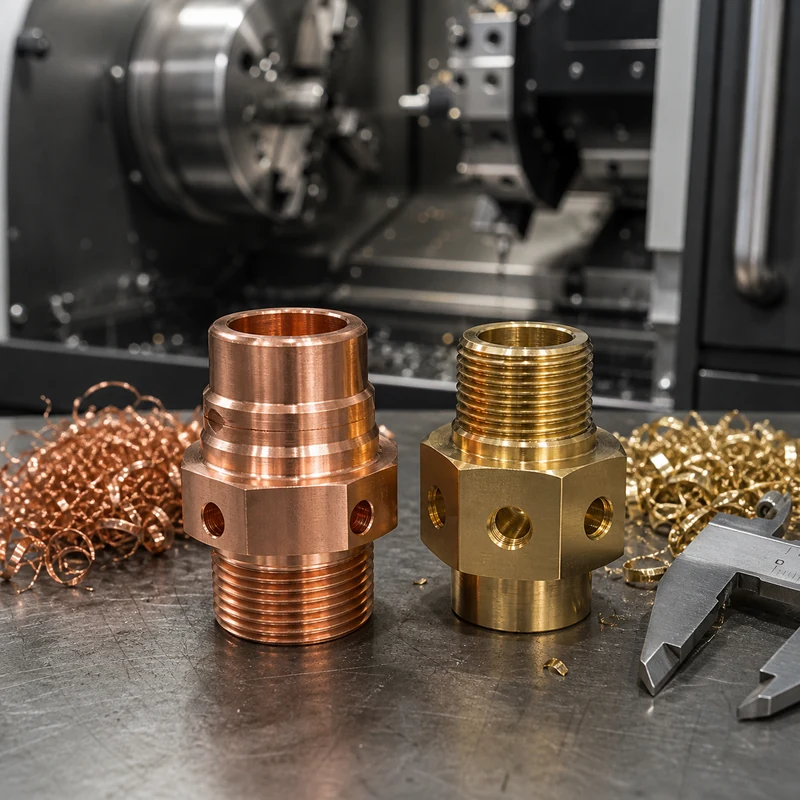
Categories
Surface Finishing

316 Stainless Steel Machining Guide for CNC Parts

316 stainless steel machining decisions should start with function, not with a generic machining label. Buyers get better results when they define how the part will be used, which dimensions control assembly, what material behavior matters, and how the supplier will inspect the finished work. For this topic, the important issues are corrosion-resistant stainless parts, work hardening, tooling, surface finish, and application checks. A capable supplier should be able to explain the process route, likely risk points, quotation assumptions, and inspection evidence before production begins.

Quick Answer

The practical answer is to match the drawing to a manufacturing route, then confirm material, tolerance, finish, quantity, and inspection before approving the order. If the part has mostly milled faces, pockets, slots, and holes, review stainless steel CNC machining material page. If it includes round features, shafts, bushings, or threads, include CNC metal machining capability in the discussion. For buyer-side risk control, ask how the shop will hold the part, which features are critical, and whether any finish or secondary process changes final dimensions.

Key Takeaways

  • Define the functional dimensions before asking suppliers to quote every feature as critical.
  • Send a 2D drawing with tolerance notes and a 3D model for programming reference.
  • Confirm material grade, heat condition, surface finish, and inspection report requirements early.
  • Ask the supplier to identify difficult features, tool access issues, and possible design changes.
  • Use sample approval or first article checks when the part is new, tight, cosmetic, or assembly-critical.

What Buyers Usually Need to Know

Most problems in custom machining come from unclear assumptions. A supplier may quote one setup while the buyer expects multiple controlled operations. A buyer may request a tight tolerance on the full drawing while only one bore or mounting face actually affects the assembly. For 316 stainless steel machining, the conversation should make those assumptions visible before the purchase order is issued.

The RFQ should include units, drawing revision, STEP file, material grade, quantity, surface finish, critical dimensions, and target delivery. When these details are missing, suppliers either pause the quote or make assumptions. A fast answer based on assumptions can look attractive, but it often creates rework later. A better supplier asks clear questions and records the answers.

Capability should be checked against the part shape. A shop with CNC turning service route may handle many related jobs, but the buyer still needs to know whether the part will be milled, turned, ground, cut by EDM, drilled, or finished by a partner. Process route clarity is the first sign that the quotation is built on real manufacturing thinking.

Buyer Question Why It Matters Useful Evidence
Which process will make the main features? Process choice affects setup count, accuracy, cost, and lead time Supplier explains milling, turning, EDM, grinding, drilling, or finishing route
Which dimensions are functional? Critical dimensions need better control than clearance or cosmetic areas Marked drawing, datum notes, inspection plan
Which material condition is required? Grade, temper, hardness, and stress condition change machining behavior Material certificate or written grade confirmation
What happens after machining? Deburring, anodizing, plating, polishing, or heat treatment can change size and appearance Finish specification and post-finish inspection method

Material and Process Considerations

Material changes cutting speed, tool wear, clamping force, burr behavior, and finishing results. Aluminum is usually easier to machine and finish, stainless steel needs more attention to heat and work hardening, brass and copper require careful burr and dent control, and engineering plastics can move under heat or clamping pressure. For 316 stainless steel machining, material selection should support the part’s function rather than only the lowest raw material price.

The process route should match both material and geometry. Deep pockets, small internal radii, long shafts, thin walls, fine threads, and cosmetic faces each require different planning. Buyers should ask whether the supplier sees any design feature that raises risk. If the supplier recommends a larger radius, a different stock size, or a changed tolerance, ask for the reason and the expected effect on cost and quality.

When finishing is required, discuss it before machining starts. Anodizing, plating, passivation, polishing, blasting, coating, and heat treatment may change dimensions, surface appearance, or edge condition. A controlled supplier will connect machining allowance, masking, inspection, and packaging rather than treating finishing as an afterthought. Relevant finishing choices can be checked through quality assurance process.

Tolerance, Surface Finish, and Quality Checks

Tolerance should be tied to function. A general tolerance may be enough for clearance edges, while a bearing diameter, threaded hole, sealing face, or locating surface may require a tighter limit and a clear datum. Buyers should avoid applying strict tolerance across the whole drawing unless the part truly requires it, because unnecessary precision raises cost and may increase rejection risk without improving performance.

Inspection should be planned before production. Calipers may be enough for noncritical outside dimensions, but bores, threads, flatness, profile, runout, and surface roughness often need gauges, micrometers, CMM checks, height gauges, pin gauges, or functional fit tests. For 316 stainless steel machining, ask which tool will verify each critical feature and whether the report covers first article, sampling, or full inspection.

Surface finish needs clear language. Words like smooth, clean, or nice are not enough when mating, sealing, sliding, corrosion, or appearance matters. Use Ra values where function requires them and visual notes where cosmetic faces matter. If finish follows machining, confirm whether dimensions are checked before or after finishing through surface treatment options.

Factor Typical Risk Practical Control
Tight tolerance Higher cost, slower machining, more inspection Apply tight limits only to functional features
Thin walls or deep pockets Vibration, distortion, tool reach limits Use larger radii, balanced walls, and realistic flatness notes
Cosmetic finish Color variation, handling marks, unclear acceptance Define visible faces and approve samples when needed
Repeat order Different lot, tool wear, undocumented changes Keep revision, process, and inspection records

Cost Factors and Quotation Details

Cost depends on more than part size. Setup time, programming, material stock, tooling, machine time, number of operations, inspection, finishing, packaging, and batch size all affect the final quote. A small part with deep features and tight tolerances can cost more than a larger simple plate. A large batch may justify fixture work that would not make sense for a one-off sample.

Buyers can improve quote accuracy by separating must-have requirements from preferences. State which features control assembly, which surfaces are cosmetic, which dimensions may follow general tolerance, and what report is required. If the supplier has to guess, the quote may change after technical review. Cost-focused topics can also be compared against CNC machine shop capability when drawing changes are possible.

Lead time should be broken down into material purchase, programming, setup, machining, finishing, inspection, packing, and shipment. Finishing and inspection often create delays that buyers do not see in a simple machine-time estimate. Ask for a realistic timeline and identify which step has the highest risk of delay.

Design Tips for Better Machining Results

Good design makes machining predictable. Use accessible features, practical internal radii, balanced wall thickness, clear datums, standard threads, and realistic hole depths. Avoid deep narrow pockets, very thin unsupported walls, tiny corner radii, and tight tolerances on nonfunctional features. These changes often lower cost while improving consistency.

For 316 stainless steel machining, design review should focus on corrosion-resistant stainless parts, work hardening, tooling, surface finish, and application checks. If a feature is difficult but not functional, simplify it. If a feature is critical, mark it clearly and allow the supplier to plan the correct process. Tool access, clamping surface, burr direction, and finishing allowance should be considered before the drawing is released.

When the part is still being developed, use prototype or low-volume stages to learn from the design. A sample can reveal fit issues, burr problems, coating changes, or tolerance conflicts. It is cheaper to update the drawing after a controlled sample than to repair a full batch after shipment.

Common Buyer Mistakes to Avoid

One common mistake is comparing prices without comparing assumptions. If one supplier includes material certification, surface treatment, inspection report, and protective packaging while another quotes machining only, the prices are not equivalent. Ask each supplier to state what is included and what is excluded.

Another mistake is sending only a 3D model. The model helps programming, but the drawing carries tolerances, threads, material notes, finish requirements, datum references, and revision control. For 316 stainless steel machining, a missing drawing often leads to arguments about what should have been inspected or finished.

Buyers also overlook packaging. Sharp edges, polished faces, threads, thin walls, and precision bores can be damaged after inspection if parts are packed loosely. Packaging method should match the part’s risk and should be confirmed before shipment, especially for export orders.

Supplier Selection Checklist

A useful supplier review is technical and specific. Ask for the process route, material confirmation, fixture concept, inspection method, finishing plan, and lead time breakdown. The supplier does not need to expose every internal detail, but it should be able to explain how risk will be controlled.

Checklist Item Good Response Warning Sign
Drawing review Supplier identifies critical dimensions and unclear notes Supplier quotes with no technical questions
Process fit Supplier explains setups and secondary operations Supplier only lists machines generally
Inspection plan Supplier names tools and report format Supplier says quality is checked without details
Revision control Supplier confirms file version and change process Supplier relies on informal messages

Specification Sheet to Request

Before production, request a simple specification sheet covering drawing revision, 3D file name, material grade, quantity, finish, tolerance notes, critical dimensions, inspection report, packaging, and delivery terms. This sheet keeps engineering, purchasing, quality, and supplier teams aligned.

For repeat orders, the same sheet prevents silent changes. If material stock, finish partner, inspection method, or packaging changes, the buyer can review the difference before shipment. This is especially important when 316 stainless steel machining parts are used in assemblies or ordered across several batches.

316 Stainless Steel Machining Deep-Dive Notes

The most important judgment for 316 stainless steel machining is knowing which requirement truly drives performance. If the part is a prototype, fast learning may matter more than cosmetic perfection. If it is a repeat production component, stable process control and inspection records may matter more than the fastest quote. If the part is visible to customers, handling and finishing should be planned with the same care as dimensions.

Suppliers should be encouraged to flag manufacturability issues. A larger internal radius, modified thread depth, adjusted wall thickness, or changed finish sequence can reduce cost and risk. The buyer should evaluate each suggestion based on function, assembly, cost, and schedule rather than accepting or rejecting changes automatically.

For higher-risk parts, use a first article approval step. Measure critical dimensions, test fit with mating parts, review burrs, check finish, and document any accepted deviations. Once the sample is approved, update the drawing or specification so production follows the approved standard. That discipline is what turns a one-time sample into a repeatable purchasing process.

Quotation review for 316 stainless steel machining should include a short risk discussion, not only a unit price. Ask the supplier which feature is most likely to drive cycle time, which tolerance is most difficult, whether the material is standard stock, and whether finishing or inspection creates a separate lead time. These answers help the buyer understand why two quotations may differ even when the drawing is the same.

Inspection planning should also separate first-piece approval from batch control. The first piece confirms that the program, fixture, material, and drawing interpretation are correct. Batch inspection confirms that the process stays stable as tools wear, operators change shifts, or material lots vary. For 316 stainless steel machining, both checks can matter when parts must fit an assembly or repeat across several orders.

Communication should be documented in a way that survives staff changes. If the buyer approves a larger corner radius, accepts a minor tool mark, changes a finish, or allows a substitute material, that decision should be written into the drawing, purchase specification, or deviation record. A message buried in a chat thread is easy to miss when the next batch is ordered.

Packaging and handling deserve a line in the purchase requirements. Precision parts can pass inspection and still arrive unusable if threads rub together, cosmetic faces are scratched, thin walls are bent, or moisture reaches bare steel. Ask for trays, separators, oil paper, caps, bags, or carton reinforcement where the part geometry justifies it. The right packaging method is part of the delivered quality, not an optional extra.

If the design is still changing, buyers should avoid locking a large batch too early. A small sample or pilot run can expose burrs, assembly interference, coating thickness issues, tolerance conflicts, or unexpected cost drivers. Once those details are corrected, the production batch becomes less risky. This staged approach is especially useful when 316 stainless steel machining parts combine tight dimensions with visible surfaces or secondary finishing.

Supplier capability should be judged by the questions the supplier asks. A useful supplier will ask about datums, mating parts, finish class, inspection reports, material grade, and delivery constraints. A weak supplier may simply agree to every requirement without explaining how it will be controlled. Buyers should prefer the partner who makes hidden risk visible before production starts.

Finally, keep a record of what worked. After an accepted order, save the final drawing, approved sample notes, inspection report, finish reference, packing photos, and supplier comments. The next order can then start from a known standard instead of repeating the same technical discussion. This habit improves repeatability and makes 316 stainless steel machining purchasing easier over time.

For acceptance, define what happens if only a noncritical feature is outside the drawing while the functional areas pass. Some buyers allow a documented deviation for prototypes or internal fixtures, while production parts may require rework or remake. Agreeing on this decision path before shipment makes 316 stainless steel machining projects easier to manage when small issues appear.

For scheduling, ask the supplier to identify the latest date for drawing freeze, material purchase, machining start, finishing release, inspection, and packing. A clear timeline helps the buyer understand which change requests are still practical and which ones will reset delivery. That clarity is often the difference between a controlled order and a rushed recovery.

Conclusion

316 stainless steel machining sourcing works best when buyers define function, material, tolerance, finish, inspection, and delivery expectations before production. The strongest supplier is not simply the one with the fastest quote; it is the one that can explain the manufacturing route, identify risks, and provide evidence that the finished parts match the drawing. Clear RFQ data and practical design decisions reduce cost, delays, and rework.

FAQ

What information should I send for 316 stainless steel machining?

Send a 2D drawing, STEP file, material grade, quantity, finish requirement, tolerance notes, critical dimensions, inspection report needs, and target delivery date.

How can I reduce cost without weakening the part?

Use practical tolerances, larger internal radii, accessible features, standard materials, and clear finish notes. Ask the supplier which design details add the most machine time.

When should I request a first article report?

Request it when the part is new, tight tolerance, cosmetic, assembly-critical, or used for repeat production. The report should focus on the dimensions and features that affect function.
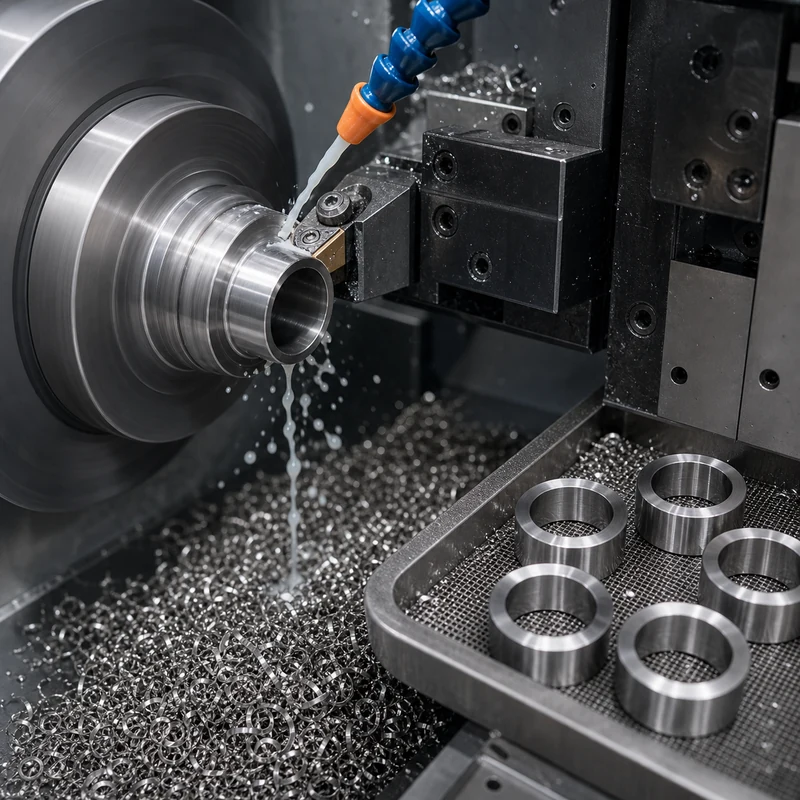
Categories
Surface Finishing

CNC Machining Cost per Hour Guide for Buyers

Cnc machining cost per hour decisions should start with function, not with a generic machining label. Buyers get better results when they define how the part will be used, which dimensions control assembly, what material behavior matters, and how the supplier will inspect the finished work. For this topic, the important issues are machine rate logic, labor, setup, equipment type, region differences, and quotation traps. A capable supplier should be able to explain the process route, likely risk points, quotation assumptions, and inspection evidence before production begins.

Quick Answer

The practical answer is to match the drawing to a manufacturing route, then confirm material, tolerance, finish, quantity, and inspection before approving the order. If the part has mostly milled faces, pockets, slots, and holes, review CNC milling service capability. If it includes round features, shafts, bushings, or threads, include CNC turning service capability in the discussion. For buyer-side risk control, ask how the shop will hold the part, which features are critical, and whether any finish or secondary process changes final dimensions.

Key Takeaways

  • Define the functional dimensions before asking suppliers to quote every feature as critical.
  • Send a 2D drawing with tolerance notes and a 3D model for programming reference.
  • Confirm material grade, heat condition, surface finish, and inspection report requirements early.
  • Ask the supplier to identify difficult features, tool access issues, and possible design changes.
  • Use sample approval or first article checks when the part is new, tight, cosmetic, or assembly-critical.

What Buyers Usually Need to Know

Most problems in custom machining come from unclear assumptions. A supplier may quote one setup while the buyer expects multiple controlled operations. A buyer may request a tight tolerance on the full drawing while only one bore or mounting face actually affects the assembly. For cnc machining cost per hour, the conversation should make those assumptions visible before the purchase order is issued.

The RFQ should include units, drawing revision, STEP file, material grade, quantity, surface finish, critical dimensions, and target delivery. When these details are missing, suppliers either pause the quote or make assumptions. A fast answer based on assumptions can look attractive, but it often creates rework later. A better supplier asks clear questions and records the answers.

Capability should be checked against the part shape. A shop with CNC metal machining capability may handle many related jobs, but the buyer still needs to know whether the part will be milled, turned, ground, cut by EDM, drilled, or finished by a partner. Process route clarity is the first sign that the quotation is built on real manufacturing thinking.

Buyer Question Why It Matters Useful Evidence
Which process will make the main features? Process choice affects setup count, accuracy, cost, and lead time Supplier explains milling, turning, EDM, grinding, drilling, or finishing route
Which dimensions are functional? Critical dimensions need better control than clearance or cosmetic areas Marked drawing, datum notes, inspection plan
Which material condition is required? Grade, temper, hardness, and stress condition change machining behavior Material certificate or written grade confirmation
What happens after machining? Deburring, anodizing, plating, polishing, or heat treatment can change size and appearance Finish specification and post-finish inspection method

Material and Process Considerations

Material changes cutting speed, tool wear, clamping force, burr behavior, and finishing results. Aluminum is usually easier to machine and finish, stainless steel needs more attention to heat and work hardening, brass and copper require careful burr and dent control, and engineering plastics can move under heat or clamping pressure. For cnc machining cost per hour, material selection should support the part’s function rather than only the lowest raw material price.

The process route should match both material and geometry. Deep pockets, small internal radii, long shafts, thin walls, fine threads, and cosmetic faces each require different planning. Buyers should ask whether the supplier sees any design feature that raises risk. If the supplier recommends a larger radius, a different stock size, or a changed tolerance, ask for the reason and the expected effect on cost and quality.

When finishing is required, discuss it before machining starts. Anodizing, plating, passivation, polishing, blasting, coating, and heat treatment may change dimensions, surface appearance, or edge condition. A controlled supplier will connect machining allowance, masking, inspection, and packaging rather than treating finishing as an afterthought. Relevant finishing choices can be checked through quality assurance process.

Tolerance, Surface Finish, and Quality Checks

Tolerance should be tied to function. A general tolerance may be enough for clearance edges, while a bearing diameter, threaded hole, sealing face, or locating surface may require a tighter limit and a clear datum. Buyers should avoid applying strict tolerance across the whole drawing unless the part truly requires it, because unnecessary precision raises cost and may increase rejection risk without improving performance.

Inspection should be planned before production. Calipers may be enough for noncritical outside dimensions, but bores, threads, flatness, profile, runout, and surface roughness often need gauges, micrometers, CMM checks, height gauges, pin gauges, or functional fit tests. For cnc machining cost per hour, ask which tool will verify each critical feature and whether the report covers first article, sampling, or full inspection.

Surface finish needs clear language. Words like smooth, clean, or nice are not enough when mating, sealing, sliding, corrosion, or appearance matters. Use Ra values where function requires them and visual notes where cosmetic faces matter. If finish follows machining, confirm whether dimensions are checked before or after finishing through surface treatment options.

Factor Typical Risk Practical Control
Tight tolerance Higher cost, slower machining, more inspection Apply tight limits only to functional features
Thin walls or deep pockets Vibration, distortion, tool reach limits Use larger radii, balanced walls, and realistic flatness notes
Cosmetic finish Color variation, handling marks, unclear acceptance Define visible faces and approve samples when needed
Repeat order Different lot, tool wear, undocumented changes Keep revision, process, and inspection records

Cost Factors and Quotation Details

Cost depends on more than part size. Setup time, programming, material stock, tooling, machine time, number of operations, inspection, finishing, packaging, and batch size all affect the final quote. A small part with deep features and tight tolerances can cost more than a larger simple plate. A large batch may justify fixture work that would not make sense for a one-off sample.

Buyers can improve quote accuracy by separating must-have requirements from preferences. State which features control assembly, which surfaces are cosmetic, which dimensions may follow general tolerance, and what report is required. If the supplier has to guess, the quote may change after technical review. Cost-focused topics can also be compared against CNC machine shop capability when drawing changes are possible.

Lead time should be broken down into material purchase, programming, setup, machining, finishing, inspection, packing, and shipment. Finishing and inspection often create delays that buyers do not see in a simple machine-time estimate. Ask for a realistic timeline and identify which step has the highest risk of delay.

Design Tips for Better Machining Results

Good design makes machining predictable. Use accessible features, practical internal radii, balanced wall thickness, clear datums, standard threads, and realistic hole depths. Avoid deep narrow pockets, very thin unsupported walls, tiny corner radii, and tight tolerances on nonfunctional features. These changes often lower cost while improving consistency.

For cnc machining cost per hour, design review should focus on machine rate logic, labor, setup, equipment type, region differences, and quotation traps. If a feature is difficult but not functional, simplify it. If a feature is critical, mark it clearly and allow the supplier to plan the correct process. Tool access, clamping surface, burr direction, and finishing allowance should be considered before the drawing is released.

When the part is still being developed, use prototype or low-volume stages to learn from the design. A sample can reveal fit issues, burr problems, coating changes, or tolerance conflicts. It is cheaper to update the drawing after a controlled sample than to repair a full batch after shipment.

Common Buyer Mistakes to Avoid

One common mistake is comparing prices without comparing assumptions. If one supplier includes material certification, surface treatment, inspection report, and protective packaging while another quotes machining only, the prices are not equivalent. Ask each supplier to state what is included and what is excluded.

Another mistake is sending only a 3D model. The model helps programming, but the drawing carries tolerances, threads, material notes, finish requirements, datum references, and revision control. For cnc machining cost per hour, a missing drawing often leads to arguments about what should have been inspected or finished.

Buyers also overlook packaging. Sharp edges, polished faces, threads, thin walls, and precision bores can be damaged after inspection if parts are packed loosely. Packaging method should match the part’s risk and should be confirmed before shipment, especially for export orders.

Supplier Selection Checklist

A useful supplier review is technical and specific. Ask for the process route, material confirmation, fixture concept, inspection method, finishing plan, and lead time breakdown. The supplier does not need to expose every internal detail, but it should be able to explain how risk will be controlled.

Checklist Item Good Response Warning Sign
Drawing review Supplier identifies critical dimensions and unclear notes Supplier quotes with no technical questions
Process fit Supplier explains setups and secondary operations Supplier only lists machines generally
Inspection plan Supplier names tools and report format Supplier says quality is checked without details
Revision control Supplier confirms file version and change process Supplier relies on informal messages

Specification Sheet to Request

Before production, request a simple specification sheet covering drawing revision, 3D file name, material grade, quantity, finish, tolerance notes, critical dimensions, inspection report, packaging, and delivery terms. This sheet keeps engineering, purchasing, quality, and supplier teams aligned.

For repeat orders, the same sheet prevents silent changes. If material stock, finish partner, inspection method, or packaging changes, the buyer can review the difference before shipment. This is especially important when cnc machining cost per hour parts are used in assemblies or ordered across several batches.

CNC Machining Cost per Hour Deep-Dive Notes

The most important judgment for cnc machining cost per hour is knowing which requirement truly drives performance. If the part is a prototype, fast learning may matter more than cosmetic perfection. If it is a repeat production component, stable process control and inspection records may matter more than the fastest quote. If the part is visible to customers, handling and finishing should be planned with the same care as dimensions.

Suppliers should be encouraged to flag manufacturability issues. A larger internal radius, modified thread depth, adjusted wall thickness, or changed finish sequence can reduce cost and risk. The buyer should evaluate each suggestion based on function, assembly, cost, and schedule rather than accepting or rejecting changes automatically.

For higher-risk parts, use a first article approval step. Measure critical dimensions, test fit with mating parts, review burrs, check finish, and document any accepted deviations. Once the sample is approved, update the drawing or specification so production follows the approved standard. That discipline is what turns a one-time sample into a repeatable purchasing process.

Quotation review for cnc machining cost per hour should include a short risk discussion, not only a unit price. Ask the supplier which feature is most likely to drive cycle time, which tolerance is most difficult, whether the material is standard stock, and whether finishing or inspection creates a separate lead time. These answers help the buyer understand why two quotations may differ even when the drawing is the same.

Inspection planning should also separate first-piece approval from batch control. The first piece confirms that the program, fixture, material, and drawing interpretation are correct. Batch inspection confirms that the process stays stable as tools wear, operators change shifts, or material lots vary. For cnc machining cost per hour, both checks can matter when parts must fit an assembly or repeat across several orders.

Communication should be documented in a way that survives staff changes. If the buyer approves a larger corner radius, accepts a minor tool mark, changes a finish, or allows a substitute material, that decision should be written into the drawing, purchase specification, or deviation record. A message buried in a chat thread is easy to miss when the next batch is ordered.

Packaging and handling deserve a line in the purchase requirements. Precision parts can pass inspection and still arrive unusable if threads rub together, cosmetic faces are scratched, thin walls are bent, or moisture reaches bare steel. Ask for trays, separators, oil paper, caps, bags, or carton reinforcement where the part geometry justifies it. The right packaging method is part of the delivered quality, not an optional extra.

If the design is still changing, buyers should avoid locking a large batch too early. A small sample or pilot run can expose burrs, assembly interference, coating thickness issues, tolerance conflicts, or unexpected cost drivers. Once those details are corrected, the production batch becomes less risky. This staged approach is especially useful when cnc machining cost per hour parts combine tight dimensions with visible surfaces or secondary finishing.

Supplier capability should be judged by the questions the supplier asks. A useful supplier will ask about datums, mating parts, finish class, inspection reports, material grade, and delivery constraints. A weak supplier may simply agree to every requirement without explaining how it will be controlled. Buyers should prefer the partner who makes hidden risk visible before production starts.

Finally, keep a record of what worked. After an accepted order, save the final drawing, approved sample notes, inspection report, finish reference, packing photos, and supplier comments. The next order can then start from a known standard instead of repeating the same technical discussion. This habit improves repeatability and makes cnc machining cost per hour purchasing easier over time.

For acceptance, define what happens if only a noncritical feature is outside the drawing while the functional areas pass. Some buyers allow a documented deviation for prototypes or internal fixtures, while production parts may require rework or remake. Agreeing on this decision path before shipment makes cnc machining cost per hour projects easier to manage when small issues appear.

For scheduling, ask the supplier to identify the latest date for drawing freeze, material purchase, machining start, finishing release, inspection, and packing. A clear timeline helps the buyer understand which change requests are still practical and which ones will reset delivery. That clarity is often the difference between a controlled order and a rushed recovery.

Conclusion

Cnc machining cost per hour sourcing works best when buyers define function, material, tolerance, finish, inspection, and delivery expectations before production. The strongest supplier is not simply the one with the fastest quote; it is the one that can explain the manufacturing route, identify risks, and provide evidence that the finished parts match the drawing. Clear RFQ data and practical design decisions reduce cost, delays, and rework.

FAQ

What information should I send for cnc machining cost per hour?

Send a 2D drawing, STEP file, material grade, quantity, finish requirement, tolerance notes, critical dimensions, inspection report needs, and target delivery date.

How can I reduce cost without weakening the part?

Use practical tolerances, larger internal radii, accessible features, standard materials, and clear finish notes. Ask the supplier which design details add the most machine time.

When should I request a first article report?

Request it when the part is new, tight tolerance, cosmetic, assembly-critical, or used for repeat production. The report should focus on the dimensions and features that affect function.
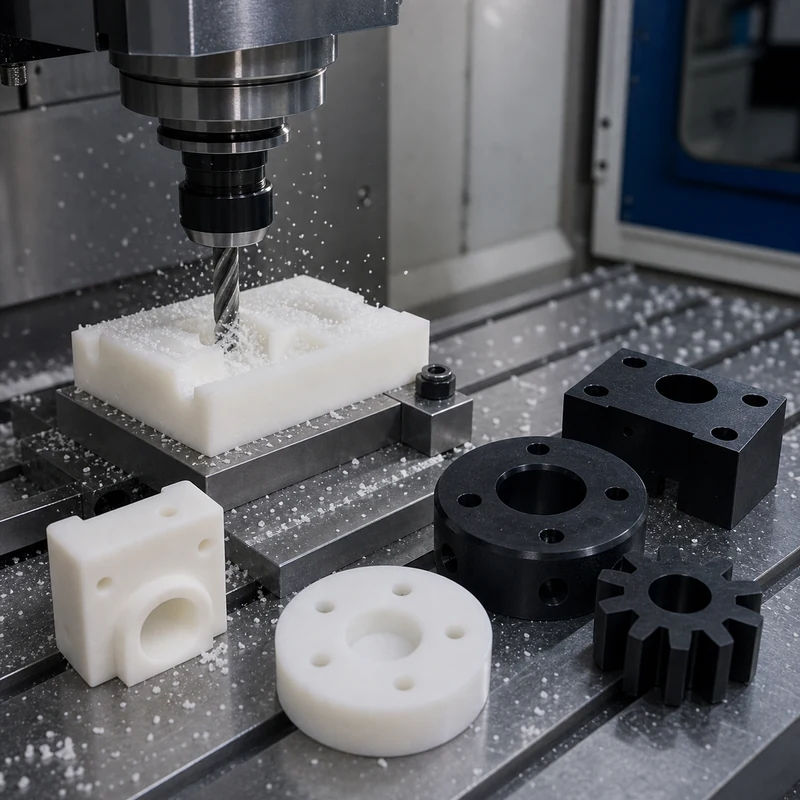
Categories
Surface Finishing

Design for CNC Machining Guide to Lower Cost and Risk

Design for cnc machining decisions should start with function, not with a generic machining label. Buyers get better results when they define how the part will be used, which dimensions control assembly, what material behavior matters, and how the supplier will inspect the finished work. For this topic, the important issues are corner radius, hole depth, wall thickness, threads, tool access, fixture surfaces, and cost reduction. A capable supplier should be able to explain the process route, likely risk points, quotation assumptions, and inspection evidence before production begins.

Quick Answer

The practical answer is to match the drawing to a manufacturing route, then confirm material, tolerance, finish, quantity, and inspection before approving the order. If the part has mostly milled faces, pockets, slots, and holes, review CNC milling service capability. If it includes round features, shafts, bushings, or threads, include CNC turning service capability in the discussion. For buyer-side risk control, ask how the shop will hold the part, which features are critical, and whether any finish or secondary process changes final dimensions.

Key Takeaways

  • Define the functional dimensions before asking suppliers to quote every feature as critical.
  • Send a 2D drawing with tolerance notes and a 3D model for programming reference.
  • Confirm material grade, heat condition, surface finish, and inspection report requirements early.
  • Ask the supplier to identify difficult features, tool access issues, and possible design changes.
  • Use sample approval or first article checks when the part is new, tight, cosmetic, or assembly-critical.

What Buyers Usually Need to Know

Most problems in custom machining come from unclear assumptions. A supplier may quote one setup while the buyer expects multiple controlled operations. A buyer may request a tight tolerance on the full drawing while only one bore or mounting face actually affects the assembly. For design for cnc machining, the conversation should make those assumptions visible before the purchase order is issued.

The RFQ should include units, drawing revision, STEP file, material grade, quantity, surface finish, critical dimensions, and target delivery. When these details are missing, suppliers either pause the quote or make assumptions. A fast answer based on assumptions can look attractive, but it often creates rework later. A better supplier asks clear questions and records the answers.

Capability should be checked against the part shape. A shop with CNC metal machining capability may handle many related jobs, but the buyer still needs to know whether the part will be milled, turned, ground, cut by EDM, drilled, or finished by a partner. Process route clarity is the first sign that the quotation is built on real manufacturing thinking.

Buyer Question Why It Matters Useful Evidence
Which process will make the main features? Process choice affects setup count, accuracy, cost, and lead time Supplier explains milling, turning, EDM, grinding, drilling, or finishing route
Which dimensions are functional? Critical dimensions need better control than clearance or cosmetic areas Marked drawing, datum notes, inspection plan
Which material condition is required? Grade, temper, hardness, and stress condition change machining behavior Material certificate or written grade confirmation
What happens after machining? Deburring, anodizing, plating, polishing, or heat treatment can change size and appearance Finish specification and post-finish inspection method

Material and Process Considerations

Material changes cutting speed, tool wear, clamping force, burr behavior, and finishing results. Aluminum is usually easier to machine and finish, stainless steel needs more attention to heat and work hardening, brass and copper require careful burr and dent control, and engineering plastics can move under heat or clamping pressure. For design for cnc machining, material selection should support the part’s function rather than only the lowest raw material price.

The process route should match both material and geometry. Deep pockets, small internal radii, long shafts, thin walls, fine threads, and cosmetic faces each require different planning. Buyers should ask whether the supplier sees any design feature that raises risk. If the supplier recommends a larger radius, a different stock size, or a changed tolerance, ask for the reason and the expected effect on cost and quality.

When finishing is required, discuss it before machining starts. Anodizing, plating, passivation, polishing, blasting, coating, and heat treatment may change dimensions, surface appearance, or edge condition. A controlled supplier will connect machining allowance, masking, inspection, and packaging rather than treating finishing as an afterthought. Relevant finishing choices can be checked through quality assurance process.

Tolerance, Surface Finish, and Quality Checks

Tolerance should be tied to function. A general tolerance may be enough for clearance edges, while a bearing diameter, threaded hole, sealing face, or locating surface may require a tighter limit and a clear datum. Buyers should avoid applying strict tolerance across the whole drawing unless the part truly requires it, because unnecessary precision raises cost and may increase rejection risk without improving performance.

Inspection should be planned before production. Calipers may be enough for noncritical outside dimensions, but bores, threads, flatness, profile, runout, and surface roughness often need gauges, micrometers, CMM checks, height gauges, pin gauges, or functional fit tests. For design for cnc machining, ask which tool will verify each critical feature and whether the report covers first article, sampling, or full inspection.

Surface finish needs clear language. Words like smooth, clean, or nice are not enough when mating, sealing, sliding, corrosion, or appearance matters. Use Ra values where function requires them and visual notes where cosmetic faces matter. If finish follows machining, confirm whether dimensions are checked before or after finishing through surface treatment options.

Factor Typical Risk Practical Control
Tight tolerance Higher cost, slower machining, more inspection Apply tight limits only to functional features
Thin walls or deep pockets Vibration, distortion, tool reach limits Use larger radii, balanced walls, and realistic flatness notes
Cosmetic finish Color variation, handling marks, unclear acceptance Define visible faces and approve samples when needed
Repeat order Different lot, tool wear, undocumented changes Keep revision, process, and inspection records

Cost Factors and Quotation Details

Cost depends on more than part size. Setup time, programming, material stock, tooling, machine time, number of operations, inspection, finishing, packaging, and batch size all affect the final quote. A small part with deep features and tight tolerances can cost more than a larger simple plate. A large batch may justify fixture work that would not make sense for a one-off sample.

Buyers can improve quote accuracy by separating must-have requirements from preferences. State which features control assembly, which surfaces are cosmetic, which dimensions may follow general tolerance, and what report is required. If the supplier has to guess, the quote may change after technical review. Cost-focused topics can also be compared against CNC machine shop capability when drawing changes are possible.

Lead time should be broken down into material purchase, programming, setup, machining, finishing, inspection, packing, and shipment. Finishing and inspection often create delays that buyers do not see in a simple machine-time estimate. Ask for a realistic timeline and identify which step has the highest risk of delay.

Design Tips for Better Machining Results

Good design makes machining predictable. Use accessible features, practical internal radii, balanced wall thickness, clear datums, standard threads, and realistic hole depths. Avoid deep narrow pockets, very thin unsupported walls, tiny corner radii, and tight tolerances on nonfunctional features. These changes often lower cost while improving consistency.

For design for cnc machining, design review should focus on corner radius, hole depth, wall thickness, threads, tool access, fixture surfaces, and cost reduction. If a feature is difficult but not functional, simplify it. If a feature is critical, mark it clearly and allow the supplier to plan the correct process. Tool access, clamping surface, burr direction, and finishing allowance should be considered before the drawing is released.

When the part is still being developed, use prototype or low-volume stages to learn from the design. A sample can reveal fit issues, burr problems, coating changes, or tolerance conflicts. It is cheaper to update the drawing after a controlled sample than to repair a full batch after shipment.

Common Buyer Mistakes to Avoid

One common mistake is comparing prices without comparing assumptions. If one supplier includes material certification, surface treatment, inspection report, and protective packaging while another quotes machining only, the prices are not equivalent. Ask each supplier to state what is included and what is excluded.

Another mistake is sending only a 3D model. The model helps programming, but the drawing carries tolerances, threads, material notes, finish requirements, datum references, and revision control. For design for cnc machining, a missing drawing often leads to arguments about what should have been inspected or finished.

Buyers also overlook packaging. Sharp edges, polished faces, threads, thin walls, and precision bores can be damaged after inspection if parts are packed loosely. Packaging method should match the part’s risk and should be confirmed before shipment, especially for export orders.

Supplier Selection Checklist

A useful supplier review is technical and specific. Ask for the process route, material confirmation, fixture concept, inspection method, finishing plan, and lead time breakdown. The supplier does not need to expose every internal detail, but it should be able to explain how risk will be controlled.

Checklist Item Good Response Warning Sign
Drawing review Supplier identifies critical dimensions and unclear notes Supplier quotes with no technical questions
Process fit Supplier explains setups and secondary operations Supplier only lists machines generally
Inspection plan Supplier names tools and report format Supplier says quality is checked without details
Revision control Supplier confirms file version and change process Supplier relies on informal messages

Specification Sheet to Request

Before production, request a simple specification sheet covering drawing revision, 3D file name, material grade, quantity, finish, tolerance notes, critical dimensions, inspection report, packaging, and delivery terms. This sheet keeps engineering, purchasing, quality, and supplier teams aligned.

For repeat orders, the same sheet prevents silent changes. If material stock, finish partner, inspection method, or packaging changes, the buyer can review the difference before shipment. This is especially important when design for cnc machining parts are used in assemblies or ordered across several batches.

Design for CNC Machining Deep-Dive Notes

The most important judgment for design for cnc machining is knowing which requirement truly drives performance. If the part is a prototype, fast learning may matter more than cosmetic perfection. If it is a repeat production component, stable process control and inspection records may matter more than the fastest quote. If the part is visible to customers, handling and finishing should be planned with the same care as dimensions.

Suppliers should be encouraged to flag manufacturability issues. A larger internal radius, modified thread depth, adjusted wall thickness, or changed finish sequence can reduce cost and risk. The buyer should evaluate each suggestion based on function, assembly, cost, and schedule rather than accepting or rejecting changes automatically.

For higher-risk parts, use a first article approval step. Measure critical dimensions, test fit with mating parts, review burrs, check finish, and document any accepted deviations. Once the sample is approved, update the drawing or specification so production follows the approved standard. That discipline is what turns a one-time sample into a repeatable purchasing process.

Quotation review for design for cnc machining should include a short risk discussion, not only a unit price. Ask the supplier which feature is most likely to drive cycle time, which tolerance is most difficult, whether the material is standard stock, and whether finishing or inspection creates a separate lead time. These answers help the buyer understand why two quotations may differ even when the drawing is the same.

Inspection planning should also separate first-piece approval from batch control. The first piece confirms that the program, fixture, material, and drawing interpretation are correct. Batch inspection confirms that the process stays stable as tools wear, operators change shifts, or material lots vary. For design for cnc machining, both checks can matter when parts must fit an assembly or repeat across several orders.

Communication should be documented in a way that survives staff changes. If the buyer approves a larger corner radius, accepts a minor tool mark, changes a finish, or allows a substitute material, that decision should be written into the drawing, purchase specification, or deviation record. A message buried in a chat thread is easy to miss when the next batch is ordered.

Packaging and handling deserve a line in the purchase requirements. Precision parts can pass inspection and still arrive unusable if threads rub together, cosmetic faces are scratched, thin walls are bent, or moisture reaches bare steel. Ask for trays, separators, oil paper, caps, bags, or carton reinforcement where the part geometry justifies it. The right packaging method is part of the delivered quality, not an optional extra.

If the design is still changing, buyers should avoid locking a large batch too early. A small sample or pilot run can expose burrs, assembly interference, coating thickness issues, tolerance conflicts, or unexpected cost drivers. Once those details are corrected, the production batch becomes less risky. This staged approach is especially useful when design for cnc machining parts combine tight dimensions with visible surfaces or secondary finishing.

Supplier capability should be judged by the questions the supplier asks. A useful supplier will ask about datums, mating parts, finish class, inspection reports, material grade, and delivery constraints. A weak supplier may simply agree to every requirement without explaining how it will be controlled. Buyers should prefer the partner who makes hidden risk visible before production starts.

Finally, keep a record of what worked. After an accepted order, save the final drawing, approved sample notes, inspection report, finish reference, packing photos, and supplier comments. The next order can then start from a known standard instead of repeating the same technical discussion. This habit improves repeatability and makes design for cnc machining purchasing easier over time.

For acceptance, define what happens if only a noncritical feature is outside the drawing while the functional areas pass. Some buyers allow a documented deviation for prototypes or internal fixtures, while production parts may require rework or remake. Agreeing on this decision path before shipment makes design for cnc machining projects easier to manage when small issues appear.

For scheduling, ask the supplier to identify the latest date for drawing freeze, material purchase, machining start, finishing release, inspection, and packing. A clear timeline helps the buyer understand which change requests are still practical and which ones will reset delivery. That clarity is often the difference between a controlled order and a rushed recovery.

Conclusion

Design for cnc machining sourcing works best when buyers define function, material, tolerance, finish, inspection, and delivery expectations before production. The strongest supplier is not simply the one with the fastest quote; it is the one that can explain the manufacturing route, identify risks, and provide evidence that the finished parts match the drawing. Clear RFQ data and practical design decisions reduce cost, delays, and rework.

FAQ

What information should I send for design for cnc machining?

Send a 2D drawing, STEP file, material grade, quantity, finish requirement, tolerance notes, critical dimensions, inspection report needs, and target delivery date.

How can I reduce cost without weakening the part?

Use practical tolerances, larger internal radii, accessible features, standard materials, and clear finish notes. Ask the supplier which design details add the most machine time.

When should I request a first article report?

Request it when the part is new, tight tolerance, cosmetic, assembly-critical, or used for repeat production. The report should focus on the dimensions and features that affect function.
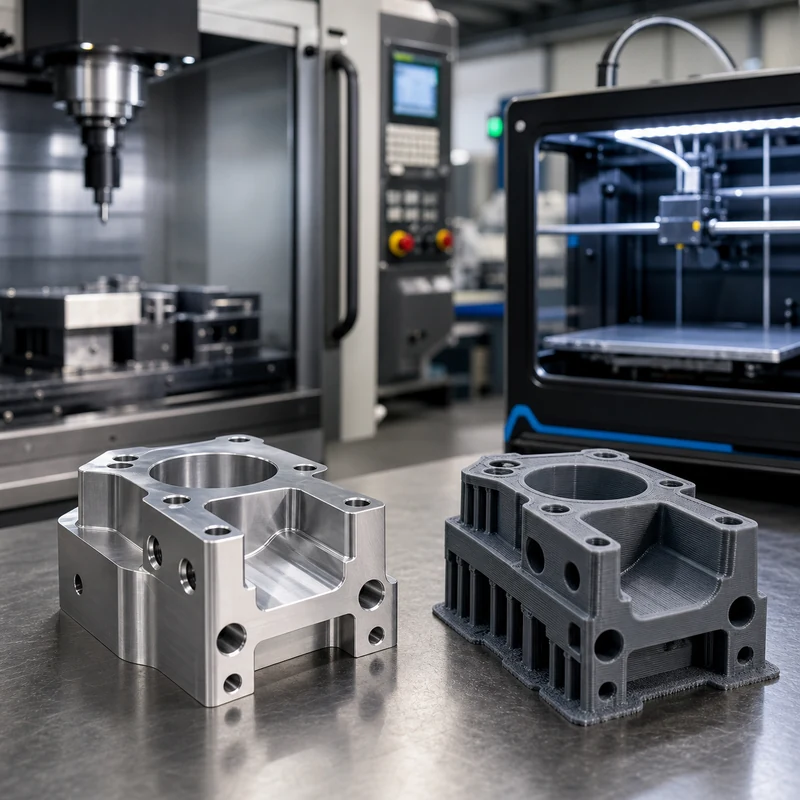
Categories
Surface Finishing

CNC Machining Lead Time Guide for Custom Parts

Cnc machining lead time decisions should start with function, not with a generic machining label. Buyers get better results when they define how the part will be used, which dimensions control assembly, what material behavior matters, and how the supplier will inspect the finished work. For this topic, the important issues are material sourcing, programming, machining, finishing, inspection, packaging, and shipping timeline. A capable supplier should be able to explain the process route, likely risk points, quotation assumptions, and inspection evidence before production begins.

Quick Answer

The practical answer is to match the drawing to a manufacturing route, then confirm material, tolerance, finish, quantity, and inspection before approving the order. If the part has mostly milled faces, pockets, slots, and holes, review CNC milling service capability. If it includes round features, shafts, bushings, or threads, include CNC turning service capability in the discussion. For buyer-side risk control, ask how the shop will hold the part, which features are critical, and whether any finish or secondary process changes final dimensions.

Key Takeaways

  • Define the functional dimensions before asking suppliers to quote every feature as critical.
  • Send a 2D drawing with tolerance notes and a 3D model for programming reference.
  • Confirm material grade, heat condition, surface finish, and inspection report requirements early.
  • Ask the supplier to identify difficult features, tool access issues, and possible design changes.
  • Use sample approval or first article checks when the part is new, tight, cosmetic, or assembly-critical.

What Buyers Usually Need to Know

Most problems in custom machining come from unclear assumptions. A supplier may quote one setup while the buyer expects multiple controlled operations. A buyer may request a tight tolerance on the full drawing while only one bore or mounting face actually affects the assembly. For cnc machining lead time, the conversation should make those assumptions visible before the purchase order is issued.

The RFQ should include units, drawing revision, STEP file, material grade, quantity, surface finish, critical dimensions, and target delivery. When these details are missing, suppliers either pause the quote or make assumptions. A fast answer based on assumptions can look attractive, but it often creates rework later. A better supplier asks clear questions and records the answers.

Capability should be checked against the part shape. A shop with CNC metal machining capability may handle many related jobs, but the buyer still needs to know whether the part will be milled, turned, ground, cut by EDM, drilled, or finished by a partner. Process route clarity is the first sign that the quotation is built on real manufacturing thinking.

Buyer Question Why It Matters Useful Evidence
Which process will make the main features? Process choice affects setup count, accuracy, cost, and lead time Supplier explains milling, turning, EDM, grinding, drilling, or finishing route
Which dimensions are functional? Critical dimensions need better control than clearance or cosmetic areas Marked drawing, datum notes, inspection plan
Which material condition is required? Grade, temper, hardness, and stress condition change machining behavior Material certificate or written grade confirmation
What happens after machining? Deburring, anodizing, plating, polishing, or heat treatment can change size and appearance Finish specification and post-finish inspection method

Material and Process Considerations

Material changes cutting speed, tool wear, clamping force, burr behavior, and finishing results. Aluminum is usually easier to machine and finish, stainless steel needs more attention to heat and work hardening, brass and copper require careful burr and dent control, and engineering plastics can move under heat or clamping pressure. For cnc machining lead time, material selection should support the part’s function rather than only the lowest raw material price.

The process route should match both material and geometry. Deep pockets, small internal radii, long shafts, thin walls, fine threads, and cosmetic faces each require different planning. Buyers should ask whether the supplier sees any design feature that raises risk. If the supplier recommends a larger radius, a different stock size, or a changed tolerance, ask for the reason and the expected effect on cost and quality.

When finishing is required, discuss it before machining starts. Anodizing, plating, passivation, polishing, blasting, coating, and heat treatment may change dimensions, surface appearance, or edge condition. A controlled supplier will connect machining allowance, masking, inspection, and packaging rather than treating finishing as an afterthought. Relevant finishing choices can be checked through quality assurance process.

Tolerance, Surface Finish, and Quality Checks

Tolerance should be tied to function. A general tolerance may be enough for clearance edges, while a bearing diameter, threaded hole, sealing face, or locating surface may require a tighter limit and a clear datum. Buyers should avoid applying strict tolerance across the whole drawing unless the part truly requires it, because unnecessary precision raises cost and may increase rejection risk without improving performance.

Inspection should be planned before production. Calipers may be enough for noncritical outside dimensions, but bores, threads, flatness, profile, runout, and surface roughness often need gauges, micrometers, CMM checks, height gauges, pin gauges, or functional fit tests. For cnc machining lead time, ask which tool will verify each critical feature and whether the report covers first article, sampling, or full inspection.

Surface finish needs clear language. Words like smooth, clean, or nice are not enough when mating, sealing, sliding, corrosion, or appearance matters. Use Ra values where function requires them and visual notes where cosmetic faces matter. If finish follows machining, confirm whether dimensions are checked before or after finishing through surface treatment options.

Factor Typical Risk Practical Control
Tight tolerance Higher cost, slower machining, more inspection Apply tight limits only to functional features
Thin walls or deep pockets Vibration, distortion, tool reach limits Use larger radii, balanced walls, and realistic flatness notes
Cosmetic finish Color variation, handling marks, unclear acceptance Define visible faces and approve samples when needed
Repeat order Different lot, tool wear, undocumented changes Keep revision, process, and inspection records

Cost Factors and Quotation Details

Cost depends on more than part size. Setup time, programming, material stock, tooling, machine time, number of operations, inspection, finishing, packaging, and batch size all affect the final quote. A small part with deep features and tight tolerances can cost more than a larger simple plate. A large batch may justify fixture work that would not make sense for a one-off sample.

Buyers can improve quote accuracy by separating must-have requirements from preferences. State which features control assembly, which surfaces are cosmetic, which dimensions may follow general tolerance, and what report is required. If the supplier has to guess, the quote may change after technical review. Cost-focused topics can also be compared against CNC machine shop capability when drawing changes are possible.

Lead time should be broken down into material purchase, programming, setup, machining, finishing, inspection, packing, and shipment. Finishing and inspection often create delays that buyers do not see in a simple machine-time estimate. Ask for a realistic timeline and identify which step has the highest risk of delay.

Design Tips for Better Machining Results

Good design makes machining predictable. Use accessible features, practical internal radii, balanced wall thickness, clear datums, standard threads, and realistic hole depths. Avoid deep narrow pockets, very thin unsupported walls, tiny corner radii, and tight tolerances on nonfunctional features. These changes often lower cost while improving consistency.

For cnc machining lead time, design review should focus on material sourcing, programming, machining, finishing, inspection, packaging, and shipping timeline. If a feature is difficult but not functional, simplify it. If a feature is critical, mark it clearly and allow the supplier to plan the correct process. Tool access, clamping surface, burr direction, and finishing allowance should be considered before the drawing is released.

When the part is still being developed, use prototype or low-volume stages to learn from the design. A sample can reveal fit issues, burr problems, coating changes, or tolerance conflicts. It is cheaper to update the drawing after a controlled sample than to repair a full batch after shipment.

Common Buyer Mistakes to Avoid

One common mistake is comparing prices without comparing assumptions. If one supplier includes material certification, surface treatment, inspection report, and protective packaging while another quotes machining only, the prices are not equivalent. Ask each supplier to state what is included and what is excluded.

Another mistake is sending only a 3D model. The model helps programming, but the drawing carries tolerances, threads, material notes, finish requirements, datum references, and revision control. For cnc machining lead time, a missing drawing often leads to arguments about what should have been inspected or finished.

Buyers also overlook packaging. Sharp edges, polished faces, threads, thin walls, and precision bores can be damaged after inspection if parts are packed loosely. Packaging method should match the part’s risk and should be confirmed before shipment, especially for export orders.

Supplier Selection Checklist

A useful supplier review is technical and specific. Ask for the process route, material confirmation, fixture concept, inspection method, finishing plan, and lead time breakdown. The supplier does not need to expose every internal detail, but it should be able to explain how risk will be controlled.

Checklist Item Good Response Warning Sign
Drawing review Supplier identifies critical dimensions and unclear notes Supplier quotes with no technical questions
Process fit Supplier explains setups and secondary operations Supplier only lists machines generally
Inspection plan Supplier names tools and report format Supplier says quality is checked without details
Revision control Supplier confirms file version and change process Supplier relies on informal messages

Specification Sheet to Request

Before production, request a simple specification sheet covering drawing revision, 3D file name, material grade, quantity, finish, tolerance notes, critical dimensions, inspection report, packaging, and delivery terms. This sheet keeps engineering, purchasing, quality, and supplier teams aligned.

For repeat orders, the same sheet prevents silent changes. If material stock, finish partner, inspection method, or packaging changes, the buyer can review the difference before shipment. This is especially important when cnc machining lead time parts are used in assemblies or ordered across several batches.

CNC Machining Lead Time Deep-Dive Notes

The most important judgment for cnc machining lead time is knowing which requirement truly drives performance. If the part is a prototype, fast learning may matter more than cosmetic perfection. If it is a repeat production component, stable process control and inspection records may matter more than the fastest quote. If the part is visible to customers, handling and finishing should be planned with the same care as dimensions.

Suppliers should be encouraged to flag manufacturability issues. A larger internal radius, modified thread depth, adjusted wall thickness, or changed finish sequence can reduce cost and risk. The buyer should evaluate each suggestion based on function, assembly, cost, and schedule rather than accepting or rejecting changes automatically.

For higher-risk parts, use a first article approval step. Measure critical dimensions, test fit with mating parts, review burrs, check finish, and document any accepted deviations. Once the sample is approved, update the drawing or specification so production follows the approved standard. That discipline is what turns a one-time sample into a repeatable purchasing process.

Quotation review for cnc machining lead time should include a short risk discussion, not only a unit price. Ask the supplier which feature is most likely to drive cycle time, which tolerance is most difficult, whether the material is standard stock, and whether finishing or inspection creates a separate lead time. These answers help the buyer understand why two quotations may differ even when the drawing is the same.

Inspection planning should also separate first-piece approval from batch control. The first piece confirms that the program, fixture, material, and drawing interpretation are correct. Batch inspection confirms that the process stays stable as tools wear, operators change shifts, or material lots vary. For cnc machining lead time, both checks can matter when parts must fit an assembly or repeat across several orders.

Communication should be documented in a way that survives staff changes. If the buyer approves a larger corner radius, accepts a minor tool mark, changes a finish, or allows a substitute material, that decision should be written into the drawing, purchase specification, or deviation record. A message buried in a chat thread is easy to miss when the next batch is ordered.

Packaging and handling deserve a line in the purchase requirements. Precision parts can pass inspection and still arrive unusable if threads rub together, cosmetic faces are scratched, thin walls are bent, or moisture reaches bare steel. Ask for trays, separators, oil paper, caps, bags, or carton reinforcement where the part geometry justifies it. The right packaging method is part of the delivered quality, not an optional extra.

If the design is still changing, buyers should avoid locking a large batch too early. A small sample or pilot run can expose burrs, assembly interference, coating thickness issues, tolerance conflicts, or unexpected cost drivers. Once those details are corrected, the production batch becomes less risky. This staged approach is especially useful when cnc machining lead time parts combine tight dimensions with visible surfaces or secondary finishing.

Supplier capability should be judged by the questions the supplier asks. A useful supplier will ask about datums, mating parts, finish class, inspection reports, material grade, and delivery constraints. A weak supplier may simply agree to every requirement without explaining how it will be controlled. Buyers should prefer the partner who makes hidden risk visible before production starts.

Finally, keep a record of what worked. After an accepted order, save the final drawing, approved sample notes, inspection report, finish reference, packing photos, and supplier comments. The next order can then start from a known standard instead of repeating the same technical discussion. This habit improves repeatability and makes cnc machining lead time purchasing easier over time.

For acceptance, define what happens if only a noncritical feature is outside the drawing while the functional areas pass. Some buyers allow a documented deviation for prototypes or internal fixtures, while production parts may require rework or remake. Agreeing on this decision path before shipment makes cnc machining lead time projects easier to manage when small issues appear.

For scheduling, ask the supplier to identify the latest date for drawing freeze, material purchase, machining start, finishing release, inspection, and packing. A clear timeline helps the buyer understand which change requests are still practical and which ones will reset delivery. That clarity is often the difference between a controlled order and a rushed recovery.

Conclusion

Cnc machining lead time sourcing works best when buyers define function, material, tolerance, finish, inspection, and delivery expectations before production. The strongest supplier is not simply the one with the fastest quote; it is the one that can explain the manufacturing route, identify risks, and provide evidence that the finished parts match the drawing. Clear RFQ data and practical design decisions reduce cost, delays, and rework.

FAQ

What information should I send for cnc machining lead time?

Send a 2D drawing, STEP file, material grade, quantity, finish requirement, tolerance notes, critical dimensions, inspection report needs, and target delivery date.

How can I reduce cost without weakening the part?

Use practical tolerances, larger internal radii, accessible features, standard materials, and clear finish notes. Ask the supplier which design details add the most machine time.

When should I request a first article report?

Request it when the part is new, tight tolerance, cosmetic, assembly-critical, or used for repeat production. The report should focus on the dimensions and features that affect function.

Request A Quote

We'll Send You Back with Price Immediately!

DEC 1-31

XMAS SPECEIL

Up to

40% off

CNC Machining Lead Time Guide for Custom Parts

We'll Send You Back with Price Immediately!