

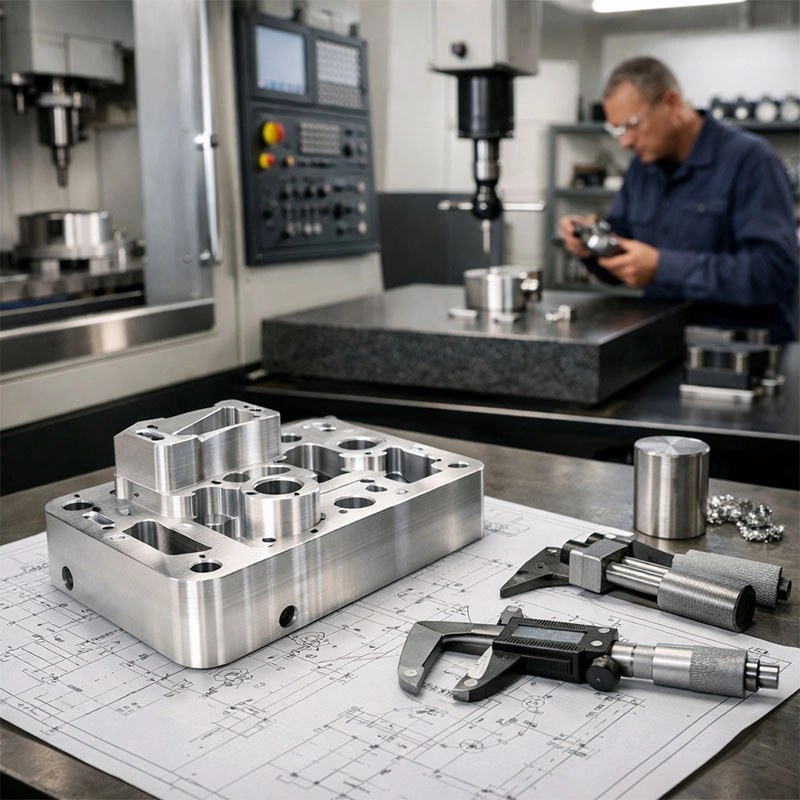
Finding the right CNC machining partner is crucial for your project’s success. This guide walks you through the key considerations, from evaluating capabilities to ensuring quality, to help you make a confident and informed decision.
Key Factors to Consider When Selecting a CNC Supplier
When you start looking for a CNC machining services provider, it can feel a bit overwhelming. There are so many shops out there! But don’t worry, by focusing on a few core areas, you can quickly narrow down your list to find a true partner, not just a vendor. Think of it like hiring a new team member—you want to check their skills, their work ethic, and see if they’re a good fit for your company’s culture and needs.
Technical Capabilities and Equipment
This is where your supplier evaluation really begins. You need to ask: Can they actually make my part? Look beyond just having “CNC machines.” Inquire about their specific machining capabilities—do they offer 3-axis, 4-axis, or full 5-axis machining? What about Swiss-style lathes for complex, small-diameter parts? The range of materials they work with is equally important. A shop experienced with aerospace-grade aluminum might struggle with medical-grade titanium if they haven’t done it before.
I always recommend asking for a list of their equipment. A modern machine shop investing in newer, well-maintained CNC mills and lathes often delivers better precision and consistency. It’s also a sign they’re committed to their trade. Remember, the goal of sourcing CNC parts is to find a partner whose technical toolbox matches your project’s blueprint.
Quality Assurance and Certifications
Precision is the name of the game in CNC manufacturing. Anyone can claim high quality, but proven systems back it up. This is where certifications come into play. An ISO 9001 certification, for instance, tells you the supplier has a documented quality management system they follow consistently.
But it goes deeper. Ask about their in-process inspection procedures. Do they use advanced metrology equipment like CMM machines (Coordinate Measuring Machines) or optical comparators? How do they handle First Article Inspection (FAI) reports? A reliable precision machining supplier will be transparent about their quality control process and welcome these questions. It shows they’re proud of their work and have nothing to hide. For more on industry standards, you can review resources from ASME.
Practical Steps in Your Supplier Selection Process
Once you’ve identified a few promising candidates based on their capabilities, it’s time to get practical. This phase is all about interaction and evidence. You’re moving from reviewing resumes to conducting interviews and checking references.
The RFQ and Communication Phase
Submitting a Request for Quotation (RFQ) is your first real test of a supplier. Provide clear, detailed drawings and specifications. Then, watch how they respond. Is their quote detailed, breaking down costs for material, machining, and finishing? Or is it a single, vague number?
More importantly, gauge their communication. Are they asking clarifying questions about your design? A good partner will point out potential manufacturability issues—maybe a tolerance is unnecessarily tight, increasing cost, or an internal corner radius is impossible with standard tools. This collaborative approach during the CNC vendor selection phase is a golden sign. It means they’re invested in your project’s success, not just winning an order.
Sample Review and Facility Visit
If possible, always request sample parts. This is the most tangible step in how to evaluate a machine shop. You can feel the surface finish, check the precision, and test the fit. Even if it’s a similar part, not your exact design, it speaks volumes about their workmanship.
For critical or long-term projects, a facility visit is invaluable. There’s no substitute for seeing the operation firsthand. You can assess the organization, cleanliness (a clean shop often correlates with careful work), and meet the team. It builds trust and opens a direct line of communication. You’re not just an email address; you’re a partner walking their floor.
Common Pitfalls and How to Avoid Them
Let’s talk about some common missteps I’ve seen people make so you can steer clear. The biggest one is choosing based on price alone. The lowest quote might mean hidden costs, cheaper materials, or rushed work that leads to failures down the line. Instead, think about total cost of ownership—reliability, lead time, and reduced rework save money in the long run.
Another pitfall is not defining success clearly upfront. Be specific about your requirements: lead times, packaging, labeling, and delivery logistics. Assuming everyone is on the same page is a recipe for frustration. Finally, don’t overlook the importance of a cultural fit. You want a contract machining partner who is responsive, proactive, and feels like an extension of your own team.
Making Your Final Choice with Confidence
By now, you’ve done your homework. You’ve evaluated technical skills, checked for quality systems, tested communication, and maybe even shaken hands on a shop visit. The final decision should feel informed, not like a guess.
Weigh all the factors: capability, quality proof, communication style, and value (which isn’t just price). Sometimes, it’s helpful to start with a smaller, less critical order to build the relationship. Remember, selecting a CNC parts supplier is a strategic decision. The right partner becomes a key asset, helping you innovate, improve your products, and grow your business reliably. Trust the process you’ve just walked through, and you’ll find a collaborator you can count on for years to come.