

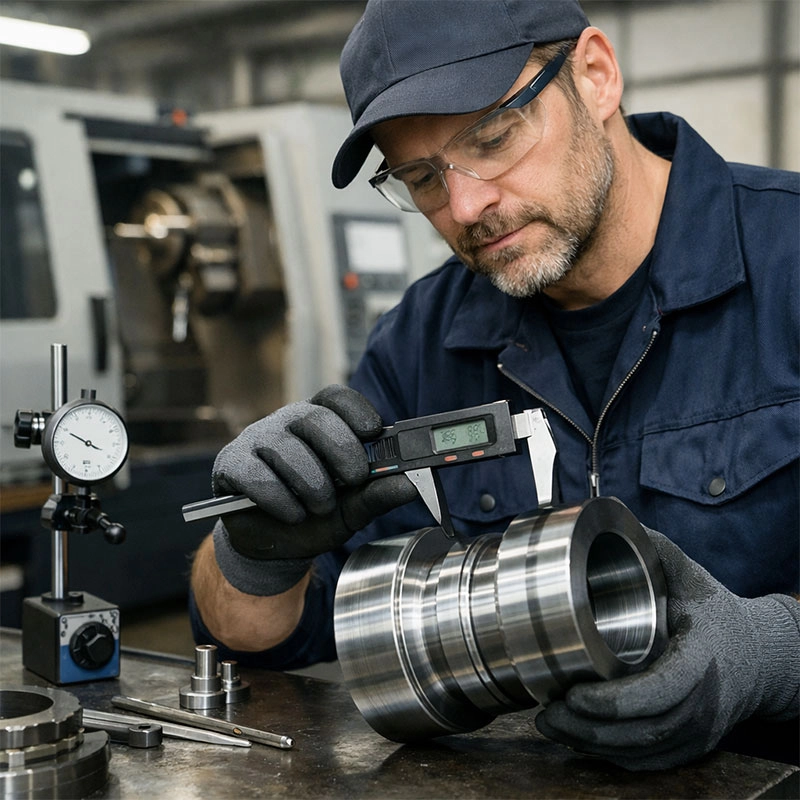
Keeping your machined parts rust-free is crucial for their performance and lifespan. This guide walks you through five practical and effective strategies to shield your precision components from corrosion, ensuring they remain reliable and functional for years to come.
- 1. Understand the Enemy: What Causes Rust on Metal Parts?
- 2. Tip 1: Start with Smart Material Selection
- 3. Tip 2: Don’t Skip the Surface Finishing
- 4. Tip 3: Apply a Protective Coating or Plating
- 5. Tip 4: Master Proper Handling and Storage
- 6. Tip 5: Establish a Routine Maintenance Check
- 7. Wrapping Up: Your Corrosion Defense Plan
Understand the Enemy: What Causes Rust on Metal Parts?
Before we dive into the solutions, let’s quickly chat about the problem. Corrosion, or what we often call rust on ferrous metals, is essentially a chemical reaction. It happens when metal, oxygen, and moisture get together for a party you didn’t invite them to. For your finely crafted CNC machined components, this reaction can lead to pitting, weakening, and ultimately, part failure. It’s not just about looks; it’s about protecting the precision and integrity of your investment.
Tip 1: Start with Smart Material Selection
The best defense is a good offense, right? When you’re designing a part, thinking about corrosion resistance from the very beginning is your first and most powerful move. Choosing the right material can dramatically reduce your need for extra protective measures later on.
The Stainless Steel Advantage
For many applications, stainless steel is a go-to hero. Grades like 304 or 316 contain chromium, which forms a thin, invisible passive layer that protects the metal underneath from oxidation. It’s like giving the part a built-in, self-healing shield. If you’re searching for machined parts corrosion prevention options, starting with a stainless alloy is often a brilliant choice.
Lightweight Champions: Aluminum Alloys
Aluminum is another fantastic option. It naturally forms a protective oxide layer, making many aluminum alloys highly resistant to rust. This makes them perfect for parts exposed to the elements or humid environments. When considering rust prevention for CNC parts, don’t overlook the inherent benefits of materials like 6061 or 7075 aluminum.
Tip 2: Don’t Skip the Surface Finishing
After machining, the surface of your part can have tiny imperfections and residues that accelerate corrosion. Applying a post-processing finish is like giving your part a protective suit of armor. It smooths the surface and enhances its natural ability to fight off environmental attacks.
The Magic of Passivation
Primarily for stainless steel, passivation is a chemical process that removes free iron from the surface and boosts that chromium oxide layer we talked about. It’s a crucial step for maximizing the corrosion protection of precision components. Think of it as a deep-cleaning and strengthening treatment that ensures your stainless part lives up to its full potential.
Building a Thicker Shield with Anodizing
For aluminum, anodizing is a superstar. It uses an electrochemical process to grow a much thicker, harder oxide layer on the part’s surface. This layer is not only incredibly corrosion-resistant but can also be dyed different colors. It’s one of the most effective answers to the question of how to protect machined metal from rust for aluminum components. You can learn more about this process from authoritative sources like ASTM International.
Tip 3: Apply a Protective Coating or Plating
Sometimes, the base material needs an extra hand. That’s where coatings and platings come in. They create a physical barrier between your sensitive metal and the harsh world.
Paints and Powder Coatings are great for larger parts or assemblies, offering both color and protection. Electroplating, like applying a layer of zinc (galvanization) or nickel, sacrificially protects the underlying steel. The coating corrodes first, buying your core part valuable time. For experts looking into surface treatment for oxidation resistance, exploring different plating options is key. Resources from organizations like NACE International can provide deeper insights into these methods.
Tip 4: Master Proper Handling and Storage
Here’s a tip that costs very little but pays off hugely: be mindful of how you handle and store your parts. The oils and salts from our skin can initiate corrosion on bare metal. I always recommend wearing cotton gloves when handling critical components.
For storage, keep parts in a cool, dry place. Using VCI (Vapor Corrosion Inhibitor) paper or bags is a game-changer. These materials release a gentle vapor that surrounds the part, preventing rust without leaving a messy residue. It’s a simple yet highly effective tactic for preventing rust on fabricated parts during shipping or long-term storage.
Tip 5: Establish a Routine Maintenance Check
Protection isn’t a “set it and forget it” deal. Especially for parts in service, a little regular attention goes a long way. Schedule simple visual inspections to catch any early signs of wear or damage to coatings.
For parts that need it, applying a light, protective oil or grease can replenish their defense. This maintenance step is the cornerstone of long-term machined component preservation. Catching a small spot early means a simple fix, while ignoring it could lead to a costly part replacement down the line.
Wrapping Up: Your Corrosion Defense Plan
So, there you have it—five friendly pieces of advice to keep your machined parts in top shape. Remember, the best approach often combines several of these tips. Start with a corrosion-resistant material, add a suitable finish, handle with care, and keep an eye on them over time. By integrating these corrosion control methods for engineered parts into your workflow, you’re not just preventing rust; you’re ensuring precision, reliability, and value from your CNC machined components for the long haul.