

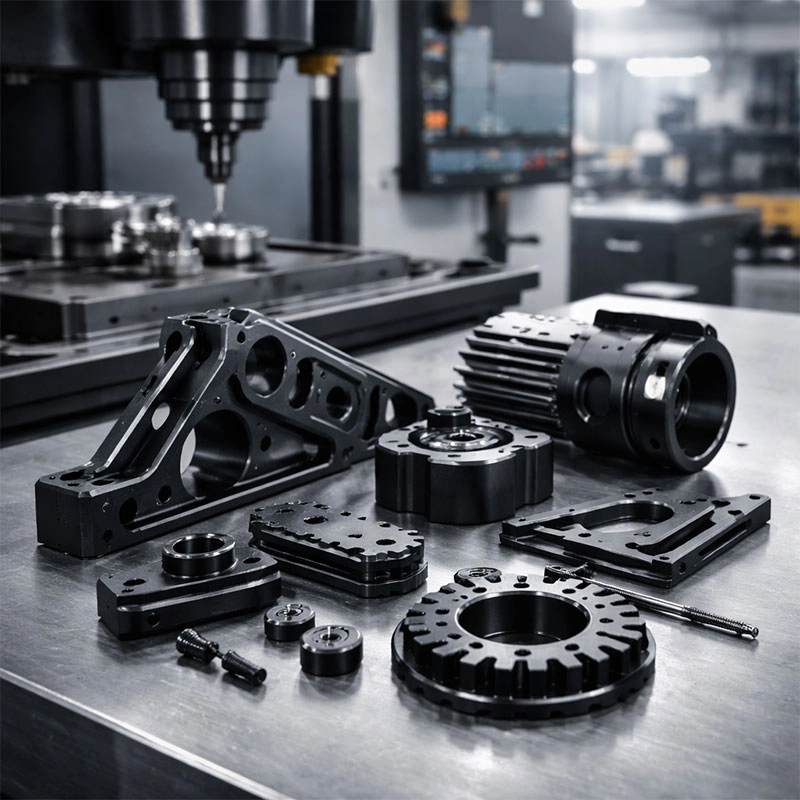
Black anodized aluminum parts are a cornerstone of modern CNC machining, offering a unique blend of aesthetics and performance. This process not only creates a durable, scratch-resistant black finish but also significantly enhances the metal’s natural properties. Let’s explore why these components are a top choice for engineers and designers.
Superior Durability and Wear Resistance
If you’ve ever handled a raw aluminum machined part, you know it can scratch fairly easily. That’s where the magic of anodizing aluminum black comes in. Think of the anodized layer as a super-tough, integrated shield. This isn’t a paint or a coating that sits on top; it’s a hard, crystalline structure grown from the base metal itself. For components that face constant friction, like guides, gears, or housings, this means they last much, much longer. You’ll find this is a game-changer for parts in automated assemblies or any application where longevity is key.
The Science Behind the Surface
The process is fascinating. We immerse the CNC aluminum part in an acid electrolyte bath and pass an electrical current through it. This causes a controlled oxidation, building a porous aluminum oxide layer. The part is then dyed black and sealed, locking in the color and hardness. This results in what many shops call hardcoat anodized parts, known for their exceptional resilience. It’s a perfect finish for precision machined components that need to maintain tight tolerances without wearing down.
Exceptional Corrosion and Weather Resistance
Aluminum is already pretty good at resisting rust, but its natural oxide layer is thin. The anodizing process supercharges this defense. The thick, sealed oxide layer on black oxide aluminum components acts as a formidable barrier against moisture, salt spray, and many chemicals. This makes them ideal for outdoor enclosures, marine hardware, or parts in humid industrial environments. So, if you’re designing a product that needs to withstand the elements, specifying anodized aluminum finishes is a smart move for long-term reliability.
Unmatched Aesthetic and Design Versatility
Let’s be honest, looks matter. The deep, uniform matte black finish you get from type II or type III anodizing is simply sleek and professional. It provides a consistent, non-reflective surface that hides fingerprints and minor handling marks better than bare metal. This isn’t just about making something look “cool”—though it certainly does. A premium finish elevates the perceived quality of the entire product. Whether it’s for consumer electronics, high-end automotive trim, or architectural features, the aesthetic value of black anodized aluminum is a major benefit you can’t ignore. For more on material science and finishes, resources like ASM International offer great foundational knowledge.
Improved Surface Lubricity and Function
Here’s a benefit you might not immediately think of: the anodized surface can actually improve how parts function together. The microporous structure of the anodized layer can retain lubricants better than bare aluminum. This means for moving parts like pistons, bearings, or sliders, you get smoother operation and reduced galling (that unpleasant cold-welding of metal surfaces). It’s a functional upgrade that directly impacts performance, reducing maintenance needs and ensuring smoother motion in your assemblies.
Added Electrical Insulation and Safety
Raw aluminum is conductive, which isn’t always desirable. The aluminum oxide created during anodizing, however, is an excellent electrical insulator. This property is crucial for many CNC machined parts used in electronics. It allows aluminum to be used as a structural frame or heat sink without creating short circuits. For instance, a black anodized aluminum heatsink can dissipate heat effectively while keeping electrical components isolated. This built-in insulation enhances safety and opens up more design possibilities where electrical isolation is needed. You can learn about standard specifications for anodizing from organizations like ASTM International.