

Categories
Design, Cost & Sourcing

Your Guide to Choosing the Best CNC Machining Service

Choosing the right CNC machining service is a crucial decision for any project. This guide walks you through the key factors—from capabilities and materials to quality control and communication—to help you find a reliable partner that delivers precision parts on time and within budget.

Key Factors for Selecting a CNC Machining Partner

When you start looking for a CNC machining supplier, it can feel a bit overwhelming. There are so many options! But think of it like finding a good mechanic—you want someone skilled, trustworthy, and who uses the right tools for your specific car. Your journey to selecting a precision machining service begins with understanding their core capabilities and how they align with your project’s needs.

Technical Capabilities and Equipment

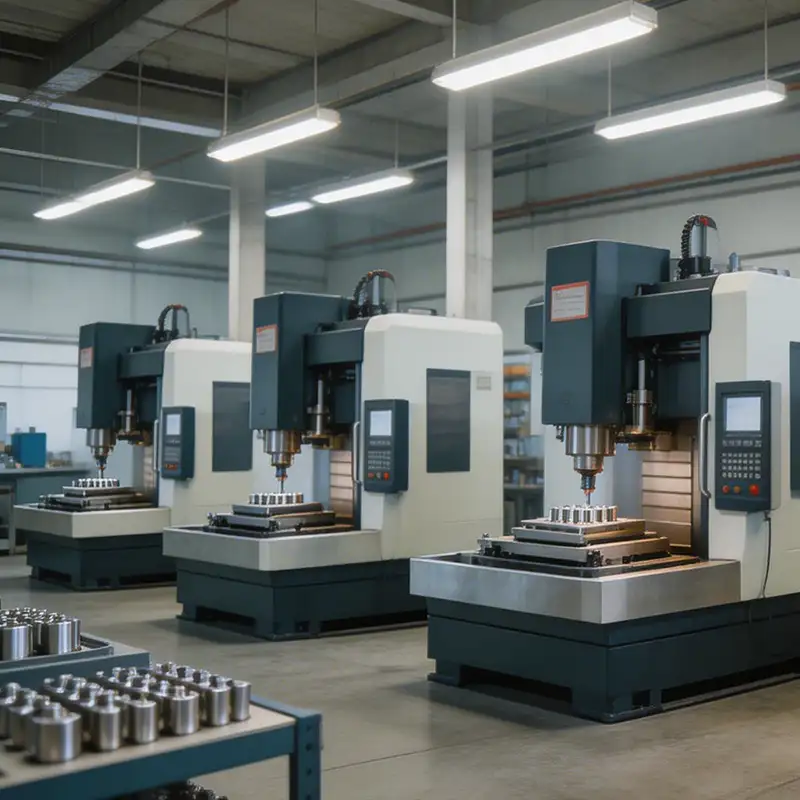
The first thing I always ask about is their machine shop’s equipment. Can they handle the complexity and tolerances your part requires? A shop with both 3-axis and multi-axis machines offers more flexibility. For instance, if you need complex contours or undercuts, a 5-axis CNC milling service is essential. Don’t hesitate to ask about their machine brands, age, and maintenance schedules—a well-maintained machine from a reputable manufacturer like Haas or DMG Mori often translates to more consistent results. It’s also wise to inquire about their experience with computer numerical control programming for materials similar to yours.

Material and Finishing Expertise

Not all shops work with all materials. You might have a great design for an aluminum bracket, but if the vendor primarily machines steel, there could be a learning curve. A reliable partner will have proven experience with your chosen material, whether it’s common alloys like 6061 aluminum or tougher stuff like titanium or PEEK. Furthermore, ask about their in-house post-processing and surface finishing options. Can they provide anodizing, powder coating, or bead blasting? Having these services under one roof, as outlined in resources like ASM International’s materials information, streamlines the process and ensures better accountability for the final look and feel of your part.

Evaluating Quality and Reliability

Once you’re confident a shop has the right tools, the next step is to assess their commitment to quality. This goes beyond just having a measuring tool. It’s about a systematic approach to ensuring every part that leaves their facility meets your specifications. A key part of how to find a good CNC machine shop is looking for evidence of this ingrained quality culture.

Quality Assurance Systems

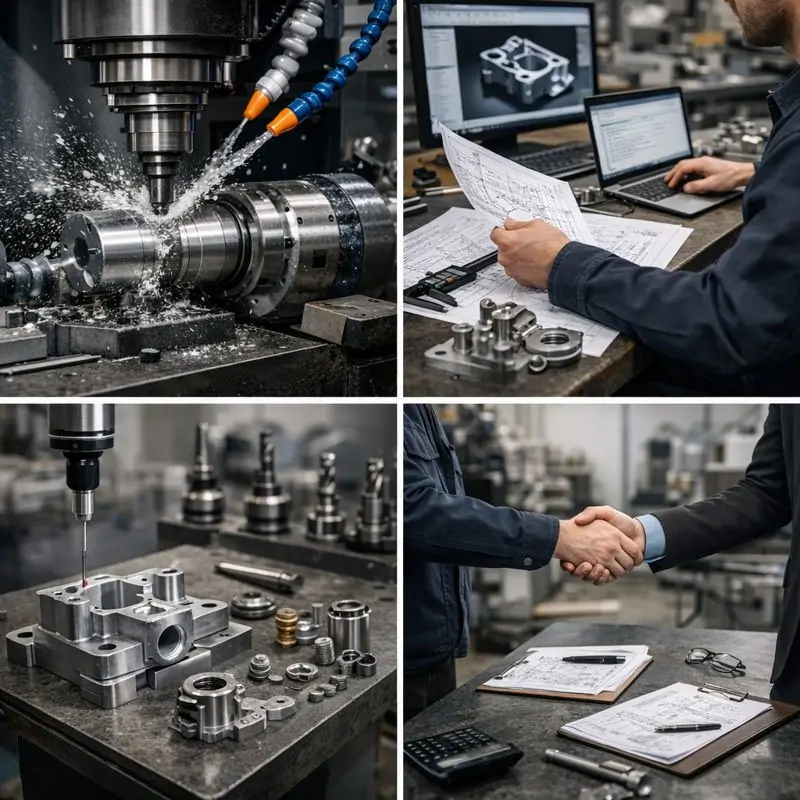
Look for shops that are certified to standards like ISO 9001. This tells you they have documented processes for quality management. Ask about their inspection equipment—do they use advanced tools like Coordinate Measuring Machines (CMM) or optical comparators? A good practice is to request a sample inspection report. This gives you a clear picture of how they verify dimensions and tolerances. Remember, consistent quality is what separates a part that works from one that causes assembly headaches down the line.

Communication and Collaboration

This might be the most important factor. Is your point of contact responsive and proactive? Do they ask clarifying questions about your drawings? A great CNC manufacturing partner acts as an extension of your team. They should provide constructive feedback on your design for manufacturability (DFM), suggesting small tweaks that could save cost or improve strength without compromising function. Clear communication from the initial quote to final delivery prevents misunderstandings and builds a trusting, long-term relationship.

Making the Final Decision

You’ve shortlisted a few shops that seem capable. Now it’s time to drill down into the details and make your choice. This phase involves a practical test—the Request for Quote (RFQ)—and a clear-eyed view of value beyond just the lowest price. Your goal in this CNC vendor selection process is to find the best overall partner, not just the cheapest bidder.

Navigating the RFQ Process

To get comparable quotes, provide a clear, complete package: detailed drawings (with all tolerances called out), the 3D CAD model, material specs, quantity, and desired finish. Send this same package to your top candidates. When the quotes come back, compare them line by line. A surprisingly low quote can sometimes mean hidden costs or corners being cut. Pay attention to lead times and terms as well. A slightly higher price from a shop that guarantees a faster turnaround might be worth it for your project timeline.

Common Pitfalls to Avoid

Let me share a common scenario: a friend chose a shop based solely on price for a prototype run. The parts arrived late and had poor surface finishes, costing him more in rework and delayed testing. The lesson? Don’t let price be the only deciding factor. Also, be wary of shops that don’t ask questions—it might mean they aren’t critically reviewing your design for potential issues. Finally, check their references or online reviews. Hearing about other customers’ experiences, perhaps on professional engineering forums or platforms like Thomasnet for industrial sourcing, can provide invaluable real-world insight into their reliability and customer service.
Categories
CNC Machining Basics

Your Guide to Choosing the Right CNC Machining Service for Your Project

Finding the perfect CNC machining partner is crucial for turning your design into a high-quality, functional part. This guide walks you through the key considerations, from capabilities and materials to communication and quality control, helping you make an informed decision for your specific project needs.

Key Factors to Consider When Selecting a CNC Machining Partner

Selecting the right CNC service provider isn’t just about finding the lowest price; it’s about finding a reliable partner who understands your vision. Think of it like hiring a specialist for a custom piece of furniture—you want someone skilled, with the right tools, who listens to your ideas. The goal of identifying the best CNC machining vendor is to ensure your project runs smoothly from the first sketch to the final part in your hands.

Technical Capabilities and Equipment

First things first, let’s talk about their workshop. A great partner for your CNC milling and turning projects will have a range of modern machines. You might ask, “Do you have 5-axis machining for complex geometries?” or “What’s the tolerance you can consistently hold?” Don’t be shy to inquire about their equipment list; it tells you a lot about the complexity of parts they can handle. For instance, a shop with only 3-axis mills might struggle with a part requiring undercuts, while one with multi-axis capabilities could machine it in one setup. The Society of Manufacturing Engineers (SME) offers great resources on manufacturing technologies if you want to dive deeper into machine types.

Material and Finish Expertise

Your part is only as good as the material it’s made from. A top-tier precision machining service will be well-versed in machining everything from common aluminum alloys to tough stainless steels or engineering plastics like PEEK. They should guide you on material selection based on your part’s function, cost, and required properties. Furthermore, ask about their finishing options. Can they provide anodizing, powder coating, or bead blasting? A partner who offers these services in-house or through trusted local partners often ensures better quality control and faster turnaround than one who has to outsource every finish.

Communication and Collaboration

This might be the most important factor. Is the company responsive? Do they ask clarifying questions about your drawings? A good partner acts as an extension of your team. They should provide Design for Manufacturability (DFM) feedback—that’s when they suggest small tweaks to your design that make it easier, faster, and cheaper to produce without compromising its function. Clear, proactive communication from the initial quote through production is a hallmark of a service you can trust for the long term.

Once you know what to look for, the next step is a structured approach to vetting potential shops. This process helps you compare apples to apples and find the best fit for your custom part manufacturing needs, whether it’s a one-off prototype or a full production run.

Defining Your Project Requirements

Before you even reach out, get your ducks in a row. Prepare a clear package with your 3D CAD model (like a .STEP file), detailed 2D drawings with tolerances, material specs, and quantity. The more precise you are, the more accurate and comparable the quotes will be. Mention if you need rapid prototyping services or if this is for low-volume production. This upfront clarity saves everyone time and prevents misunderstandings later.

Evaluating Quotes and Lead Times

When quotes come in, look beyond the bottom line. A very low quote can sometimes mean corners will be cut. Break down what’s included: Is it just machining, or does it include finishing, inspection, and shipping? Compare lead times realistically. A shop promising an impossibly fast turnaround might be overbooked. Remember, the process of how to choose a CNC machine shop involves balancing cost, speed, and quality—you usually can’t have all three at their absolute maximum.

Checking References and Quality Systems

Don’t hesitate to ask for examples of past work similar to your project or for client references. A reputable shop will be proud to share their portfolio. Also, inquire about their quality assurance process. Do they perform first-article inspection? Do they use tools like CMMs (Coordinate Measuring Machines)? Certifications, while not everything, can be a good indicator. Many shops serving regulated industries like aerospace or medical adhere to standards like AS9100 or ISO 9001. You can learn more about these quality management standards on the International Organization for Standardization (ISO) website.

Common Pitfalls to Avoid When Choosing a Machining Service

Let’s talk about a few speed bumps you can easily avoid. A classic mistake is choosing based solely on price. I’ve seen projects where the “cheapest” option led to delayed parts that didn’t meet spec, ultimately costing more in rework and lost time. Another pitfall is not reviewing the DFM feedback. The shop’s engineers see hundreds of designs; their suggestions to slightly increase a radius or add a relief can drastically improve machinability. Finally, overlooking communication style is a risk. If they’re hard to reach during the quoting phase, it likely won’t get better after you pay.

Making Your Final Choice and Building a Partnership

After your research, you’ll likely have one or two front-runners for your CNC fabrication needs. Trust your gut feeling from your interactions. Did they seem knowledgeable and eager to help? Starting with a smaller, less critical order can be a great way to test the waters before committing to a larger project. The right machining service provider becomes a valuable asset, helping you innovate and bring products to market efficiently. By taking the time to choose wisely now, you’re investing in smoother projects and a stronger supply chain for the future.

Request A Quote

We'll Send You Back with Price Immediately!

DEC 1-31

XMAS SPECEIL

Up to

40% off

Your Guide to Choosing the Right CNC Machining Service for Your Project

We'll Send You Back with Price Immediately!