

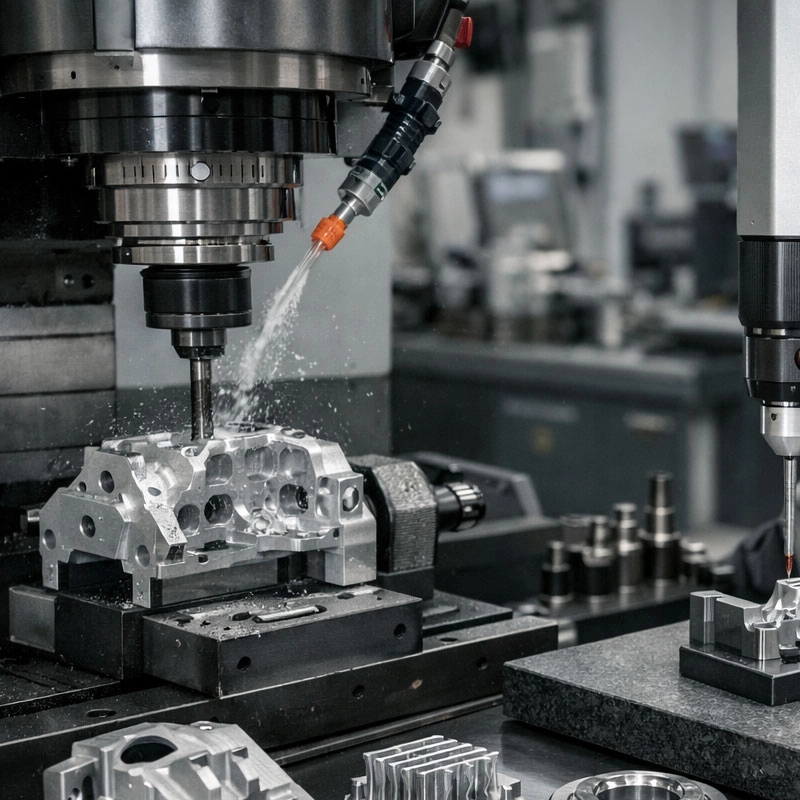
Creating high-precision aluminum components requires a blend of the right tools, techniques, and knowledge. This guide walks you through the essential steps, from material selection to finishing, to help you achieve exceptional accuracy and surface quality in your CNC machining projects.
Achieving Micron-Level Accuracy in Aluminum Machining
When we talk about machining high precision aluminum parts, we’re often dealing with tolerances tighter than a human hair. It’s a fascinating process that goes beyond just running a program. Think of it like a chef preparing a delicate dish—the quality of the ingredients, the sharpness of the knives, and the control of the heat all matter immensely. The goal here is consistent, repeatable accuracy for your precision aluminum components.
The Foundation: Material Choice
Not all aluminum is created equal for high-tolerance machining. Alloys like 6061-T6 are incredibly popular for a reason: they offer an excellent balance of machinability, strength, and cost. For even more demanding applications, you might look at 7075, which is stronger but can be a bit trickier to machine. The key is to match the alloy to the part’s function. Starting with a predictable, high-quality material is half the battle won for your CNC aluminum part fabrication.
The Role of Machine Rigidity
Your CNC mill or lathe is the stage for this performance. For true precision aluminum part production, a rigid machine is non-negotiable. Any flex or vibration translates directly into chatter marks and dimensional errors on your workpiece. It’s the difference between using a sturdy workbench and a wobbly card table. A well-maintained machine with minimal backlash is your best friend here.
Essential Tools and Techniques for Precision
Once your material and machine are set, the real artistry begins with tooling and technique. This is where you fine-tune the process to achieve those mirror-like finishes and hold those tight tolerances for aluminum CNC machining services.
Selecting the Right Cutting Tools
Using the wrong tool is like trying to slice a tomato with a butter knife. For aluminum, we almost always use sharp, polished carbide end mills. You might find that tools with three flutes often provide a great balance between chip evacuation and finish. For intricate details, smaller diameter tools are a must, but they require careful handling to avoid breakage. Don’t forget about tool runout—even a tiny misalignment can ruin your chances at tight tolerance aluminum machining.
Mastering Feeds and Speeds
This is the heart of the process. Running too slow can cause rubbing and poor finish, while too fast can lead to tool wear or failure. Aluminum loves high spindle speeds. A good starting point is to use a CNC machining calculator, but always be prepared to adjust based on sound and chip formation. Beautiful, consistent “C” shaped chips usually mean you’re in the sweet spot. It’s a skill that comes with practice, much like finding the right rhythm when you’re driving.
Workholding and Coolant Strategies
A part that moves or gets too hot is a part that ends up out of spec. Proper workholding is absolutely critical for manufacturing precision aluminum parts. We prefer using a vacuum chuck or custom machined soft jaws for complex shapes, as they provide even, distortion-free clamping over the entire surface. For coolant, a flood system is standard, but for ultra-fine detail work, a mist system can be more effective at keeping the cut zone cool without overwhelming it. The goal is to manage heat and hold the part rock-solid.
Post-Machining: The Finishing Touches
The journey doesn’t end when the CNC program finishes. Deburring is a meticulous hand process to remove sharp edges. For parts requiring exceptional smoothness or specific aesthetic qualities, processes like vibratory finishing or anodizing are common. Anodizing, for instance, not only adds color and corrosion resistance but can also be a final check—it will often highlight any subtle surface imperfections you might have missed. You can learn more about this versatile process from resources like the Aluminum Anodizers Council.
Common Pitfalls to Avoid
Let’s talk about a few common hiccups so you can steer clear. First, neglecting to let the material and machine acclimate to the shop temperature can cause thermal expansion issues. Second, trying to take too deep of a cut in one pass to save time often leads to tool deflection and poor accuracy. Finally, skipping regular tool wear inspection is a surefire way to have a batch of parts slowly drift out of tolerance. Remember, consistency is king in high-precision component machining. For deeper dives into metallurgy and standards, referencing authoritative sources like the ASM International handbook can be incredibly valuable.