

Categories
Industries & Applications

Discover Which Industries Rely on CNC Machining

CNC machining is a cornerstone of modern manufacturing, quietly shaping the parts and products that power our world. From the car you drive to the phone in your pocket, this technology is behind the scenes. Let’s explore the diverse sectors that depend on its precision and versatility.

Key Sectors Utilizing CNC Machining Technology

When people ask, “what industries use CNC machining?” or search for “CNC machining applications by industry,” they’re often surprised by the breadth of the answer. It’s not just one field; it’s a foundational process that supports innovation across the board. Think of it like a master key that opens doors to creating incredibly precise and reliable components for almost any sector you can imagine.

Aerospace and Defense

This is where the demands are arguably the highest. The need for CNC milling and turning to create parts that are both incredibly strong and exceptionally light is non-negotiable. We’re talking about turbine blades, landing gear components, and structural airframe parts. Every gram saved and every micron of precision achieved directly impacts fuel efficiency and safety. The industry relies on computer numerical control to meet the strict certifications and tolerances required for flight. You can learn more about the rigorous standards in aerospace manufacturing from resources like SAE International.

Automotive and Transportation

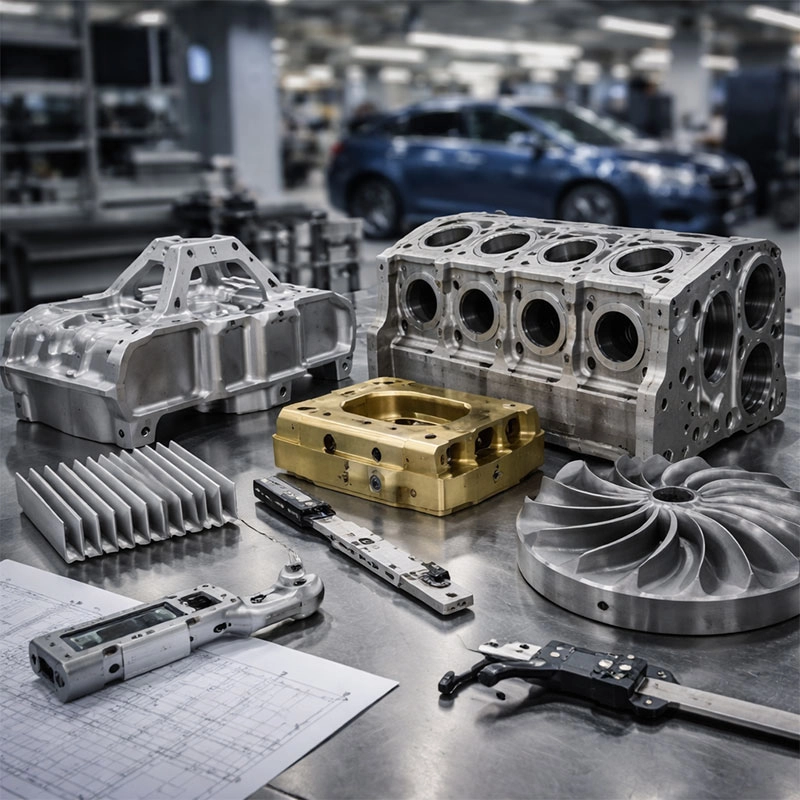
From prototyping a new engine block to mass-producing complex transmission parts, CNC manufacturing is the driving force. It’s used for everything from one-off custom racing components to the durable parts in your family sedan. The shift toward electric vehicles has also opened new doors, requiring precise machining for battery housings, motor components, and intricate thermal management systems. If you’re curious about “industries that use CNC lathes,” automotive is a prime example for creating symmetrical, round parts like axles and cylinders.

Medical and Dental Devices

Precision here is literally a matter of life and limb. The medical field uses precision machining to create implants (like knees and hips), surgical instruments, and diagnostic equipment. These parts must be biocompatible, sterile, and machined to flawless tolerances to ensure patient safety and successful outcomes. Similarly, dental labs use CNC technology to mill crowns, bridges, and dentures from ceramic or composite blocks, leading to faster and more accurate fittings for patients.

Electronics and Consumer Goods

Look at the device you’re using right now. Its sleek case, internal heat sinks, and connector ports were likely made with CNC processes. The industry needs to machine small, complex, and often delicate parts from metals and plastics. Questions like “which sectors need CNC prototyping?” often lead here, as electronics companies constantly iterate new designs. CNC machining services are perfect for creating the molds for plastic injection molding as well, which then produce millions of consumer product housings.

Energy and Industrial Machinery

Whether it’s traditional oil and gas or renewable solar and wind power, robust components are essential. CNC machine shops produce valves, pistons, turbine parts, and custom fittings that must withstand extreme pressures and corrosive environments. In general industrial machinery, CNC is used to make the very machines that make other things—gears, rollers, frames, and tooling that keep factories running smoothly.

The Value and Benefits for These Industries

So, why is CNC the go-to for so many different fields? The benefits are clear and compelling. First, the consistency is unmatched. Once a program is perfected, the CNC mill or lathe can produce the same part a thousand times with near-identical accuracy. This reduces waste and ensures quality control. Second, it handles complex geometries that would be impossible or prohibitively expensive with manual machining. Third, it’s remarkably versatile in materials, working with metals, plastics, woods, and composites. Finally, while the initial setup has costs, it becomes incredibly efficient for both short-run production and large-scale manufacturing, offering great value across the board.

How to Get Started with CNC for Your Project

If you’re thinking, “This sounds great for my industry,” you might wonder how to begin. We suggest you start by clearly defining your part’s function, material needs, and required tolerances. Reach out to a reputable CNC machining company for a consultation—they can be a fantastic resource. Many offer contract machining services, meaning you don’t need to buy the expensive equipment yourself. Be prepared to share detailed CAD drawings. A good partner will guide you on design for manufacturability (DFM), helping tweak your design to be more efficient and cost-effective to produce. It’s a collaborative process!

Clearing Up Common Misconceptions

Let’s tackle a few myths I often hear. One big one is that CNC is only for giant corporations. Not true! Many job shops specialize in small-batch or prototype work, making the technology accessible to startups and individual inventors. Another is that it’s always the most expensive option. While not cheap, its speed, precision, and material efficiency often make it the most *cost-effective* choice for complex parts, saving money compared to alternative methods or manual labor in the long run. Finally, it’s not a “set it and forget it” magic box. It requires skilled programmers and operators to create efficient toolpaths and ensure everything runs smoothly. The machine is a powerful tool wielded by human expertise.
Categories
Industries & Applications

Discover What Industries Use CNC Machining: 10 Key Sectors

Ever wondered where those incredibly precise metal and plastic parts come from? From the car you drive to the phone in your pocket, CNC machining plays a silent but crucial role. Let’s explore the diverse sectors that rely on this versatile manufacturing process to bring ideas to life.

Aerospace Industry

When we think about industries that utilize CNC machining, aerospace is often the first that comes to mind. It’s a perfect match. The need for ultra-lightweight, incredibly strong, and flawlessly precise components is non-negotiable here. Think about the engine turbine blades, landing gear parts, and complex airframe brackets—each one must perform perfectly under extreme stress and temperature. That’s where CNC milling and turning shine, transforming blocks of titanium or high-grade aluminum into mission-critical parts.

Why CNC is Critical Here

The margin for error is virtually zero. A tiny flaw can have major consequences. CNC technology allows for the creation of complex geometries that are often impossible with manual machining, all while maintaining the tightest tolerances. It’s not just about making a part; it’s about making a part that can reliably fly. For more on the standards these parts must meet, you can check resources from SAE International.

Automotive Sector

From high-performance race cars to the family sedan, the automotive industry uses CNC extensively. It’s used for both prototyping and full-scale production. You’ll find CNC-machined parts in engines (like cylinder heads and pistons), transmission systems, suspension components, and even in custom interior details. The shift towards electric vehicles has also opened new doors, requiring precise battery enclosures and motor housings. Whether it’s a one-off custom piece or a high-volume run using automated CNC systems, this process is a backbone of modern auto manufacturing.

Medical Device Manufacturing

This is a sector where precision is literally a matter of life and death. The application of CNC in medical fields is vast. It creates surgical instruments, orthopedic implants (like knees and hips), dental components, and enclosures for diagnostic equipment. These parts often require biocompatible materials like surgical-grade stainless steel or titanium, and surfaces that are exceptionally smooth to prevent bacterial growth. The ability of CNC to work with these tough materials and produce sterile, repeatable parts makes it indispensable.

Electronics & Consumer Goods

Look at your smartphone, laptop, or smartwatch. The sleek metal casing, the tiny internal connectors, the heat sinks—many are likely products of precision CNC machining. This sector demands the ability to machine small, intricate features with a fantastic surface finish. Aluminum and brass are common here. The process is perfect for creating the molds used in plastic injection molding for consumer products, too. So, even if the final product is plastic, a CNC-machined mold was probably involved.

Energy (Oil & Gas)

The energy sector, particularly oil and gas, relies on heavy-duty, reliable components that can withstand corrosive environments and immense pressure. Valves, pistons, drill bits, and turbine components for power generation are all prime examples of CNC machine applications in this field. These parts are typically large, made from tough alloys, and require machining that ensures perfect seals and longevity in harsh conditions. It’s all about durability and safety.

Defense & Military

Similar to aerospace, the defense industry requires components that are robust, reliable, and made to exact specifications. This includes everything from firearm components and optics mounts to communication equipment housings and parts for vehicles and aircraft. The use of CNC manufacturing ensures interchangeability of parts (a concept crucial for maintenance) and the ability to work with specialized, often classified, materials that offer high strength and other specific properties.

Industrial Machinery

This is the industry that often builds the machines for other industries! CNC machining services are used to produce the gears, shafts, housings, and frames that make up factory equipment, packaging machines, and agricultural machinery. These parts need to be incredibly wear-resistant and precise to ensure the larger machine operates smoothly for years. It’s a great example of how CNC supports the very foundation of manufacturing itself.

Prototyping & Product Development

Before any product goes into mass production, it needs a prototype. CNC prototyping is a favorite method for engineers and designers because it allows them to create a functional, high-fidelity model directly from a digital design (CAD file). They can test the fit, form, and function using the actual intended material. This rapid turnaround from concept to tangible part accelerates innovation and helps catch design flaws early, saving significant time and cost.

Marine Industry

The marine environment is brutal—constant exposure to saltwater demands exceptional corrosion resistance. CNC machining is used to create propellers, engine components, fittings, and custom parts for both commercial vessels and luxury yachts. Materials like marine-grade aluminum, bronze, and specific stainless steels are commonly machined to withstand this challenge. The precision also ensures optimal hydrodynamic performance for parts like propellers.

Job Shops & Contract Manufacturing

This isn’t a single “industry” per se, but it’s a critical piece of the puzzle. Many companies don’t have in-house machining capabilities. That’s where contract machine shops come in. These versatile businesses use CNC to serve *all* the sectors we’ve talked about. A single job shop might work on a medical device prototype one week and a batch of aerospace brackets the next. They are the flexible, on-demand backbone of modern manufacturing, answering the broad question of which industries use CNC machines with a simple “practically all of them.

As you can see, the reach of CNC machining is astonishingly wide. It’s the quiet force behind innovation and reliability in so many aspects of our modern world. If you’re working on a project that demands precision, strength, or complex geometry, there’s a good chance that partnering with a skilled CNC shop is your best path forward.

Categories
Industries & Applications

Discover the Top Industries Using CNC Precision Machining Today

CNC precision machining is a cornerstone of modern manufacturing, enabling the creation of complex, high-tolerance parts. This article explores the key sectors that rely on this technology, from aerospace to medical devices, and explains why it’s so vital to their success and innovation.

Key Sectors Leveraging CNC Precision Machining

When we talk about the top industries using CNC precision machining, we’re really looking at fields where there’s no room for error. Think of it like a master watchmaker crafting tiny gears—every cut must be perfect. This technology, also known as CNC milling or turning, is the backbone for creating the reliable, complex parts that power our modern world. From the plane you fly in to the device monitoring your health, computer numerical control machining makes it all possible with stunning accuracy.

Aerospace and Defense: Where Microns Matter

If you’ve ever wondered how aircraft stay safe and efficient, a huge part of the answer lies in precision CNC machining. This sector is arguably the most demanding user of high-precision manufacturing. Every component, from turbine blades and landing gear parts to intricate brackets within the fuselage, must withstand extreme forces and temperatures while being as light as possible. The search for industries that utilize CNC machining often starts right here, at 30,000 feet.

Advanced Materials and Incredible Tolerances

What’s fascinating is the materials involved. Aerospace engineers often work with tough alloys like titanium and Inconel, which are notoriously difficult to machine. A CNC machine, guided by perfect digital blueprints, handles these materials with ease, achieving tolerances that are thinner than a human hair. This level of precision manufacturing is non-negotiable for flight safety and performance. Regulatory bodies like the Federal Aviation Administration (FAA) set incredibly strict standards, and CNC processes are key to meeting them consistently.

Medical and Dental: Engineering for Life

Next on our list is an industry that touches all of our lives: medical device manufacturing. The need for CNC precision parts here is driven by one thing: patient outcomes. Whether it’s a titanium knee implant, a complex surgical tool, or the housing for a sensitive MRI machine, these components must be flawless. They need to be sterile, reliable, and often customized to a patient’s unique anatomy. This is where precision engineering truly becomes a life-saving discipline.

The Critical Role of Biocompatible Materials

Similar to aerospace, the medical field uses specialized materials. However, here the focus is on biocompatibility—materials that can safely exist inside the human body, like surgical-grade stainless steel, cobalt-chrome, and certain plastics. CNC machining is ideal for these materials because it produces smooth, non-porous surfaces that resist bacterial growth and are easy to sterilize. For anyone researching top applications of CNC technology, the innovation in custom orthopedic implants and minimally invasive surgical devices is a perfect example of its impact.

Automotive and Transportation: Driving Innovation

From high-performance race cars to the electric vehicle (EV) being charged next door, the automotive sector is a massive consumer of machined components. While many high-volume parts use casting or stamping, CNC machining services are essential for prototyping, custom aftermarket parts, and creating complex components for engines, transmissions, and braking systems. As the industry shifts toward EVs, the demand for precise battery housings, heat sinks, and power electronics components is soaring.

Electronics and Optics: The Details in the Data

This one might surprise you, but look at your smartphone or laptop. The tiny, complex heat sinks that keep your processor cool, the connectors, and even some casings are often produced with CNC precision. In optics, the lenses for cameras, microscopes, and laser equipment require surfaces polished to nanometer-level perfection. The quest for smaller, faster, and more powerful devices directly drives the need for advanced machining in manufacturing processes that can work on a miniature scale with impeccable accuracy.

Energy and Industrial Machinery: Powering the World

Whether it’s traditional oil and gas, renewable wind and solar, or the massive turbines in hydroelectric dams, the energy sector depends on durable, precision-made parts. Valves, pistons, turbine components, and fittings for pipelines all require the strength and exact specifications that CNC provides. In heavy industry, the machines that build other machines rely on robust, custom-machined parts to maintain productivity and safety. This answers the search for major industries using CNC in the foundational sectors that keep our lights on and factories running.

Making the Right Choice for Your Project

So, how do you know if CNC precision machining is right for your needs? I always suggest starting with three questions: What level of accuracy does my part require? What material is best for its function? And what is the expected volume? For prototypes, complex geometries, or low-to-medium volume runs of high-tolerance parts, CNC is often the most efficient and reliable choice. It gives you the flexibility to iterate designs quickly and the confidence that every piece will match the last. For more on material standards, you can check resources from ASTM International.

In the end, exploring the leading sectors for precision machining shows us that this isn’t just about cutting metal—it’s about enabling progress across the board. It’s the trusted process behind the technologies that make our lives safer, healthier, and more connected.

Request A Quote

We'll Send You Back with Price Immediately!

DEC 1-31

XMAS SPECEIL

Up to

40% off

Discover the Top Industries Using CNC Precision Machining Today

We'll Send You Back with Price Immediately!