

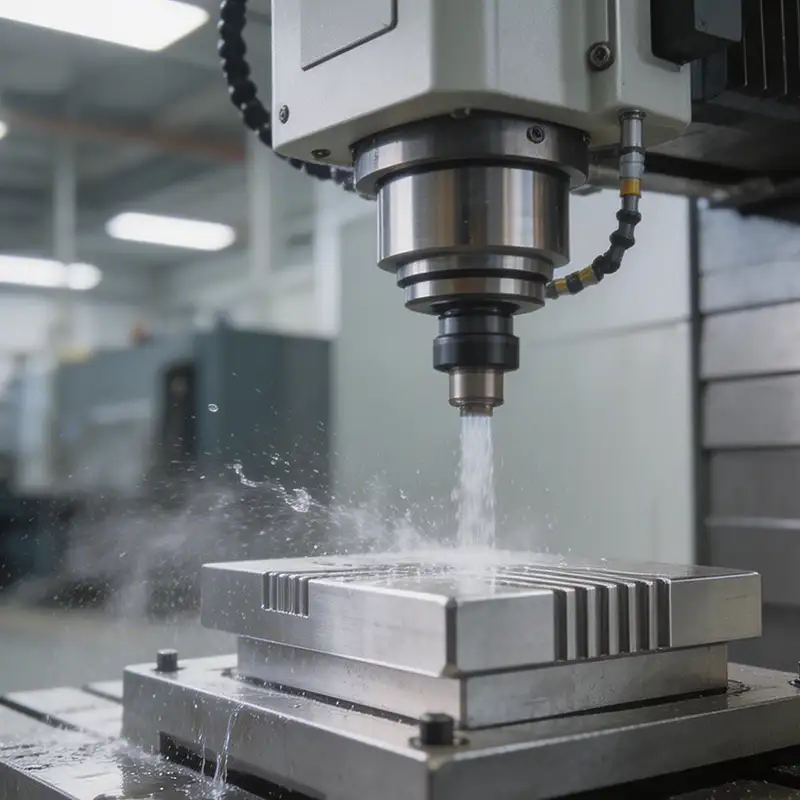
Custom CNC machining is a modern manufacturing process where computer-controlled machines shape materials into unique, precise parts. It’s the go-to method for creating one-off prototypes or specialized components that standard parts can’t match. Think of it as digital craftsmanship for the physical world.
Understanding the Basics of Custom CNC Machining
Let’s break it down together. CNC stands for Computer Numerical Control. In simple terms, it’s a process where a computer program directs cutting tools to remove material from a solid block—called a workpiece—to create a part. Now, custom CNC machining takes this a step further. It’s all about producing parts that are tailored to your exact, unique specifications. Whether you need a single prototype for a new invention or a small batch of specialized components, this is the process that brings your specific design to life with incredible accuracy.
How It Differs from Traditional Machining
You might be wondering how bespoke CNC milling differs from an operator manually using a lathe. The key difference is automation and precision. Traditional machining relies heavily on the skill of a machinist guiding tools by hand. Custom CNC work, however, uses digital blueprints (CAD files) to guide the machine with minimal human intervention. This shift is why we can achieve such complex geometries and tight tolerances consistently. It’s like the difference between handwriting a letter and printing one—both get the message across, but one offers unmatched consistency and detail.
The Real Value of Custom CNC Work
So, why would someone choose precision CNC manufacturing? The value is in its flexibility and capability. Imagine you’re designing a drone and need a lightweight, aerodynamic motor mount that doesn’t exist off the shelf. Custom CNC machining can make that for you, exactly to your design, from a material you select. It solves problems that standard parts can’t. The benefits are huge: you get high-mix, low-volume production capabilities, exceptional material choices (from metals like aluminum to engineering plastics), and the freedom to iterate designs quickly. It empowers innovators, engineers, and hobbyists to create what they envision without the constraints of mass-production tooling.
How to Get Started with a Custom CNC Project
Starting your first project can feel exciting! The first step is having a clear digital design. This usually means a 3D CAD model or detailed 2D drawings. Don’t worry if you’re not a designer; many machining partners can help refine your idea. Next, think about material and finish. Do you need the strength of stainless steel, the lightness of titanium, or the electrical properties of a specific plastic? A good rule of thumb is to be clear about your part’s function. Finally, communicate your timeline and budget. Being upfront helps your manufacturing partner guide you to the most efficient process, whether it’s CNC milling services or CNC turning.
Choosing the Right Manufacturing Partner
This is a crucial step. Look for a shop with experience in your type of part and the right equipment. Check if they offer DFM (Design for Manufacturability) feedback—this is where they suggest small tweaks to your design to make it easier and more cost-effective to produce without compromising function. It’s a sign they’re a true partner, not just an order-taker. Reading reviews or asking for case studies can give you a feel for their reliability. A great resource for understanding industry standards is the American Society of Mechanical Engineers (ASME) website, which covers many principles behind precision engineering.
Clearing Up Common Misconceptions
Let’s tackle a few myths head-on. A common one is what is CNC machining good for only huge production runs?” Not true! It’s fantastic for low-volume and one-off parts. Another is that it’s prohibitively expensive. While there are costs for setup and programming, for complex or precise parts, it’s often more economical than other methods when you factor in quality and time. Lastly, some think the process is limited in shape. Modern 5-axis CNC machining can create astonishingly complex forms that would be impossible manually. Understanding these points helps you see its full potential.
Wrapping Up: Your Path to Precision
In our friendly guide, we’ve explored how custom CNC machining turns unique digital designs into tangible, high-precision parts. It’s a blend of advanced technology and skilled craftsmanship that opens doors for custom solutions. Whether you’re answering the question how does CNC prototyping work or planning a full production run, this process offers the control and quality you need. Start with a clear design, partner with a knowledgeable machine shop, and you’re well on your way to bringing your precise idea into reality.