Categories
Manufacturing Process Comparisons

CNC Machining vs Sheet Metal: Which Process Wins for Your Project?

Choosing between CNC machining and sheet metal fabrication can be tricky. This friendly guide breaks down each process, from material removal to metal bending, to help you decide which manufacturing method is the winner for your specific part’s needs, budget, and timeline.

Understanding the Basics: Two Different Philosophies

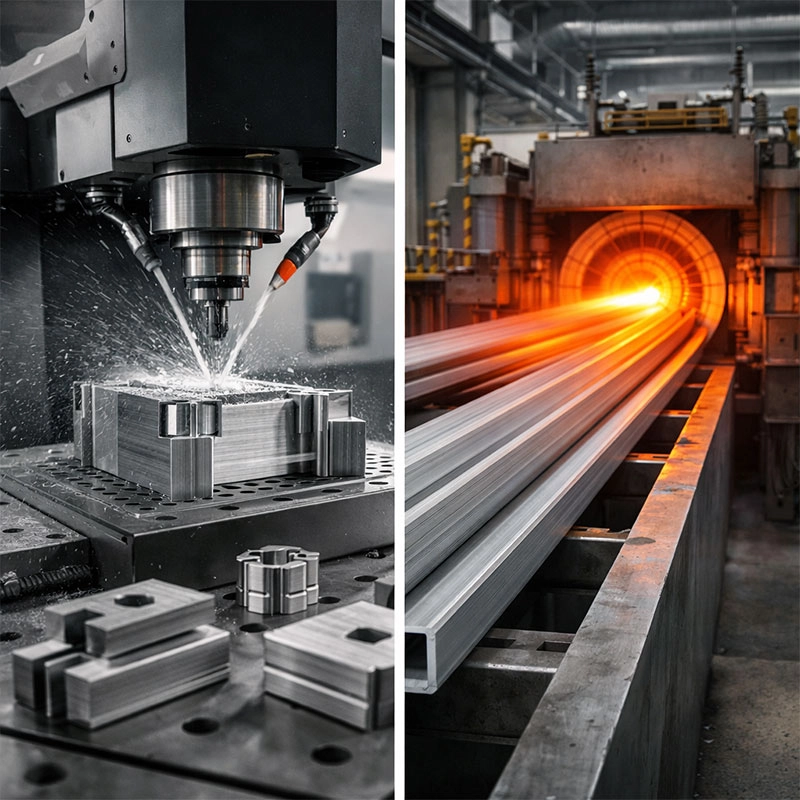
Let’s start with a simple analogy. Imagine you’re a sculptor. CNC machining is like starting with a solid block of marble and carefully carving away everything that isn’t your statue. Sheet metal fabrication, on the other hand, is more like working with clay—you start with a flat, pliable sheet and bend, cut, and join it to form your final shape. Both are fantastic for creating metal parts, but they follow completely different rules from the get-go.

What is CNC Machining?

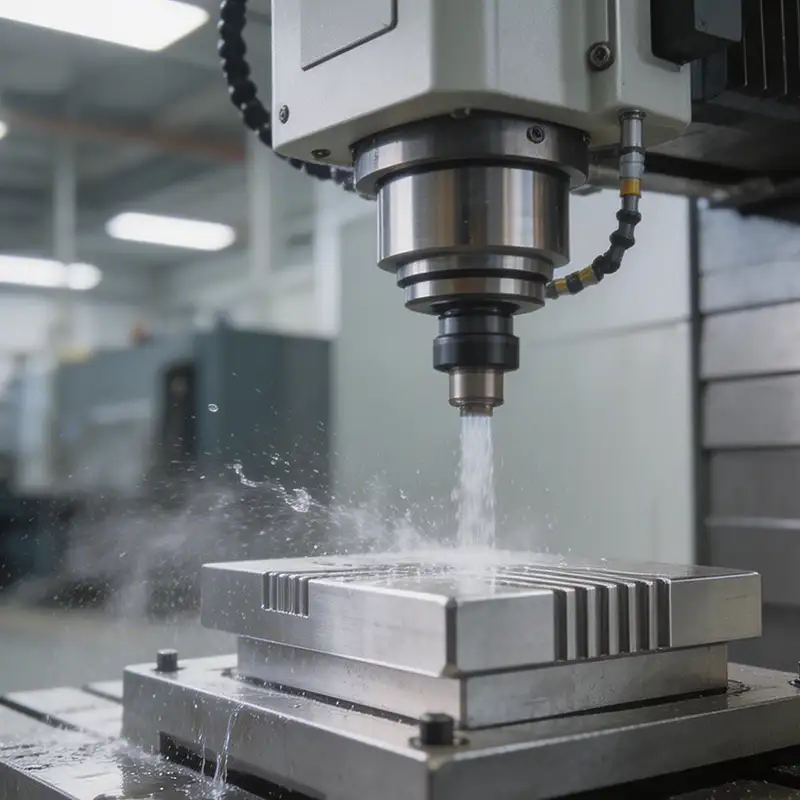
CNC (Computer Numerical Control) machining is a subtractive manufacturing process. You begin with a solid block of material—like aluminum, steel, or plastic—and a computer-controlled machine uses cutting tools to remove material until the desired part is created. It’s incredibly precise and can produce parts with complex geometries, tight tolerances, and excellent surface finishes. Think of engine components, intricate brackets, or custom gears. The American Society of Mechanical Engineers (ASME) provides extensive standards for the precision involved in these processes, which you can explore here.

What is Sheet Metal Fabrication?

Sheet metal forming, or simply sheet metal work, is a family of additive and formative processes. It involves transforming thin, flat sheets of metal (the “sheet metal”) into parts through cutting (like laser or punch), bending, stamping, and assembling (often with welding or rivets). This method is fantastic for creating enclosures, chassis, brackets, and ductwork—essentially, parts that are often hollow or box-like. It’s typically faster and more cost-effective for thin-walled structures.

Head-to-Head Comparison: Where Each Process Shins

So, in the debate of CNC milling vs sheet metal fabrication, how do you pick a side? It really comes down to your project’s specific needs. Let’s put them side-by-side on key factors.

Strengths of CNC Machining

Complexity & Precision: If your part has intricate 3D contours, deep pockets, or requires ultra-tight tolerances (think within thousandths of an inch), CNC is your champion. It excels at creating solid, highly detailed components from a single block.

Material Versatility: While both work with metals, CNC machining can also handle a wider range of solid materials, including various plastics and composites, right from the same machine.

Strength & Solid Parts: Because the part is milled from a solid block, it has consistent material strength throughout, with no seams or welds that could be potential weak points.

Strengths of Sheet Metal Work

Speed & Cost for Thin Parts: Need a prototype enclosure by next week? For thin, relatively simple shapes, sheet metal processes like laser cutting and bending are often much faster and cheaper than machining a hollow part from a solid block. The Fabricators & Manufacturers Association, Intl. discusses the efficiencies of modern fabrication here.

Weight Efficiency: By its nature, sheet metal creates lightweight, hollow structures—perfect for applications where saving every ounce matters, like in aerospace or portable electronics.

Scalability: Once the tools (like dies for stamping) are made, churning out thousands of identical sheet metal parts becomes very efficient and cost-effective, making it ideal for high-volume production.

Making the Right Choice for Your Project

Okay, let’s get practical. How do you, as someone looking for the best manufacturing method, make the call? I always suggest asking these questions:

What does the part look like? Is it a dense, solid component with complex curves (leaning toward CNC)? Or is it a housing, panel, or bracket made from thin metal (leaning toward fabrication)?

What’s the budget and timeline? For one-off prototypes or very complex parts, CNC might be more straightforward. For simpler, flat or bent parts in higher quantities, sheet metal fabrication often wins on cost and speed.

What are the strength requirements? Does the part need to be a solid chunk of metal, or is a formed and welded structure strong enough?

Sometimes, the winner isn’t one or the other! It’s common to see hybrid parts where a critical mounting feature is precision machined onto a larger, cost-effective sheet metal frame.

Clearing Up Common Misconceptions

I’ve chatted with many engineers and product developers, and a few myths always pop up. Let’s clear the air.

Myth 1: “CNC is always more expensive. Not true for complex, one-off parts! Machining that part from solid might be more economical than paying for multiple sheet metal setups, custom tooling, and assembly labor.

Myth 2: “Sheet metal parts aren’t precise. Modern laser cutters and press brakes are extremely accurate. While tolerances might differ from machining, they are more than sufficient for countless applications.

Myth 3: “You have to choose only one. As mentioned, combining processes is a smart strategy. Use sheet metal for the main body and CNC for critical interfacing features. This is a key consideration in mechanical design for manufacturing.

Final Thoughts: It’s About the Right Tool for the Job

So, which process wins in the battle of subtractive vs formative manufacturing? The real answer is that there’s no single winner—it depends entirely on your project’s goals. Think of CNC machining and sheet metal fabrication as two powerful tools in your manufacturing toolbox. One is a precision scalpel for solid, complex shapes; the other is a versatile set of shears and pliers for efficient, lightweight forms.

My best advice? Don’t get stuck on choosing just one. Sketch your part, define your requirements for strength, quantity, and budget, and then have a conversation with a knowledgeable manufacturing partner. Often, the best solution comes from understanding the strengths of both worlds. Good luck with your project!
Categories
Industries & Applications

Discover 10 Surprising CNC Machining Applications Today

When you think of CNC machining, you might picture industrial parts or automotive components. But its reach is far wider! This guide explores ten unexpected and fascinating uses of CNC technology, showing how this precise manufacturing process touches everything from art to medicine.

The Unexpected Value of CNC Machining

Hi there! If you’re curious about what CNC machining can really do, you’re in the right place. We often box it into “heavy industry,” but its true value lies in its incredible versatility and precision. Whether you’re a designer, engineer, artist, or just a curious mind, understanding the diverse applications of CNC technology opens up a world of possibilities. It’s not just about making parts; it’s about turning complex ideas into tangible reality with accuracy that’s hard to match by hand.

10 Surprising CNC Machining Applications

Let’s dive into some of the most creative and unexpected places where CNC milling and CNC turning applications shine. You might be surprised where this technology pops up!

Custom Musical Instruments

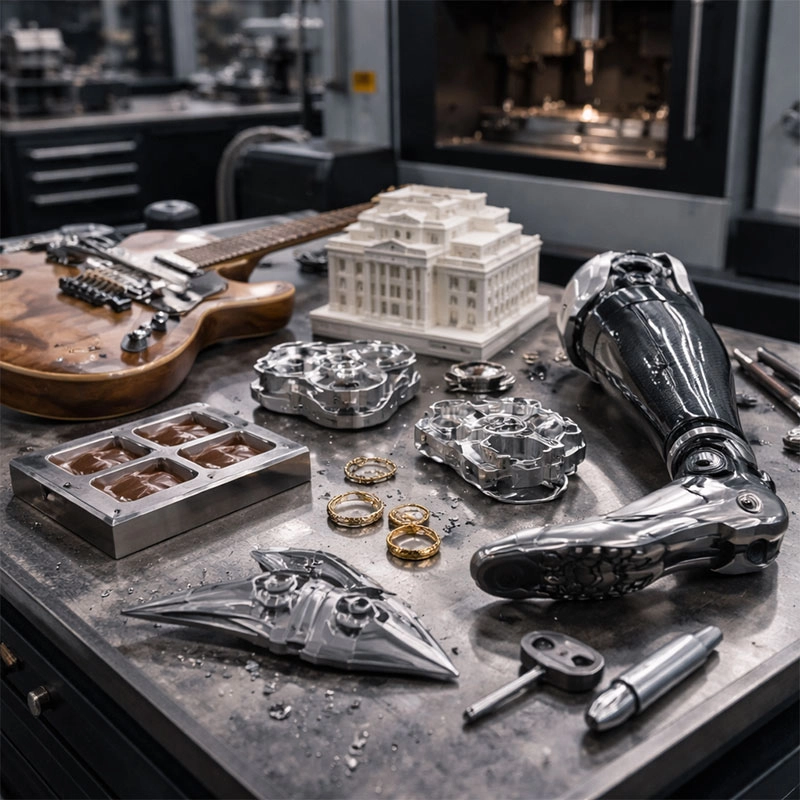
Imagine a guitar with a body carved from a single, exotic piece of wood, featuring intricate soundhole patterns that would be impossible to cut by hand. That’s CNC at work! Luthiers use it to create precise necks, fretboards, and even entire brass or woodwind instrument bodies. This level of precision machining ensures perfect intonation and unique aesthetic designs, allowing musicians to have truly one-of-a-kind instruments. For more on advanced manufacturing techniques, you can check out resources from ASME.

Architectural Models & Art

Before a skyscraper rises, architects often present detailed scale models. CNC machines carve these models from foam, wood, or acrylic with stunning detail. Beyond models, artists are using CNC as a digital chisel to create large-scale sculptures, intricate wall panels, and textured installations. It’s a fantastic example of how computer numerical control bridges the gap between digital design and physical art.

Medical Prosthetics & Orthotics

This is where CNC machining makes a profound human impact. Using 3D scans of a patient, technicians can machine custom prosthetic limbs or orthotic braces that fit perfectly. The materials used, like medical-grade titanium or polymers, are easily worked by CNC to create lightweight, strong, and comfortable devices. This application highlights the critical role of CNC manufacturing in improving quality of life.

The Food Industry

Yes, you read that right! While not cutting food directly, CNC machines are vital in creating the molds and dies used for food production. Think of the complex shapes of chocolate bars, the detailed designs on cookies, or the molds for pasta. The machines that make those production tools are often CNC, ensuring consistency and intricate design in what we eat.

Custom Jewelry & Fashion

High-end and custom jewelry relies on the fine detail of CNC machining, especially for wax molds used in casting. Designers can create incredibly complex patterns and settings that would be too time-consuming or fragile to make manually. Furthermore, some designers are machining metal accessories, custom buttons, or even elements for haute couture directly, pushing the boundaries of machining uses in fashion.

Historical Restoration

Restoring a historic building or vehicle often requires replicating a broken or missing part that hasn’t been made for a century. Conservators can 3D scan the original or its counterpart, design a replacement digitally, and use CNC machining to create a perfect replica in the correct material, whether it’s vintage brass, wrought iron, or rare wood.

Scientific Instruments

Research labs depend on precision. Custom lens holders, sample chambers, components for spectrometers, and parts for particle accelerators often require the tolerances only CNC can provide. These uses of CNC machines enable scientific breakthroughs by creating the specialized tools researchers need.

Custom Furniture & Woodworking

Modern woodworkers use CNC routers to bring new designs to life. They can produce complex joinery like dovetails or mortise-and-tenon joints with perfect repeatability, carve elaborate decorative panels, or cut out unique furniture shapes. It allows for a blend of traditional craftsmanship with digital precision, expanding what’s possible in custom furniture design.

Aerospace Prototypes & Components

While aerospace is a known field for CNC, the surprising part is the prototyping of unconventional components. Before committing to expensive casting dies for a new engine bracket or satellite housing, engineers will often machine a functional prototype directly from metal or composite block using CNC. This allows for rapid testing and iteration. Standards for such high-stakes manufacturing are rigorous, and information can be found through organizations like SAE International.

Movie Props & Cosplay

Next time you see a hero’s detailed armor or a futuristic weapon in a film, there’s a good chance CNC helped make it. Prop shops machine parts from foam, urethane, or lightweight composites to create durable, detailed, and repeatable props. Similarly, dedicated cosplayers use desktop CNC routers to create incredibly accurate costumes and accessories, showcasing the creative applications of CNC milling in fandom.

How to Explore CNC for Your Project

Feeling inspired? If you have a project that could benefit from precision, here’s a friendly suggestion: start with a clear digital design. Software like CAD is your blueprint. Then, look for a local machine shop or a maker space with CNC capabilities. Don’t be afraid to discuss your idea with them—they can advise on the best materials (like aluminum, plastics, or woods) and machining processes for your needs. Many shops love working on unique, non-industrial projects!

Busting Common Myths About CNC Uses

Let’s clear up a couple of things! A common myth is that CNC is only for huge, expensive metal parts. As you’ve seen, it’s fantastic for prototyping, one-off custom items, and softer materials like wood and plastic. Another is that it removes all skill from creation. On the contrary, it requires skilled operators to program, set up, and manage the process—the skill shifts from manual dexterity to digital mastery and technical knowledge.

Final Thoughts

So, there you have it! From the concert hall to the operating room, and from the movie set to your dining room table, CNC machining applications are far more diverse than we often assume. It’s a tool of incredible precision that empowers creativity and innovation across countless fields. We hope this tour has given you a new appreciation for the surprising and wonderful world of CNC machine applications. Who knows what you’ll create with it next?

Categories
CNC Machining Basics

What Is Custom CNC Machining? Your Friendly Guide to Precision

Custom CNC machining is a modern manufacturing process where computer-controlled machines shape materials into unique, precise parts. It’s the go-to method for creating one-off prototypes or specialized components that standard parts can’t match. Think of it as digital craftsmanship for the physical world.

Understanding the Basics of Custom CNC Machining

Let’s break it down together. CNC stands for Computer Numerical Control. In simple terms, it’s a process where a computer program directs cutting tools to remove material from a solid block—called a workpiece—to create a part. Now, custom CNC machining takes this a step further. It’s all about producing parts that are tailored to your exact, unique specifications. Whether you need a single prototype for a new invention or a small batch of specialized components, this is the process that brings your specific design to life with incredible accuracy.

How It Differs from Traditional Machining

You might be wondering how bespoke CNC milling differs from an operator manually using a lathe. The key difference is automation and precision. Traditional machining relies heavily on the skill of a machinist guiding tools by hand. Custom CNC work, however, uses digital blueprints (CAD files) to guide the machine with minimal human intervention. This shift is why we can achieve such complex geometries and tight tolerances consistently. It’s like the difference between handwriting a letter and printing one—both get the message across, but one offers unmatched consistency and detail.

The Real Value of Custom CNC Work

So, why would someone choose precision CNC manufacturing? The value is in its flexibility and capability. Imagine you’re designing a drone and need a lightweight, aerodynamic motor mount that doesn’t exist off the shelf. Custom CNC machining can make that for you, exactly to your design, from a material you select. It solves problems that standard parts can’t. The benefits are huge: you get high-mix, low-volume production capabilities, exceptional material choices (from metals like aluminum to engineering plastics), and the freedom to iterate designs quickly. It empowers innovators, engineers, and hobbyists to create what they envision without the constraints of mass-production tooling.

How to Get Started with a Custom CNC Project

Starting your first project can feel exciting! The first step is having a clear digital design. This usually means a 3D CAD model or detailed 2D drawings. Don’t worry if you’re not a designer; many machining partners can help refine your idea. Next, think about material and finish. Do you need the strength of stainless steel, the lightness of titanium, or the electrical properties of a specific plastic? A good rule of thumb is to be clear about your part’s function. Finally, communicate your timeline and budget. Being upfront helps your manufacturing partner guide you to the most efficient process, whether it’s CNC milling services or CNC turning.

Choosing the Right Manufacturing Partner

This is a crucial step. Look for a shop with experience in your type of part and the right equipment. Check if they offer DFM (Design for Manufacturability) feedback—this is where they suggest small tweaks to your design to make it easier and more cost-effective to produce without compromising function. It’s a sign they’re a true partner, not just an order-taker. Reading reviews or asking for case studies can give you a feel for their reliability. A great resource for understanding industry standards is the American Society of Mechanical Engineers (ASME) website, which covers many principles behind precision engineering.

Clearing Up Common Misconceptions

Let’s tackle a few myths head-on. A common one is what is CNC machining good for only huge production runs?” Not true! It’s fantastic for low-volume and one-off parts. Another is that it’s prohibitively expensive. While there are costs for setup and programming, for complex or precise parts, it’s often more economical than other methods when you factor in quality and time. Lastly, some think the process is limited in shape. Modern 5-axis CNC machining can create astonishingly complex forms that would be impossible manually. Understanding these points helps you see its full potential.

Wrapping Up: Your Path to Precision

In our friendly guide, we’ve explored how custom CNC machining turns unique digital designs into tangible, high-precision parts. It’s a blend of advanced technology and skilled craftsmanship that opens doors for custom solutions. Whether you’re answering the question how does CNC prototyping work or planning a full production run, this process offers the control and quality you need. Start with a clear design, partner with a knowledgeable machine shop, and you’re well on your way to bringing your precise idea into reality.

Categories
CNC Materials

Can CNC Machines Cut Aluminum? 5 Essential Tips for Success

Absolutely! CNC machines are exceptionally well-suited for cutting aluminum. It’s one of the most popular materials in the machining world due to its excellent machinability, strength-to-weight ratio, and versatility. This guide will walk you through why aluminum is a machinist’s friend and share five key tips to ensure your projects are a success, from choosing the right tools to perfecting your finish.

Mastering Aluminum Machining with CNC Technology

If you’re wondering, “can a CNC machine cut aluminum?” or “is aluminum good for CNC machining?”, let me put your mind at ease. The answer is a resounding yes! In fact, milling aluminum on a CNC router or machining center is a fundamental process in workshops everywhere. The real question isn’t *if* you can do it, but *how well* you can do it. Aluminum’s properties make it a dream to work with compared to tougher metals, but to get those clean, precise, and efficient results, a little know-how goes a long way. Think of it like driving a high-performance car; it’s capable of amazing things, but you need to understand the controls to get the best ride.

Tip 1: Select the Right Aluminum Alloy for Your Project

Not all aluminum is created equal. Your first step to success is picking the correct grade. Choosing the wrong one can lead to poor surface finishes, tool wear, or even a part that doesn’t meet its strength requirements. It’s the foundation of your entire CNC aluminum fabrication process.

Understanding Common Alloys

You’ll often hear machinists talk about series like 6061, 7075, or 5052. Here’s a quick breakdown: 6061 aluminum is the most common general-purpose alloy. It’s highly weldable, has good corrosion resistance, and offers great all-around machinability, making it perfect for prototypes, brackets, and frames. For high-stress applications like aerospace components, 7075 aluminum is the go-to. It’s much stronger but also harder to machine. So, ask yourself: do I need maximum strength or easier machinability? Your answer will guide your aluminum material selection.

Tip 2: Optimize Your Cutting Tools and Parameters

This is where the magic happens. Using the wrong tool or running it too slow or fast is the most common pitfall. Proper setup here directly answers the search for “best tools for milling aluminum” and ensures efficient aluminum CNC milling.

Tool Selection is Key

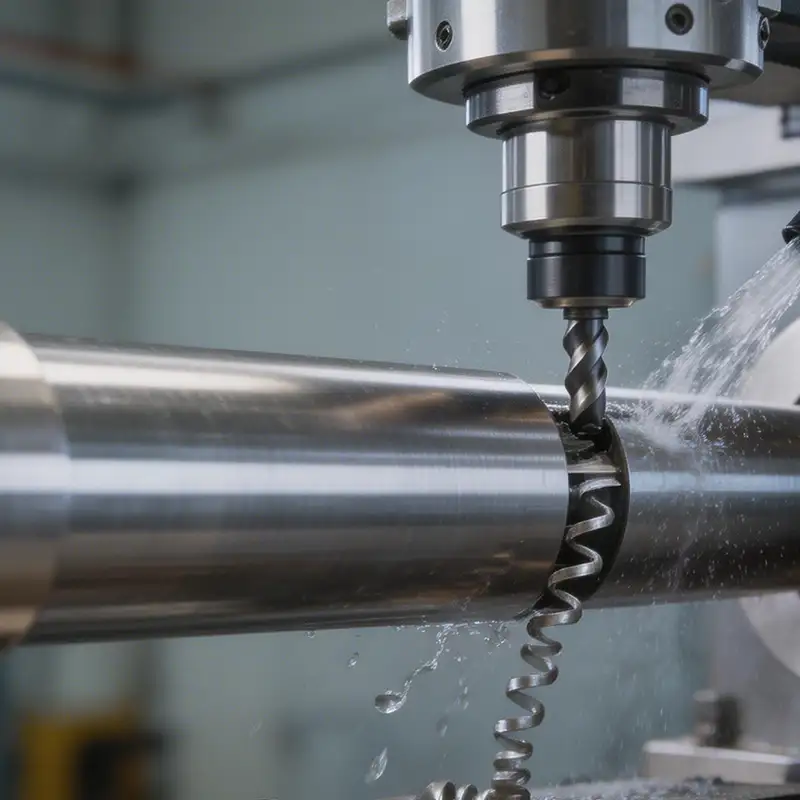
For aluminum, you generally want sharp, polished flutes that help chips slide away easily. Carbide end mills are the standard. I often recommend a 3-flute end mill for a great balance of material removal and finish. For roughing, a tool with a variable helix can really help reduce vibration. And don’t forget about coatings! An uncoated or ZrN (zirconium nitride) coated tool often works better than the standard TiAlN used for steel, as it reduces the material’s tendency to stick to the tool.

Dialing in Feeds and Speeds

Running your spindle too slow can cause the tool to rub instead of cut, building up heat and loading up with material. Too fast, and you risk deflection or breaking the tool. A good starting point is to use a feeds and speeds calculator. Remember, aluminum likes high spindle speeds and high feed rates. This creates thin, easy-to-evacuate chips and carries heat away. It might feel counterintuitive at first, but a more aggressive cut can often give you a better finish and longer tool life.

Tip 3: Master Chip Control and Evacuation

In aluminum work, the chips are your enemy if they’re not managed. Recutting chips is a primary cause of poor surface finish and tool failure. Good chip evacuation is non-negotiable for quality precision aluminum machining.

You can help this process along. Using compressed air or a coolant mist directed at the cut can blast chips out of the way. For deep pocket operations, consider using a toolpath strategy like trochoidal milling or high-efficiency milling (HEM), which keeps the tool engaged consistently and helps break chips into manageable pieces. It’s like keeping your work area clean while you build a model—it prevents mistakes and makes everything smoother.

Tip 4: Use Effective Cooling and Lubrication

While aluminum dissipates heat well, the cutting zone can still get very hot. The right coolant or lubricant serves two main purposes: it cools the tool and workpiece, and it prevents aluminum from welding itself to the cutting edges of your tool (a problem called built-up edge or BUE).

For many hobbyists or smaller shops, a simple flood coolant or a robust mist system works wonders. If you’re using a CNC router without a full enclosure, a spray bottle with a dedicated aluminum cutting fluid or even isopropyl alcohol can be effective for light work. The goal is to keep things cool and slippery. Resources from organizations like the Society of Manufacturing Engineers (SME) offer deeper dives into metalworking fluids.

Tip 5: Secure Your Workpiece and Minimize Vibration

Aluminum is relatively soft, which means it can flex and vibrate during aggressive cuts. This chatter shows up as visible marks on your part and can damage your tools. A rigid setup is your best defense.

Use sturdy vises, clamps, or even specialized fixtures to hold your stock. For thin-walled parts, consider using soft jaws machined to the part’s contour for maximum support. Also, ensure your machine itself is on a solid foundation. Taking the time to get a rock-solid setup might seem tedious, but it pays off with a mirror-like finish and dimensional accuracy that makes your CNC aluminum parts look professionally made.

Wrapping Up Your Aluminum CNC Journey

So, can you machine aluminum on a CNC? Without a doubt. By focusing on these five areas—choosing the right alloy, optimizing your tools and speeds, managing chips, using coolant, and ensuring a rigid setup—you’ll transform from simply cutting aluminum to mastering it. Every project is a chance to learn and refine your process. Start with a forgiving alloy like 6061, apply these tips, and you’ll be producing clean, precise, and strong aluminum components in no time. Happy machining!

Categories
Design, Cost & Sourcing

Your Guide to Choosing the Perfect Precision CNC Machining Supplier

Choosing the right precision CNC machining supplier is a critical decision that impacts your project’s quality, timeline, and budget. This guide walks you through the key factors to consider, from technical capabilities and quality control to communication and value, helping you make an informed and confident choice for your manufacturing needs.

Key Factors for Selecting a Precision CNC Machining Partner

When you’re looking for a supplier for your CNC machining services, it’s like picking a teammate for a crucial project. You need someone reliable, skilled, and easy to work with. The goal isn’t just to find a vendor; it’s to find a true manufacturing partner who understands your vision. Let’s break down the most important things to look for.

Technical Capabilities and Equipment

First things first, can they actually make your part? This goes beyond just having CNC machines. You need to dig into their specific precision machining expertise. Ask about their machine shop’s equipment: Do they have multi-axis mills and lathes capable of the complex geometries you need? What materials are they experienced with—aluminum, stainless steel, titanium, or engineering plastics? For instance, a shop specializing in prototype work might be perfect for low-volume, complex parts, while another might excel at high-volume production. It’s always a good idea to request examples of past work similar to your project. You might find that a supplier’s experience with a specific industry, like aerospace or medical device manufacturing, gives them a huge edge in understanding your tolerances and regulatory needs.

Quality Assurance and Certifications

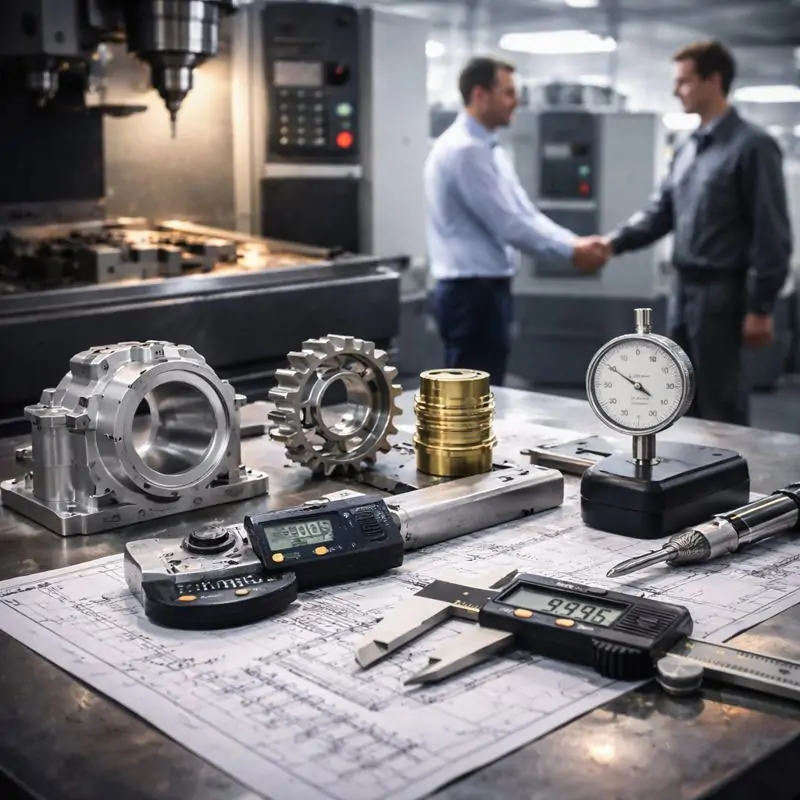
Precision is in the name for a reason. A tiny deviation can render a part useless. That’s why a robust quality management system is non-negotiable. Look for suppliers with recognized certifications like ISO 9001 or, even better, industry-specific ones like AS9100 for aerospace or ISO 13485 for medical devices. These aren’t just plaques on the wall; they represent a documented commitment to consistency. Ask them about their inspection process. Do they use advanced metrology equipment like CMMs (Coordinate Measuring Machines) or optical comparators? A reliable partner will be transparent about their quality control steps and should provide detailed inspection reports with your first article. This is a core part of any machining supplier selection process.

The Supplier Evaluation and Selection Process

Once you know what to look for, it’s time to start the actual hunt. This process is more of a conversation than a checklist. We recommend you approach it with clear communication and a focus on building a relationship, not just getting a quote.

The RFQ and Communication Stage

Your request for quote (RFQ) is your first impression. Make it clear and detailed with complete drawings, material specs, tolerances, and quantities. But here’s a pro tip: pay as much attention to their *response* as to the price. How quickly did they reply? Did they ask insightful questions to clarify your design for manufacturability (DFM)? A good partner will suggest potential optimizations that could save you time and money. Their communication style here is a strong indicator of what it will be like to work with them. Are they proactive and helpful, or just sending back a number? This early dialogue is crucial for finding a CNC machine shop that aligns with your workflow.

Making the Final Decision

You’ve got a few quotes and have had initial chats. Now, it’s decision time. Price is important, but it shouldn’t be the sole deciding factor. Consider the total value. A slightly higher quote from a shop with better equipment, stricter quality controls, and excellent communication might save you from costly delays or rework down the line. Think about logistics, too. Can they handle your required lead times? What is their policy on revisions or issues? Sometimes, visiting the facility or arranging a video tour can give you immense peace of mind. You’re not just choosing a service; you’re choosing a business relationship for your contract manufacturing needs.

Common Pitfalls and How to Avoid Them

Let’s talk about some common mistakes people make so you can steer clear of them. One big one is focusing only on the unit price. The cheapest option often cuts corners on quality, communication, or reliability, leading to higher total costs. Another pitfall is not checking references or past client testimonials. A reputable CNC machining vendor should be happy to connect you with a past client (with their permission, of course). Also, don’t assume all capabilities are equal—a shop great at aluminum might struggle with titanium. Always verify their specific experience. Finally, unclear communication of your expectations from the start is a recipe for frustration. Be as detailed as possible in your initial brief.

Conclusion: Building a Lasting Partnership

Choosing the perfect precision CNC machining supplier is a strategic investment. By thoroughly evaluating technical capabilities, quality systems, communication, and overall value, you’re setting your project up for success. Remember, the best outcome is a long-term partnership where your supplier becomes an extension of your own team, contributing expertise and reliability to bring your designs to life. Take your time, ask the right questions, and trust the process. Your perfect manufacturing partner is out there. For more on industry standards, you can review information from authoritative sources like the American Society of Mechanical Engineers (ASME).

Request A Quote

We'll Send You Back with Price Immediately!

DEC 1-31

XMAS SPECEIL

Up to

40% off

Your Guide to Choosing the Perfect Precision CNC Machining Supplier

We'll Send You Back with Price Immediately!