Choosing between CNC machining and extrusion can be tricky. Both are fantastic for creating metal and plastic parts, but they work in very different ways. This guide will walk you through the basics of each process, their strengths, and typical uses to help you decide which one fits your project best.
Comparing Manufacturing Methods: CNC Machining and Aluminum Extrusion
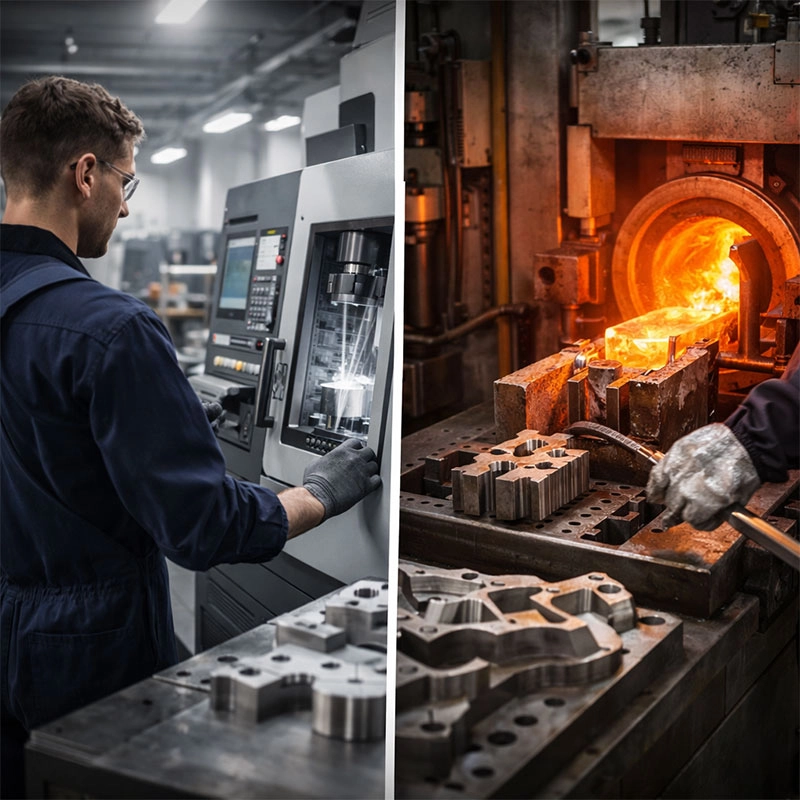
When you’re looking into CNC machining vs extrusion, it’s like comparing a sculptor to a pastry chef. One carves away from a solid block, while the other pushes material through a shaped die. Both methods, including subtractive manufacturing (CNC) and profile extrusion, are pillars of modern fabrication. Let’s break down how each one operates.
What is CNC Machining?
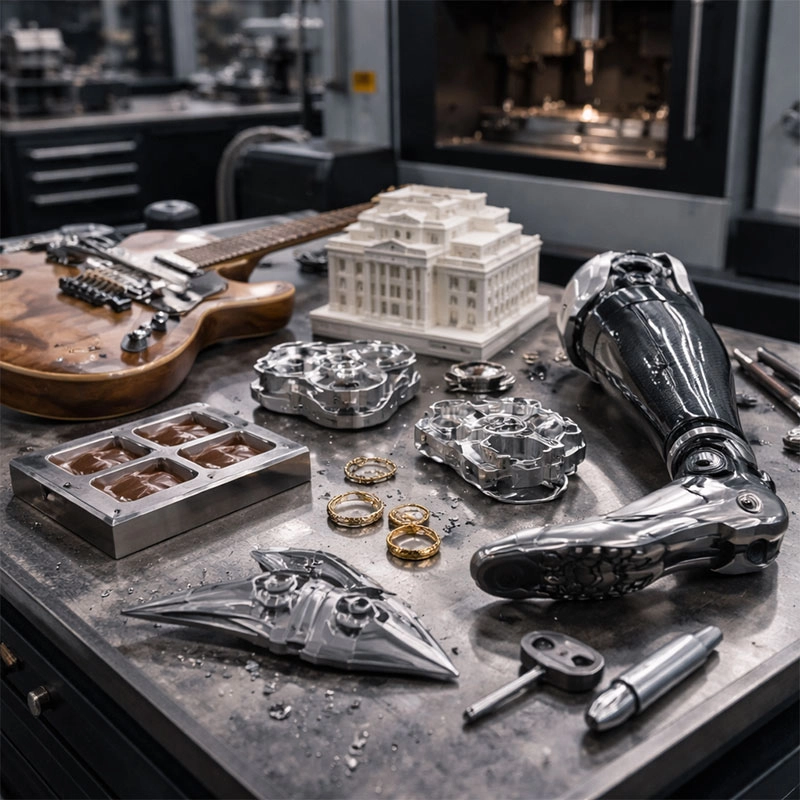
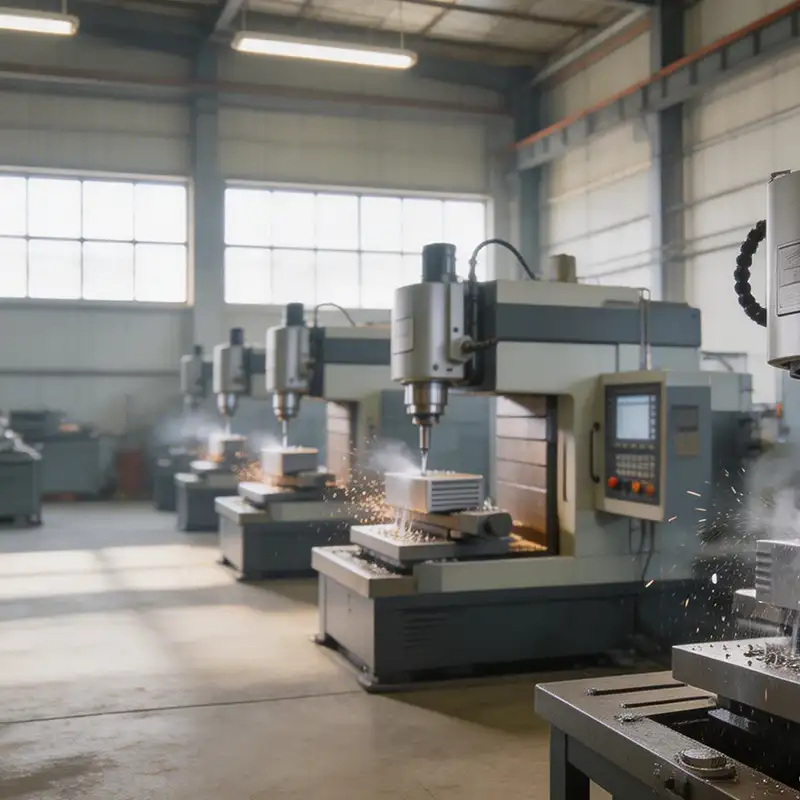
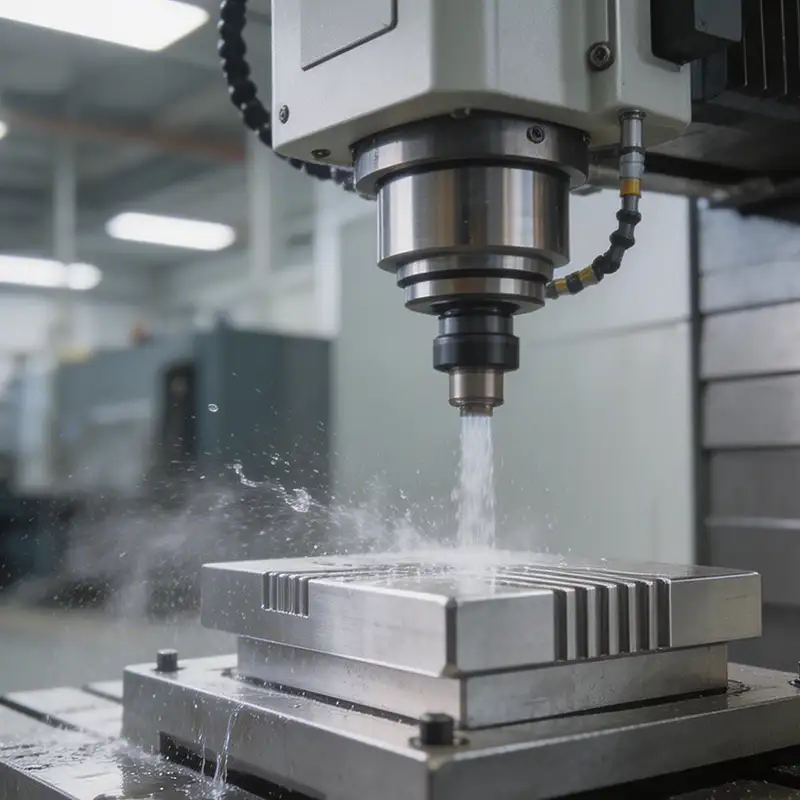
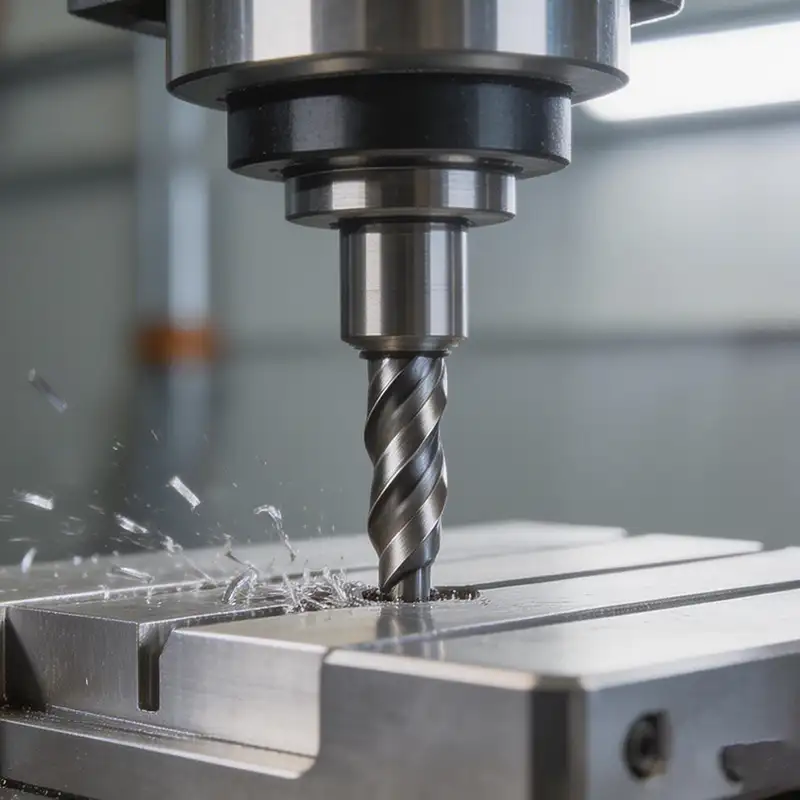
CNC machining is a subtractive manufacturing process. Imagine you have a solid block of metal or plastic (we call this a “blank” or “workpiece”). A computer-controlled machine uses cutting tools to precisely remove material, layer by layer, until the final part is revealed. It’s incredibly versatile, allowing for complex 3D shapes, tight tolerances, and excellent surface finishes. Common searches like how does CNC milling work or precision machining services often lead people to discover this method’s capabilities for prototypes and end-use parts.
What is Extrusion?
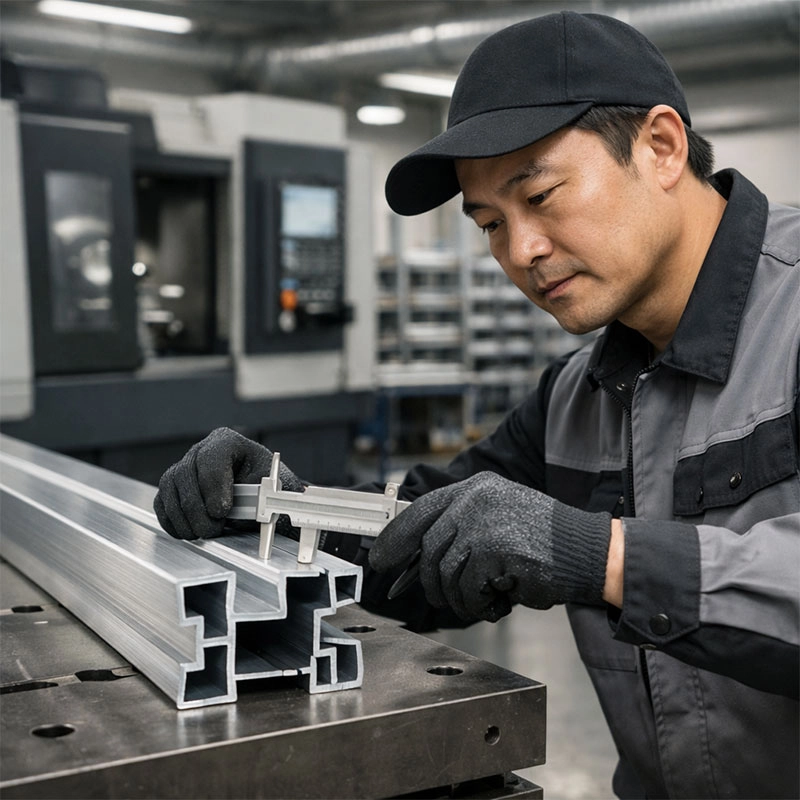
Extrusion, particularly aluminum extrusion, is a forming process. Here, a material (usually aluminum) is heated and forced through a shaped opening called a die. Think of it like squeezing playdough through a mold—the material takes on the continuous cross-sectional profile of that die. This process is fantastic for creating long, consistent shapes like rails, frames, and tracks. If you’ve ever wondered what is aluminum extrusion used for, look at window frames or structural components—they’re classic examples.
Key Differences Compared
Now that we know how they work, let’s put them side-by-side. The choice often boils down to your project’s specific needs in terms of material, design, and budget.
Material and Starting Form
CNC machining typically starts with a solid block, billet, or bar stock. You can machine a wide range of materials, from metals like aluminum and steel to various plastics. Extrusion, on the other hand, primarily works with materials that can be pushed through a die when heated—aluminum is the superstar here, but plastics like PVC are also common. The starting point for extrusion is usually cylindrical billets of these softer, more malleable materials.
Design Complexity and Geometry
This is a major differentiator. CNC is your go-to for complex, intricate, and fully three-dimensional parts. Need internal channels, undercuts, or highly detailed features? CNC milling and turning can handle it. Extrusion is ideal for parts with a constant 2D cross-section that runs along a length. It’s perfect for linear shapes. While you can do some secondary CNC machining on extruded profiles to add holes or features, the core geometry comes from that die.
Cost and Lead Time Considerations
For low to medium volumes of complex parts, CNC can be cost-effective because there’s no expensive tooling—just digital instructions. However, material waste (chips from cutting) can add cost. Extrusion requires a custom die, which is an upfront investment. But once that’s made, producing long runs of the profile becomes very economical per part. So, for a one-off prototype, CNC often wins on speed and cost. For a long production run of a simple shape, extrusion is usually the better cost-effective manufacturing choice.
Which Process is Right for Your Project?
So, how do you choose? Let’s make it practical. I often advise clients to start by sketching their part and asking a few key questions about its use and volume.
When to Choose CNC Machining
Opt for computer numerical control machining when your part has complex geometries, requires very tight tolerances (±0.001 inches or better), or needs to be made from a specific, hard-to-extrude material. It’s perfect for prototypes, custom fixtures, low-volume production, and parts that are fully 3D. If you’re searching for rapid prototyping services, you’ll likely be looking at CNC or 3D printing. For instance, a client of mine needed a custom sensor housing with intricate internal mounts—CNC was the only way to go.
When to Choose Extrusion
Choose metal extrusion or plastic extrusion when you need a long, linear part with a uniform cross-section. It’s ideal for structural components, frames, enclosures, and heat sinks. If you plan to produce thousands of feet of the same profile, the low per-part cost after the initial die is made is unbeatable. A great resource to understand standardized profiles is the Aluminum Association’s design standards. For example, if you’re building a modular frame system, extrusion allows for easy integration and consistent parts.
Clearing Up Common Misconceptions
Let’s tackle a couple of myths I hear often. First, some think extrusion is only for simple shapes and can’t be precise. While the initial profile is limited, you can achieve high precision through careful die design and secondary machining. Second, people sometimes believe CNC is always more expensive. For one-off parts, it’s often cheaper! The real cost in extrusion is the die. Finally, these processes aren’t always rivals. Many successful projects use both: an extruded aluminum profile for the main structure, with precision CNC machined brackets and connectors attached. The best choice depends on your specific design, material, and production goals.