

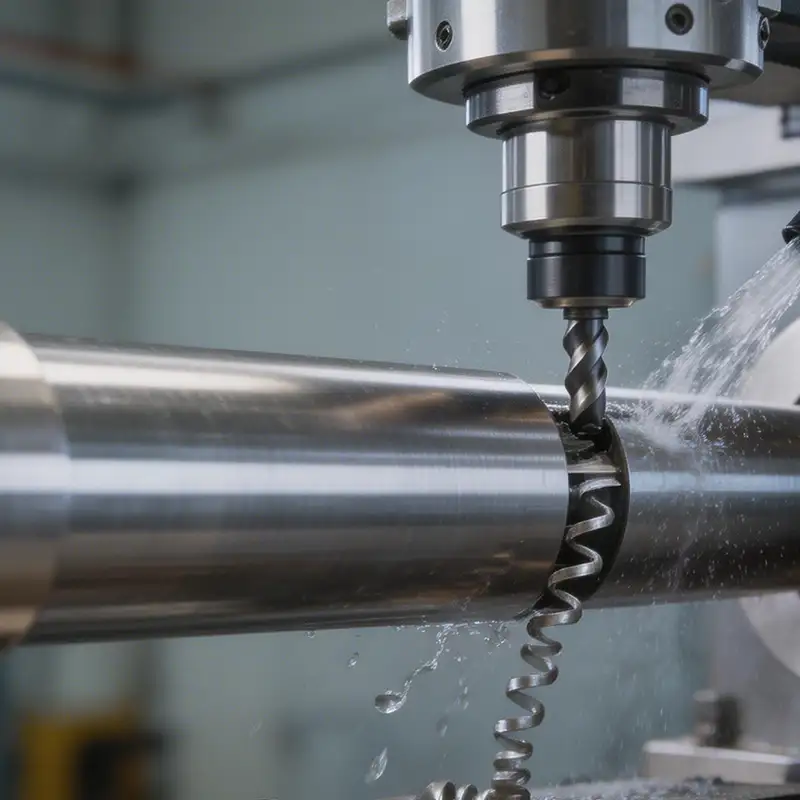
Absolutely! CNC machines are exceptionally well-suited for cutting aluminum. It’s one of the most popular materials in the machining world due to its excellent machinability, strength-to-weight ratio, and versatility. This guide will walk you through why aluminum is a machinist’s friend and share five key tips to ensure your projects are a success, from choosing the right tools to perfecting your finish.
- Mastering Aluminum Machining with CNC Technology
- Tip 1: Select the Right Aluminum Alloy for Your Project
- Tip 2: Optimize Your Cutting Tools and Parameters
- Tip 3: Master Chip Control and Evacuation
- Tip 4: Use Effective Cooling and Lubrication
- Tip 5: Secure Your Workpiece and Minimize Vibration
- Wrapping Up Your Aluminum CNC Journey
Mastering Aluminum Machining with CNC Technology
If you’re wondering, “can a CNC machine cut aluminum?” or “is aluminum good for CNC machining?”, let me put your mind at ease. The answer is a resounding yes! In fact, milling aluminum on a CNC router or machining center is a fundamental process in workshops everywhere. The real question isn’t *if* you can do it, but *how well* you can do it. Aluminum’s properties make it a dream to work with compared to tougher metals, but to get those clean, precise, and efficient results, a little know-how goes a long way. Think of it like driving a high-performance car; it’s capable of amazing things, but you need to understand the controls to get the best ride.
Tip 1: Select the Right Aluminum Alloy for Your Project
Not all aluminum is created equal. Your first step to success is picking the correct grade. Choosing the wrong one can lead to poor surface finishes, tool wear, or even a part that doesn’t meet its strength requirements. It’s the foundation of your entire CNC aluminum fabrication process.
Understanding Common Alloys
You’ll often hear machinists talk about series like 6061, 7075, or 5052. Here’s a quick breakdown: 6061 aluminum is the most common general-purpose alloy. It’s highly weldable, has good corrosion resistance, and offers great all-around machinability, making it perfect for prototypes, brackets, and frames. For high-stress applications like aerospace components, 7075 aluminum is the go-to. It’s much stronger but also harder to machine. So, ask yourself: do I need maximum strength or easier machinability? Your answer will guide your aluminum material selection.
Tip 2: Optimize Your Cutting Tools and Parameters
This is where the magic happens. Using the wrong tool or running it too slow or fast is the most common pitfall. Proper setup here directly answers the search for “best tools for milling aluminum” and ensures efficient aluminum CNC milling.
Tool Selection is Key
For aluminum, you generally want sharp, polished flutes that help chips slide away easily. Carbide end mills are the standard. I often recommend a 3-flute end mill for a great balance of material removal and finish. For roughing, a tool with a variable helix can really help reduce vibration. And don’t forget about coatings! An uncoated or ZrN (zirconium nitride) coated tool often works better than the standard TiAlN used for steel, as it reduces the material’s tendency to stick to the tool.
Dialing in Feeds and Speeds
Running your spindle too slow can cause the tool to rub instead of cut, building up heat and loading up with material. Too fast, and you risk deflection or breaking the tool. A good starting point is to use a feeds and speeds calculator. Remember, aluminum likes high spindle speeds and high feed rates. This creates thin, easy-to-evacuate chips and carries heat away. It might feel counterintuitive at first, but a more aggressive cut can often give you a better finish and longer tool life.
Tip 3: Master Chip Control and Evacuation
In aluminum work, the chips are your enemy if they’re not managed. Recutting chips is a primary cause of poor surface finish and tool failure. Good chip evacuation is non-negotiable for quality precision aluminum machining.
You can help this process along. Using compressed air or a coolant mist directed at the cut can blast chips out of the way. For deep pocket operations, consider using a toolpath strategy like trochoidal milling or high-efficiency milling (HEM), which keeps the tool engaged consistently and helps break chips into manageable pieces. It’s like keeping your work area clean while you build a model—it prevents mistakes and makes everything smoother.
Tip 4: Use Effective Cooling and Lubrication
While aluminum dissipates heat well, the cutting zone can still get very hot. The right coolant or lubricant serves two main purposes: it cools the tool and workpiece, and it prevents aluminum from welding itself to the cutting edges of your tool (a problem called built-up edge or BUE).
For many hobbyists or smaller shops, a simple flood coolant or a robust mist system works wonders. If you’re using a CNC router without a full enclosure, a spray bottle with a dedicated aluminum cutting fluid or even isopropyl alcohol can be effective for light work. The goal is to keep things cool and slippery. Resources from organizations like the Society of Manufacturing Engineers (SME) offer deeper dives into metalworking fluids.
Tip 5: Secure Your Workpiece and Minimize Vibration
Aluminum is relatively soft, which means it can flex and vibrate during aggressive cuts. This chatter shows up as visible marks on your part and can damage your tools. A rigid setup is your best defense.
Use sturdy vises, clamps, or even specialized fixtures to hold your stock. For thin-walled parts, consider using soft jaws machined to the part’s contour for maximum support. Also, ensure your machine itself is on a solid foundation. Taking the time to get a rock-solid setup might seem tedious, but it pays off with a mirror-like finish and dimensional accuracy that makes your CNC aluminum parts look professionally made.
Wrapping Up Your Aluminum CNC Journey
So, can you machine aluminum on a CNC? Without a doubt. By focusing on these five areas—choosing the right alloy, optimizing your tools and speeds, managing chips, using coolant, and ensuring a rigid setup—you’ll transform from simply cutting aluminum to mastering it. Every project is a chance to learn and refine your process. Start with a forgiving alloy like 6061, apply these tips, and you’ll be producing clean, precise, and strong aluminum components in no time. Happy machining!