

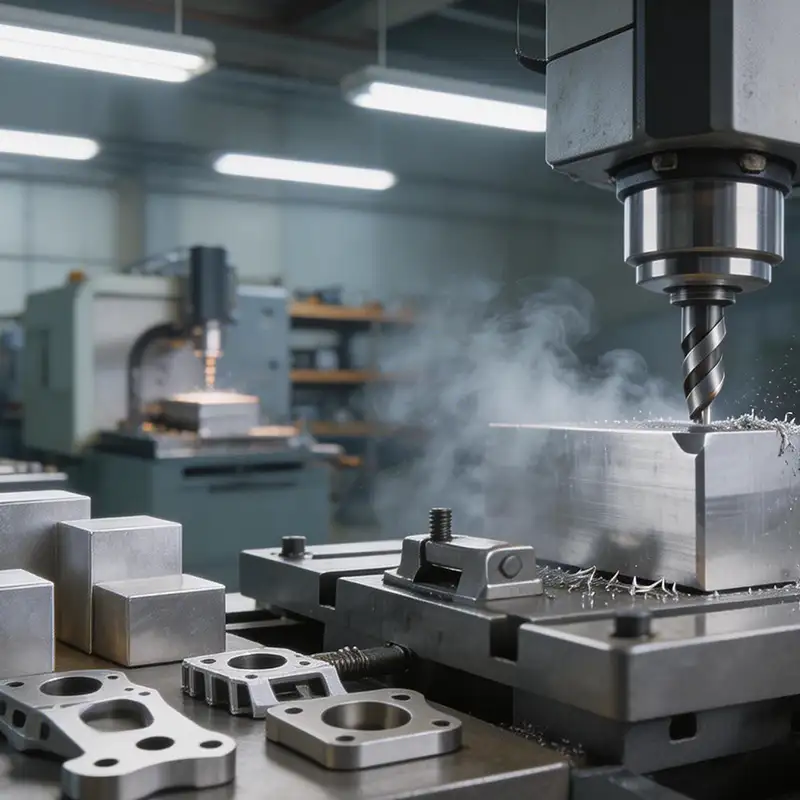
Ever wondered how complex metal or plastic parts are made with incredible accuracy? That’s the world of CNC precision machining. This guide breaks down this advanced manufacturing service in simple terms, explaining how it works, why it’s so valuable, and what you should know before using it.
Understanding CNC Precision Machining Services
Let’s start with the basics. CNC precision machining is a manufacturing process where computer-controlled machines remove material from a solid block (called a workpiece) to create a custom part. Think of it like a super-skilled, ultra-precise robotic sculptor that can work with metals, plastics, and composites. The “CNC” stands for Computer Numerical Control, which is the brain behind the operation. This service is the go-to method for producing parts that need to be incredibly accurate, repeatable, and complex.
How Does It Work? From Design to Part
The journey of a part begins long before the machine starts. It all starts with a digital 3D model created in CAD (Computer-Aided Design) software. This model is then translated into instructions, called G-code, that the CNC machine can understand. The machine—whether it’s a mill, lathe, or router—follows these instructions to the letter, using cutting tools to carve away material with movements often measured in thousandths of an inch (or microns!). This level of precision manufacturing ensures every single part is virtually identical to the last.
The Real-World Value of Precision CNC Machining
So, why choose this method over others? The benefits are huge. First, the accuracy is unmatched, which is critical for parts in aerospace, medical devices, or automotive engines where a tiny error can cause big problems. Second, once the program is set, producing hundreds or thousands of identical parts is efficient and cost-effective. It also allows for incredible complexity—shapes that would be impossible to make by hand are routine with CNC milling services. For a deeper dive into the technical standards behind this precision, you can check out resources from the American Society of Mechanical Engineers (ASME).
Where Do You See It? Common Applications
You might be surprised how often you encounter products made by computer numerical control machining. That sleek aluminum body on your laptop? Likely CNC machined. The tiny, intricate components inside a surgical robot or a car’s fuel injection system? Absolutely. From prototyping a new product idea to full-scale production, this service is the backbone of modern manufacturing for industries demanding high quality and reliability.
Getting Started: Practical Advice for Your Project
If you’re considering a precision machining service for the first time, here’s some friendly advice. Start with a clear, well-designed 3D model—this is your blueprint. Be open to discussing design for manufacturability (DFM) with your machining partner; they can suggest small tweaks that make the part easier and cheaper to produce without changing its function. Also, understand the trade-offs between different materials and finishes. For example, a project requiring tight tolerance machining with aluminum will differ from one using stainless steel. Getting these details right upfront saves time and money.
Clearing Up Common Confusion
A lot of folks get a few things mixed up. One big one is thinking CNC machining is the same as 3D printing (or additive manufacturing). While both are computer-controlled, they are opposites in approach: machining cuts material away, while 3D printing adds material layer by layer. Machining is typically better for strength, precision, and a wider range of engineering materials. Another point of confusion is cost; for one-off prototypes, it might seem pricey, but for batch production, the unit cost becomes very competitive due to its speed and consistency.
Wrapping Up: Is It Right for You?
In short, CNC precision machining is a powerful, versatile manufacturing service that turns digital designs into high-accuracy physical parts. It’s ideal if your project demands reliability, complex geometries, or tight tolerances. Whether you’re an engineer, a product designer, or a hobbyist tackling an advanced project, understanding this process is a great first step. By knowing how it works and what it offers, you can make smarter decisions and bring your ideas to life with confidence. For further exploration of manufacturing processes, authoritative information can be found through institutions like the SME (formerly the Society of Manufacturing Engineers).