Categories
CNC Machining Basics

What Is CNC Precision Machining? A Beginner’s Friendly Guide

Ever wondered how complex metal or plastic parts are made with incredible accuracy? That’s the world of CNC precision machining. This guide breaks down this advanced manufacturing service in simple terms, explaining how it works, why it’s so valuable, and what you should know before using it.

Understanding CNC Precision Machining Services

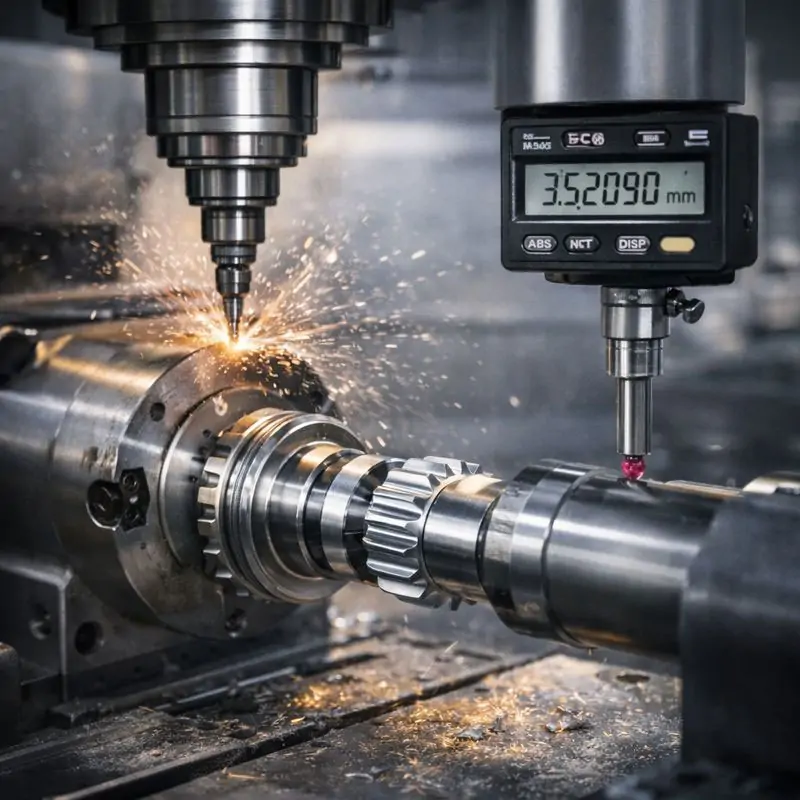
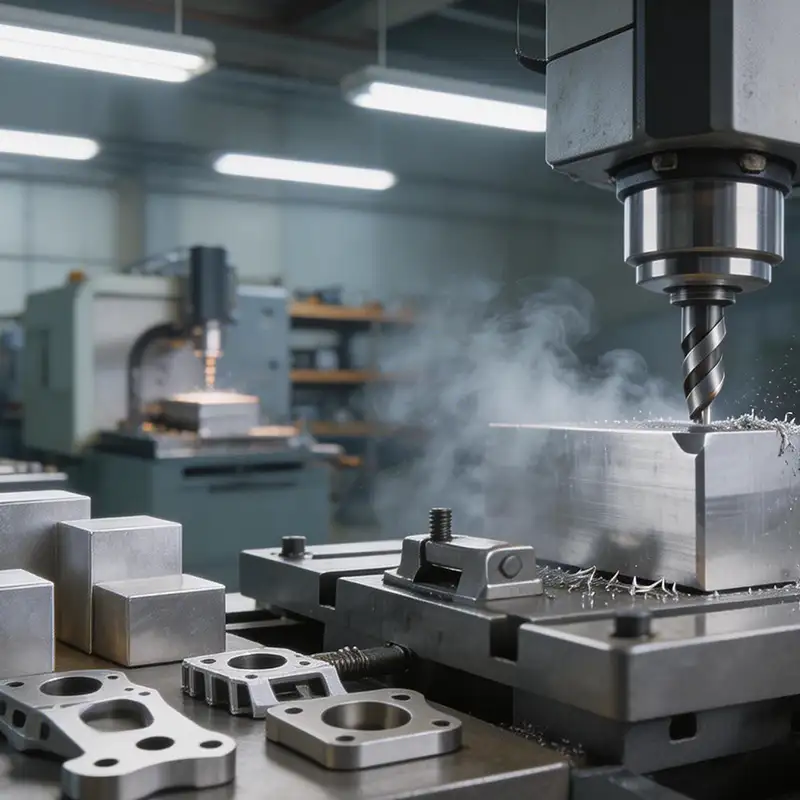
Let’s start with the basics. CNC precision machining is a manufacturing process where computer-controlled machines remove material from a solid block (called a workpiece) to create a custom part. Think of it like a super-skilled, ultra-precise robotic sculptor that can work with metals, plastics, and composites. The “CNC” stands for Computer Numerical Control, which is the brain behind the operation. This service is the go-to method for producing parts that need to be incredibly accurate, repeatable, and complex.

How Does It Work? From Design to Part

The journey of a part begins long before the machine starts. It all starts with a digital 3D model created in CAD (Computer-Aided Design) software. This model is then translated into instructions, called G-code, that the CNC machine can understand. The machine—whether it’s a mill, lathe, or router—follows these instructions to the letter, using cutting tools to carve away material with movements often measured in thousandths of an inch (or microns!). This level of precision manufacturing ensures every single part is virtually identical to the last.

The Real-World Value of Precision CNC Machining

So, why choose this method over others? The benefits are huge. First, the accuracy is unmatched, which is critical for parts in aerospace, medical devices, or automotive engines where a tiny error can cause big problems. Second, once the program is set, producing hundreds or thousands of identical parts is efficient and cost-effective. It also allows for incredible complexity—shapes that would be impossible to make by hand are routine with CNC milling services. For a deeper dive into the technical standards behind this precision, you can check out resources from the American Society of Mechanical Engineers (ASME).

Where Do You See It? Common Applications

You might be surprised how often you encounter products made by computer numerical control machining. That sleek aluminum body on your laptop? Likely CNC machined. The tiny, intricate components inside a surgical robot or a car’s fuel injection system? Absolutely. From prototyping a new product idea to full-scale production, this service is the backbone of modern manufacturing for industries demanding high quality and reliability.

Getting Started: Practical Advice for Your Project

If you’re considering a precision machining service for the first time, here’s some friendly advice. Start with a clear, well-designed 3D model—this is your blueprint. Be open to discussing design for manufacturability (DFM) with your machining partner; they can suggest small tweaks that make the part easier and cheaper to produce without changing its function. Also, understand the trade-offs between different materials and finishes. For example, a project requiring tight tolerance machining with aluminum will differ from one using stainless steel. Getting these details right upfront saves time and money.

Clearing Up Common Confusion

A lot of folks get a few things mixed up. One big one is thinking CNC machining is the same as 3D printing (or additive manufacturing). While both are computer-controlled, they are opposites in approach: machining cuts material away, while 3D printing adds material layer by layer. Machining is typically better for strength, precision, and a wider range of engineering materials. Another point of confusion is cost; for one-off prototypes, it might seem pricey, but for batch production, the unit cost becomes very competitive due to its speed and consistency.

Wrapping Up: Is It Right for You?

In short, CNC precision machining is a powerful, versatile manufacturing service that turns digital designs into high-accuracy physical parts. It’s ideal if your project demands reliability, complex geometries, or tight tolerances. Whether you’re an engineer, a product designer, or a hobbyist tackling an advanced project, understanding this process is a great first step. By knowing how it works and what it offers, you can make smarter decisions and bring your ideas to life with confidence. For further exploration of manufacturing processes, authoritative information can be found through institutions like the SME (formerly the Society of Manufacturing Engineers).
Categories
CNC Machining Basics

Unlock 5 Ways CNC Machining Skyrockets Manufacturing Efficiency

Ever wondered how modern factories achieve such incredible speed and precision? The secret often lies in CNC machining. This guide explores five key ways this technology transforms production, making it faster, more reliable, and incredibly efficient. Let’s dive into how it streamlines the entire manufacturing process.

Unmatched Precision and Repeatability

When we talk about boosting manufacturing efficiency, consistency is king. Imagine you need a thousand identical components. With manual methods, tiny variations are almost inevitable. But with Computer Numerical Control (CNC) machining, every single part comes out exactly the same. This is the core of how CNC machining improves manufacturing efficiency—by eliminating human error in the cutting process. The machine follows digital instructions to the letter, ensuring each cut, drill, and contour is perfect. This level of precision in CNC manufacturing means less time spent on inspection and rework, and more time shipping perfect products.

From Blueprint to Perfect Part

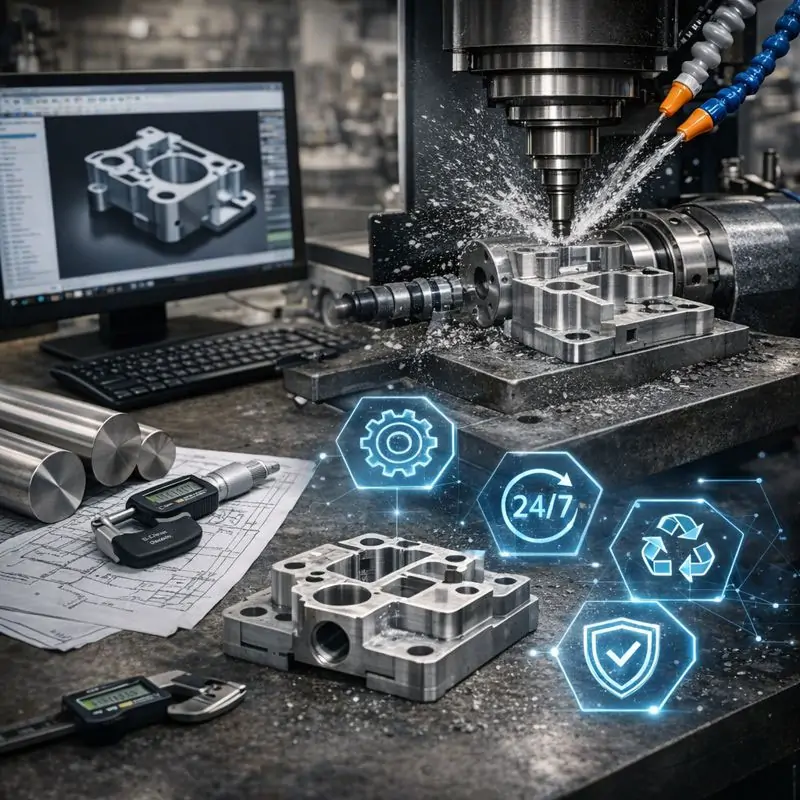
It all starts with a CAD (Computer-Aided Design) model. This digital blueprint is converted into code (G-code) that the CNC machine understands. Once set up, the machine can produce part after part with microscopic accuracy. This repeatability is a game-changer, especially for complex parts used in aerospace or medical devices. You can learn more about the standards for this precision from resources like the American Society of Mechanical Engineers (ASME). It’s like having a master craftsman who never gets tired and never makes a mistake.

Dramatically Faster Production Cycles

Speed is another massive advantage. Traditional machining requires constant operator intervention—changing tools, adjusting settings, measuring parts. CNC automation streamlines this entire workflow. Once the program is loaded, the machine handles complex operations in one setup. Tools change automatically, and cutting paths are optimized for speed. This drastically reduces cycle times, allowing you to produce more parts in less time. For businesses looking to scale up, this increase in production speed is a direct boost to the bottom line.

Lights-Out Manufacturing: Running 24/7

Here’s where it gets really exciting for operational efficiency. Many modern CNC workshops can run “lights-out” manufacturing. This means the machines can operate unattended for hours, even overnight. After the initial setup by a skilled technician, the system takes over, maximizing equipment uptime. This capability to run continuously is a powerful answer to the question of how to improve machining productivity. It turns capital equipment into a nearly constant source of output, dramatically improving overall equipment effectiveness (OEE).

Significant Reduction in Material Waste

Efficiency isn’t just about speed; it’s also about using resources wisely. CNC milling and turning are subtractive processes, meaning they cut away material from a solid block. While some waste is inherent, CNC technology minimizes it. The software can nest parts strategically on a raw material sheet to get the most out of it. Furthermore, the precision of CNC cutting means you often start with less excess material (“stock”) to begin with. Less waste translates directly to lower material costs and a more sustainable, cost-effective manufacturing process.

Enhanced Flexibility and Rapid Prototyping

Gone are the days of needing entirely new machines for new products. One of the greatest benefits of CNC technology is its flexibility. Switching from producing one part to another often just requires loading a new digital file and changing the raw material. This makes CNC machining ideal for both low-volume production and rapid prototyping. You can design a part, create the program, and have a physical prototype in your hands incredibly fast. This agility allows for quicker design iterations, faster time-to-market, and the ability to respond to customer needs without costly retooling delays.

Improved Safety and Consistent Quality

Finally, let’s not forget the human element. CNC machining enhances workplace safety. Operators manage the process from a computer console, away from the moving cutters, sharp chips, and coolants. This reduces the risk of accidents significantly. Simultaneously, this separation ensures that the quality of the output is not dependent on the operator’s skill or fatigue level on a given day. The machine delivers the same high standard every time. This combination of a safer workplace and guaranteed quality is a crucial, though sometimes overlooked, pillar of long-term manufacturing efficiency and business success.

Categories
CNC Machining Basics

What Is CNC Machining Used For? 5 Surprising Real-World Examples

Ever wondered how complex metal and plastic parts are made with such incredible precision? The answer often lies in CNC machining. This guide will explore the diverse applications of CNC technology, moving beyond the factory floor to show you five surprising places where it shapes our everyday world.

Common Applications of CNC Machining Technology

When we talk about the uses of CNC machining, it’s easy to picture big industrial factories. And you’re right—it’s a cornerstone of mass production. But the real magic of computer numerical control is its incredible versatility. It’s a subtractive manufacturing process where a computer directs cutting tools to carve a solid block of material into a finished part. This method is fantastic for creating everything from simple brackets to geometries that would be impossible to make by hand. Whether you’re looking at CNC milling for complex 3D shapes or CNC turning for symmetrical parts, the technology’s core value is repeatable, high-precision fabrication.

1. Aerospace: Crafting the Sky’s Backbone

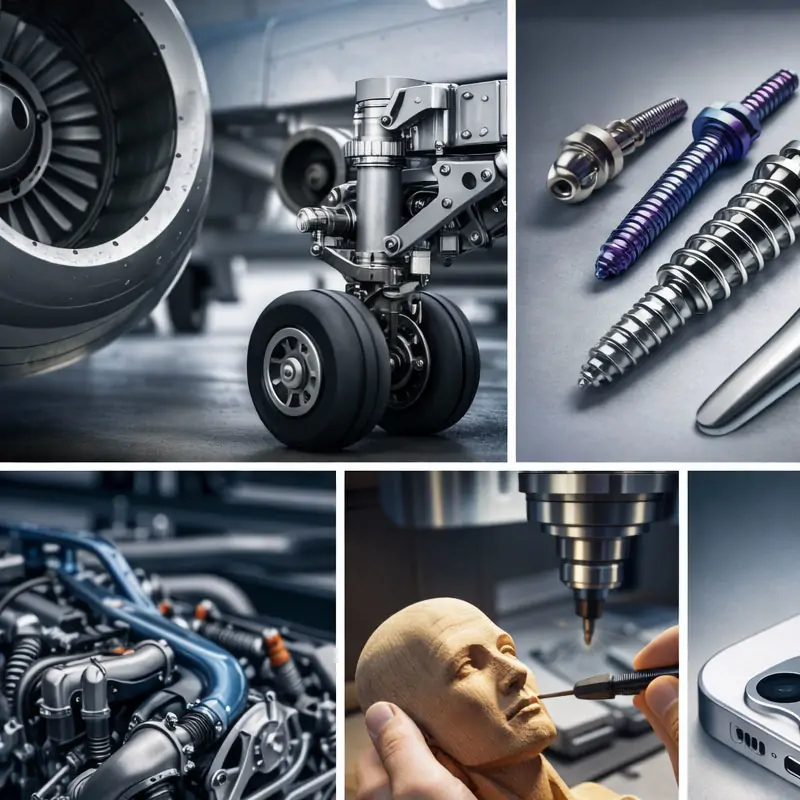
Let’s start high up—literally. The aerospace industry relies on CNC machining for some of its most critical components. Think about the landing gear, turbine blades, and structural brackets inside an aircraft. These parts face extreme stress, temperature changes, and must be incredibly lightweight. That’s where CNC manufacturing shines. It can work with tough materials like titanium and high-grade aluminum alloys, machining them into strong, complex, and lightweight forms that are essential for flight safety and fuel efficiency.

Why CNC is Non-Negotiable Here

The margin for error in aerospace is virtually zero. Every component must meet exacting specifications, and that’s a perfect job for a CNC machine shop. The process ensures that the tenth part produced is identical to the thousandth, which is crucial for maintenance and safety. For a deeper dive into the standards these parts must meet, you can read about aerospace manufacturing practices on NASA’s official website.

2. Medical: Precision for Life-Saving Devices

This is one of the most impactful applications of CNC technology. If you or a loved one has ever needed a knee replacement, a spinal implant, or even a intricate surgical tool, chances are it was made with CNC. These devices are not one-size-fits-all; they often need to be customized to fit a patient’s unique anatomy. CNC machining allows for this custom, patient-specific production from biocompatible materials like surgical-grade stainless steel or cobalt-chrome, all while maintaining a sterile, contaminant-free process.

Meeting the Highest Standards

The medical field demands the ultimate in precision and cleanliness, known as CNC precision machining. A hip implant, for example, must have a perfectly smooth surface to integrate with bone and a specific geometry to allow for natural movement. The controlled environment of a CNC machine, guided by detailed digital models from MRI or CT scans, makes this level of customization and quality not just possible, but routine.

3. Automotive: From Prototypes to High-Performance Parts

From the family sedan to a Formula 1 race car, CNC plays a huge role. In the development phase, engineers use CNC prototyping to create functional models of engine blocks, cylinder heads, and custom intake manifolds to test their designs. In aftermarket and racing, enthusiasts rely on CNC to produce high-strength, lightweight parts that can withstand incredible forces. So, when you’re searching for what can you make with a CNC machine in the auto world, the list is nearly endless.

The Role of CNC in Rapid Prototyping

Before a new car model hits the road, its parts are tested extensively. CNC machining allows teams to quickly turn a digital design into a physical part they can hold, test, and refine. This rapid prototyping speeds up innovation dramatically. It’s much faster than traditional tooling methods, letting engineers iterate designs until they get everything just right.

4. Art and Sculpture: Where Engineering Meets Creativity

Here’s a surprising one that answers the question what is the purpose of CNC milling beyond industry. Artists and sculptors are increasingly using CNC routers to create large-scale works, intricate furniture, and stunning architectural details. They can take a 3D model of a complex, organic shape and machine it from wood, foam, or soft metals. This doesn’t replace the artist’s vision; it gives them a powerful new tool to execute it with a level of detail and scale that would be incredibly time-consuming or impossible by hand.

The CNC Machine as an Artist’s Tool

Imagine a sculptor wanting to create a large, twisting metal sculpture. Instead of weeks of welding and shaping, they can design it on a computer and use a CNC machine to cut the pieces with perfect precision. They then assemble and finish the work. It’s a beautiful fusion of digital design and physical craftsmanship. You can see examples of how technology influences modern art at institutions like the Museum of Modern Art.

5. Consumer Electronics: The Tech in Your Pocket

Look at your smartphone, laptop, or smartwatch. The sleek metal casing, the precisely placed ports, the tiny internal brackets—many of these are made using CNC machining processes. For prototypes and low-to-medium volume production, CNC is ideal for creating the perfect unibody aluminum chassis that feels premium and durable. It allows for tight tolerances that ensure all the buttons, cameras, and screens fit together seamlessly.

Machining the Unseeably Small

The components inside our gadgets are getting tinier and more complex. Precision CNC machining can produce the small, heat-resistant fixtures that hold circuit boards or the precise molds used to make plastic components. This application shows how CNC isn’t just for big, heavy metal parts; it’s equally adept at creating the miniature, high-tolerance parts that make our modern digital life possible.

Concluding Thoughts on CNC Uses

So, what is CNC machining used for? As we’ve seen, it’s far more than just an industrial workhorse. It’s a fundamental technology that builds the planes we fly in, the medical devices that heal us, the cars we drive, the art that inspires us, and the electronics we depend on every day. Its power lies in transforming digital dreams into precise, reliable, and tangible reality. Whether you’re an engineer, a designer, or just someone curious about how things are made, the world of CNC machining is full of fascinating and surprising examples.

Categories
CNC Machining Basics

What Is High Precision CNC Machining? A Beginner’s Friendly Guide

High precision CNC machining is a specialized manufacturing process that uses computer-controlled machines to create parts with extremely tight tolerances and exceptional accuracy. It’s the go-to method when a project demands components that fit together perfectly or perform reliably under stress. Think of it as the difference between a hand-drawn sketch and a detailed architectural blueprint.

Understanding High Precision CNC Machining

Let’s break it down. CNC stands for Computer Numerical Control. It means a machine—like a mill, lathe, or router—follows a set of digital instructions (called G-code) to cut and shape material. Now, add “high precision” to that. This refers to the incredible level of accuracy and repeatability the process can achieve. We’re talking about tolerances often measured in microns (thousandths of a millimeter). To give you a picture, a human hair is about 70 microns thick. High-precision CNC milling or CNC turning can work within a fraction of that.

The Real-World Value of Tight Tolerances

You might wonder, “Why does such tiny accuracy matter?” It’s all about performance and reliability. In many applications, parts aren’t just sitting on a shelf; they’re moving, spinning, bearing loads, or sealing fluids. Even a tiny deviation can lead to failure, noise, wear, or inefficiency. This level of precision machining ensures everything works together as designed, every single time.

Where You’ll Find High Precision Parts

This isn’t just for lab equipment. You interact with products made by high-accuracy CNC machining every day. The medical implants in a surgical kit, the fuel injectors in your car, the connectors in your smartphone, and the components inside a drone’s camera gimbal all rely on this technology. Industries like aerospace, medical device manufacturing, and optics simply couldn’t function without it. When someone searches for what is micro machining or tight tolerance machining services, they’re often looking for this specific capability.

The True Cost of Imprecision

Imagine ordering 10,000 parts for an assembly line. If each part is even slightly out of spec, you face a nightmare: assemblies that won’t fit, production delays, wasted materials, and costly rework. High precision CNC fabrication minimizes this risk. It’s an investment in predictability. By ensuring each part is virtually identical, you save massive headaches and money down the line. It turns manufacturing from a hopeful gamble into a reliable science.

How to Achieve High Precision Results

Getting those micron-level results doesn’t happen by accident. It’s a symphony of good decisions. From my experience talking with machinists, it starts long before the machine even powers on. It’s about planning for precision at every single step.

Starting with a Great Design

It all begins with your CAD (Computer-Aided Design) model. A design that’s difficult to machine will struggle to be precise. We recommend you work with your machinist early on. This practice, often called Design for Manufacturability (DFM), can identify potential issues like thin walls, hard-to-reach features, or unrealistic tolerances. A good resource to understand engineering fundamentals is the American Society of Mechanical Engineers (ASME) website. Clear communication at this stage sets the stage for success.

Choosing the Right Machine and Machinist

Not all CNC shops are equal. For high-precision work, you need a shop with modern, well-maintained equipment and, more importantly, highly skilled operators. The machinist’s expertise in selecting tools, setting up the machine, and compensating for variables like material stress or temperature is irreplaceable. They understand the nuances of advanced CNC manufacturing. When evaluating a shop, don’t just ask about their machine’s specs; ask about their quality control processes, like using coordinate measuring machines (CMMs) to verify every dimension.

Clearing Up Common Misconceptions

Let’s tackle a few myths head-on. First, “high precision” doesn’t automatically mean “slow and extremely expensive.” While it is more costly than standard machining, modern CNC technology has become remarkably efficient. For critical components, the value far outweighs the cost. Second, it’s not magic. There are physical limits based on the material, machine, and tooling. A good machinist will tell you what’s realistically achievable rather than promise the impossible. Finally, precision isn’t just about the machine; it’s a culture of meticulousness throughout the entire process.

Wrapping Up Your Beginner’s Journey

So, what is high precision CNC machining? It’s the art and science of making incredibly accurate, reliable parts through computer-controlled cutting. It’s essential for technology that pushes boundaries and improves lives. If your project demands flawless fit, function, or performance, this is the process you’re looking for. My friendly advice? Partner with a skilled machinist, design with manufacturing in mind, and understand that this precision is what turns a good idea into a great, working product. Welcome to the precise world of modern manufacturing!

Request A Quote

We'll Send You Back with Price Immediately!

DEC 1-31

XMAS SPECEIL

Up to

40% off

What Is High Precision CNC Machining? A Beginner’s Friendly Guide

We'll Send You Back with Price Immediately!