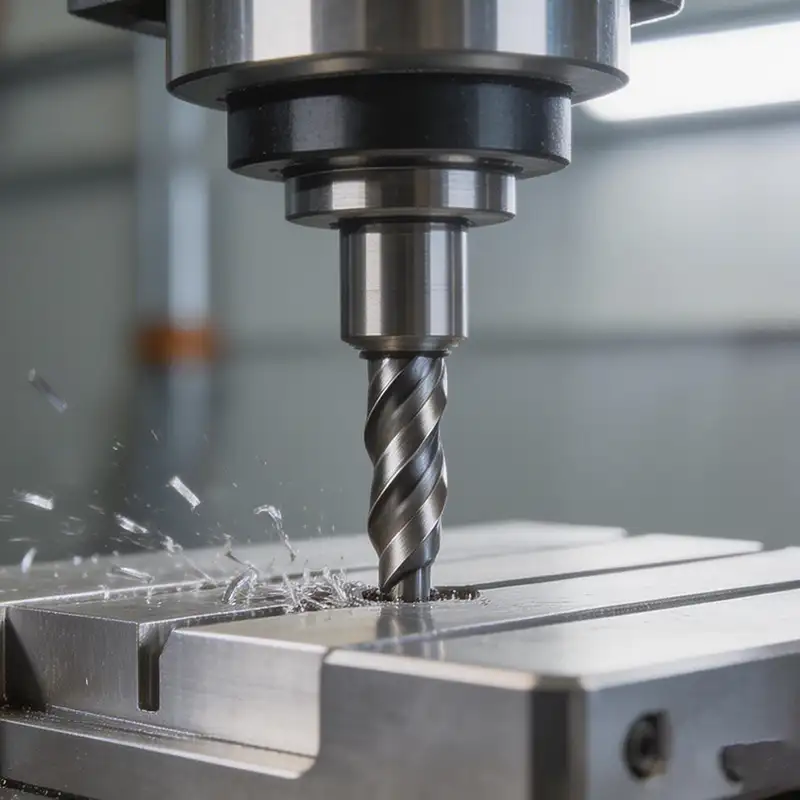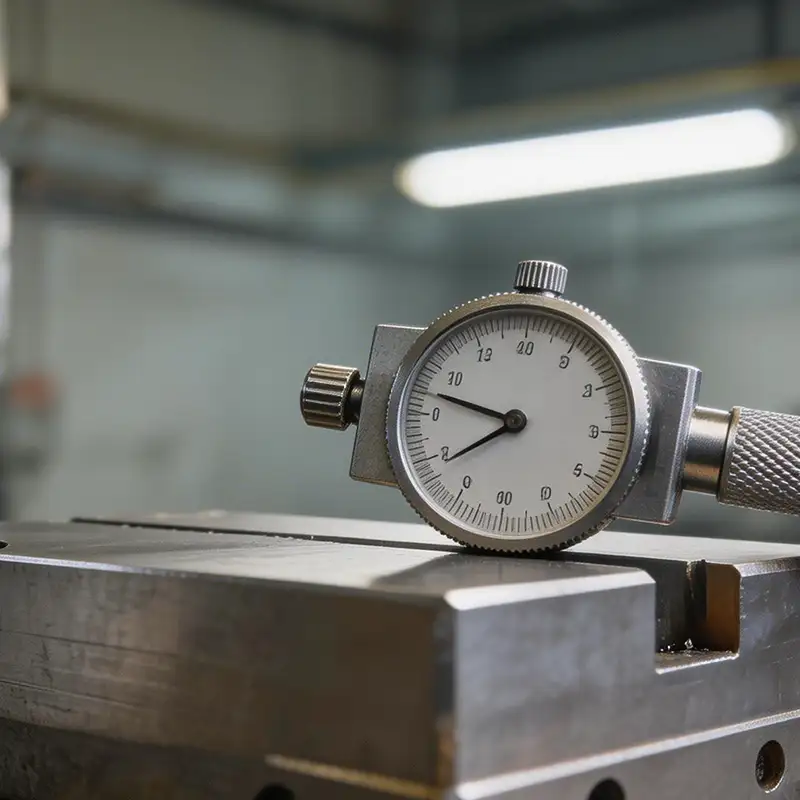
High precision machining is a specialized manufacturing process focused on creating parts with exceptionally tight tolerances and superior surface finishes. Think of it as the art of making things incredibly accurate, often down to the width of a human hair or even finer. It’s essential in industries where a tiny error can lead to big problems.
The Fundamentals of High-Precision Machining
So, you’re curious about high precision machining? Let’s break it down in simple terms. At its core, it’s all about removing material from a workpiece—like metal, plastic, or ceramic—to create a part that matches its design specifications almost perfectly. The goal isn’t just to make a part; it’s to make a part with dimensions so accurate and a surface so smooth that it fits and functions flawlessly in its final application. This level of precision manufacturing goes beyond standard machining, demanding exceptional skill, advanced equipment, and meticulous planning.
Tolerances and Surface Finish: The Heart of Precision
Two concepts are absolutely crucial here: tolerances and surface finish. Imagine you’re ordering a custom cabinet. A tolerance is like saying, “This drawer must be between 499.95mm and 500.05mm wide.” That ±0.05mm is the allowed variation. In high-tolerance machining, these tolerances can be incredibly tight, sometimes measured in microns (one-thousandth of a millimeter). The surface finish, measured in Ra (roughness average), refers to how smooth the part’s surface is. A mirror-like finish isn’t just for looks; it reduces friction, improves wear resistance, and prevents cracks from starting. Mastering these two elements is what separates precision work from the ordinary.
Why It’s So Valuable: Where You’ll Find Precision Parts
You might wonder, “When do I actually need such extreme accuracy?” The answer is: more often than you think! This isn’t just a niche process. For instance, in the aerospace industry, a turbine blade must withstand insane forces and temperatures; a microscopic flaw could be catastrophic. In medical device manufacturing, think of a surgical implant or a component for a diagnostic machine—precision is directly linked to patient safety and device reliability. The automotive sector relies on it for fuel injectors and transmission components to boost efficiency. Even the electronics in your phone depend on precisely machined parts. Essentially, any industry where performance, safety, and miniaturization are critical is a home for ultra-precision machining.
Getting Started with Precision Machining: Key Considerations
If you’re considering a project that needs high precision, here’s some friendly advice from the shop floor. First, have a clear and detailed design. We recommend you provide a comprehensive CAD model and drawing with all tolerances and finishes clearly called out. This is your blueprint for success. Second, communicate early and often with your machining partner. Discuss the part’s function—this helps them suggest the best approach. A classic example is a client who needed a very stiff bracket. By understanding its role, we suggested a different material and machining strategy that saved them weight and cost while improving performance.
The Right Machine Tools for the Job
Not all machine shops are created equal for this work. CNC machining (Computer Numerical Control) is the standard, but the machines themselves must be high-end. Look for shops with modern 5-axis CNC mills and Swiss-type lathes that offer incredible flexibility and accuracy. These machines, often housed in temperature-controlled rooms to prevent thermal expansion, are the workhorses of precision. The process also frequently utilizes advanced techniques like micro-machining for tiny, intricate features. You can learn more about the capabilities of modern CNC systems from authoritative sources like the SME.
Why Material Choice Matters
The material you choose plays a huge role. Metals like aluminum, stainless steel, and titanium are common, but each machines differently. For instance, machining a tough alloy like Inconel requires different tools and strategies than machining brass. A good machinist will factor in the material’s hardness, thermal properties, and how it reacts to cutting forces. Sometimes, the quest for tight-tolerance manufacturing means selecting a material that is not only strong but also stable and predictable during the machining process.
Common Misconceptions About High-Precision Work
Let’s clear up a few things people often get wrong. First, precision machining isn’t always slow and prohibitively expensive for every part. While it requires more time and care than basic machining, for critical components, it’s a necessary investment that prevents costly failures later. Second, it’s not a magical, fully automated process. Yes, the CNC mechanical processing is automated, but it relies heavily on the expertise of skilled programmers and machinists to set up, monitor, and fine-tune everything. Finally, achieving high precision isn’t just about buying the best machine. It’s a holistic system involving measurement tools (like calibrated CMMs), a clean environment, and a culture of quality.
Wrapping Up: Precision as a Partnership
In the end, high precision machining is a fascinating blend of advanced technology, deep material science, and human skill. It’s the behind-the-scenes hero that makes modern innovation possible, from life-saving medical tools to the vehicles that explore other planets. If you have a project that demands this level of accuracy, view it as a partnership with your machine shop. Bring your design and application knowledge, and partner with a shop that brings the right equipment, expertise, and a commitment to quality. Together, you can turn a precise idea into a perfect part.