

Categories
CNC Materials

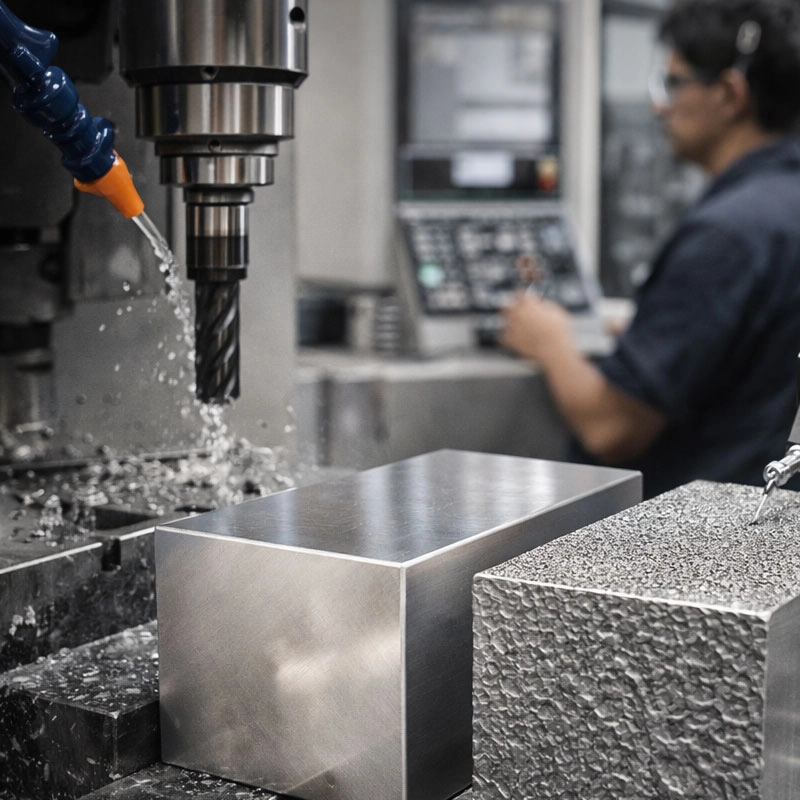
Titanium vs. Steel Machining: 5 Key Differences Explained

Choosing between titanium and steel for your CNC project? It’s more than just picking a strong metal. This guide breaks down the five key differences in machining these materials, from cutting speeds to tool wear, helping you make an informed decision for better results and fewer headaches in the shop.

Material Properties and Machinability

When you first compare titanium machining to steel CNC machining, the physical properties tell the whole story. Think of it like cooking: you wouldn’t use the same heat and technique for a delicate fish as you would for a tough steak. The same logic applies here. Titanium’s unique characteristics, like its low thermal conductivity and high chemical reactivity, make it behave very differently under the tool compared to most steels. Understanding this “machinability rating” is your first step to success.

Strength-to-Weight Ratio

This is where titanium truly shines and why it’s a favorite in aerospace and medical implants. Titanium offers a phenomenal strength-to-weight ratio; it’s as strong as many steels but about 45% lighter. However, this very strength is a double-edged sword in machining. That impressive tensile strength means cutting forces are high, demanding rigid machine setups and sharp tools. When you’re working on a part where every gram counts, this property makes the extra effort in machining titanium alloys worthwhile.

Thermal Conductivity

Here’s a critical difference that trips up many machinists. Steel is a pretty good conductor of heat. When you cut it, a significant amount of the heat generated travels up into the chip and away from the cutting edge. Titanium, on the other hand, is a poor thermal conductor. Almost all the heat from the cutting process stays right at the tool-workpiece interface. This creates a localized “hot spot” that can rapidly degrade your cutting tool. It’s one of the main reasons why machining Ti-6Al-4V requires such careful attention to speeds and cooling.

Cutting Tools and Parameters

You can’t use the same tooling strategy for both materials. For steel, you have a wide range of options, including high-speed steel (HSS) for some jobs. But for titanium, you’re almost always looking at premium, uncoated or specially coated carbide tools. The cutting speeds tell a clear story: you might run many steels at several hundred surface feet per minute (SFM), but for titanium, you often need to slow way down, sometimes below 100 SFM. It’s not about being fast; it’s about being smart and preserving your tool. Using the correct parameters is the key to CNC machining titanium efficiently.

Chip Formation and Evacuation

Watch the chips, and they’ll tell you how the cut is going. Steel typically produces a nice, curled chip that breaks easily. Titanium is notorious for producing long, stringy, continuous chips. These “birds’ nests” are not just a nuisance; they’re dangerous. They can wrap around the tool or workpiece, causing scratches, tool breakage, or even machine damage. Effective chip control through proper tool geometry (sharp cutting edges, positive rakes) and high-pressure coolant to break and flush chips is non-negotiable in titanium metal machining.

Coolant and Lubrication Strategy

Given the heat issue we talked about, coolant isn’t just helpful for titanium—it’s essential. But it’s not just any coolant. We recommend using a high-quality, heavy-duty synthetic or semi-synthetic fluid with excellent lubricity. More importantly, the delivery method is crucial. A flood coolant might work for steel, but for titanium, high-pressure through-tool coolant is a game-changer. It penetrates the cutting zone, reduces the heat, and helps with chip evacuation. For some operations, like tapping, using a dedicated tapping fluid can prevent galling, a common problem where titanium welds itself to the tool. You can find excellent guidelines on metalworking fluids from authoritative sources like Machinery Lubrication.

Cost and Application Considerations

Let’s talk about the bottom line. The raw material cost for titanium is significantly higher than for steel. Add to that the slower machining speeds, more expensive tooling, and need for possibly more powerful/rigid CNC machines, and the cost per part skyrockets. So, when do you choose it? When the application demands its unique benefits: unparalleled corrosion resistance, that fantastic strength-to-weight ratio, and biocompatibility. For high-stress, weight-sensitive, or corrosive environments, titanium is worth the investment. For most general-purpose, high-strength applications, machining stainless steel or alloy steel is the more economical and practical choice. It’s all about matching the material to the part’s real-world job.
Categories
CNC Materials

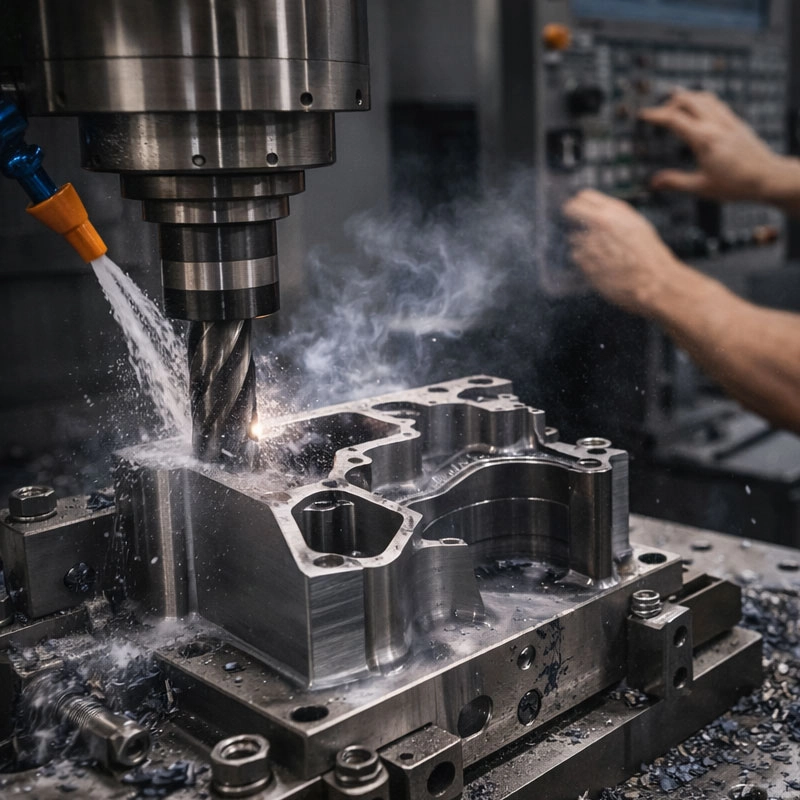
Overcoming 5 Common Titanium CNC Machining Difficulties

Titanium is a fantastic material, but machining it can feel like a tough puzzle. Its unique properties, while beneficial for the final part, create specific hurdles during the CNC process. Let’s walk through the common challenges and, more importantly, practical ways to solve them for a smoother, more efficient workflow.

Managing Extreme Heat and Tool Wear

If you’ve ever worked with titanium, you know heat is public enemy number one. Unlike aluminum, titanium has very low thermal conductivity. This means the heat generated at the cutting edge doesn’t get carried away by the chips or the workpiece; it stays right there, concentrating on your tool. This rapid heat buildup is the main culprit behind accelerated tool wear and premature failure. It’s one of the most talked-about titanium machining problems in any shop.

Your Coolant Strategy is Key

To beat the heat, you need a proactive cooling plan. A high-pressure, high-volume flood coolant system is non-negotiable. It needs to deliver coolant directly to the cutting zone to effectively remove heat and flush away chips. For deep cavity milling or drilling, through-tool coolant is a game-changer. Also, consider the coolant type; some shops find success with specialized oils or emulsions formulated for tough alloys. The goal is to keep everything as cool as possible from start to finish.

Dealing with High Strength and Low Conductivity

Titanium’s excellent strength-to-weight ratio is why we use it, but it demands respect during CNC machining titanium alloys. Its high strength requires significant cutting forces, which stresses both the tool and the machine. Coupled with the low thermal conductivity we just discussed, you have a scenario that demands robust, rigid setups. A flimsy fixture or a machine with low torque will struggle. Ensuring maximum rigidity in your workpiece clamping, tool holder (like a hydraulic or shrink-fit holder), and the machine itself is critical to handle these forces and prevent deflection.

Preventing Workpiece Galling and Built-Up Edge

Here’s a sticky situation—literally. Titanium has a tendency to gall, meaning it can weld itself to the cutting tool during the process. This leads to built-up edge (BUE), which degrades your surface finish and can cause tool chipping. To combat this, use sharp, premium-grade tools with coatings like AlTiN (Aluminum Titanium Nitride) that reduce friction and adhesion. Maintaining a consistent, appropriate feed rate is also vital; too slow, and the tool rubs instead of cuts, increasing heat and the chance of galling. It’s a delicate balance to avoid issues with titanium milling.

Controlling Vibration and Chatter

Chatter is that awful ringing sound that leaves a poor surface finish and can damage your tool. Titanium’s elasticity can sometimes induce vibration. The fix goes back to rigidity and toolpath strategy. Use the shortest, stoutest tool possible for the job to minimize overhang. Opt for toolpaths that maintain a constant tool engagement, like trochoidal milling or high-efficiency milling (HEM) strategies, which use lighter radial depths of cut with higher feed rates. This approach reduces sudden load changes and helps keep vibration in check, making your titanium part machining much quieter and more stable.

Achieving a Superior Surface Finish

Getting a beautiful, burr-free finish on titanium isn’t always straightforward. The challenges we’ve covered—heat, galling, chatter—all directly impact the final surface quality. It often feels like the material is “springing back” after the tool passes. To win here, you need to address the root causes and then fine-tune your finishing passes specifically for machining grade 5 titanium (Ti-6Al-4V) or other grades.

Fine-Tuning Your Parameters

For finishing, use a sharp, dedicated finishing tool with a positive rake geometry. Increase your spindle speed slightly and use a light, consistent axial depth of cut. A smaller stepover (like 5-10% of the tool diameter) can produce a remarkably smoother finish. Sometimes, a final, very light “spring pass” can help clean up any material that deformed elastically. For more in-depth technical data on tool geometries and speeds/feeds for specific alloys, resources like Modern Machine Shop offer valuable, peer-reviewed guidance. Remember, patience in the finish pass pays off with a part that looks as good as it performs.

Categories
CNC Materials

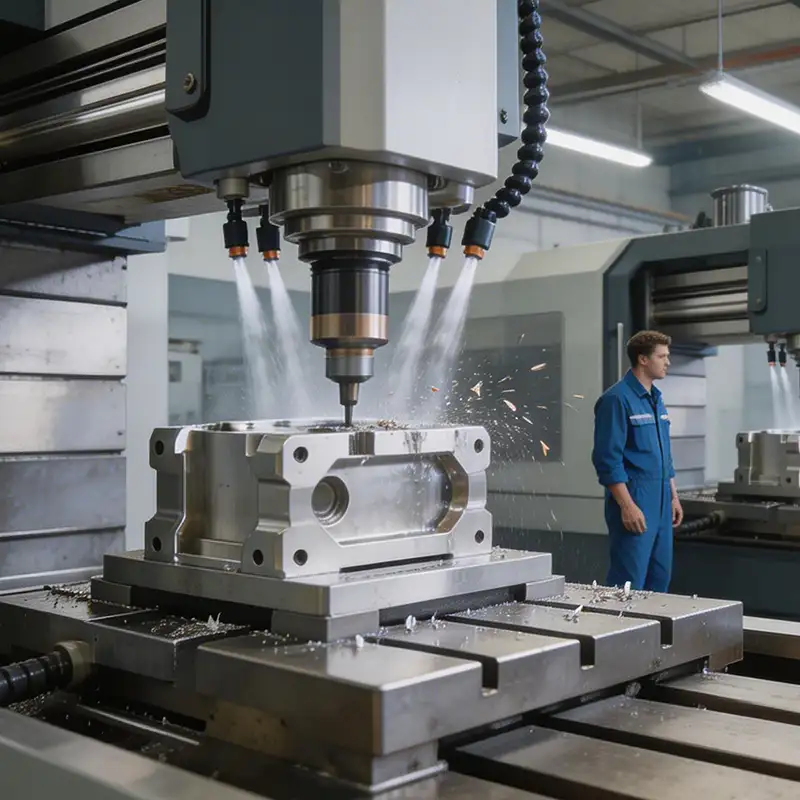
Can CNC Machine Titanium? 5 Expert Tips for Success

Absolutely, CNC machines can process titanium, but it’s a challenging material that demands respect and specific know-how. Success lies in understanding its unique properties and adapting your machining strategy accordingly. This guide will walk you through five essential expert tips to help you machine titanium parts effectively and efficiently.

Understanding Titanium’s Machining Nature

Before we dive into the tips, let’s get to know our material. Titanium isn’t your average metal. It’s incredibly strong yet lightweight, and it has excellent corrosion resistance—properties that make it a superstar in aerospace, medical implants, and high-performance automotive parts. However, these same benefits are what make titanium machining so tricky. People often ask, Is titanium hard to machine? and the short answer is yes, but it’s absolutely doable with the right approach. The key is to think of it not as a harder steel, but as a unique material with its own rules.

Key Challenges and Material Properties

The main hurdles in CNC milling titanium come from its material science. Titanium has a low thermal conductivity, meaning the heat generated during cutting doesn’t dissipate into the chip or the workpiece easily. Instead, it concentrates on the cutting tool edge, leading to rapid wear. It’s also prone to work hardening and can gall or weld to the tool if you’re not careful. Understanding these titanium alloy machining challenges is your first step toward conquering them. For a deep dive into titanium’s material properties, resources like the ASM International handbook are invaluable.

Tool Selection and Geometry Are Paramount

You wouldn’t use a butter knife to carve hardwood, right? The same logic applies here. For machining titanium on a CNC, your tool choice is critical. We strongly recommend using carbide end mills specifically designed for high-temperature alloys. Look for tools with a sharp, polished cutting edge and a geometry that promotes strong shearing action and efficient chip evacuation. Coatings like AlTiN (Aluminum Titanium Nitride) can provide an extra layer of thermal protection. Remember, a slightly more expensive tool that lasts longer and performs better will save you money and headaches in the long run compared to a standard tool that fails quickly.

Mastering Cutting Parameters and Techniques

This is where the art meets the science. The golden rule for how to CNC titanium is to maintain a consistent, controlled chip load. You want to avoid letting the tool rub or dwell in the cut, as this generates excessive heat. We suggest using lower cutting speeds (SFM) than you would for steel, but with a higher feed rate and a conservative depth of cut. This “high feed, light cut” strategy keeps the tool engaged in productive cutting, carries heat away in the chip, and minimizes the time the tool spends in contact with the workpiece. It’s a balancing act that prevents work hardening and extends tool life dramatically.

Workholding, Coolant, and Chip Control

A flimsy setup is your worst enemy when processing titanium with CNC. Titanium parts can vibrate or deflect under cutting forces, ruining surface finish and accuracy. Ensure your workpiece is clamped as rigidly as possible. Next, flood coolant is non-negotiable—and not just any coolant. Use a high-quality, high-pressure coolant aimed directly at the cutting zone to combat heat and flush chips away. Effective chip control is vital; long, stringy titanium chips can re-cut themselves and damage the part or tool. Proper parameters and toolpaths should produce small, broken chips, which are much safer and easier to manage.

Post-Machining: Handling and Inspection

Your job isn’t over when the spindle stops. Titanium parts, especially thin-walled features common in aerospace CNC machining, can retain residual stresses. Handle them carefully to avoid bending. A thorough inspection is crucial. Check for any signs of smearing, galling, or micro-cracks, particularly along edges. Deburring needs a gentle touch—aggressive methods can induce stress. Finally, consider post-processing like stress relieving or specific surface treatments if required by the application. Taking these final steps ensures the quality and integrity of your meticulously machined titanium component.

Request A Quote

We'll Send You Back with Price Immediately!

DEC 1-31

XMAS SPECEIL

Up to

40% off

Can CNC Machine Titanium? 5 Expert Tips for Success

We'll Send You Back with Price Immediately!