

Categories
CNC Machining Basics

What Is High Precision Machining? A Beginner’s Friendly Guide

High precision machining is a specialized manufacturing process focused on creating parts with exceptionally tight tolerances and superior surface finishes. Think of it as the art of making things incredibly accurate, often down to the width of a human hair or even finer. It’s essential in industries where a tiny error can lead to big problems.

The Fundamentals of High-Precision Machining

So, you’re curious about high precision machining? Let’s break it down in simple terms. At its core, it’s all about removing material from a workpiece—like metal, plastic, or ceramic—to create a part that matches its design specifications almost perfectly. The goal isn’t just to make a part; it’s to make a part with dimensions so accurate and a surface so smooth that it fits and functions flawlessly in its final application. This level of precision manufacturing goes beyond standard machining, demanding exceptional skill, advanced equipment, and meticulous planning.

Tolerances and Surface Finish: The Heart of Precision

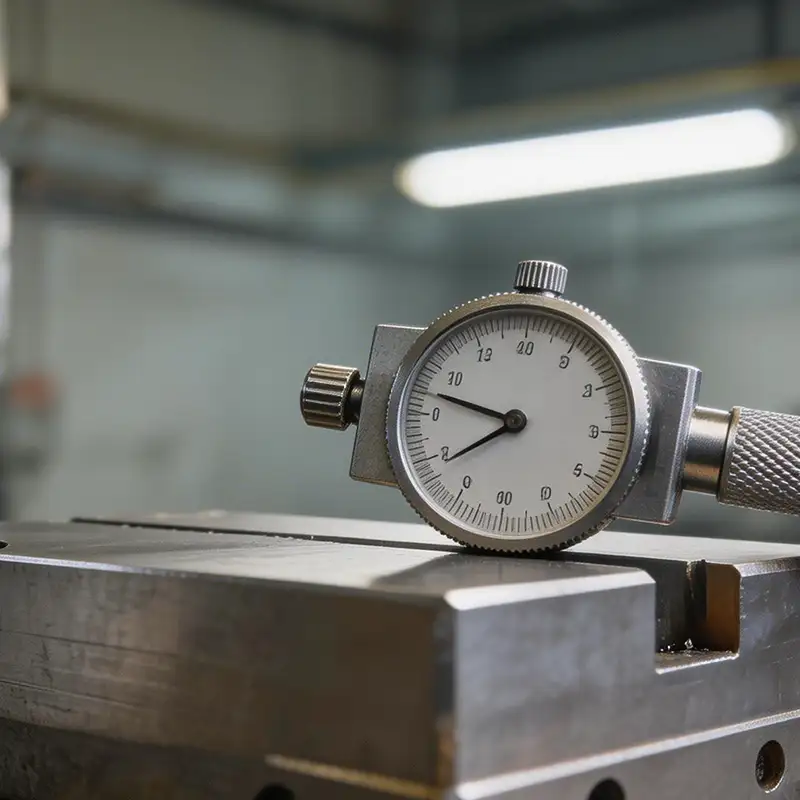
Two concepts are absolutely crucial here: tolerances and surface finish. Imagine you’re ordering a custom cabinet. A tolerance is like saying, “This drawer must be between 499.95mm and 500.05mm wide.” That ±0.05mm is the allowed variation. In high-tolerance machining, these tolerances can be incredibly tight, sometimes measured in microns (one-thousandth of a millimeter). The surface finish, measured in Ra (roughness average), refers to how smooth the part’s surface is. A mirror-like finish isn’t just for looks; it reduces friction, improves wear resistance, and prevents cracks from starting. Mastering these two elements is what separates precision work from the ordinary.

Why It’s So Valuable: Where You’ll Find Precision Parts

You might wonder, “When do I actually need such extreme accuracy?” The answer is: more often than you think! This isn’t just a niche process. For instance, in the aerospace industry, a turbine blade must withstand insane forces and temperatures; a microscopic flaw could be catastrophic. In medical device manufacturing, think of a surgical implant or a component for a diagnostic machine—precision is directly linked to patient safety and device reliability. The automotive sector relies on it for fuel injectors and transmission components to boost efficiency. Even the electronics in your phone depend on precisely machined parts. Essentially, any industry where performance, safety, and miniaturization are critical is a home for ultra-precision machining.

Getting Started with Precision Machining: Key Considerations

If you’re considering a project that needs high precision, here’s some friendly advice from the shop floor. First, have a clear and detailed design. We recommend you provide a comprehensive CAD model and drawing with all tolerances and finishes clearly called out. This is your blueprint for success. Second, communicate early and often with your machining partner. Discuss the part’s function—this helps them suggest the best approach. A classic example is a client who needed a very stiff bracket. By understanding its role, we suggested a different material and machining strategy that saved them weight and cost while improving performance.

The Right Machine Tools for the Job

Not all machine shops are created equal for this work. CNC machining (Computer Numerical Control) is the standard, but the machines themselves must be high-end. Look for shops with modern 5-axis CNC mills and Swiss-type lathes that offer incredible flexibility and accuracy. These machines, often housed in temperature-controlled rooms to prevent thermal expansion, are the workhorses of precision. The process also frequently utilizes advanced techniques like micro-machining for tiny, intricate features. You can learn more about the capabilities of modern CNC systems from authoritative sources like the SME.

Why Material Choice Matters

The material you choose plays a huge role. Metals like aluminum, stainless steel, and titanium are common, but each machines differently. For instance, machining a tough alloy like Inconel requires different tools and strategies than machining brass. A good machinist will factor in the material’s hardness, thermal properties, and how it reacts to cutting forces. Sometimes, the quest for tight-tolerance manufacturing means selecting a material that is not only strong but also stable and predictable during the machining process.

Common Misconceptions About High-Precision Work

Let’s clear up a few things people often get wrong. First, precision machining isn’t always slow and prohibitively expensive for every part. While it requires more time and care than basic machining, for critical components, it’s a necessary investment that prevents costly failures later. Second, it’s not a magical, fully automated process. Yes, the CNC mechanical processing is automated, but it relies heavily on the expertise of skilled programmers and machinists to set up, monitor, and fine-tune everything. Finally, achieving high precision isn’t just about buying the best machine. It’s a holistic system involving measurement tools (like calibrated CMMs), a clean environment, and a culture of quality.

Wrapping Up: Precision as a Partnership

In the end, high precision machining is a fascinating blend of advanced technology, deep material science, and human skill. It’s the behind-the-scenes hero that makes modern innovation possible, from life-saving medical tools to the vehicles that explore other planets. If you have a project that demands this level of accuracy, view it as a partnership with your machine shop. Bring your design and application knowledge, and partner with a shop that brings the right equipment, expertise, and a commitment to quality. Together, you can turn a precise idea into a perfect part.
Categories
CNC Machining Basics

What Is CNC Precision Machining? A Beginner’s Friendly Guide

Ever wondered how complex metal or plastic parts are made with incredible accuracy? That’s the world of CNC precision machining. This guide breaks down this advanced manufacturing service in simple terms, explaining how it works, why it’s so valuable, and what you should know before using it.

Understanding CNC Precision Machining Services

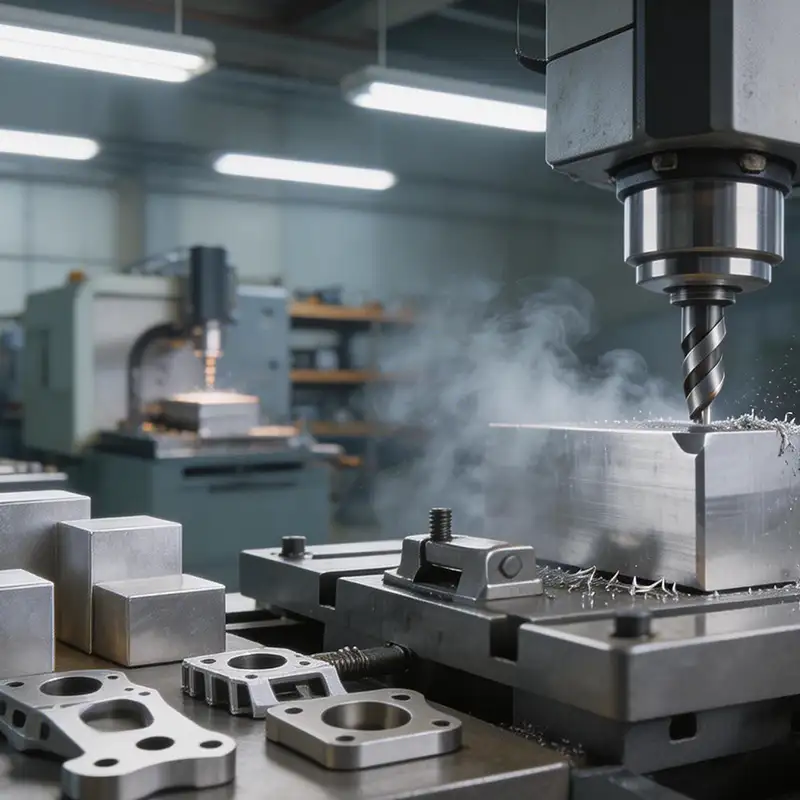
Let’s start with the basics. CNC precision machining is a manufacturing process where computer-controlled machines remove material from a solid block (called a workpiece) to create a custom part. Think of it like a super-skilled, ultra-precise robotic sculptor that can work with metals, plastics, and composites. The “CNC” stands for Computer Numerical Control, which is the brain behind the operation. This service is the go-to method for producing parts that need to be incredibly accurate, repeatable, and complex.

How Does It Work? From Design to Part

The journey of a part begins long before the machine starts. It all starts with a digital 3D model created in CAD (Computer-Aided Design) software. This model is then translated into instructions, called G-code, that the CNC machine can understand. The machine—whether it’s a mill, lathe, or router—follows these instructions to the letter, using cutting tools to carve away material with movements often measured in thousandths of an inch (or microns!). This level of precision manufacturing ensures every single part is virtually identical to the last.

The Real-World Value of Precision CNC Machining

So, why choose this method over others? The benefits are huge. First, the accuracy is unmatched, which is critical for parts in aerospace, medical devices, or automotive engines where a tiny error can cause big problems. Second, once the program is set, producing hundreds or thousands of identical parts is efficient and cost-effective. It also allows for incredible complexity—shapes that would be impossible to make by hand are routine with CNC milling services. For a deeper dive into the technical standards behind this precision, you can check out resources from the American Society of Mechanical Engineers (ASME).

Where Do You See It? Common Applications

You might be surprised how often you encounter products made by computer numerical control machining. That sleek aluminum body on your laptop? Likely CNC machined. The tiny, intricate components inside a surgical robot or a car’s fuel injection system? Absolutely. From prototyping a new product idea to full-scale production, this service is the backbone of modern manufacturing for industries demanding high quality and reliability.

Getting Started: Practical Advice for Your Project

If you’re considering a precision machining service for the first time, here’s some friendly advice. Start with a clear, well-designed 3D model—this is your blueprint. Be open to discussing design for manufacturability (DFM) with your machining partner; they can suggest small tweaks that make the part easier and cheaper to produce without changing its function. Also, understand the trade-offs between different materials and finishes. For example, a project requiring tight tolerance machining with aluminum will differ from one using stainless steel. Getting these details right upfront saves time and money.

Clearing Up Common Confusion

A lot of folks get a few things mixed up. One big one is thinking CNC machining is the same as 3D printing (or additive manufacturing). While both are computer-controlled, they are opposites in approach: machining cuts material away, while 3D printing adds material layer by layer. Machining is typically better for strength, precision, and a wider range of engineering materials. Another point of confusion is cost; for one-off prototypes, it might seem pricey, but for batch production, the unit cost becomes very competitive due to its speed and consistency.

Wrapping Up: Is It Right for You?

In short, CNC precision machining is a powerful, versatile manufacturing service that turns digital designs into high-accuracy physical parts. It’s ideal if your project demands reliability, complex geometries, or tight tolerances. Whether you’re an engineer, a product designer, or a hobbyist tackling an advanced project, understanding this process is a great first step. By knowing how it works and what it offers, you can make smarter decisions and bring your ideas to life with confidence. For further exploration of manufacturing processes, authoritative information can be found through institutions like the SME (formerly the Society of Manufacturing Engineers).

Categories
Industries & Applications

Discover the Top Industries Using CNC Precision Machining Today

CNC precision machining is a cornerstone of modern manufacturing, enabling the creation of complex, high-tolerance parts. This article explores the key sectors that rely on this technology, from aerospace to medical devices, and explains why it’s so vital to their success and innovation.

Key Sectors Leveraging CNC Precision Machining

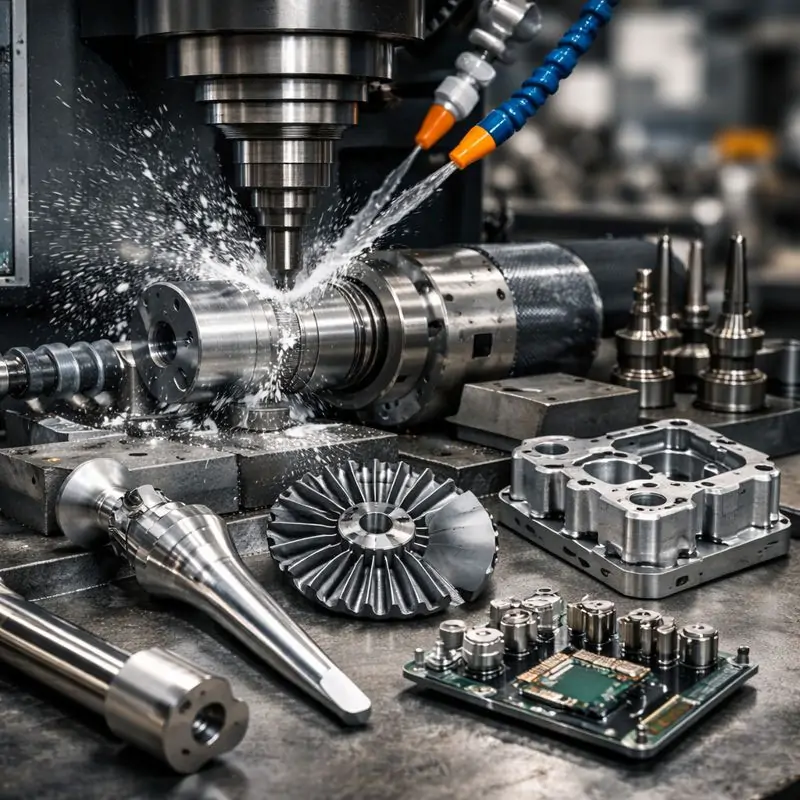
When we talk about the top industries using CNC precision machining, we’re really looking at fields where there’s no room for error. Think of it like a master watchmaker crafting tiny gears—every cut must be perfect. This technology, also known as CNC milling or turning, is the backbone for creating the reliable, complex parts that power our modern world. From the plane you fly in to the device monitoring your health, computer numerical control machining makes it all possible with stunning accuracy.

Aerospace and Defense: Where Microns Matter

If you’ve ever wondered how aircraft stay safe and efficient, a huge part of the answer lies in precision CNC machining. This sector is arguably the most demanding user of high-precision manufacturing. Every component, from turbine blades and landing gear parts to intricate brackets within the fuselage, must withstand extreme forces and temperatures while being as light as possible. The search for industries that utilize CNC machining often starts right here, at 30,000 feet.

Advanced Materials and Incredible Tolerances

What’s fascinating is the materials involved. Aerospace engineers often work with tough alloys like titanium and Inconel, which are notoriously difficult to machine. A CNC machine, guided by perfect digital blueprints, handles these materials with ease, achieving tolerances that are thinner than a human hair. This level of precision manufacturing is non-negotiable for flight safety and performance. Regulatory bodies like the Federal Aviation Administration (FAA) set incredibly strict standards, and CNC processes are key to meeting them consistently.

Medical and Dental: Engineering for Life

Next on our list is an industry that touches all of our lives: medical device manufacturing. The need for CNC precision parts here is driven by one thing: patient outcomes. Whether it’s a titanium knee implant, a complex surgical tool, or the housing for a sensitive MRI machine, these components must be flawless. They need to be sterile, reliable, and often customized to a patient’s unique anatomy. This is where precision engineering truly becomes a life-saving discipline.

The Critical Role of Biocompatible Materials

Similar to aerospace, the medical field uses specialized materials. However, here the focus is on biocompatibility—materials that can safely exist inside the human body, like surgical-grade stainless steel, cobalt-chrome, and certain plastics. CNC machining is ideal for these materials because it produces smooth, non-porous surfaces that resist bacterial growth and are easy to sterilize. For anyone researching top applications of CNC technology, the innovation in custom orthopedic implants and minimally invasive surgical devices is a perfect example of its impact.

Automotive and Transportation: Driving Innovation

From high-performance race cars to the electric vehicle (EV) being charged next door, the automotive sector is a massive consumer of machined components. While many high-volume parts use casting or stamping, CNC machining services are essential for prototyping, custom aftermarket parts, and creating complex components for engines, transmissions, and braking systems. As the industry shifts toward EVs, the demand for precise battery housings, heat sinks, and power electronics components is soaring.

Electronics and Optics: The Details in the Data

This one might surprise you, but look at your smartphone or laptop. The tiny, complex heat sinks that keep your processor cool, the connectors, and even some casings are often produced with CNC precision. In optics, the lenses for cameras, microscopes, and laser equipment require surfaces polished to nanometer-level perfection. The quest for smaller, faster, and more powerful devices directly drives the need for advanced machining in manufacturing processes that can work on a miniature scale with impeccable accuracy.

Energy and Industrial Machinery: Powering the World

Whether it’s traditional oil and gas, renewable wind and solar, or the massive turbines in hydroelectric dams, the energy sector depends on durable, precision-made parts. Valves, pistons, turbine components, and fittings for pipelines all require the strength and exact specifications that CNC provides. In heavy industry, the machines that build other machines rely on robust, custom-machined parts to maintain productivity and safety. This answers the search for major industries using CNC in the foundational sectors that keep our lights on and factories running.

Making the Right Choice for Your Project

So, how do you know if CNC precision machining is right for your needs? I always suggest starting with three questions: What level of accuracy does my part require? What material is best for its function? And what is the expected volume? For prototypes, complex geometries, or low-to-medium volume runs of high-tolerance parts, CNC is often the most efficient and reliable choice. It gives you the flexibility to iterate designs quickly and the confidence that every piece will match the last. For more on material standards, you can check resources from ASTM International.

In the end, exploring the leading sectors for precision machining shows us that this isn’t just about cutting metal—it’s about enabling progress across the board. It’s the trusted process behind the technologies that make our lives safer, healthier, and more connected.

Request A Quote

We'll Send You Back with Price Immediately!

DEC 1-31

XMAS SPECEIL

Up to

40% off

Discover the Top Industries Using CNC Precision Machining Today

We'll Send You Back with Price Immediately!