Categories
Surface Finishing

CNC Machined Aluminum Parts Design and Finish Guide

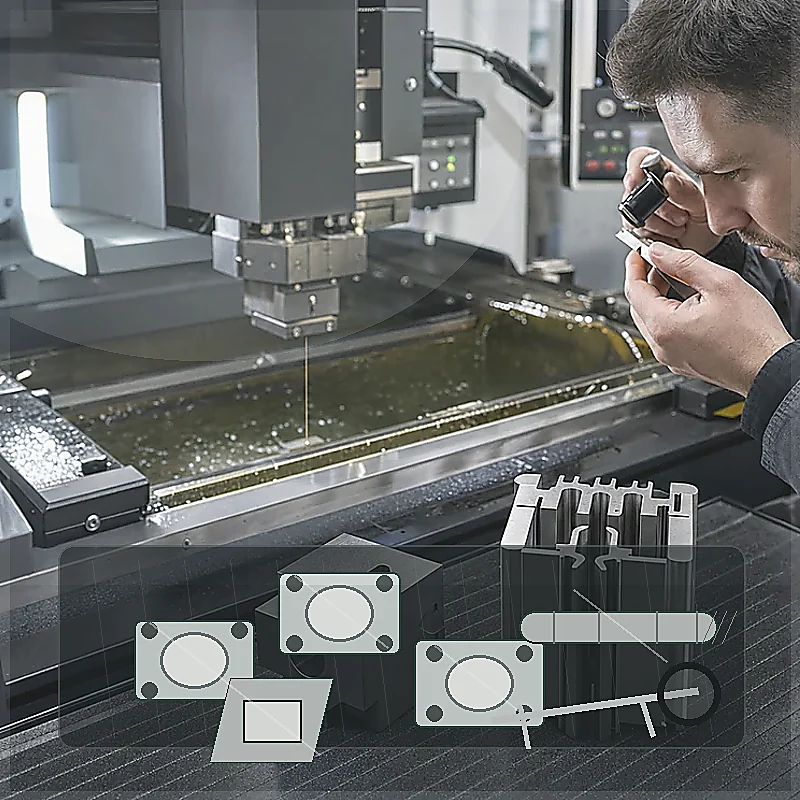
Cnc machined aluminum parts decisions should start with function, not with a generic machining label. Buyers get better results when they define how the part will be used, which dimensions control assembly, what material behavior matters, and how the supplier will inspect the finished work. For this topic, the important issues are machined aluminum housings, brackets, covers, heat sinks, surface treatment, and assembly interfaces. A capable supplier should be able to explain the process route, likely risk points, quotation assumptions, and inspection evidence before production begins.

Quick Answer

The practical answer is to match the drawing to a manufacturing route, then confirm material, tolerance, finish, quantity, and inspection before approving the order. If the part has mostly milled faces, pockets, slots, and holes, review aluminum CNC machining material page. If it includes round features, shafts, bushings, or threads, include CNC milling service planning in the discussion. For buyer-side risk control, ask how the shop will hold the part, which features are critical, and whether any finish or secondary process changes final dimensions.

Key Takeaways

  • Define the functional dimensions before asking suppliers to quote every feature as critical.
  • Send a 2D drawing with tolerance notes and a 3D model for programming reference.
  • Confirm material grade, heat condition, surface finish, and inspection report requirements early.
  • Ask the supplier to identify difficult features, tool access issues, and possible design changes.
  • Use sample approval or first article checks when the part is new, tight, cosmetic, or assembly-critical.

What Buyers Usually Need to Know

Most problems in custom machining come from unclear assumptions. A supplier may quote one setup while the buyer expects multiple controlled operations. A buyer may request a tight tolerance on the full drawing while only one bore or mounting face actually affects the assembly. For cnc machined aluminum parts, the conversation should make those assumptions visible before the purchase order is issued.

The RFQ should include units, drawing revision, STEP file, material grade, quantity, surface finish, critical dimensions, and target delivery. When these details are missing, suppliers either pause the quote or make assumptions. A fast answer based on assumptions can look attractive, but it often creates rework later. A better supplier asks clear questions and records the answers.

Capability should be checked against the part shape. A shop with clear anodizing option may handle many related jobs, but the buyer still needs to know whether the part will be milled, turned, ground, cut by EDM, drilled, or finished by a partner. Process route clarity is the first sign that the quotation is built on real manufacturing thinking.

Buyer Question Why It Matters Useful Evidence
Which process will make the main features? Process choice affects setup count, accuracy, cost, and lead time Supplier explains milling, turning, EDM, grinding, drilling, or finishing route
Which dimensions are functional? Critical dimensions need better control than clearance or cosmetic areas Marked drawing, datum notes, inspection plan
Which material condition is required? Grade, temper, hardness, and stress condition change machining behavior Material certificate or written grade confirmation
What happens after machining? Deburring, anodizing, plating, polishing, or heat treatment can change size and appearance Finish specification and post-finish inspection method

Material and Process Considerations

Material changes cutting speed, tool wear, clamping force, burr behavior, and finishing results. Aluminum is usually easier to machine and finish, stainless steel needs more attention to heat and work hardening, brass and copper require careful burr and dent control, and engineering plastics can move under heat or clamping pressure. For cnc machined aluminum parts, material selection should support the part’s function rather than only the lowest raw material price.

The process route should match both material and geometry. Deep pockets, small internal radii, long shafts, thin walls, fine threads, and cosmetic faces each require different planning. Buyers should ask whether the supplier sees any design feature that raises risk. If the supplier recommends a larger radius, a different stock size, or a changed tolerance, ask for the reason and the expected effect on cost and quality.

When finishing is required, discuss it before machining starts. Anodizing, plating, passivation, polishing, blasting, coating, and heat treatment may change dimensions, surface appearance, or edge condition. A controlled supplier will connect machining allowance, masking, inspection, and packaging rather than treating finishing as an afterthought. Relevant finishing choices can be checked through quality assurance process.

Tolerance, Surface Finish, and Quality Checks

Tolerance should be tied to function. A general tolerance may be enough for clearance edges, while a bearing diameter, threaded hole, sealing face, or locating surface may require a tighter limit and a clear datum. Buyers should avoid applying strict tolerance across the whole drawing unless the part truly requires it, because unnecessary precision raises cost and may increase rejection risk without improving performance.

Inspection should be planned before production. Calipers may be enough for noncritical outside dimensions, but bores, threads, flatness, profile, runout, and surface roughness often need gauges, micrometers, CMM checks, height gauges, pin gauges, or functional fit tests. For cnc machined aluminum parts, ask which tool will verify each critical feature and whether the report covers first article, sampling, or full inspection.

Surface finish needs clear language. Words like smooth, clean, or nice are not enough when mating, sealing, sliding, corrosion, or appearance matters. Use Ra values where function requires them and visual notes where cosmetic faces matter. If finish follows machining, confirm whether dimensions are checked before or after finishing through surface treatment options.

Factor Typical Risk Practical Control
Tight tolerance Higher cost, slower machining, more inspection Apply tight limits only to functional features
Thin walls or deep pockets Vibration, distortion, tool reach limits Use larger radii, balanced walls, and realistic flatness notes
Cosmetic finish Color variation, handling marks, unclear acceptance Define visible faces and approve samples when needed
Repeat order Different lot, tool wear, undocumented changes Keep revision, process, and inspection records

Cost Factors and Quotation Details

Cost depends on more than part size. Setup time, programming, material stock, tooling, machine time, number of operations, inspection, finishing, packaging, and batch size all affect the final quote. A small part with deep features and tight tolerances can cost more than a larger simple plate. A large batch may justify fixture work that would not make sense for a one-off sample.

Buyers can improve quote accuracy by separating must-have requirements from preferences. State which features control assembly, which surfaces are cosmetic, which dimensions may follow general tolerance, and what report is required. If the supplier has to guess, the quote may change after technical review. Cost-focused topics can also be compared against CNC machine shop capability when drawing changes are possible.

Lead time should be broken down into material purchase, programming, setup, machining, finishing, inspection, packing, and shipment. Finishing and inspection often create delays that buyers do not see in a simple machine-time estimate. Ask for a realistic timeline and identify which step has the highest risk of delay.

Design Tips for Better Machining Results

Good design makes machining predictable. Use accessible features, practical internal radii, balanced wall thickness, clear datums, standard threads, and realistic hole depths. Avoid deep narrow pockets, very thin unsupported walls, tiny corner radii, and tight tolerances on nonfunctional features. These changes often lower cost while improving consistency.

For cnc machined aluminum parts, design review should focus on machined aluminum housings, brackets, covers, heat sinks, surface treatment, and assembly interfaces. If a feature is difficult but not functional, simplify it. If a feature is critical, mark it clearly and allow the supplier to plan the correct process. Tool access, clamping surface, burr direction, and finishing allowance should be considered before the drawing is released.

When the part is still being developed, use prototype or low-volume stages to learn from the design. A sample can reveal fit issues, burr problems, coating changes, or tolerance conflicts. It is cheaper to update the drawing after a controlled sample than to repair a full batch after shipment.

Common Buyer Mistakes to Avoid

One common mistake is comparing prices without comparing assumptions. If one supplier includes material certification, surface treatment, inspection report, and protective packaging while another quotes machining only, the prices are not equivalent. Ask each supplier to state what is included and what is excluded.

Another mistake is sending only a 3D model. The model helps programming, but the drawing carries tolerances, threads, material notes, finish requirements, datum references, and revision control. For cnc machined aluminum parts, a missing drawing often leads to arguments about what should have been inspected or finished.

Buyers also overlook packaging. Sharp edges, polished faces, threads, thin walls, and precision bores can be damaged after inspection if parts are packed loosely. Packaging method should match the part’s risk and should be confirmed before shipment, especially for export orders.

Supplier Selection Checklist

A useful supplier review is technical and specific. Ask for the process route, material confirmation, fixture concept, inspection method, finishing plan, and lead time breakdown. The supplier does not need to expose every internal detail, but it should be able to explain how risk will be controlled.

Checklist Item Good Response Warning Sign
Drawing review Supplier identifies critical dimensions and unclear notes Supplier quotes with no technical questions
Process fit Supplier explains setups and secondary operations Supplier only lists machines generally
Inspection plan Supplier names tools and report format Supplier says quality is checked without details
Revision control Supplier confirms file version and change process Supplier relies on informal messages

Specification Sheet to Request

Before production, request a simple specification sheet covering drawing revision, 3D file name, material grade, quantity, finish, tolerance notes, critical dimensions, inspection report, packaging, and delivery terms. This sheet keeps engineering, purchasing, quality, and supplier teams aligned.

For repeat orders, the same sheet prevents silent changes. If material stock, finish partner, inspection method, or packaging changes, the buyer can review the difference before shipment. This is especially important when cnc machined aluminum parts parts are used in assemblies or ordered across several batches.

CNC Machined Aluminum Parts Design and Finish Deep-Dive Notes

The most important judgment for cnc machined aluminum parts is knowing which requirement truly drives performance. If the part is a prototype, fast learning may matter more than cosmetic perfection. If it is a repeat production component, stable process control and inspection records may matter more than the fastest quote. If the part is visible to customers, handling and finishing should be planned with the same care as dimensions.

Suppliers should be encouraged to flag manufacturability issues. A larger internal radius, modified thread depth, adjusted wall thickness, or changed finish sequence can reduce cost and risk. The buyer should evaluate each suggestion based on function, assembly, cost, and schedule rather than accepting or rejecting changes automatically.

For higher-risk parts, use a first article approval step. Measure critical dimensions, test fit with mating parts, review burrs, check finish, and document any accepted deviations. Once the sample is approved, update the drawing or specification so production follows the approved standard. That discipline is what turns a one-time sample into a repeatable purchasing process.

Quotation review for cnc machined aluminum parts should include a short risk discussion, not only a unit price. Ask the supplier which feature is most likely to drive cycle time, which tolerance is most difficult, whether the material is standard stock, and whether finishing or inspection creates a separate lead time. These answers help the buyer understand why two quotations may differ even when the drawing is the same.

Inspection planning should also separate first-piece approval from batch control. The first piece confirms that the program, fixture, material, and drawing interpretation are correct. Batch inspection confirms that the process stays stable as tools wear, operators change shifts, or material lots vary. For cnc machined aluminum parts, both checks can matter when parts must fit an assembly or repeat across several orders.

Communication should be documented in a way that survives staff changes. If the buyer approves a larger corner radius, accepts a minor tool mark, changes a finish, or allows a substitute material, that decision should be written into the drawing, purchase specification, or deviation record. A message buried in a chat thread is easy to miss when the next batch is ordered.

Packaging and handling deserve a line in the purchase requirements. Precision parts can pass inspection and still arrive unusable if threads rub together, cosmetic faces are scratched, thin walls are bent, or moisture reaches bare steel. Ask for trays, separators, oil paper, caps, bags, or carton reinforcement where the part geometry justifies it. The right packaging method is part of the delivered quality, not an optional extra.

If the design is still changing, buyers should avoid locking a large batch too early. A small sample or pilot run can expose burrs, assembly interference, coating thickness issues, tolerance conflicts, or unexpected cost drivers. Once those details are corrected, the production batch becomes less risky. This staged approach is especially useful when cnc machined aluminum parts parts combine tight dimensions with visible surfaces or secondary finishing.

Supplier capability should be judged by the questions the supplier asks. A useful supplier will ask about datums, mating parts, finish class, inspection reports, material grade, and delivery constraints. A weak supplier may simply agree to every requirement without explaining how it will be controlled. Buyers should prefer the partner who makes hidden risk visible before production starts.

Finally, keep a record of what worked. After an accepted order, save the final drawing, approved sample notes, inspection report, finish reference, packing photos, and supplier comments. The next order can then start from a known standard instead of repeating the same technical discussion. This habit improves repeatability and makes cnc machined aluminum parts purchasing easier over time.

For acceptance, define what happens if only a noncritical feature is outside the drawing while the functional areas pass. Some buyers allow a documented deviation for prototypes or internal fixtures, while production parts may require rework or remake. Agreeing on this decision path before shipment makes cnc machined aluminum parts projects easier to manage when small issues appear.

For scheduling, ask the supplier to identify the latest date for drawing freeze, material purchase, machining start, finishing release, inspection, and packing. A clear timeline helps the buyer understand which change requests are still practical and which ones will reset delivery. That clarity is often the difference between a controlled order and a rushed recovery.

Conclusion

Cnc machined aluminum parts sourcing works best when buyers define function, material, tolerance, finish, inspection, and delivery expectations before production. The strongest supplier is not simply the one with the fastest quote; it is the one that can explain the manufacturing route, identify risks, and provide evidence that the finished parts match the drawing. Clear RFQ data and practical design decisions reduce cost, delays, and rework.

FAQ

What information should I send for cnc machined aluminum parts?

Send a 2D drawing, STEP file, material grade, quantity, finish requirement, tolerance notes, critical dimensions, inspection report needs, and target delivery date.

How can I reduce cost without weakening the part?

Use practical tolerances, larger internal radii, accessible features, standard materials, and clear finish notes. Ask the supplier which design details add the most machine time.

When should I request a first article report?

Request it when the part is new, tight tolerance, cosmetic, assembly-critical, or used for repeat production. The report should focus on the dimensions and features that affect function.
Categories
Surface Finishing

Aluminum CNC Machining Services for Custom Parts

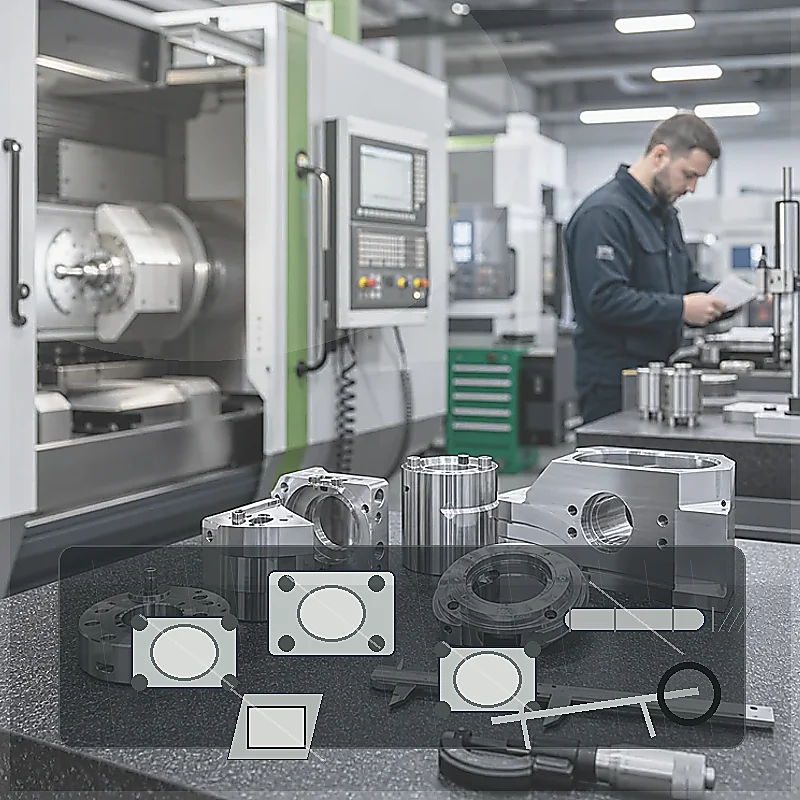
Aluminum cnc machining services decisions should start with function, not with a generic machining label. Buyers get better results when they define how the part will be used, which dimensions control assembly, what material behavior matters, and how the supplier will inspect the finished work. For this topic, the important issues are 6061 and 7075 aluminum parts, lightweight structures, anodizing, thin walls, and batch production. A capable supplier should be able to explain the process route, likely risk points, quotation assumptions, and inspection evidence before production begins.

Quick Answer

The practical answer is to match the drawing to a manufacturing route, then confirm material, tolerance, finish, quantity, and inspection before approving the order. If the part has mostly milled faces, pockets, slots, and holes, review aluminum CNC machining material page. If it includes round features, shafts, bushings, or threads, include CNC milling service planning in the discussion. For buyer-side risk control, ask how the shop will hold the part, which features are critical, and whether any finish or secondary process changes final dimensions.

Key Takeaways

  • Define the functional dimensions before asking suppliers to quote every feature as critical.
  • Send a 2D drawing with tolerance notes and a 3D model for programming reference.
  • Confirm material grade, heat condition, surface finish, and inspection report requirements early.
  • Ask the supplier to identify difficult features, tool access issues, and possible design changes.
  • Use sample approval or first article checks when the part is new, tight, cosmetic, or assembly-critical.

What Buyers Usually Need to Know

Most problems in custom machining come from unclear assumptions. A supplier may quote one setup while the buyer expects multiple controlled operations. A buyer may request a tight tolerance on the full drawing while only one bore or mounting face actually affects the assembly. For aluminum cnc machining services, the conversation should make those assumptions visible before the purchase order is issued.

The RFQ should include units, drawing revision, STEP file, material grade, quantity, surface finish, critical dimensions, and target delivery. When these details are missing, suppliers either pause the quote or make assumptions. A fast answer based on assumptions can look attractive, but it often creates rework later. A better supplier asks clear questions and records the answers.

Capability should be checked against the part shape. A shop with clear anodizing option may handle many related jobs, but the buyer still needs to know whether the part will be milled, turned, ground, cut by EDM, drilled, or finished by a partner. Process route clarity is the first sign that the quotation is built on real manufacturing thinking.

Buyer Question Why It Matters Useful Evidence
Which process will make the main features? Process choice affects setup count, accuracy, cost, and lead time Supplier explains milling, turning, EDM, grinding, drilling, or finishing route
Which dimensions are functional? Critical dimensions need better control than clearance or cosmetic areas Marked drawing, datum notes, inspection plan
Which material condition is required? Grade, temper, hardness, and stress condition change machining behavior Material certificate or written grade confirmation
What happens after machining? Deburring, anodizing, plating, polishing, or heat treatment can change size and appearance Finish specification and post-finish inspection method

Material and Process Considerations

Material changes cutting speed, tool wear, clamping force, burr behavior, and finishing results. Aluminum is usually easier to machine and finish, stainless steel needs more attention to heat and work hardening, brass and copper require careful burr and dent control, and engineering plastics can move under heat or clamping pressure. For aluminum cnc machining services, material selection should support the part’s function rather than only the lowest raw material price.

The process route should match both material and geometry. Deep pockets, small internal radii, long shafts, thin walls, fine threads, and cosmetic faces each require different planning. Buyers should ask whether the supplier sees any design feature that raises risk. If the supplier recommends a larger radius, a different stock size, or a changed tolerance, ask for the reason and the expected effect on cost and quality.

When finishing is required, discuss it before machining starts. Anodizing, plating, passivation, polishing, blasting, coating, and heat treatment may change dimensions, surface appearance, or edge condition. A controlled supplier will connect machining allowance, masking, inspection, and packaging rather than treating finishing as an afterthought. Relevant finishing choices can be checked through quality assurance process.

Tolerance, Surface Finish, and Quality Checks

Tolerance should be tied to function. A general tolerance may be enough for clearance edges, while a bearing diameter, threaded hole, sealing face, or locating surface may require a tighter limit and a clear datum. Buyers should avoid applying strict tolerance across the whole drawing unless the part truly requires it, because unnecessary precision raises cost and may increase rejection risk without improving performance.

Inspection should be planned before production. Calipers may be enough for noncritical outside dimensions, but bores, threads, flatness, profile, runout, and surface roughness often need gauges, micrometers, CMM checks, height gauges, pin gauges, or functional fit tests. For aluminum cnc machining services, ask which tool will verify each critical feature and whether the report covers first article, sampling, or full inspection.

Surface finish needs clear language. Words like smooth, clean, or nice are not enough when mating, sealing, sliding, corrosion, or appearance matters. Use Ra values where function requires them and visual notes where cosmetic faces matter. If finish follows machining, confirm whether dimensions are checked before or after finishing through surface treatment options.

Factor Typical Risk Practical Control
Tight tolerance Higher cost, slower machining, more inspection Apply tight limits only to functional features
Thin walls or deep pockets Vibration, distortion, tool reach limits Use larger radii, balanced walls, and realistic flatness notes
Cosmetic finish Color variation, handling marks, unclear acceptance Define visible faces and approve samples when needed
Repeat order Different lot, tool wear, undocumented changes Keep revision, process, and inspection records

Cost Factors and Quotation Details

Cost depends on more than part size. Setup time, programming, material stock, tooling, machine time, number of operations, inspection, finishing, packaging, and batch size all affect the final quote. A small part with deep features and tight tolerances can cost more than a larger simple plate. A large batch may justify fixture work that would not make sense for a one-off sample.

Buyers can improve quote accuracy by separating must-have requirements from preferences. State which features control assembly, which surfaces are cosmetic, which dimensions may follow general tolerance, and what report is required. If the supplier has to guess, the quote may change after technical review. Cost-focused topics can also be compared against CNC machine shop capability when drawing changes are possible.

Lead time should be broken down into material purchase, programming, setup, machining, finishing, inspection, packing, and shipment. Finishing and inspection often create delays that buyers do not see in a simple machine-time estimate. Ask for a realistic timeline and identify which step has the highest risk of delay.

Design Tips for Better Machining Results

Good design makes machining predictable. Use accessible features, practical internal radii, balanced wall thickness, clear datums, standard threads, and realistic hole depths. Avoid deep narrow pockets, very thin unsupported walls, tiny corner radii, and tight tolerances on nonfunctional features. These changes often lower cost while improving consistency.

For aluminum cnc machining services, design review should focus on 6061 and 7075 aluminum parts, lightweight structures, anodizing, thin walls, and batch production. If a feature is difficult but not functional, simplify it. If a feature is critical, mark it clearly and allow the supplier to plan the correct process. Tool access, clamping surface, burr direction, and finishing allowance should be considered before the drawing is released.

When the part is still being developed, use prototype or low-volume stages to learn from the design. A sample can reveal fit issues, burr problems, coating changes, or tolerance conflicts. It is cheaper to update the drawing after a controlled sample than to repair a full batch after shipment.

Common Buyer Mistakes to Avoid

One common mistake is comparing prices without comparing assumptions. If one supplier includes material certification, surface treatment, inspection report, and protective packaging while another quotes machining only, the prices are not equivalent. Ask each supplier to state what is included and what is excluded.

Another mistake is sending only a 3D model. The model helps programming, but the drawing carries tolerances, threads, material notes, finish requirements, datum references, and revision control. For aluminum cnc machining services, a missing drawing often leads to arguments about what should have been inspected or finished.

Buyers also overlook packaging. Sharp edges, polished faces, threads, thin walls, and precision bores can be damaged after inspection if parts are packed loosely. Packaging method should match the part’s risk and should be confirmed before shipment, especially for export orders.

Supplier Selection Checklist

A useful supplier review is technical and specific. Ask for the process route, material confirmation, fixture concept, inspection method, finishing plan, and lead time breakdown. The supplier does not need to expose every internal detail, but it should be able to explain how risk will be controlled.

Checklist Item Good Response Warning Sign
Drawing review Supplier identifies critical dimensions and unclear notes Supplier quotes with no technical questions
Process fit Supplier explains setups and secondary operations Supplier only lists machines generally
Inspection plan Supplier names tools and report format Supplier says quality is checked without details
Revision control Supplier confirms file version and change process Supplier relies on informal messages

Specification Sheet to Request

Before production, request a simple specification sheet covering drawing revision, 3D file name, material grade, quantity, finish, tolerance notes, critical dimensions, inspection report, packaging, and delivery terms. This sheet keeps engineering, purchasing, quality, and supplier teams aligned.

For repeat orders, the same sheet prevents silent changes. If material stock, finish partner, inspection method, or packaging changes, the buyer can review the difference before shipment. This is especially important when aluminum cnc machining services parts are used in assemblies or ordered across several batches.

Aluminum CNC Machining Services for Custom Parts Deep-Dive Notes

The most important judgment for aluminum cnc machining services is knowing which requirement truly drives performance. If the part is a prototype, fast learning may matter more than cosmetic perfection. If it is a repeat production component, stable process control and inspection records may matter more than the fastest quote. If the part is visible to customers, handling and finishing should be planned with the same care as dimensions.

Suppliers should be encouraged to flag manufacturability issues. A larger internal radius, modified thread depth, adjusted wall thickness, or changed finish sequence can reduce cost and risk. The buyer should evaluate each suggestion based on function, assembly, cost, and schedule rather than accepting or rejecting changes automatically.

For higher-risk parts, use a first article approval step. Measure critical dimensions, test fit with mating parts, review burrs, check finish, and document any accepted deviations. Once the sample is approved, update the drawing or specification so production follows the approved standard. That discipline is what turns a one-time sample into a repeatable purchasing process.

Quotation review for aluminum cnc machining services should include a short risk discussion, not only a unit price. Ask the supplier which feature is most likely to drive cycle time, which tolerance is most difficult, whether the material is standard stock, and whether finishing or inspection creates a separate lead time. These answers help the buyer understand why two quotations may differ even when the drawing is the same.

Inspection planning should also separate first-piece approval from batch control. The first piece confirms that the program, fixture, material, and drawing interpretation are correct. Batch inspection confirms that the process stays stable as tools wear, operators change shifts, or material lots vary. For aluminum cnc machining services, both checks can matter when parts must fit an assembly or repeat across several orders.

Communication should be documented in a way that survives staff changes. If the buyer approves a larger corner radius, accepts a minor tool mark, changes a finish, or allows a substitute material, that decision should be written into the drawing, purchase specification, or deviation record. A message buried in a chat thread is easy to miss when the next batch is ordered.

Packaging and handling deserve a line in the purchase requirements. Precision parts can pass inspection and still arrive unusable if threads rub together, cosmetic faces are scratched, thin walls are bent, or moisture reaches bare steel. Ask for trays, separators, oil paper, caps, bags, or carton reinforcement where the part geometry justifies it. The right packaging method is part of the delivered quality, not an optional extra.

If the design is still changing, buyers should avoid locking a large batch too early. A small sample or pilot run can expose burrs, assembly interference, coating thickness issues, tolerance conflicts, or unexpected cost drivers. Once those details are corrected, the production batch becomes less risky. This staged approach is especially useful when aluminum cnc machining services parts combine tight dimensions with visible surfaces or secondary finishing.

Supplier capability should be judged by the questions the supplier asks. A useful supplier will ask about datums, mating parts, finish class, inspection reports, material grade, and delivery constraints. A weak supplier may simply agree to every requirement without explaining how it will be controlled. Buyers should prefer the partner who makes hidden risk visible before production starts.

Finally, keep a record of what worked. After an accepted order, save the final drawing, approved sample notes, inspection report, finish reference, packing photos, and supplier comments. The next order can then start from a known standard instead of repeating the same technical discussion. This habit improves repeatability and makes aluminum cnc machining services purchasing easier over time.

For acceptance, define what happens if only a noncritical feature is outside the drawing while the functional areas pass. Some buyers allow a documented deviation for prototypes or internal fixtures, while production parts may require rework or remake. Agreeing on this decision path before shipment makes aluminum cnc machining services projects easier to manage when small issues appear.

For scheduling, ask the supplier to identify the latest date for drawing freeze, material purchase, machining start, finishing release, inspection, and packing. A clear timeline helps the buyer understand which change requests are still practical and which ones will reset delivery. That clarity is often the difference between a controlled order and a rushed recovery.

Conclusion

Aluminum cnc machining services sourcing works best when buyers define function, material, tolerance, finish, inspection, and delivery expectations before production. The strongest supplier is not simply the one with the fastest quote; it is the one that can explain the manufacturing route, identify risks, and provide evidence that the finished parts match the drawing. Clear RFQ data and practical design decisions reduce cost, delays, and rework.

FAQ

What information should I send for aluminum cnc machining services?

Send a 2D drawing, STEP file, material grade, quantity, finish requirement, tolerance notes, critical dimensions, inspection report needs, and target delivery date.

How can I reduce cost without weakening the part?

Use practical tolerances, larger internal radii, accessible features, standard materials, and clear finish notes. Ask the supplier which design details add the most machine time.

When should I request a first article report?

Request it when the part is new, tight tolerance, cosmetic, assembly-critical, or used for repeat production. The report should focus on the dimensions and features that affect function.
Categories
CNC Materials

Aluminum CNC Machining Guide: 6061, 7075 and Anodizing

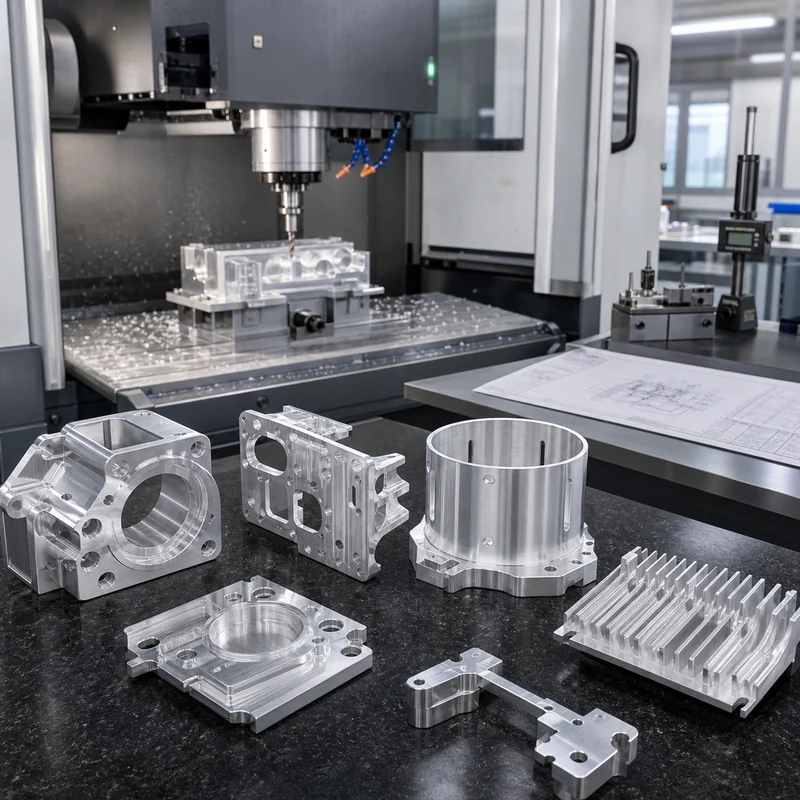
Aluminum cnc machining is often chosen because it balances machinability, weight, corrosion resistance, cost, and finishing flexibility. Buyers use aluminum for brackets, housings, covers, heat sinks, fixtures, robot parts, electronics enclosures, and prototype components that need real metal performance without the weight of steel. Good results depend on more than selecting aluminum as a material. The alloy, temper, wall thickness, pocket depth, tolerance, tool path, deburring method, and anodizing requirement all shape the final part.

Quick Answer

For most custom parts, aluminum CNC machining works best when the buyer chooses the alloy based on function. 6061 is a common all-purpose choice for brackets, housings, plates, and prototypes. 7075 offers higher strength but is more expensive and less forgiving for some finishing requirements. 5052 is often associated with sheet work rather than heavy machining, while 2024 has strength advantages but needs corrosion planning. If the project needs supplier confirmation, start with the site’s aluminum CNC machining material page and include exact alloy and temper in the RFQ.

Key Takeaways

  • 6061 is usually the safest default for general machined aluminum parts unless strength or weight targets require another alloy.
  • 7075 can improve strength but may raise material cost and finishing constraints.
  • Thin walls, large pockets, and asymmetric material removal can cause distortion.
  • Anodizing should be discussed before machining because coating thickness affects holes, threads, and cosmetic surfaces.
  • Quote accuracy improves when the buyer sends drawings, 3D files, finish notes, quantity, and critical dimensions.

What Buyers Usually Need to Know

Aluminum machines quickly compared with many steels, but that does not make every aluminum part easy. Thin walls can vibrate, deep pockets can require long tools, and broad flat plates can move after material is removed. A part with many cosmetic faces may need careful fixturing to avoid marks.

Machining route depends on geometry. Plates, brackets, pockets, slots, and housings are commonly made through CNC milling service planning. Round bosses, threaded inserts, or cylindrical features may need turning or mill-turn work. When a design includes both milled and turned aluminum features, the supplier should review setups before quoting.

Buyers also need to decide whether the part is a prototype, a small batch, or a repeat production item. A one-off prototype may accept visible machining marks, while a production enclosure may need consistent bead blasting and anodizing color from batch to batch.

Alloy Best Use Buyer Caution
6061-T6 General brackets, housings, plates, prototypes Good default but still check wall thickness and finish
7075-T6 Higher strength lightweight parts Higher cost and more finish planning
2024 Strength-focused components Corrosion protection may be important
6082 Structural machined parts in some markets Confirm availability with supplier

Material and Process Considerations

6061-T6 is widely used because it is available, stable, reasonably strong, and friendly to machining and anodizing. It is a practical choice for many brackets, housings, plates, fixtures, and general components. 7075-T6 has much higher strength and is common for loaded parts, but it costs more and may be more sensitive to corrosion and finish decisions.

Aluminum can be paired with different finishes. Clear anodizing preserves a technical silver look. Color anodizing helps identification or appearance. Hard anodizing improves wear resistance but changes coating thickness and appearance. For finish-specific decisions, compare clear anodized aluminum options, color anodized finishes, and hard anodized requirements before production.

If the drawing does not define alloy and temper, the supplier may quote a common grade that is easy to buy locally. That can be acceptable for a noncritical prototype, but it is risky for loaded brackets, threaded components, and parts that must match previous batches. Always state the grade when performance matters.

Tolerance, Surface Finish, and Quality Checks

Aluminum often holds standard CNC tolerances well, but part geometry matters. A compact block with short tools may be easier than a thin housing with deep pockets. Tight tolerances on thin walls can be difficult because the part may relax after unclamping. For large flat faces, flatness should be specified realistically and measured after the part stabilizes.

Inspection should focus on functional features: mounting holes, bearing seats, mating faces, threaded holes, slots, and sealing surfaces. If anodizing follows machining, decide whether dimensions are inspected before or after finishing. The supplier’s quality assurance workflow should state how coating-sensitive features are checked.

Surface finish should be defined in both technical and visual terms when needed. Ra values help for mating surfaces, while cosmetic notes help for exposed faces. A bead-blasted anodized cover needs different handling than an internal fixture plate where tool marks are acceptable.

Finish What It Adds Design Note
Clear anodizing Corrosion resistance and clean appearance Check coating allowance on fits
Color anodizing Identification and cosmetic color Accept reasonable color variation
Hard anodizing Wear resistance and thicker coating Mask threads or critical bores if needed
Bead blasting plus anodizing Uniform matte surface Define cosmetic faces before quoting

Cost Factors and Quotation Details

Aluminum is often cost-effective because cycle times can be shorter and tool wear is lower than in stainless steel or titanium. Cost still rises with deep pockets, small internal radii, thin walls, cosmetic finishing, tight flatness, and high inspection requirements. Material size also matters; removing a large amount from thick billet can waste material and machine time.

Buyers can reduce cost by increasing internal radii, avoiding unnecessary deep pockets, using standard stock sizes, and separating functional tolerances from cosmetic preferences. If the design is still changing, rapid prototyping support or low-volume samples can validate fit before committing to larger production.

Anodizing and cosmetic finishing often add hidden cost. A simple machined part may be fast, but masking holes, blasting visible faces, matching color, and checking appearance can extend the timeline. Put these requirements in the RFQ instead of treating them as details to decide later.

Design Tips for Better Machining Results

Good aluminum design uses balanced wall thickness, accessible corners, practical tool radii, and clear datum surfaces. Very thin ribs may look efficient but can chatter during machining. Deep closed pockets may trap chips and require longer tools. Large cosmetic surfaces should be protected during clamping and finishing.

Threaded holes need enough engagement, but excessive depth adds cycle time and tool risk. For anodized parts, threads may need masking or post-finish tapping depending on fit requirements. If the part needs heat dissipation, design fins and pockets with tool access in mind, especially for electronics enclosures and heat sinks.

If weight reduction is the goal, remove material where it does not create thin unsupported walls. Large pockets with generous radii are usually easier than many narrow slots. Discuss stress-relief machining for plates and housings that need flatness after heavy material removal.

Common Buyer Mistakes to Avoid

A common mistake is selecting 7075 simply because it sounds stronger. If 6061 already meets the load and finish requirement, 7075 may add cost without improving the purchased part. Another mistake is specifying an anodized color without accepting normal color variation between alloy batches, surface textures, and suppliers.

Buyers also overlook distortion. Removing material from one side of a plate can release stress and change flatness. Thin-wall aluminum housings may measure differently while clamped than after release. Discuss roughing, stress relief, and finish passes when the part has large pockets or slender walls.

A third mistake is ignoring deburring. Aluminum burrs can be sharp, especially around slots, intersecting holes, and thin fins. If the part must be handled by users or assembled against seals, define edge break and burr limits clearly.

Supplier Selection Checklist

Ask the supplier to review the drawing and explain the manufacturing route in plain technical terms. The response should identify risky features, material assumptions, fixture needs, finishing steps, inspection methods, and lead time drivers. A strong supplier also tells the buyer what information is missing before taking the order, which is often more valuable than a fast but shallow quotation.

Checklist Item Good Response Risky Response
Process route The supplier names machines, setups, and secondary operations Only says the part is easy
Material control The supplier confirms grade, stock, and certificate needs Offers vague equivalent material
Inspection The supplier lists gauges, CMM, report, or sampling method Mentions only visual checking
Communication The supplier records revisions and open questions Uses old files or informal changes

Specification Sheet to Request

Before approval, request a short specification sheet covering drawing revision, 3D file name, material, quantity, finish, tolerance notes, critical dimensions, inspection report, packaging, and delivery terms. This sheet becomes the shared reference when purchasing, engineering, quality, and supplier teams discuss the order.

For repeat orders, the same sheet helps prevent silent changes. If the supplier changes stock size, finish partner, inspection method, or packaging, the buyer can catch the difference before parts ship. That control is more useful than relying on memory from an earlier batch or a message buried in an old email thread.

Aluminum CNC Machining Depth Notes for 6061, 7075 and Thin Walls

For aluminum cnc machining, anodizing must be treated as part of the engineering plan. Coating grows inward and outward, so tight bores, threaded holes, and sliding fits may need allowance or masking. Cosmetic surfaces may require consistent pre-finish texture such as bead blasting before anodizing.

Thin-wall machining is another key risk. The shop may rough both sides, leave temporary support, use soft jaws, or adjust tool paths to control vibration. If the buyer can increase wall thickness from 1.0 mm to 1.5 mm or allow a larger corner radius, cost and rejection risk may drop sharply.

Heat sinks and enclosures bring their own requirements. Fins should be thick enough for stable cutting, and pockets should allow chip evacuation. Cosmetic outside surfaces and functional internal surfaces may need different finish notes, so the drawing should not treat the entire part as one uniform surface.

Aluminum stock condition can influence the finished part. Plate, bar, and billet may have different internal stress patterns, and aggressive material removal can reveal those stresses. If a part has a large pocket on one side, the supplier may rough the part, flip it, leave material for a finish pass, or recommend stress-relieved stock. Buyers should be cautious when a drawing combines thin walls, broad flatness requirements, and a low-cost target, because those goals can conflict.

For 6061 parts, the biggest advantage is practical availability and predictable machining. It is usually easier to quote, easier to source, and easier to anodize consistently than many specialized alloys. That makes it suitable for fixtures, brackets, housings, and prototype parts. The buyer should still define temper and finish, because untreated soft aluminum or an unspecified equivalent may not match strength, surface hardness, or color expectations in a repeat order.

For 7075 parts, the buyer should be clear about why the alloy is needed. Higher strength may be important for loaded lightweight components, but 7075 can raise material cost and may require more careful corrosion planning. If the part is only a cover, spacer, or test fixture, 6061 may provide a better cost balance. If the part truly carries load, ask the supplier to confirm stock availability before promising lead time.

Thin-wall aluminum housings need realistic inspection planning. A wall can move slightly after unclamping or after anodizing. Measuring the part while it is still warm, clamped, or unsupported can produce misleading results. Ask the supplier how it will support the part during inspection and which dimensions are measured after finishing. For critical sealing or assembly faces, flatness and perpendicularity may need more attention than general size.

Anodizing color is not a precision dimension. Color can vary with alloy, surface preparation, coating thickness, bath condition, and batch size. Buyers who need a cosmetic match should request a control sample or acceptable range. For functional parts, coating thickness, masking, and corrosion behavior may matter more than color. Clear communication avoids rejecting usable parts because appearance expectations were never defined.

Aluminum burr control is especially important around drilled holes, milled slots, thin fins, and tapped features. Burrs can interfere with assembly, scratch mating surfaces, or break loose during product use. If the part has fluid paths, electronics contact areas, or user-handled edges, add a deburring note. A simple edge break callout can save time compared with arguing about whether a sharp edge is acceptable after delivery.

Heat sinks require a balance between thermal design and machinability. Very thin fins increase surface area, but they may chatter, bend, or trap chips during machining. Wider fin spacing may reduce theoretical thermal performance slightly while improving manufacturing consistency and cost. If a heat sink is still in development, prototype several fin geometries before choosing a production design.

For assemblies, aluminum parts often interact with steel screws, brass inserts, stainless pins, plastic covers, or electronic components. These interfaces should guide tolerances and finish choices. Threaded holes may need helicoils or inserts if repeated assembly is expected. Bearing seats may need a tighter tolerance than the surrounding pocket. Cosmetic covers may need protected faces, while internal brackets may only need functional deburring.

Buyers should also consider galvanic corrosion when aluminum contacts other metals in humid or outdoor environments. Anodizing, isolation washers, coatings, or material changes may be needed depending on the assembly. The machining supplier may not design the whole product, but it can flag obvious risks when the drawing and use condition are explained clearly.

For aluminum parts with many tapped holes, thread quality should be planned before finishing. Small tapped holes can load with chips, distort during deburring, or feel tight after anodizing. If screws are installed repeatedly, inserts may be better than direct aluminum threads. If the holes are only used once for assembly, direct tapping may be enough. The buyer should match the thread design to real service conditions.

Inspection reports for aluminum parts should not measure every easy dimension while ignoring the difficult ones. Hole position, flatness, perpendicularity, thread depth, and mating faces often matter more than outside block size. Ask the supplier to identify which features it considers critical and compare that list with the engineering intent before production starts.

For repeat aluminum orders, ask the supplier to keep finish samples, inspection points, and packaging method consistent. A dimensional drawing alone may not protect color, texture, edge feel, or cosmetic face handling. Record these details after the first accepted batch so the next order does not restart the same discussions.

Conclusion

Aluminum cnc machining decisions should be based on alloy, wall thickness, machining route, tolerance control, finishing risk, and inspection evidence. Buyers get better results when they send complete RFQ data, mark critical features clearly, and discuss anodizing or cosmetic expectations before production. A well-controlled aluminum order can be lightweight, accurate, attractive, and cost-effective when the design and supplier process fit each other.

FAQ

Is 6061 good for aluminum CNC machining?

Yes. 6061-T6 is a common default for machined aluminum brackets, housings, plates, and prototypes because it is available, stable, and finishes well.

When should I choose 7075 aluminum?

Use 7075 when higher strength-to-weight performance is needed and the added material cost and finishing considerations are justified.

Does anodizing change dimensions?

Yes. Anodizing adds coating thickness and can affect holes, threads, and sliding fits. Critical features may need masking or post-finish checks.

Categories
CNC Materials

Best Materials for CNC Machining: Aluminum, Steel, Brass, Titanium and Plastics

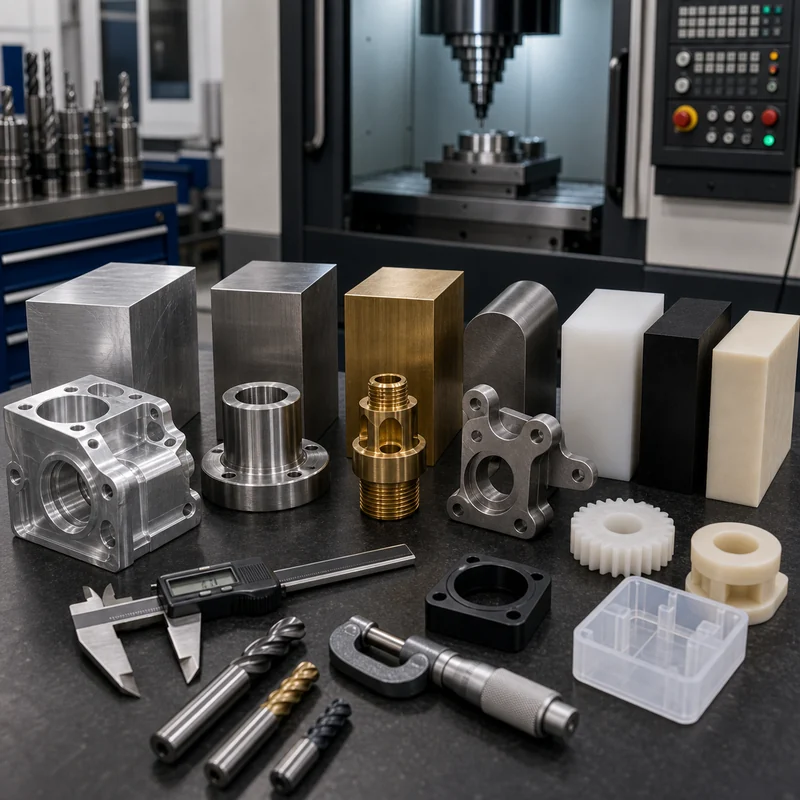
CNC machining materials is a key search topic for buyers who need reliable custom parts, accurate dimensions, practical material advice, and clear supplier communication. Before sending a drawing or placing an order, buyers should understand the process, cost drivers, tolerance requirements, material options, lead time, inspection needs, and the questions that separate a capable machine shop from a weak supplier.

Aluminum

Aluminum is popular because it machines quickly, has good strength-to-weight ratio, and works well for prototypes, housings, brackets, and aerospace-style components.

Buyer Notes

For a smoother quote, prepare a 3D model, 2D drawing, target material, order quantity, surface finish, tolerance requirements, and any critical assembly information. Clear specifications reduce delays and help the supplier identify manufacturability risks early.

Steel and Stainless Steel

Steel offers strength and durability. Stainless steel adds corrosion resistance but usually costs more to machine than aluminum.

Buyer Notes

For a smoother quote, prepare a 3D model, 2D drawing, target material, order quantity, surface finish, tolerance requirements, and any critical assembly information. Clear specifications reduce delays and help the supplier identify manufacturability risks early.

Brass, Copper, and Titanium

Brass machines well and suits fittings. Copper conducts heat and electricity. Titanium is strong and light but more difficult to machine.

Buyer Notes

For a smoother quote, prepare a 3D model, 2D drawing, target material, order quantity, surface finish, tolerance requirements, and any critical assembly information. Clear specifications reduce delays and help the supplier identify manufacturability risks early.

Engineering Plastics

POM, nylon, ABS, PC, PTFE, and PEEK can be CNC machined for prototypes, fixtures, insulation parts, and functional components.

Buyer Notes

For a smoother quote, prepare a 3D model, 2D drawing, target material, order quantity, surface finish, tolerance requirements, and any critical assembly information. Clear specifications reduce delays and help the supplier identify manufacturability risks early.

FAQ

What materials can be CNC machined?

Choose material by strength, weight, corrosion resistance, heat resistance, machinability, appearance, and cost. If unsure, ask the supplier to recommend options based on the part function.

What is the best material for CNC machining?

Choose material by strength, weight, corrosion resistance, heat resistance, machinability, appearance, and cost. If unsure, ask the supplier to recommend options based on the part function.

Can CNC machining make plastic parts?

Choose material by strength, weight, corrosion resistance, heat resistance, machinability, appearance, and cost. If unsure, ask the supplier to recommend options based on the part function.

How do I choose material for CNC parts?

Choose material by strength, weight, corrosion resistance, heat resistance, machinability, appearance, and cost. If unsure, ask the supplier to recommend options based on the part function.

Practical Checklist Before Ordering

  • Confirm material grade, dimensions, tolerance, and surface finish.
  • Share both 3D files and 2D drawings when possible.
  • Identify critical features that affect fit, sealing, strength, or assembly.
  • Ask about sample lead time, MOQ, inspection reports, and packaging.
  • Compare quotes by specification, not only by unit price.

Conclusion

A good CNC machining decision balances design, material, tolerance, cost, lead time, and supplier capability. Buyers who prepare complete files and ask the right technical questions usually receive more accurate quotes, better parts, and fewer production surprises.

Categories
CNC Materials

Master Thin Wall Aluminum Machining: 5 Expert Tips for Success

Machining thin-walled aluminum parts is a common yet challenging task in CNC workshops. This guide breaks down the process into five actionable expert tips, focusing on practical strategies to prevent chatter, distortion, and tool failure, helping you achieve precise, high-quality results every time.

Understanding the Challenge

So, you’ve got a job for machining thin wall aluminum components. It might be a lightweight aerospace bracket or a complex electronic enclosure. I get it—these parts look simple on the drawing but can be a real headache on the shop floor. The core issue is rigidity, or rather, the lack of it. When you’re dealing with thin-wall aluminum machining, the material is prone to flexing, vibrating (that awful chatter sound!), and distorting from cutting forces and heat. It’s like trying to slice a ripe tomato with a dull knife; you end up crushing it instead of getting a clean cut. Successfully machining thin walled aluminum parts isn’t about brute force; it’s a finesse game. Let’s walk through five key areas where a little expert knowledge makes all the difference.

Tip 1: Master Tool Selection and Geometry

Your first line of defense is choosing the right cutter. This isn’t the time for that old, slightly worn end mill. For aluminum thin wall machining, you need tools designed to cut smoothly and efficiently.

Sharp, High-Helix End Mills

Opt for end mills with a high helix angle (around 45° or more) and sharp, polished flutes. A high helix creates a shearing action that lifts chips up and out of the cut cleanly, reducing the force pushing against the thin wall. Tools specifically designed for aluminum milling, often with three flutes, offer an excellent balance of material removal and finish. Remember, a sharper tool requires less cutting pressure, which is exactly what our delicate part needs.

The Climb Milling Strategy

Always use climb milling (also called down milling). In this direction, the cutter teeth engage with the maximum chip thickness at the start of the cut and taper off to zero. This pulls the workpiece into the cutter, minimizing deflection and providing a cleaner surface finish on the thin wall. Conventional milling pushes the workpiece away, which can cause the wall to vibrate and chatter.

Tip 2: Optimize Feeds and Speeds for Stability

Finding the sweet spot in your CNC parameters is crucial. The goal is to maintain a consistent, light chip load. Running too slow can cause the tool to rub and generate excessive heat, softening the aluminum and leading to built-up edge. Running too aggressively will simply bend or break the wall.

We suggest you start with a higher spindle speed and a moderate-to-high feed rate. This might sound counterintuitive, but a faster feed per tooth ensures the cutter is *cutting* more than it’s *rubbing*. It creates thinner, cooler chips that carry heat away. A great resource for dialing in these numbers is the HSMAdvisor software, which specializes in calculating optimal parameters for challenging materials and geometries. The key takeaway for thin wall part machining is to prioritize a stable, continuous cut over maximum material removal rate.

Tip 3: Rethink Workholding and Fixturing

How you hold the part is just as important as how you cut it. Standard vises clamping directly on a thin feature are a recipe for distortion. You need to support the wall directly opposite the cutting forces.

Strategic Support is Key

For internal pockets, use custom soft jaws or fixture plates that match the part’s contour, providing full backing to the thin floor or side wall during machining aluminum thin walls. For external walls, consider strategic clamping away from the cut area and using removable support tabs or “bridges” in your CAD model that are machined away in the final operation. This extra material provides crucial rigidity during the bulk of the CNC milling process.

Consider Vacuum Fixturing

For large, plate-like thin parts, vacuum chucks are a game-changer. They distribute holding force evenly across the entire back surface, virtually eliminating clamping distortion and allowing you to machine most features in a single setup. It’s one of the most effective methods for precision thin wall machining.

Tip 4: Employ Smart Toolpath Strategies

Modern CAM software is your best friend here. Ditch the traditional constant-stepover toolpaths for more intelligent options. Trochoidal or adaptive clearing paths maintain a constant tool engagement angle, preventing the cutter from getting overloaded in corners—a common failure point. For finishing the final wall, use a spring pass. This is a second, identical finishing pass that removes any material that may have sprung back after the first cut due to residual stress or deflection, ensuring true dimensional accuracy for your thin-walled aluminum components.

Tip 5: Proactively Manage Heat and Chip Evacuation

Heat is the enemy of dimensional stability. Aluminum expands when heated, and if the part gets too hot during machining thin sections, it will be out of spec when it cools. Use plenty of coolant, preferably flood coolant, to both control temperature and flush chips away. Re-cutting chips (recutting) is a major source of heat and poor surface finish. For deep pockets, consider peck milling or using an air blast to ensure chips are cleared from the cutting zone. Keeping everything cool and clean is a simple but non-negotiable rule.

Putting It All Together

Mastering thin wall aluminum fabrication is about a holistic approach. It’s the synergy of a sharp, correct tool; stable, calculated cutting parameters; intelligent workholding; smart CAM programming; and diligent thermal management. Start by analyzing your part to identify the most fragile features, then build your process around supporting and cutting them gently. Don’t be afraid to make test cuts on scrap material. With these five expert tips, you’ll transform a daunting job into a routine success, producing strong, precise, and chatter-free thin wall parts that meet the tightest tolerances. Happy machining!

Categories
CNC Materials

Discover the Best Materials for CNC Machining: A Practical Guide

Choosing the right material is a crucial first step in any CNC project. This guide walks you through the most common and effective materials, from metals like aluminum and stainless steel to plastics and composites, helping you match their properties to your specific application needs for a successful outcome.

Why Your Material Choice Matters So Much

Hey there! If you’re diving into a new CNC project, you’ve probably realized there are tons of material options out there. It can feel a bit overwhelming, right? I’m here to tell you that picking the optimal CNC machining material isn’t just a technical step—it’s the foundation of your entire project. The right choice affects everything: how long it takes to machine, the final finish, the part’s strength, its cost, and even how it behaves in the real world. Think of it like choosing ingredients for a recipe; the best dish starts with the best, most suitable components. Whether you’re making a lightweight drone arm or a heavy-duty gear, understanding CNC material properties is your first step to success.

Top Metals for CNC Machining

Let’s talk about metals first. They’re the backbone of many CNC milling materials and CNC turning materials lists, and for good reason. They offer a fantastic balance of strength, durability, and machinability. Here’s a breakdown of the most popular ones you’ll encounter.

Aluminum Alloys: The Go-To Favorite

If I had to pick one material that’s the superstar of the CNC shop, it would be aluminum. Specifically, alloys like 6061 and 7075. Why? They’re incredibly easy to machine, which means faster production times and less tool wear. They’re also lightweight and have a great strength-to-weight ratio, making them perfect for aerospace parts, automotive components, and consumer electronics. 6061 is your all-around workhorse, while 7075 offers higher strength. For more detailed specs on aluminum grades, a great resource is the ASM Handbook series.

Stainless Steel: For Strength and Shine

When you need corrosion resistance and serious strength, stainless steel is the answer. Grades like 304 and 316 are common for food-grade or marine applications. For even higher strength and wear resistance, people often look at 17-4 PH or 416. The catch? Stainless is tougher on your tools than aluminum, so machining it requires more power and careful planning. But for parts that need to last under stress and resist rust, it’s a top-tier choice for precision machining materials.

Mild Steel and Other Common Metals

Don’t overlook good old mild steel (like A36) or alloy steels (like 4140). They’re cost-effective, very strong, and weldable, ideal for structural frames, brackets, and tooling. Brass and copper are also excellent CNC machining metals when you need electrical conductivity, corrosion resistance, or that distinctive aesthetic look for custom fittings and decorative pieces.

Top Plastics and Composites for CNC

Plastics and composites open up a whole new world of possibilities. They’re essential when you need electrical insulation, chemical resistance, or a lower-cost prototype. The key is knowing which plastic fits your CNC fabrication needs.

Delrin® (Acetal): The Precision Plastic

Ask any machinist about their favorite plastic to cut, and many will say Delrin (acetal homopolymer). It machines beautifully—leaving a smooth, low-friction finish—and is dimensionally stable. It’s the go-to for making gears, bushings, and insulators. If you’re looking for easy to machine materials for CNC in the plastic family, start here.

Nylon: Tough and Versatile

Nylon is another fantastic option, known for its toughness, wear resistance, and slight flexibility. It’s great for parts that need to endure impact or friction. You might find it in wear pads, fasteners, or functional prototypes. Just remember, it can absorb moisture, which might affect dimensions in very humid environments.

PTFE (Teflon®) and PEEK

For extreme applications, we move into high-performance polymers. PTFE (like Teflon) has incredible chemical resistance and the lowest coefficient of friction, perfect for seals and linings. PEEK is a superstar engineering plastic that retains its properties at high temperatures and is biocompatible, used in medical and aerospace. These are more challenging to machine but solve unique problems. The Boedeker Plastics resource center is a helpful place to learn more about these advanced materials.

How to Choose: Matching Material to Your Project

So, with all these options, how do you decide? I like to break it down by asking a few simple questions. First, what does the part *do*? Does it need to be strong, lightweight, conductive, or chemically inert? Second, what’s your budget? Material cost and machinability of metals directly impact the final price. Third, consider the environment. Will it be outdoors, in contact with chemicals, or inside the human body? Finally, think about appearance and finish. Answering these will quickly narrow down your list of suitable materials for CNC and point you toward the best fit.

Common Mistakes to Avoid

Let’s wrap up by looking at a few pitfalls I’ve seen folks run into. One big one is choosing a material based only on its raw cost, without factoring in machining difficulty. A cheaper, harder-to-machine metal might end up costing more in labor and tooling than a slightly pricier, easier one. Another is overlooking material grain direction or thermal properties, which can cause warping or poor finishes. And finally, not prototyping with a cheaper, easier material first! It’s often wise to test your design in a basic plastic or aluminum before committing to expensive stainless or titanium. Avoiding these missteps will make your journey to finding the best stock for CNC machining much smoother.

Categories
CNC Materials

Can CNC Machines Cut Aluminum? 5 Essential Tips for Success

Absolutely! CNC machines are exceptionally well-suited for cutting aluminum. It’s one of the most popular materials in the machining world due to its excellent machinability, strength-to-weight ratio, and versatility. This guide will walk you through why aluminum is a machinist’s friend and share five key tips to ensure your projects are a success, from choosing the right tools to perfecting your finish.

Mastering Aluminum Machining with CNC Technology

If you’re wondering, “can a CNC machine cut aluminum?” or “is aluminum good for CNC machining?”, let me put your mind at ease. The answer is a resounding yes! In fact, milling aluminum on a CNC router or machining center is a fundamental process in workshops everywhere. The real question isn’t *if* you can do it, but *how well* you can do it. Aluminum’s properties make it a dream to work with compared to tougher metals, but to get those clean, precise, and efficient results, a little know-how goes a long way. Think of it like driving a high-performance car; it’s capable of amazing things, but you need to understand the controls to get the best ride.

Tip 1: Select the Right Aluminum Alloy for Your Project

Not all aluminum is created equal. Your first step to success is picking the correct grade. Choosing the wrong one can lead to poor surface finishes, tool wear, or even a part that doesn’t meet its strength requirements. It’s the foundation of your entire CNC aluminum fabrication process.

Understanding Common Alloys

You’ll often hear machinists talk about series like 6061, 7075, or 5052. Here’s a quick breakdown: 6061 aluminum is the most common general-purpose alloy. It’s highly weldable, has good corrosion resistance, and offers great all-around machinability, making it perfect for prototypes, brackets, and frames. For high-stress applications like aerospace components, 7075 aluminum is the go-to. It’s much stronger but also harder to machine. So, ask yourself: do I need maximum strength or easier machinability? Your answer will guide your aluminum material selection.

Tip 2: Optimize Your Cutting Tools and Parameters

This is where the magic happens. Using the wrong tool or running it too slow or fast is the most common pitfall. Proper setup here directly answers the search for “best tools for milling aluminum” and ensures efficient aluminum CNC milling.

Tool Selection is Key

For aluminum, you generally want sharp, polished flutes that help chips slide away easily. Carbide end mills are the standard. I often recommend a 3-flute end mill for a great balance of material removal and finish. For roughing, a tool with a variable helix can really help reduce vibration. And don’t forget about coatings! An uncoated or ZrN (zirconium nitride) coated tool often works better than the standard TiAlN used for steel, as it reduces the material’s tendency to stick to the tool.

Dialing in Feeds and Speeds

Running your spindle too slow can cause the tool to rub instead of cut, building up heat and loading up with material. Too fast, and you risk deflection or breaking the tool. A good starting point is to use a feeds and speeds calculator. Remember, aluminum likes high spindle speeds and high feed rates. This creates thin, easy-to-evacuate chips and carries heat away. It might feel counterintuitive at first, but a more aggressive cut can often give you a better finish and longer tool life.

Tip 3: Master Chip Control and Evacuation

In aluminum work, the chips are your enemy if they’re not managed. Recutting chips is a primary cause of poor surface finish and tool failure. Good chip evacuation is non-negotiable for quality precision aluminum machining.

You can help this process along. Using compressed air or a coolant mist directed at the cut can blast chips out of the way. For deep pocket operations, consider using a toolpath strategy like trochoidal milling or high-efficiency milling (HEM), which keeps the tool engaged consistently and helps break chips into manageable pieces. It’s like keeping your work area clean while you build a model—it prevents mistakes and makes everything smoother.

Tip 4: Use Effective Cooling and Lubrication

While aluminum dissipates heat well, the cutting zone can still get very hot. The right coolant or lubricant serves two main purposes: it cools the tool and workpiece, and it prevents aluminum from welding itself to the cutting edges of your tool (a problem called built-up edge or BUE).

For many hobbyists or smaller shops, a simple flood coolant or a robust mist system works wonders. If you’re using a CNC router without a full enclosure, a spray bottle with a dedicated aluminum cutting fluid or even isopropyl alcohol can be effective for light work. The goal is to keep things cool and slippery. Resources from organizations like the Society of Manufacturing Engineers (SME) offer deeper dives into metalworking fluids.

Tip 5: Secure Your Workpiece and Minimize Vibration

Aluminum is relatively soft, which means it can flex and vibrate during aggressive cuts. This chatter shows up as visible marks on your part and can damage your tools. A rigid setup is your best defense.

Use sturdy vises, clamps, or even specialized fixtures to hold your stock. For thin-walled parts, consider using soft jaws machined to the part’s contour for maximum support. Also, ensure your machine itself is on a solid foundation. Taking the time to get a rock-solid setup might seem tedious, but it pays off with a mirror-like finish and dimensional accuracy that makes your CNC aluminum parts look professionally made.

Wrapping Up Your Aluminum CNC Journey

So, can you machine aluminum on a CNC? Without a doubt. By focusing on these five areas—choosing the right alloy, optimizing your tools and speeds, managing chips, using coolant, and ensuring a rigid setup—you’ll transform from simply cutting aluminum to mastering it. Every project is a chance to learn and refine your process. Start with a forgiving alloy like 6061, apply these tips, and you’ll be producing clean, precise, and strong aluminum components in no time. Happy machining!

Categories
CNC Materials

Discover the Best Materials for CNC Machining Success

Choosing the right material is a foundational step for any CNC machining project. The best choice balances machinability, strength, cost, and final application, turning a good design into a great finished part. Let’s explore the top contenders to help you make an informed decision.

Top Metals for CNC Machining

When people ask about the best materials for CNC milling, metals often come to mind first. They offer incredible strength and durability, making them perfect for functional parts, aerospace components, and automotive applications. The key is finding a metal that machines well without excessive tool wear.

Aluminum Alloys: The Go-To Choice

If I had to pick one material that’s a superstar in the shop, it’s aluminum. Alloys like 6061 and 7075 are incredibly popular for good reason. They’re lightweight, have an excellent strength-to-weight ratio, and, most importantly, they’re highly machinable. You can achieve fast cutting speeds and beautiful surface finishes. It’s often the most cost-effective metal option, which is why it’s perfect for prototypes, enclosures, and brackets. For more on its properties, the ASM Handbook series is a fantastic technical resource.

Stainless Steel: For Strength & Corrosion Resistance

Need something tougher? That’s where stainless steel comes in. Grades like 304 and 316 are the answer for parts that face harsh environments, require food-grade certification, or need to withstand high stress. While it’s harder on tools than aluminum, modern CNC machines handle it with the right parameters. When you’re looking for durable CNC materials that won’t rust, stainless is a top-tier choice.

Excellent Plastics for CNC Projects

Don’t overlook plastics! They are fantastic CNC machining materials for applications where weight, electrical insulation, or chemical resistance are priorities. The range available means you can find a plastic with properties tailored to almost any need, from low-friction bearings to see-through prototypes.

Delrin (Acetal): The Precision Plastic

Delrin, or acetal homopolymer, is a machinist’s favorite plastic. It’s stiff, has low moisture absorption, and machines to a dimensionally stable, smooth finish that almost feels like metal. It’s ideal for gears, bushings, and insulators. If you’re wondering about what plastics are good for CNC for high-precision parts, Delrin should be at the top of your list.

Nylon (PA): Tough and Versatile

Nylon is the workhorse of engineering plastics. It’s tough, has good wear resistance, and can be quite flexible depending on the grade. This makes it excellent for functional parts like spacers, rollers, and custom fasteners. A friend of mine who makes custom bicycle components swears by CNC-machined nylon for its durability and shock absorption. For a deep dive into polymer science, check out the Polymer Science Learning Center.

How to Choose Your CNC Material

So, with all these options, how do you decide? I always suggest starting with the part’s job. Ask yourself: What forces will it handle? Will it be indoors or outdoors? What’s the budget? For instance, selecting materials for CNC for a one-off prototype might lead you to aluminum or ABS plastic for speed and cost. A final production part going into a machine might demand stainless steel or PEEK. Don’t hesitate to consult with your machine shop—they see what works and what doesn’t every day and can offer priceless advice to ensure your project’s success.

Request A Quote

We'll Send You Back with Price Immediately!

DEC 1-31

XMAS SPECEIL

Up to

40% off

Discover the Best Materials for CNC Machining Success

We'll Send You Back with Price Immediately!