Categories
CNC Machining Basics

How CNC Machining Works: Complete Process, Machines, Materials, Tolerances, and Inspection

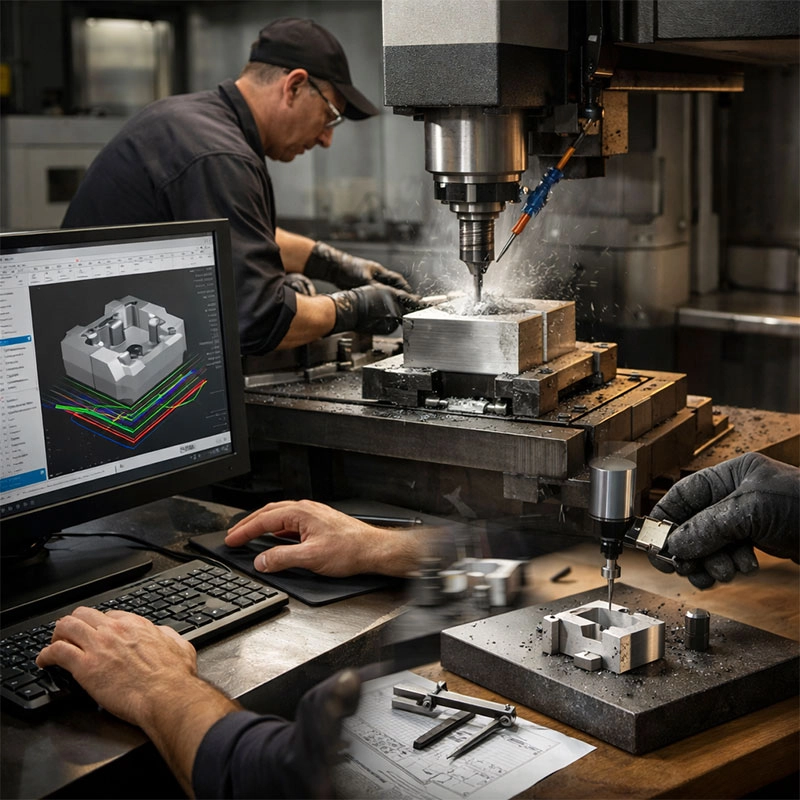
Quick answer: CNC machining works by using computer-controlled machine motion to remove material from a solid workpiece until the final part matches the CAD model and drawing. A typical project moves through drawing review, material selection, CAM programming, machine setup, cutting, deburring, surface finishing, inspection, and shipping. The same workflow can produce prototypes, fixtures, replacement parts, and repeat production components in metal or plastic.

What CNC Machining Does

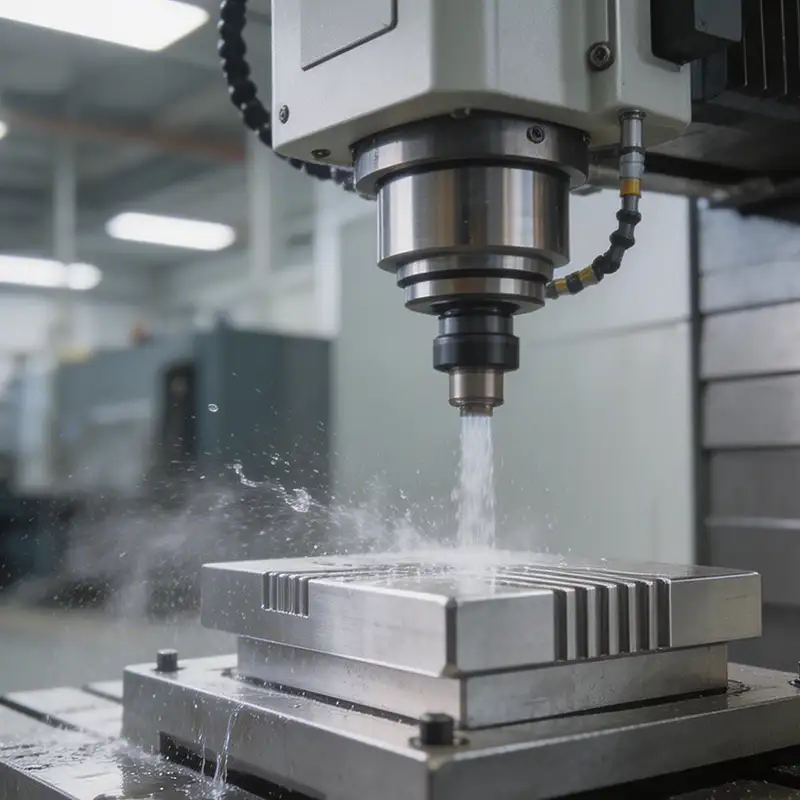
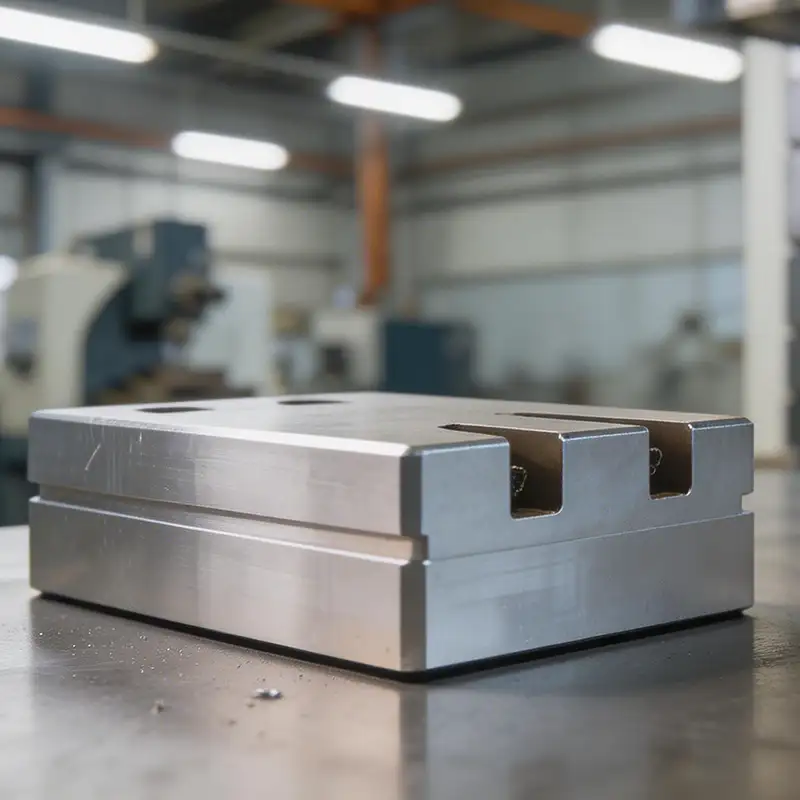
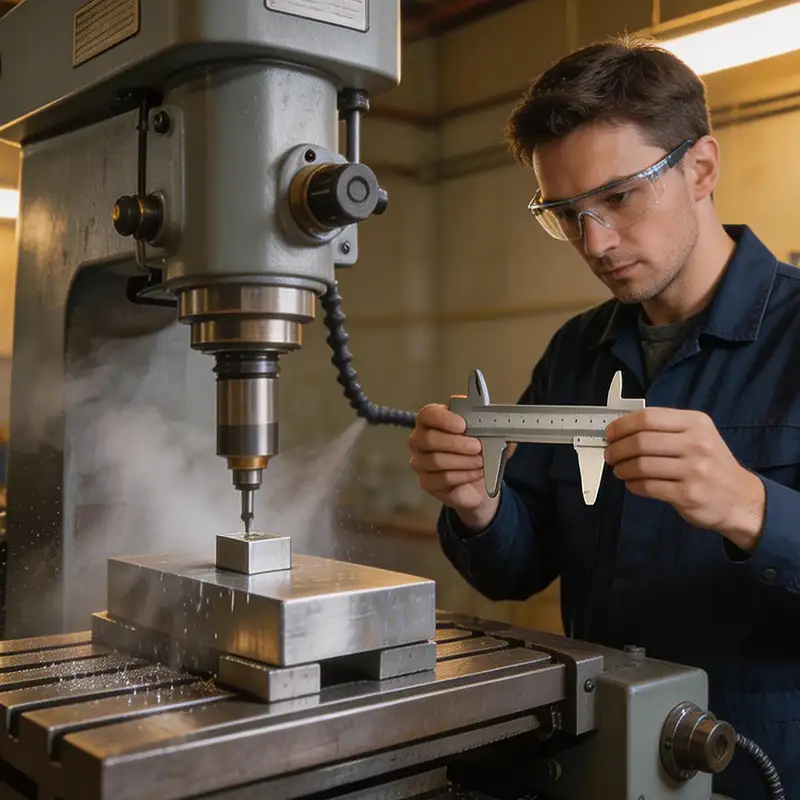
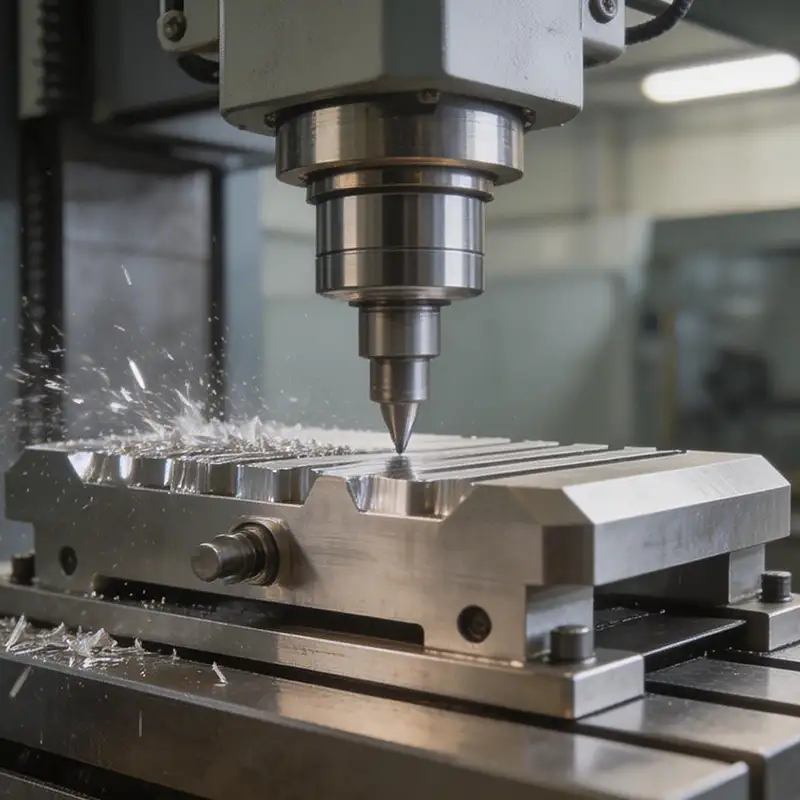
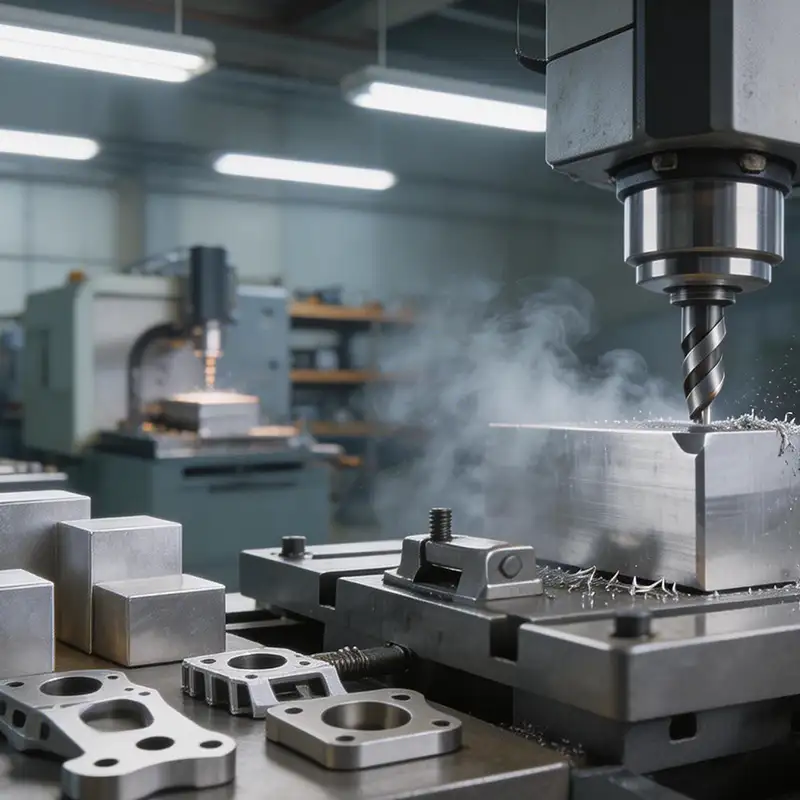
CNC machining is a subtractive manufacturing process. The machine does not build the part from nothing; it starts with bar, plate, billet, casting, forging, extrusion, or plastic stock and removes everything that is not part of the final geometry. This is why CNC machining is useful for accurate holes, pockets, flat faces, slots, threaded features, bores, contours, and assembly surfaces.

The word CNC means computer numerical control. The computer controls tool movement, spindle speed, feed rate, coolant, tool changes, and machine coordinates. The operator still matters, because fixture strategy, tool choice, cutting data, workholding, and inspection planning decide whether the programmed process will make a stable part.

CNC Machining Process Step by Step

Step What happens Why it matters
1. CAD and drawing review The supplier checks the 3D model, 2D drawing, material, tolerances, threads, surface finish, and quantity. This catches features that are expensive, unclear, impossible to inspect, or hard to machine.
2. DFM feedback The engineer reviews tool access, corner radii, wall thickness, pocket depth, hole depth, and setup direction. Small design changes can reduce cost and improve quality without changing part function.
3. CAM programming The part model is converted into toolpaths, cutting strategies, tool lists, speeds, feeds, and setup sheets. Programming controls machining time, tool wear, surface quality, and risk of collision.
4. Workholding and setup The material is held in a vise, chuck, fixture, soft jaws, pallet, or custom fixture. Rigid workholding helps maintain tolerance and repeatability.
5. Machining operations The machine performs milling, turning, drilling, boring, reaming, tapping, profiling, or facing operations. This creates the final shape and functional features.
6. Deburring and finishing Sharp edges are removed and the part may receive anodizing, plating, polishing, blasting, or coating. Finishing affects appearance, corrosion resistance, wear, and sometimes dimensions.
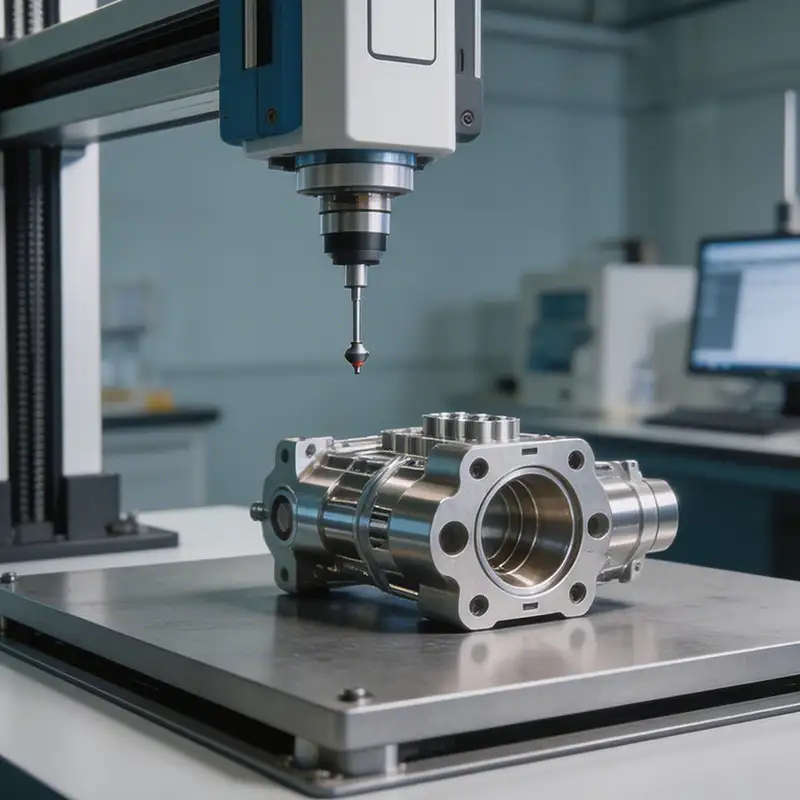
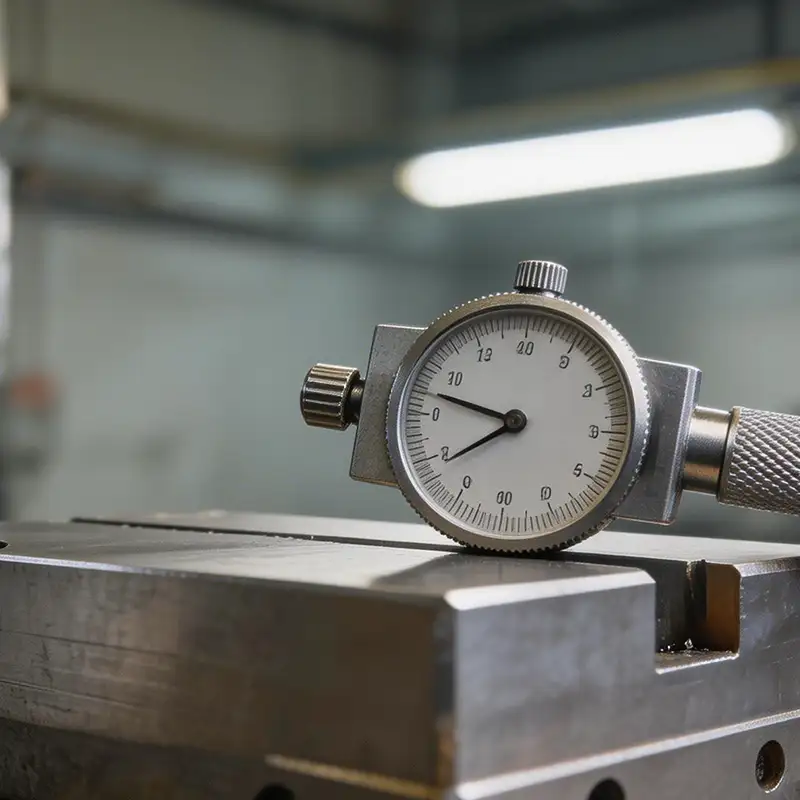
7. Inspection Parts are checked with calipers, micrometers, gauges, CMM, height gauges, or visual inspection. Inspection confirms whether the part meets the drawing before shipment.

Main CNC Machining Methods

CNC Milling

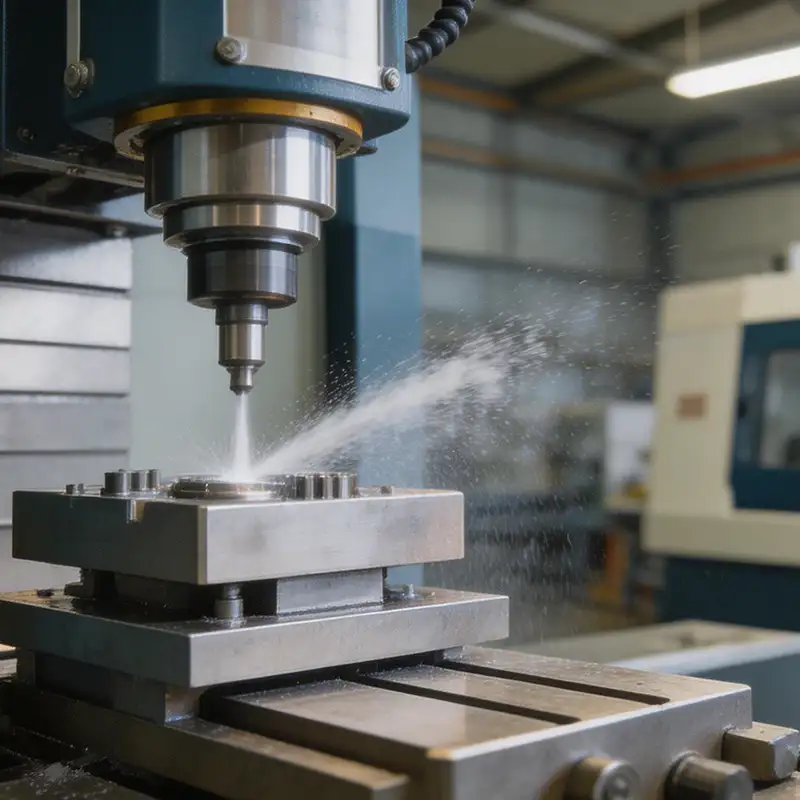
CNC milling uses rotating cutting tools to remove material from a fixed workpiece. It is a strong choice for plates, brackets, housings, pockets, slots, drilled holes, tapped holes, flat surfaces, and complex prismatic shapes. 3-axis milling is efficient for simple access geometry, while 4-axis and 5-axis machining help when parts need multi-side access or complex angles.

CNC Turning

CNC turning rotates the workpiece while cutting tools shape the diameter, face, groove, bore, or thread. It is commonly used for shafts, pins, bushings, sleeves, spacers, nozzles, fittings, rollers, and round precision parts. Live tooling can add milled flats, cross holes, or slots without moving the part to a separate mill.

Hole Machining

Most CNC parts include holes, and different hole operations serve different goals. Drilling creates the hole, boring improves diameter and alignment, reaming improves size and finish, and tapping or thread milling creates internal threads. Precision holes should not be treated the same as simple clearance holes.

Materials Used in CNC Machining

CNC machining works with aluminum, stainless steel, carbon steel, tool steel, brass, copper, bronze, titanium, nickel alloys, ABS, POM, nylon, acrylic, PC, PEEK, PTFE, and other engineering materials. Material choice changes cutting speed, tool wear, heat behavior, tolerance stability, cost, surface finish, and lead time.

For example, aluminum is fast to machine and good for prototypes, housings, brackets, and lightweight components. Stainless steel is stronger and more corrosion resistant but usually slower to machine. Brass cuts cleanly and works well for fittings and electrical parts. Plastics need sharp tools and heat control because they can flex, melt, or move after machining. Use the CNC materials guide when the part function is still unclear.

What Controls CNC Machining Accuracy?

Accuracy depends on more than the machine brand. Tool wear, fixture stiffness, material stress, thermal expansion, cutting strategy, setup count, part geometry, operator method, and inspection process all affect the final result. Thin walls, deep pockets, long shafts, hard materials, and tight hole patterns are more difficult than simple block-shaped parts.

Critical drawings should identify datums, true position, hole fit, thread class, surface finish, and inspection method. A supplier can hold a tolerance more reliably when the part has a stable datum structure and the critical features are clear. For demanding parts, connect the project with MTSPi’s quality assurance process.

Design Rules That Make CNC Parts Easier to Manufacture

  • Use practical inside corner radii instead of sharp internal corners.
  • Avoid deep narrow pockets unless the function truly requires them.
  • Do not apply tight tolerances to every dimension; reserve them for functional features.
  • Give thread size, pitch, depth, and blind/through condition clearly.
  • Separate cosmetic surfaces from non-cosmetic surfaces on the drawing.
  • Confirm finish requirements before machining because coating can change dimensions.
  • Send both 3D CAD and 2D drawings when tolerance and finish matter.

CNC Machining Cost Drivers

The main cost drivers are material price, part size, machining time, setup count, complexity, tolerance, surface finish, inspection, and quantity. A part with many setups, tight tolerances, deep pockets, small tools, and cosmetic finishing will cost more than a simple plate with standard tolerances. Batch quantity can reduce unit price because programming and setup time are spread across more parts.

CNC Machining vs 3D Printing, Casting, and Molding

Process Best for Limitation
CNC machining Accurate real-material parts, prototypes, low-volume production, fixtures, replacement parts Material waste and tool access constraints
3D printing Complex shapes, fast concept models, internal channels, lightweight structures Surface finish, tolerance, and material limitations vary by process
Casting Complex metal shapes and larger production volumes Tooling, porosity risk, and post-machining needs
Injection molding High-volume plastic production High tooling cost and longer upfront development

FAQ

What files are needed for CNC machining?

A 3D CAD file is best for programming, while a 2D drawing is important for tolerances, threads, surface finish, material, inspection notes, and revision control.

Is CNC machining only for metal parts?

No. CNC machining is used for metals and engineering plastics, including aluminum, stainless steel, brass, copper, ABS, POM, nylon, acrylic, PC, and PEEK.

Can CNC machining make one prototype?

Yes. CNC is often used for one-off prototypes because it produces parts from real materials without mold tooling.

Why are tight tolerances more expensive?

Tight tolerances require more careful setups, slower cutting, better fixtures, more stable materials, and more inspection time.

How can I reduce CNC machining cost?

Use standard materials, practical tolerances, accessible features, standard thread sizes, and clear drawings. Ask for DFM feedback before ordering.

Need CNC machining support?

Send CAD files, drawings, quantity, material, finish, and tolerance notes. MTSPi can review the best route before quoting.

Contact MTSPi for a quote

Conclusion

CNC machining works by turning digital part data into controlled cutting operations. The best results come from clear drawings, suitable materials, practical tolerances, stable setups, planned finishing, and inspection that matches the part function.
Categories
CNC Machining Basics

What Is High Precision Machining? A Beginner’s Friendly Guide

High precision machining is a specialized manufacturing process focused on creating parts with exceptionally tight tolerances and superior surface finishes. Think of it as the art of making things incredibly accurate, often down to the width of a human hair or even finer. It’s essential in industries where a tiny error can lead to big problems.

The Fundamentals of High-Precision Machining

So, you’re curious about high precision machining? Let’s break it down in simple terms. At its core, it’s all about removing material from a workpiece—like metal, plastic, or ceramic—to create a part that matches its design specifications almost perfectly. The goal isn’t just to make a part; it’s to make a part with dimensions so accurate and a surface so smooth that it fits and functions flawlessly in its final application. This level of precision manufacturing goes beyond standard machining, demanding exceptional skill, advanced equipment, and meticulous planning.

Tolerances and Surface Finish: The Heart of Precision

Two concepts are absolutely crucial here: tolerances and surface finish. Imagine you’re ordering a custom cabinet. A tolerance is like saying, “This drawer must be between 499.95mm and 500.05mm wide.” That ±0.05mm is the allowed variation. In high-tolerance machining, these tolerances can be incredibly tight, sometimes measured in microns (one-thousandth of a millimeter). The surface finish, measured in Ra (roughness average), refers to how smooth the part’s surface is. A mirror-like finish isn’t just for looks; it reduces friction, improves wear resistance, and prevents cracks from starting. Mastering these two elements is what separates precision work from the ordinary.

Why It’s So Valuable: Where You’ll Find Precision Parts

You might wonder, “When do I actually need such extreme accuracy?” The answer is: more often than you think! This isn’t just a niche process. For instance, in the aerospace industry, a turbine blade must withstand insane forces and temperatures; a microscopic flaw could be catastrophic. In medical device manufacturing, think of a surgical implant or a component for a diagnostic machine—precision is directly linked to patient safety and device reliability. The automotive sector relies on it for fuel injectors and transmission components to boost efficiency. Even the electronics in your phone depend on precisely machined parts. Essentially, any industry where performance, safety, and miniaturization are critical is a home for ultra-precision machining.

Getting Started with Precision Machining: Key Considerations

If you’re considering a project that needs high precision, here’s some friendly advice from the shop floor. First, have a clear and detailed design. We recommend you provide a comprehensive CAD model and drawing with all tolerances and finishes clearly called out. This is your blueprint for success. Second, communicate early and often with your machining partner. Discuss the part’s function—this helps them suggest the best approach. A classic example is a client who needed a very stiff bracket. By understanding its role, we suggested a different material and machining strategy that saved them weight and cost while improving performance.

The Right Machine Tools for the Job

Not all machine shops are created equal for this work. CNC machining (Computer Numerical Control) is the standard, but the machines themselves must be high-end. Look for shops with modern 5-axis CNC mills and Swiss-type lathes that offer incredible flexibility and accuracy. These machines, often housed in temperature-controlled rooms to prevent thermal expansion, are the workhorses of precision. The process also frequently utilizes advanced techniques like micro-machining for tiny, intricate features. You can learn more about the capabilities of modern CNC systems from authoritative sources like the SME.

Why Material Choice Matters

The material you choose plays a huge role. Metals like aluminum, stainless steel, and titanium are common, but each machines differently. For instance, machining a tough alloy like Inconel requires different tools and strategies than machining brass. A good machinist will factor in the material’s hardness, thermal properties, and how it reacts to cutting forces. Sometimes, the quest for tight-tolerance manufacturing means selecting a material that is not only strong but also stable and predictable during the machining process.

Common Misconceptions About High-Precision Work

Let’s clear up a few things people often get wrong. First, precision machining isn’t always slow and prohibitively expensive for every part. While it requires more time and care than basic machining, for critical components, it’s a necessary investment that prevents costly failures later. Second, it’s not a magical, fully automated process. Yes, the CNC mechanical processing is automated, but it relies heavily on the expertise of skilled programmers and machinists to set up, monitor, and fine-tune everything. Finally, achieving high precision isn’t just about buying the best machine. It’s a holistic system involving measurement tools (like calibrated CMMs), a clean environment, and a culture of quality.

Wrapping Up: Precision as a Partnership

In the end, high precision machining is a fascinating blend of advanced technology, deep material science, and human skill. It’s the behind-the-scenes hero that makes modern innovation possible, from life-saving medical tools to the vehicles that explore other planets. If you have a project that demands this level of accuracy, view it as a partnership with your machine shop. Bring your design and application knowledge, and partner with a shop that brings the right equipment, expertise, and a commitment to quality. Together, you can turn a precise idea into a perfect part.

Categories
CNC Machining Basics

What Is CNC Precision Machining? A Beginner’s Friendly Guide

Ever wondered how complex metal or plastic parts are made with incredible accuracy? That’s the world of CNC precision machining. This guide breaks down this advanced manufacturing service in simple terms, explaining how it works, why it’s so valuable, and what you should know before using it.

Understanding CNC Precision Machining Services

Let’s start with the basics. CNC precision machining is a manufacturing process where computer-controlled machines remove material from a solid block (called a workpiece) to create a custom part. Think of it like a super-skilled, ultra-precise robotic sculptor that can work with metals, plastics, and composites. The “CNC” stands for Computer Numerical Control, which is the brain behind the operation. This service is the go-to method for producing parts that need to be incredibly accurate, repeatable, and complex.

How Does It Work? From Design to Part

The journey of a part begins long before the machine starts. It all starts with a digital 3D model created in CAD (Computer-Aided Design) software. This model is then translated into instructions, called G-code, that the CNC machine can understand. The machine—whether it’s a mill, lathe, or router—follows these instructions to the letter, using cutting tools to carve away material with movements often measured in thousandths of an inch (or microns!). This level of precision manufacturing ensures every single part is virtually identical to the last.

The Real-World Value of Precision CNC Machining

So, why choose this method over others? The benefits are huge. First, the accuracy is unmatched, which is critical for parts in aerospace, medical devices, or automotive engines where a tiny error can cause big problems. Second, once the program is set, producing hundreds or thousands of identical parts is efficient and cost-effective. It also allows for incredible complexity—shapes that would be impossible to make by hand are routine with CNC milling services. For a deeper dive into the technical standards behind this precision, you can check out resources from the American Society of Mechanical Engineers (ASME).

Where Do You See It? Common Applications

You might be surprised how often you encounter products made by computer numerical control machining. That sleek aluminum body on your laptop? Likely CNC machined. The tiny, intricate components inside a surgical robot or a car’s fuel injection system? Absolutely. From prototyping a new product idea to full-scale production, this service is the backbone of modern manufacturing for industries demanding high quality and reliability.

Getting Started: Practical Advice for Your Project

If you’re considering a precision machining service for the first time, here’s some friendly advice. Start with a clear, well-designed 3D model—this is your blueprint. Be open to discussing design for manufacturability (DFM) with your machining partner; they can suggest small tweaks that make the part easier and cheaper to produce without changing its function. Also, understand the trade-offs between different materials and finishes. For example, a project requiring tight tolerance machining with aluminum will differ from one using stainless steel. Getting these details right upfront saves time and money.

Clearing Up Common Confusion

A lot of folks get a few things mixed up. One big one is thinking CNC machining is the same as 3D printing (or additive manufacturing). While both are computer-controlled, they are opposites in approach: machining cuts material away, while 3D printing adds material layer by layer. Machining is typically better for strength, precision, and a wider range of engineering materials. Another point of confusion is cost; for one-off prototypes, it might seem pricey, but for batch production, the unit cost becomes very competitive due to its speed and consistency.

Wrapping Up: Is It Right for You?

In short, CNC precision machining is a powerful, versatile manufacturing service that turns digital designs into high-accuracy physical parts. It’s ideal if your project demands reliability, complex geometries, or tight tolerances. Whether you’re an engineer, a product designer, or a hobbyist tackling an advanced project, understanding this process is a great first step. By knowing how it works and what it offers, you can make smarter decisions and bring your ideas to life with confidence. For further exploration of manufacturing processes, authoritative information can be found through institutions like the SME (formerly the Society of Manufacturing Engineers).

Categories
CNC Machining Basics

What Is Custom CNC Machining? Your Friendly Guide to Precision

Custom CNC machining is a modern manufacturing process where computer-controlled machines shape materials into unique, precise parts. It’s the go-to method for creating one-off prototypes or specialized components that standard parts can’t match. Think of it as digital craftsmanship for the physical world.

Understanding the Basics of Custom CNC Machining

Let’s break it down together. CNC stands for Computer Numerical Control. In simple terms, it’s a process where a computer program directs cutting tools to remove material from a solid block—called a workpiece—to create a part. Now, custom CNC machining takes this a step further. It’s all about producing parts that are tailored to your exact, unique specifications. Whether you need a single prototype for a new invention or a small batch of specialized components, this is the process that brings your specific design to life with incredible accuracy.

How It Differs from Traditional Machining

You might be wondering how bespoke CNC milling differs from an operator manually using a lathe. The key difference is automation and precision. Traditional machining relies heavily on the skill of a machinist guiding tools by hand. Custom CNC work, however, uses digital blueprints (CAD files) to guide the machine with minimal human intervention. This shift is why we can achieve such complex geometries and tight tolerances consistently. It’s like the difference between handwriting a letter and printing one—both get the message across, but one offers unmatched consistency and detail.

The Real Value of Custom CNC Work

So, why would someone choose precision CNC manufacturing? The value is in its flexibility and capability. Imagine you’re designing a drone and need a lightweight, aerodynamic motor mount that doesn’t exist off the shelf. Custom CNC machining can make that for you, exactly to your design, from a material you select. It solves problems that standard parts can’t. The benefits are huge: you get high-mix, low-volume production capabilities, exceptional material choices (from metals like aluminum to engineering plastics), and the freedom to iterate designs quickly. It empowers innovators, engineers, and hobbyists to create what they envision without the constraints of mass-production tooling.

How to Get Started with a Custom CNC Project

Starting your first project can feel exciting! The first step is having a clear digital design. This usually means a 3D CAD model or detailed 2D drawings. Don’t worry if you’re not a designer; many machining partners can help refine your idea. Next, think about material and finish. Do you need the strength of stainless steel, the lightness of titanium, or the electrical properties of a specific plastic? A good rule of thumb is to be clear about your part’s function. Finally, communicate your timeline and budget. Being upfront helps your manufacturing partner guide you to the most efficient process, whether it’s CNC milling services or CNC turning.

Choosing the Right Manufacturing Partner

This is a crucial step. Look for a shop with experience in your type of part and the right equipment. Check if they offer DFM (Design for Manufacturability) feedback—this is where they suggest small tweaks to your design to make it easier and more cost-effective to produce without compromising function. It’s a sign they’re a true partner, not just an order-taker. Reading reviews or asking for case studies can give you a feel for their reliability. A great resource for understanding industry standards is the American Society of Mechanical Engineers (ASME) website, which covers many principles behind precision engineering.

Clearing Up Common Misconceptions

Let’s tackle a few myths head-on. A common one is what is CNC machining good for only huge production runs?” Not true! It’s fantastic for low-volume and one-off parts. Another is that it’s prohibitively expensive. While there are costs for setup and programming, for complex or precise parts, it’s often more economical than other methods when you factor in quality and time. Lastly, some think the process is limited in shape. Modern 5-axis CNC machining can create astonishingly complex forms that would be impossible manually. Understanding these points helps you see its full potential.

Wrapping Up: Your Path to Precision

In our friendly guide, we’ve explored how custom CNC machining turns unique digital designs into tangible, high-precision parts. It’s a blend of advanced technology and skilled craftsmanship that opens doors for custom solutions. Whether you’re answering the question how does CNC prototyping work or planning a full production run, this process offers the control and quality you need. Start with a clear design, partner with a knowledgeable machine shop, and you’re well on your way to bringing your precise idea into reality.

Categories
CNC Machining Basics

What Is Micro CNC Machining? A Beginner’s Friendly Guide

Micro CNC machining is a precise manufacturing process that uses computer-controlled tools to create incredibly small and complex parts. Think of it as the high-precision cousin of standard CNC machining, working on a scale often measured in micrometers. This guide will walk you through what it is, why it’s so valuable, and how it’s used in today’s industries.

Understanding Micro CNC Machining Technology

Let’s start with the basics. When we talk about micro CNC machining, we’re referring to a specialized form of computer numerical control fabrication. While standard CNC milling and turning are fantastic for many parts, micro machining takes the core principles and shrinks them down. It focuses on creating features with tolerances tighter than a human hair, often dealing with parts you could easily lose in a shirt pocket. You might also hear it called micro-machining or micro-fabrication, and it’s a cornerstone of precision micromanufacturing.

How Does Micro Machining Work?

The process feels familiar if you know standard CNC, but with a twist. It uses incredibly small, high-speed cutting tools—some with diameters smaller than 0.1mm. The machines themselves are built for extreme stability and accuracy to prevent even the tiniest vibration. A computer program guides these tools to remove material from a small block (called a workpiece), layer by microscopic layer, to form the final part. It’s like a master sculptor, but one that works with metals, plastics, and ceramics with digital perfection.

The Value and Applications of Micro Machining

So, why go through all this trouble to make such small components? The value is enormous. This capability enables innovations that simply weren’t possible before. For instance, the tiny nozzles in medical inhalers, the delicate components inside your smartwatch, or the complex fuel injectors in modern car engines are all products of micro scale CNC. Industries like medical device manufacturing, aerospace, electronics, and optics rely on it. If you’re wondering what are micro CNC machines used for?, the answer is: they build the critical, miniaturized parts that power advanced technology. A client of mine in the biomedical field once shared how micro mechanical milling allowed them to create a life-saving surgical tool that was both stronger and less invasive than anything prior.

Getting Started with Micro-Scale CNC

If you’re considering micro CNC machining for a project, my first friendly advice is to start with a clear conversation with your manufacturing partner. Be prepared to discuss your part’s function, the material needed, and the required precision. We often suggest providing detailed CAD models and being open to feedback on design for manufacturability (DFM). For example, extremely sharp internal corners can be challenging at this scale, so a slight radius might be recommended. Asking how to choose a micro machining service is the right first step!

Key Considerations for Your Project

There are a few things to keep in mind. Material choice is crucial—some alloys machine more cleanly at micro scales than others. Tolerance requirements will directly impact cost and time. Also, consider how the part will be handled and inspected after machining; these components often need specialized care. I recommend checking out resources from the American Society of Mechanical Engineers (ASME) for deeper insights into precision engineering standards.

Clearing Up Common Misconceptions

A common myth is that micro fabrication is just a smaller version of normal machining and therefore just as easy. In reality, it’s a distinct discipline. Factors like tool deflection, heat generation, and chip removal become magnified challenges. Another misconception is that it’s only for mass production. While it’s efficient for volume, it’s also invaluable for prototyping and low-volume, high-value parts. It’s not merely “small CNC work”; it’s a specialized field requiring specific expertise and equipment.

Conclusion: The Big Impact of Tiny Parts

In summary, micro CNC machining is a fascinating and critical field that brings big ideas to life on a tiny scale. From the medical devices that improve health to the electronics that connect us, its applications are vital. Understanding its principles, value, and requirements is the first step in leveraging this powerful technology for your next project. Whether you’re designing a new micro-component or just curious about the process of micro milling, I hope this friendly guide has shone a light on how these small wonders are made.

Categories
CNC Machining Basics

Is Precision CNC Machining Expensive? Let’s Break Down the Real Costs

Wondering about the cost of precision CNC machining? It’s a common question, and the answer isn’t just a simple “yes” or “no.” The expense depends on a combination of factors like part complexity, material choice, and order volume. Let’s explore what really drives the price and how you can manage your project budget effectively.

Understanding the Investment in Precision CNC Machining

When someone asks, “Is CNC machining costly?”, they’re often thinking about the price tag on a single part. But I like to think of it as an investment rather than just an expense. Precision CNC, or Computer Numerical Control machining, is a process where pre-programmed software dictates the movement of factory tools to create incredibly accurate components. This technology is the backbone of industries from aerospace to medical devices because it delivers consistency and quality that’s hard to match. So, while the upfront CNC machining price might give you pause, the long-term value in reliability and performance often justifies it. It’s like buying a well-made tool—it costs more initially but saves you from headaches and replacements down the line.

Key Factors Driving the Cost of CNC Machining

The total cost of precision machining isn’t a mystery; it’s a sum of several clear factors. By understanding these, you can better anticipate your project’s budget and even find ways to optimize it. Let’s break down the main contributors.

Part Complexity and Design

This is a huge one. A simple bracket is a world apart from a complex engine component with intricate internal channels. More complex geometries require more sophisticated programming, specialized tooling, longer machine run times, and often multiple setups. Features like deep pockets, tight tolerances (we’re talking thousandths of an inch), and fine surface finishes all add to the CNC service expense. A great tip is to discuss your design early with your machining partner. They might suggest a small tweak that significantly reduces machining time without affecting the part’s function.

Material Selection and Cost

The raw material blank is a direct cost. Common aluminum alloys are relatively affordable and machine quickly, keeping costs lower. But if your project calls for precision milling of titanium, stainless steel, or exotic plastics, the material cost skyrockets. These harder materials also wear down cutting tools faster and require slower machining speeds, increasing both time and tooling costs. So, asking “how much does CNC machining cost?” always leads to the question, “And what material are we using?

Volume and Lead Time

Here’s where things get interesting for budgeting. For a one-off prototype, the cost per part is high because you’re paying for the full programming and setup time. However, for production runs, that initial setup cost is spread across hundreds or thousands of parts, dramatically lowering the price per unit for CNC parts. It’s the classic economy of scale. Similarly, a “rush job” will cost more than a project with a standard lead time, as it may require overtime or disrupting other scheduled work.

Hidden Costs to Consider

Beyond the obvious machine time and material, a few other elements can influence your final quote. These aren’t necessarily “hidden,” but they’re easy to overlook. First, there’s fixturing—designing and building custom holders to secure your part during machining. Second, consider secondary operations. Your part might come off the CNC mill looking great, but if it needs anodizing, plating, heat treatment, or assembly, those are separate processes with their own costs. Finally, quality control. High-precision industries demand rigorous inspection using tools like CMMs (Coordinate Measuring Machines), which adds time and expertise to the process. A reputable machine shop, like those following standards from ASME, will factor this in transparently.

How to Make Precision Machining More Cost-Effective

Feeling like CNC machining services are out of reach? Don’t worry! There are practical strategies to get the precision you need without breaking the bank. I always recommend starting with a Design for Manufacturability (DFM) review. This is a collaborative step where the machinist provides feedback on your design to simplify it. Can a radius be slightly larger to allow a standard tool? Can a feature be adjusted to reduce the number of machine setups? Small changes can lead to big savings. Also, be flexible with materials and lead times where possible. And finally, get multiple quotes. This gives you a clear market rate and helps you find a shop whose capabilities and communication style match your needs.

Looking Beyond Price: The Value of Precision

At the end of the day, focusing solely on whether precision CNC machining is expensive misses the bigger picture. The real question is about value. What is the cost of a part that fails in the field? What is the value of a component that fits perfectly every time, ensuring your product’s performance and safety? The precision, repeatability, and material integrity offered by professional computer numerical control machining provide immense value that often far outweighs the initial cost. It’s an investment in quality, reliability, and ultimately, the success of your product.

Categories
CNC Machining Basics

Unlock the Secrets: How Does Precision CNC Machining Work?

Ever wondered how incredibly complex and precise metal parts are made? The answer often lies in precision CNC machining. This guide will walk you through the fascinating step-by-step process, from a digital design to a finished, high-accuracy component, explaining the core principles that make it all possible.

The Step-by-Step Process of Precision CNC Machining

Let’s break down the journey of a part, which many refer to as the CNC machining process. Think of it like a highly skilled, super-fast sculptor that follows digital instructions to the letter.

From Idea to Digital Blueprint: CAD

It all starts on a computer. An engineer or designer uses Computer-Aided Design (CAD) software to create a perfect 3D model of the part. This is the digital master plan, defining every dimension, curve, and hole with extreme accuracy. It’s the most critical step for achieving true precision manufacturing.

Speaking the Machine’s Language: CAM & G-Code

Next, that 3D model needs to be translated into instructions the machine can understand. This is where Computer-Aided Manufacturing (CAM) software comes in. The CAM programmer decides on toolpaths, cutting speeds, and feed rates. The software then generates a special program called G-code, which is essentially a list of coordinates and commands that tell the machine exactly where to move and what to do. You might hear this whole phase called CNC programming.

The Physical Foundation: Machine Setup

Now we move to the shop floor. An operator secures the raw material (like a block of aluminum or steel) firmly onto the machine’s bed or into a vise. They then load the correct cutting tools (end mills, drills, etc.) into the machine’s spindle and carefully set the tool and workpiece origins. This setup is crucial—even a tiny misalignment here can affect the final part’s accuracy.

The Magic Happens: Automated Machining

With the click of a button, the automated cycle begins. The CNC machine (which could be a mill, lathe, or router) follows the G-code program precisely. The spindle spins the cutting tool at high speeds, while motors move the tool and/or workpiece along multiple axes (like X, Y, and Z) to gradually remove material. This subtractive manufacturing process continues until the part emerges from the raw block, matching the CAD model. The level of automation in modern computer numerical control systems is what allows for such incredible repeatability.

The Final Touch: Post-Processing

Once the main machining is done, the part often needs a little extra love. This can involve deburring (removing sharp edges), sanding, polishing, or applying surface treatments like anodizing or plating. For the highest levels of accuracy, the part might be measured on a Coordinate Measuring Machine (CMM) to verify every dimension is perfect. This final quality check is a hallmark of true high-precision machining.

Why Precision Matters: The Core Value of CNC

So, why go through all these steps? The real power of precision CNC machining lies in its outcomes. First, it delivers exceptional accuracy and consistency. You can produce ten, a hundred, or a thousand parts, and each one will be virtually identical—a game-changer for assembly and reliability. Second, it can handle incredibly complex geometries that would be impossible or prohibitively expensive to make by hand. Third, it works with a vast range of materials, from plastics and aluminum to tough alloys like titanium. This makes it indispensable for industries like aerospace, medical devices, and automotive, where there’s zero room for error. If you’re curious about the standards for these tolerances, organizations like ASME publish widely accepted guidelines.

Getting the Best Results: Helpful Tips for Your Project

If you’re considering using CNC services, here’s some friendly advice from the workshop. First, invest time in a clean, well-thought-out CAD design. Clearly defining your tolerances and critical features here saves headaches later. Second, choose the right material for your part’s function—don’t just default to the most common one. Third, communicate openly with your machining partner! Ask them for Design for Manufacturability (DFM) feedback; they can often suggest small tweaks that make the part easier and more cost-effective to produce without compromising your design intent.

Clearing the Air: Common Misconceptions About CNC

Let’s tackle a couple of myths I often hear. One is that “CNC is only for huge production runs.” Not true at all! While it’s great for volume, it’s also perfect for prototyping and low-volume custom parts because the setup is digital. Another misconception is that it’s a “set it and forget it” process. While highly automated, it still requires skilled programmers and operators to plan the process, select tools, and ensure everything runs smoothly. Think of it as a powerful tool guided by expert hands. Finally, some wonder, how does CNC milling work differently from turning? Simply put, milling uses a rotating tool on a stationary (or moving) workpiece, while turning (on a lathe) rotates the workpiece against a stationary tool. Both are essential branches of the machining family tree!

Categories
CNC Machining Basics

What Is Precision CNC Machining? Your Friendly Guide to the Basics

Precision CNC machining is a sophisticated manufacturing process where computer-controlled machines remove material from a solid block to create intricate, high-tolerance parts. It’s the backbone of modern industry, turning digital designs into physical reality with incredible accuracy. Let’s break down how it works and why it’s so vital.

Understanding the Fundamentals of Precision CNC Machining

So, you’re curious about precision CNC machining? Think of it as a super-skilled robotic sculptor. Instead of a chisel, it uses spinning cutting tools to carve a part out of metal, plastic, or other materials. The magic is in the “CNC” part – Computer Numerical Control. This means a computer program (often called G-code) tells the machine exactly where to move, how fast to spin, and how deep to cut, all with microscopic precision. This process is also widely known as subtractive manufacturing or CNC milling and turning.

CNC vs. Traditional Machining: What’s the Big Difference?

Imagine a master craftsperson making a part by hand on a manual lathe. It requires immense skill, is relatively slow, and each piece might have tiny variations. Now, imagine that craftsperson’s expertise translated into perfect digital instructions. That’s CNC machining. The computer control eliminates human error in the cutting process, allows for incredibly complex geometries that are impossible to make manually, and can produce the same perfect part over and over again. It’s the difference between handwriting a letter and printing it – both get the message across, but one is perfectly consistent and efficient for large volumes.

The Incredible Value and Real-World Applications

You might wonder, What is precision machining used for?” The answer is: almost everywhere! Its true value lies in creating reliable, high-performance components. If you’ve ever flown on a plane, received medical treatment, or used a smartphone, you’ve indirectly relied on precision machined components. In aerospace, it makes lightweight, strong engine parts. In medical device manufacturing, it creates life-saving implants like knee replacements with perfect biocompatible surfaces. For the automotive industry, it produces everything from complex engine blocks to custom performance parts. The key benefit is achieving tight tolerances – we’re talking about dimensions accurate to within the width of a human hair or even less. This level of high-precision manufacturing ensures parts fit together perfectly and perform flawlessly under stress. For a deeper dive into the technical standards behind this, you can explore resources from the American Society of Mechanical Engineers (ASME).

Getting Started: Your First Steps with a CNC Project

Let’s say you have a brilliant idea for a custom part. How do you make it a reality with CNC manufacturing? First, you need a digital 3D model, typically created in CAD (Computer-Aided Design) software. This is your part’s blueprint. Next, that CAD file is converted into machine instructions (CAM – Computer-Aided Manufacturing). Here’s a friendly tip: communicate clearly with your machine shop! Provide detailed drawings, specify the material (like aluminum, stainless steel, or PEEK plastic), and discuss the critical tolerances. Not every surface needs to be ultra-precise, which can save time and cost. A good shop will guide you on design for manufacturability (DFM) to optimize your design for the machining process. Asking how does CNC machining work for my specific design?” early on is the best way to ensure a smooth project.

Clearing Up Common Misconceptions

There are a few myths about precision CNC services we should clear up. One big one is that it’s only for giant companies doing mass production. While it’s excellent for production runs, it’s also perfect for prototyping and small batches thanks to its flexibility. Another misconception is that it’s prohibitively expensive. For simple designs and common materials, it can be quite cost-effective, especially when you consider the reduced labor and scrap waste compared to manual methods. Finally, some think the process is fully “hands-off.” While the cutting is automated, it relies on highly skilled programmers and machinists to set up the machines, choose the right tools, and oversee the entire operation. It’s a blend of advanced technology and human expertise.

Wrapping It All Up

In a nutshell, precision CNC machining is a transformative manufacturing method that combines digital design with automated, ultra-accurate cutting. It’s the reason we have advanced technology, safer vehicles, and innovative medical treatments. Whether you’re an engineer designing a new product or a hobbyist curious about how things are made, understanding this process opens up a world of possibility. It’s not just about making things; it’s about making things perfectly. So, the next time you see a complex metal component, you’ll know there’s a good chance a friendly CNC machine played a key role in its creation.

Categories
CNC Machining Basics

Discover Why Use Precision CNC Machining for Superior Results

When you need parts that fit perfectly every single time, precision CNC machining is the go-to solution. This guide explores the core benefits of this advanced manufacturing process, from unmatched accuracy to incredible material versatility, explaining why it’s essential for achieving superior, reliable results in your projects.

Unmatched Accuracy and Repeatability

Let’s start with the most obvious reason: precision. When we talk about precision machining, we’re referring to the ability to produce parts with extremely tight tolerances, often within microns. Imagine you’re assembling a high-performance engine or a medical device; a tiny deviation can lead to failure. That’s where CNC precision shines. The computer-controlled process follows the digital design to the letter, eliminating the human error you might find in manual machining. Once the program is perfect, the machine can reproduce that exact part hundreds or thousands of times with incredible consistency. This repeatability is a game-changer for maintaining quality across large production runs.

Why Tight Tolerances Matter

You might wonder, “How critical can a thousandth of an inch really be?” In many industries, it’s everything. For instance, in aerospace or precision manufacturing for medical implants, components must fit together seamlessly under extreme stress or within the human body. This level of high precision machining ensures safety, functionality, and longevity. It’s the difference between a part that works and one that becomes a costly liability.

Ability to Create Complex Geometries

Another compelling reason to use CNC machining is its capability to handle designs that would be impossible or prohibitively expensive with other methods. Need intricate contours, deep cavities, or complex 3D shapes? A multi-axis CNC machine can approach the material from almost any angle in a single setup. This flexibility allows engineers and designers to innovate without being constrained by manufacturing limitations. Whether it’s a custom bracket with organic curves or a mold with fine details, CNC milling and turning bring the most sophisticated blueprints to life.

Incredible Material Versatility

One of the fantastic aspects of CNC processing is its compatibility with a vast range of materials. From metals like aluminum, stainless steel, and titanium to various plastics, composites, and even wood, the same machine can be adapted to cut them all. This versatility answers the question of why choose CNC machining for prototyping. You can test your design in the final intended material right from the start, getting a true sense of its performance, weight, and feel. It removes the guesswork and helps you make better decisions early in the development cycle.

Enhanced Efficiency and Scalability

Efficiency isn’t just about speed; it’s about smart workflow. Once the initial setup and programming are complete, CNC machines can run with minimal supervision, often through the night. This automation of the cutting process translates to faster turnaround times and lower labor costs per part. Furthermore, scaling up is straightforward. Whether you need 50 units or 50,000, the process remains consistent. This seamless transition from low-volume to high-volume production makes precision CNC services incredibly cost-effective in the long run. For a deeper dive into manufacturing processes, you can explore resources from the American Society of Mechanical Engineers (ASME).

From Prototype to Production

This scalability is a key benefit of CNC machining. You can use the same machine and program to create a one-off prototype for verification and then immediately ramp up to full-scale production. There’s no need to retool or change the entire manufacturing method, which saves a tremendous amount of time and money. It provides a smooth, reliable path from your initial concept to market.

Superior Surface Finish and Part Integrity

Finally, let’s talk about quality. Precision computer numerical control doesn’t just shape a part; it can leave an excellent surface finish right off the machine. The controlled, precise movement of the cutting tool results in cleaner cuts with less burr and stress on the material. This means parts often require less secondary finishing work, and the material’s structural integrity is better preserved. For components subject to fatigue or precise mating, this superior finish and integrity are crucial for performance and durability. In essence, choosing precision CNC is an investment in a superior final product that looks, feels, and performs exactly as intended.

Categories
CNC Machining Basics

How Long Does CNC Machining Take? A Quick Guide to Timelines

Wondering about CNC machining lead times? The answer isn’t one-size-fits-all. This guide breaks down the key factors—from part complexity to order quantity—that influence how long your project will take, helping you set realistic expectations from the start.

Factors Influencing CNC Machining Timelines

If you’ve ever asked, “What’s the typical duration for CNC machining?” you’ve likely gotten a frustratingly vague answer: “It depends.” I get it! As someone who talks to folks about their projects daily, I know you need a clearer picture. The truth is, several key elements work together to determine the total lead time for your parts. Let’s walk through the main ones so you can better estimate your project’s schedule.

Part Complexity and Design

Think of this as the blueprint for time. A simple bracket with a few holes is like a quick trip to the store. A complex aerospace component with intricate curves and tight tolerances is more like a cross-country road trip. The more complex the geometry, the longer the CNC milling or CNC turning programming and toolpath calculation takes. Deep pockets, thin walls, and undercuts also require slower, more careful machining and special tooling. A great design for manufacturability (DFM) review upfront can spot potential time-sinks. For instance, one client wanted a very complex internal lattice structure; by simplifying it slightly, we cut the machining duration in half without affecting function.

Material Selection

The raw material you choose is a huge player. Softer materials like plastics or aluminum are generally faster to machine than tough ones like stainless steel or titanium. Harder metals require slower cutting speeds, more frequent tool changes to prevent wear, and different strategies. This directly impacts the machining cycle time. Also, consider material availability. If your chosen alloy isn’t in stock, procurement can add days or even weeks to the timeline. Common materials like 6061 aluminum are usually ready to go, while specialized grades might need to be ordered.

Order Volume and Quantity

Are you making one prototype or ten thousand production parts? For a single piece, the setup time—fixturing the material, loading the program, and proving it out—can be a significant portion of the total job duration. However, for larger batches, that setup time is amortized across many units, making the per-part time much lower. This is why asking about CNC production time always needs the quantity context. High-volume runs are more efficient, but they also take more calendar days to complete the full run. It’s a balance between per-part speed and total project length.

The Typical CNC Machining Process Timeline

Now that we know what affects the clock, let’s map out a typical project journey. This isn’t just machine runtime; it’s the entire workflow from your idea to a part in your hand. Breaking it into stages helps you see where time is spent and manage expectations with your machine shop.

Stage 1: Design and Quoting

This is the planning phase. You submit your CAD files, and the shop reviews them for manufacturability. A good quote doesn’t just spit out a number; it involves engineering time to plan the best approach. How long does this take? For a straightforward part, you might get a quote in a few hours. For a complex assembly, it could take a couple of days. Clear communication here is key. Providing complete drawings and specifications prevents back-and-forth questions that delay the start. This stage sets the foundation for an accurate CNC machining estimate and timeline.

Stage 2: Production and Machining

This is the “machining” phase most people think of. It includes programming the CNC machines (creating the G-code), setting up the machine with the correct material and tools, and the actual cutting. The machining time per part varies wildly: a simple part might take 15 minutes, while a complex one could run for 10 hours. Quality control is integrated here, with in-process checks to ensure everything is on track. The shop’s capacity also matters—if they’re very busy, your job might be queued for a day or two before the spindle even starts. Reputable shops, like those following standards from ASME, build this queue time into their estimates.

Stage 3: Post-Processing and Shipping

Many parts aren’t finished straight off the machine. This stage includes deburring (removing sharp edges), surface treatments like anodizing or plating, heat treatment, or any custom finishing. Each of these steps adds time. Anodizing, for example, might add 1-3 business days. Finally, packaging and shipping come into play. Overnight shipping is fast but expensive, while ground freight is slower. When considering the lead time for CNC parts, don’t forget to factor in this final leg of the journey!

How to Get a Faster Turnaround

Need parts yesterday? We hear you. While you can’t change the laws of physics, you can definitely optimize your process for speed. Here are some friendly tips from the shop floor to help accelerate your project timeline without sacrificing quality.

First, invest time in your design files. Ensure your CAD models are clean, accurate, and include all necessary tolerances and notes. A perfect file eliminates guesswork and revision cycles. Second, be open to material alternatives. If the shop has a suitable material in stock, it can shave days off procurement. Third, discuss your true deadline upfront. Many shops offer expedited services for a premium. If they know it’s urgent, they can often queue it differently. Finally, consider rapid prototyping services for initial designs—they’re built for speed. For deeper insights into design optimization, resources from NIST’s Engineering Laboratory can be invaluable. Remember, a collaborative partnership with your machine shop is the best way to find the right balance between speed, cost, and quality.

Request A Quote

We'll Send You Back with Price Immediately!

DEC 1-31

XMAS SPECEIL

Up to

40% off

How Long Does CNC Machining Take? A Quick Guide to Timelines

We'll Send You Back with Price Immediately!