Categories
CNC Materials

Can CNC Machine Stainless Steel? Your Top 5 Questions Answered

Absolutely! CNC machining is a fantastic way to work with stainless steel. This article dives into the key questions about the process, from tool selection to managing the material’s unique challenges, helping you achieve precise and high-quality results.

Machining Stainless Steel with CNC: Key Considerations

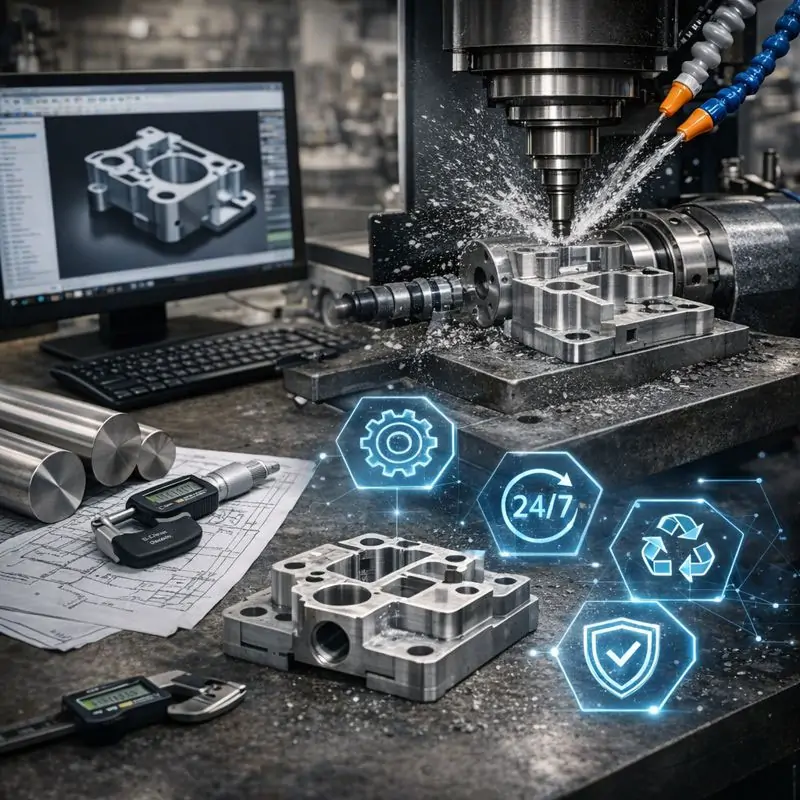
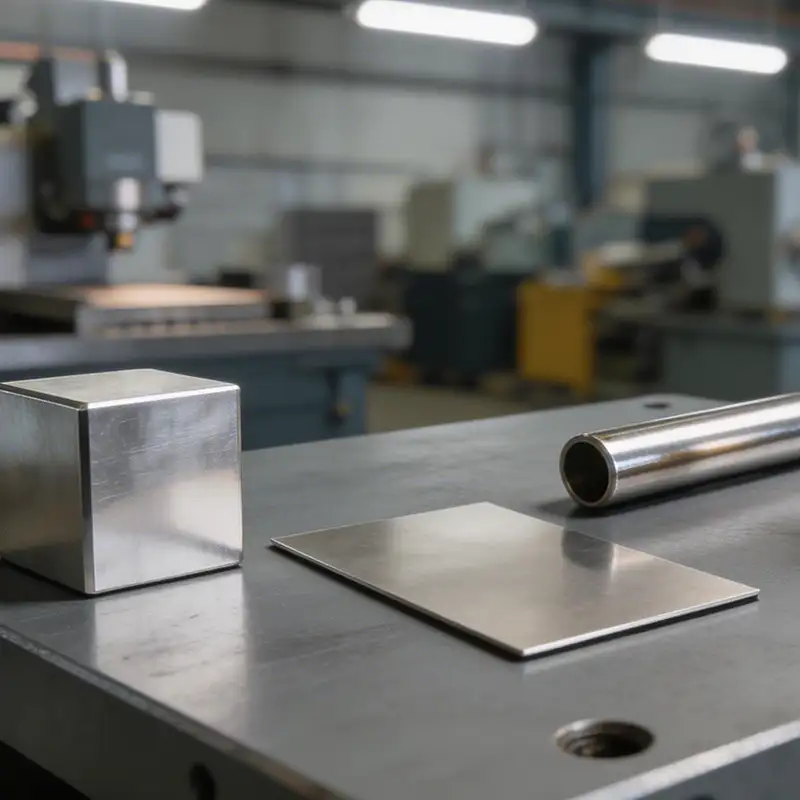
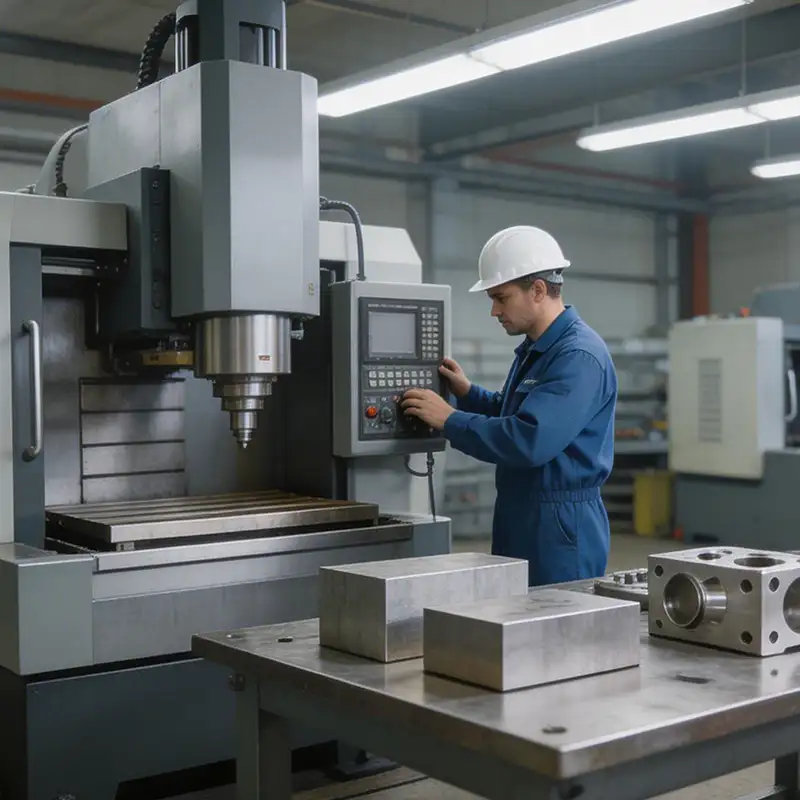
So, you’re wondering, can a CNC machine handle stainless steel? The short and sweet answer is a resounding yes! Computer Numerical Control (CNC) machining is one of the most reliable methods for fabricating parts from this durable alloy. Whether you’re prototyping a medical device or producing components for the aerospace sector, CNC milling stainless steel and CNC turning stainless steel are go-to processes. The real question isn’t *if* it can be done, but *how* to do it effectively. Think of stainless like a tough but talented athlete—it performs incredibly well under pressure, but it requires the right training and equipment. Its high strength and excellent corrosion resistance, which we all love, also mean it demands specific strategies during precision machining.

Popular Stainless Steel Grades for CNC

Not all stainless is created equal for machining. The grade you choose significantly impacts the process. Here’s a quick look at some common ones:

304 Stainless Steel: This is the most common “workhorse” grade. It’s great for general-purpose parts but can be gummy during cutting, requiring sharp tools.

316 Stainless Steel: Similar to 304 but with added molybdenum for even better corrosion resistance. It’s often used in marine and chemical applications and has similar machining characteristics.

303 Stainless Steel: This is the machinist’s friend! It’s specifically formulated with sulfur to improve machinability, making it perfect for high-volume production of screws, gears, and shafts.

17-4 PH Stainless Steel: A precipitation-hardening grade that can be heat treated to very high strengths. It machines well in the annealed condition and is ideal for high-stress applications.

Choosing the right grade is your first step toward a successful project. For more detailed properties, resources like the ASM International materials database can be incredibly helpful.

How Does the CNC Process Work with Stainless Steel?

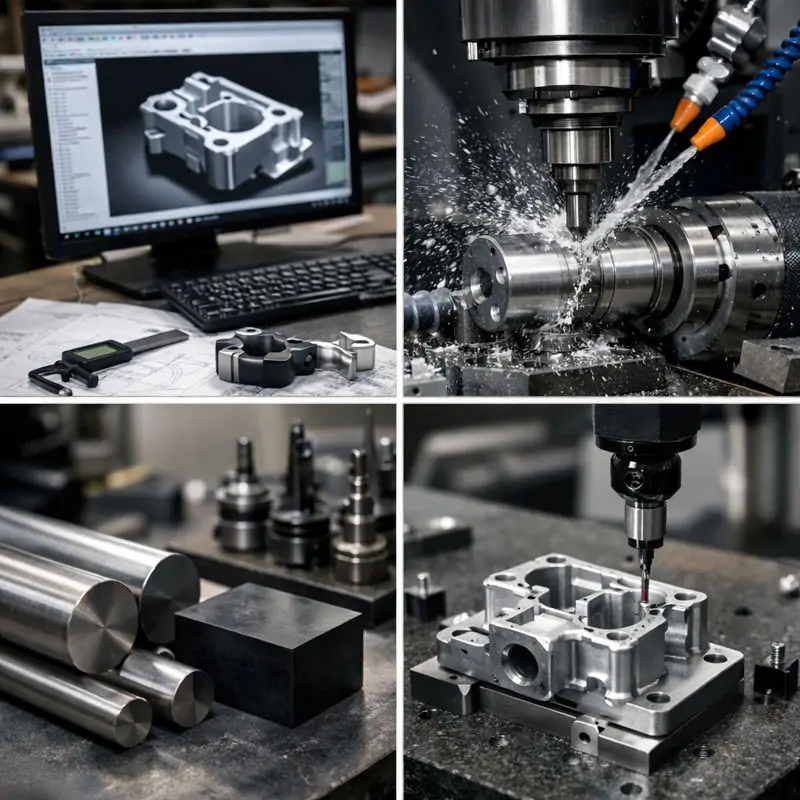
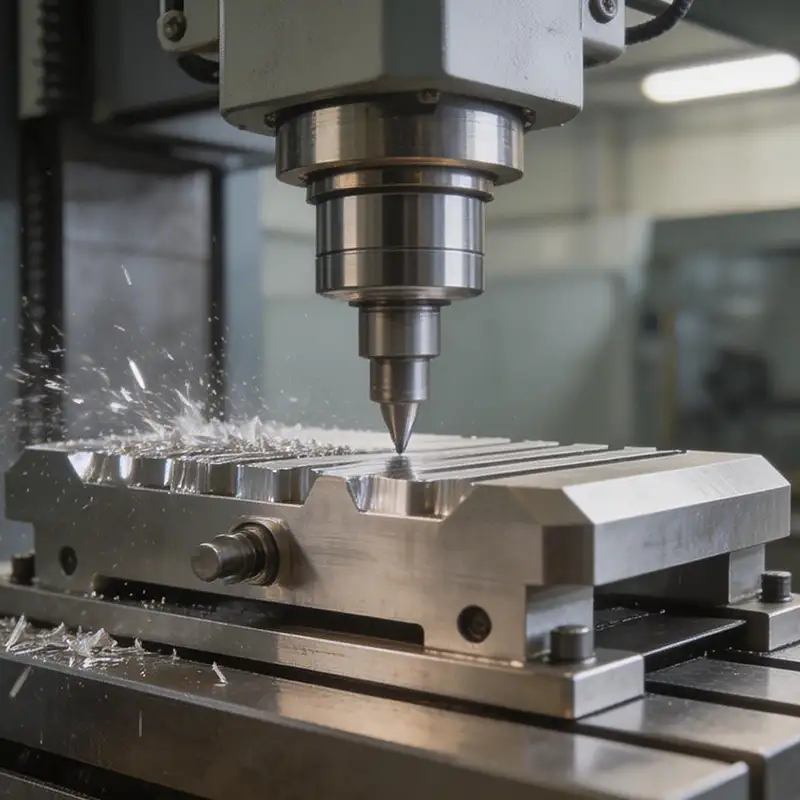
The core process is similar to machining other metals, but with extra attention to detail. It starts with a digital 3D model, which is translated into instructions (G-code) for the CNC machine. The machine then uses rotating cutting tools to precisely remove material from a solid block of stainless. What makes stainless steel fabrication unique is the need to manage heat and pressure. Unlike aluminum, stainless doesn’t dissipate heat quickly. This means we use lower cutting speeds, higher feed rates, and a constant, ample flow of coolant to carry heat away in the chips. This prevents the tool from overheating and the material from work-hardening, which can make subsequent cuts even tougher. It’s a delicate dance of parameters to ensure a smooth, efficient cut.

What Are the Biggest Challenges in CNC Machining Stainless?

Let’s be honest, machining stainless isn’t always a walk in the park. Its very strengths pose the main hurdles. First, there’s work hardening. If the tool rubs instead of cuts, it can harden the surface, making the next pass nearly impossible and quickly dulling the tool. Then, there’s tool wear. Stainless is abrasive, so tools wear out faster than when cutting mild steel or aluminum. This is why using the correct, high-quality tooling is non-negotiable. Finally, managing those long, stringy chips can be a hassle. They don’t break easily and can wrap around the tool or workpiece, potentially causing damage. A good machinist uses techniques and tool geometries designed to create manageable chips.

Best Tools and Techniques for Success

Overcoming these challenges is all about smart preparation. Here are some friendly tips from the shop floor:

Use the Right Tools: Carbide tools are your best bet. They handle the heat and abrasion much better than high-speed steel. Look for tools with sharp, polished geometries and coatings like TiAlN (Titanium Aluminum Nitride) that reduce friction and heat.

Master Your Feeds and Speeds: This is the golden rule. Run the tool too slow, and it will rub and work-harden the material. Run it too fast, and you’ll overheat and destroy the tool. We generally use lower spindle speeds and higher feed rates to maintain a consistent chip load and carry heat away.

Flood that Coolant: Never try to dry machine stainless steel. A high-pressure flood of coolant is essential for lubrication, cooling, and flushing away chips. It’s the difference between a beautiful finish and a scrapped part.

Keep it Rigid: Any vibration or chatter will ruin your surface finish and tool life. Ensure the workpiece is clamped securely and that the machine and tool holder are in good condition. A rigid setup is a happy setup.

How to Choose the Right CNC Shop for Your Project

If you’re not running the machine yourself, finding a shop with proven stainless steel machining experience is crucial. Don’t be shy about asking questions! A great shop will be happy to discuss their process. Ask them about their experience with your specific stainless grade, what kind of tooling they use, and how they manage heat and chip control. Look at examples of their previous work—the surface finish on a stainless part tells you a lot about their skill level. A partner who understands the nuances of CNC metal fabrication with stainless will save you time, money, and headaches, delivering a part that meets both your dimensional and aesthetic expectations.
Categories
CNC Materials

Discover the Best Materials for CNC Machining Success

Choosing the right material is a foundational step for any CNC machining project. The best choice balances machinability, strength, cost, and final application, turning a good design into a great finished part. Let’s explore the top contenders to help you make an informed decision.

Top Metals for CNC Machining

When people ask about the best materials for CNC milling, metals often come to mind first. They offer incredible strength and durability, making them perfect for functional parts, aerospace components, and automotive applications. The key is finding a metal that machines well without excessive tool wear.

Aluminum Alloys: The Go-To Choice

If I had to pick one material that’s a superstar in the shop, it’s aluminum. Alloys like 6061 and 7075 are incredibly popular for good reason. They’re lightweight, have an excellent strength-to-weight ratio, and, most importantly, they’re highly machinable. You can achieve fast cutting speeds and beautiful surface finishes. It’s often the most cost-effective metal option, which is why it’s perfect for prototypes, enclosures, and brackets. For more on its properties, the ASM Handbook series is a fantastic technical resource.

Stainless Steel: For Strength & Corrosion Resistance

Need something tougher? That’s where stainless steel comes in. Grades like 304 and 316 are the answer for parts that face harsh environments, require food-grade certification, or need to withstand high stress. While it’s harder on tools than aluminum, modern CNC machines handle it with the right parameters. When you’re looking for durable CNC materials that won’t rust, stainless is a top-tier choice.

Excellent Plastics for CNC Projects

Don’t overlook plastics! They are fantastic CNC machining materials for applications where weight, electrical insulation, or chemical resistance are priorities. The range available means you can find a plastic with properties tailored to almost any need, from low-friction bearings to see-through prototypes.

Delrin (Acetal): The Precision Plastic

Delrin, or acetal homopolymer, is a machinist’s favorite plastic. It’s stiff, has low moisture absorption, and machines to a dimensionally stable, smooth finish that almost feels like metal. It’s ideal for gears, bushings, and insulators. If you’re wondering about what plastics are good for CNC for high-precision parts, Delrin should be at the top of your list.

Nylon (PA): Tough and Versatile

Nylon is the workhorse of engineering plastics. It’s tough, has good wear resistance, and can be quite flexible depending on the grade. This makes it excellent for functional parts like spacers, rollers, and custom fasteners. A friend of mine who makes custom bicycle components swears by CNC-machined nylon for its durability and shock absorption. For a deep dive into polymer science, check out the Polymer Science Learning Center.

How to Choose Your CNC Material

So, with all these options, how do you decide? I always suggest starting with the part’s job. Ask yourself: What forces will it handle? Will it be indoors or outdoors? What’s the budget? For instance, selecting materials for CNC for a one-off prototype might lead you to aluminum or ABS plastic for speed and cost. A final production part going into a machine might demand stainless steel or PEEK. Don’t hesitate to consult with your machine shop—they see what works and what doesn’t every day and can offer priceless advice to ensure your project’s success.

Categories
CNC Machining Basics

How Long Does CNC Machining Take? A Quick Guide to Timelines

Wondering about CNC machining lead times? The answer isn’t one-size-fits-all. This guide breaks down the key factors—from part complexity to order quantity—that influence how long your project will take, helping you set realistic expectations from the start.

Factors Influencing CNC Machining Timelines

If you’ve ever asked, “What’s the typical duration for CNC machining?” you’ve likely gotten a frustratingly vague answer: “It depends.” I get it! As someone who talks to folks about their projects daily, I know you need a clearer picture. The truth is, several key elements work together to determine the total lead time for your parts. Let’s walk through the main ones so you can better estimate your project’s schedule.

Part Complexity and Design

Think of this as the blueprint for time. A simple bracket with a few holes is like a quick trip to the store. A complex aerospace component with intricate curves and tight tolerances is more like a cross-country road trip. The more complex the geometry, the longer the CNC milling or CNC turning programming and toolpath calculation takes. Deep pockets, thin walls, and undercuts also require slower, more careful machining and special tooling. A great design for manufacturability (DFM) review upfront can spot potential time-sinks. For instance, one client wanted a very complex internal lattice structure; by simplifying it slightly, we cut the machining duration in half without affecting function.

Material Selection

The raw material you choose is a huge player. Softer materials like plastics or aluminum are generally faster to machine than tough ones like stainless steel or titanium. Harder metals require slower cutting speeds, more frequent tool changes to prevent wear, and different strategies. This directly impacts the machining cycle time. Also, consider material availability. If your chosen alloy isn’t in stock, procurement can add days or even weeks to the timeline. Common materials like 6061 aluminum are usually ready to go, while specialized grades might need to be ordered.

Order Volume and Quantity

Are you making one prototype or ten thousand production parts? For a single piece, the setup time—fixturing the material, loading the program, and proving it out—can be a significant portion of the total job duration. However, for larger batches, that setup time is amortized across many units, making the per-part time much lower. This is why asking about CNC production time always needs the quantity context. High-volume runs are more efficient, but they also take more calendar days to complete the full run. It’s a balance between per-part speed and total project length.

The Typical CNC Machining Process Timeline

Now that we know what affects the clock, let’s map out a typical project journey. This isn’t just machine runtime; it’s the entire workflow from your idea to a part in your hand. Breaking it into stages helps you see where time is spent and manage expectations with your machine shop.

Stage 1: Design and Quoting

This is the planning phase. You submit your CAD files, and the shop reviews them for manufacturability. A good quote doesn’t just spit out a number; it involves engineering time to plan the best approach. How long does this take? For a straightforward part, you might get a quote in a few hours. For a complex assembly, it could take a couple of days. Clear communication here is key. Providing complete drawings and specifications prevents back-and-forth questions that delay the start. This stage sets the foundation for an accurate CNC machining estimate and timeline.

Stage 2: Production and Machining

This is the “machining” phase most people think of. It includes programming the CNC machines (creating the G-code), setting up the machine with the correct material and tools, and the actual cutting. The machining time per part varies wildly: a simple part might take 15 minutes, while a complex one could run for 10 hours. Quality control is integrated here, with in-process checks to ensure everything is on track. The shop’s capacity also matters—if they’re very busy, your job might be queued for a day or two before the spindle even starts. Reputable shops, like those following standards from ASME, build this queue time into their estimates.

Stage 3: Post-Processing and Shipping

Many parts aren’t finished straight off the machine. This stage includes deburring (removing sharp edges), surface treatments like anodizing or plating, heat treatment, or any custom finishing. Each of these steps adds time. Anodizing, for example, might add 1-3 business days. Finally, packaging and shipping come into play. Overnight shipping is fast but expensive, while ground freight is slower. When considering the lead time for CNC parts, don’t forget to factor in this final leg of the journey!

How to Get a Faster Turnaround

Need parts yesterday? We hear you. While you can’t change the laws of physics, you can definitely optimize your process for speed. Here are some friendly tips from the shop floor to help accelerate your project timeline without sacrificing quality.

First, invest time in your design files. Ensure your CAD models are clean, accurate, and include all necessary tolerances and notes. A perfect file eliminates guesswork and revision cycles. Second, be open to material alternatives. If the shop has a suitable material in stock, it can shave days off procurement. Third, discuss your true deadline upfront. Many shops offer expedited services for a premium. If they know it’s urgent, they can often queue it differently. Finally, consider rapid prototyping services for initial designs—they’re built for speed. For deeper insights into design optimization, resources from NIST’s Engineering Laboratory can be invaluable. Remember, a collaborative partnership with your machine shop is the best way to find the right balance between speed, cost, and quality.

Categories
Quality & Tolerances

Master High-Quality Parts: Your Guide to the CNC Machining Process

Ever wondered how those incredibly precise and durable metal or plastic parts are made? Understanding the CNC machining workflow is key to unlocking high-quality results. This guide walks you through the entire process, from digital design to the finished component, explaining how each step contributes to superior part quality.

From Blueprint to Bits: The Digital Foundation

Think of creating a top-notch part like baking a complex cake. You wouldn’t start without a detailed recipe, right? In the world of computer numerical control machining, everything begins with a perfect digital plan. This first phase is all about translating your idea into a language the machines understand, and getting this right is the single biggest factor in achieving high-precision components.

The Crucial CAD Model

It all starts with your 3D model. Using Computer-Aided Design (CAD) software, you or your designer creates a virtual blueprint of the part. This isn’t just a sketch; it’s a fully defined digital twin with exact dimensions, tolerances (how much a measurement can vary), and geometries. I always tell folks that a clear, error-free CAD file is like giving your machinist a perfect map—it prevents wrong turns and wasted material. Common formats include STEP and IGES, which are great for preserving all that intricate design data.

CAM Programming: The Machine’s Instructions

Next, that CAD model moves into Computer-Aided Manufacturing (CAM) software. Here’s where the magic happens: the software takes the 3D shape and generates the toolpaths—the precise routes the cutting tools will follow. The programmer selects the right tools, defines cutting speeds and feed rates, and plans the sequence of operations. This step, often called CNC milling and turning process planning, is crucial for efficiency and surface quality. A skilled programmer can save hours of machine time and ensure a smoother finish by optimizing every move. For a deeper dive into how G-code drives these machines, you can check out this resource from Engineering.com.

The Machining Dance: Turning, Milling, and More

With the digital instructions locked in, the physical creation begins. This is the stage most people picture: sparks flying, metal chips curling away. It’s a subtractive process, meaning we start with a solid block of material (called the workpiece or stock) and carefully remove material until the part emerges. The choice of machine—like a CNC mill or CNC lathe—depends on your part’s shape.

Material Matters: Choosing Your Stock

Your part is only as good as the material it’s made from. The process starts with selecting the right stock—aluminum for lightweight strength, stainless steel for corrosion resistance, or engineering plastics like PEEK. We secure this block firmly to the machine bed. A loose workpiece is a recipe for disaster, leading to poor accuracy or even a broken tool. Proper fixturing is a non-negotiable first step for manufacturing precision parts.

Precision in Action: The Cutting Process

Now the machine comes to life. It follows the CAM program’s G-code to the letter. A spindle spins a cutting tool at high speeds—thousands of RPMs—and moves it along multiple axes (3, 4, or 5) to carve the material. You might see roughing passes that quickly remove bulk material, followed by finishing passes that take lighter cuts to hit the exact dimensions and a fine surface. Coolant is often used to keep everything from overheating. Watching a multi-axis machining center create a complex shape in one setup is truly impressive; it eliminates errors that can come from moving and re-clamping the part.

Beyond the Cut: Finishing and Verification

The part coming off the machine isn’t always ready to ship. Often, it needs a little extra love to meet all your requirements. This post-processing phase is where we add functional and aesthetic touches, and then, most importantly, verify that everything is perfect. Skipping these steps is like building a beautiful cabinet but not sanding or checking if the doors fit.

Achieving the Perfect Surface Finish

Machining leaves tiny tool marks. For many applications, that’s fine (this is often called an “as-machined” finish). But if you need a smoother feel, better sealing, or a specific look, we apply secondary operations. This could mean bead blasting for a uniform matte texture, anodizing aluminum for color and hardness, or precision polishing to a mirror shine. These machining finishing techniques not only look great but can also improve wear resistance and performance.

The Final Check: Rigorous Quality Control

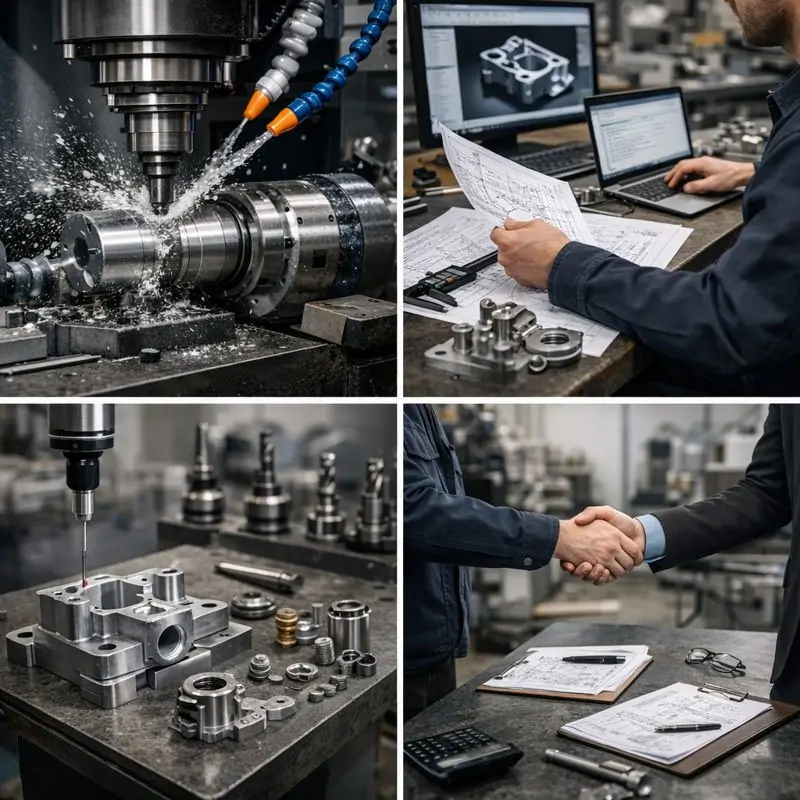
This is the gatekeeper of quality. Every single part should be inspected against your original design specifications. We use tools like digital calipers and micrometers for basic checks. For complex geometries, a Coordinate Measuring Machine (CMM) might be used to create a detailed 3D map of the part and compare it to the CAD model. This step of precision part fabrication ensures that the tenth part is identical to the first. Reputable shops often provide inspection reports, so you have documented proof of quality. Standards for these measurements are maintained by organizations like ASME.

Partnering for Success: Your Role in the Process

Getting high-quality CNC machined parts isn’t a passive act. The best results come from a partnership between you and your machining provider. Start with a clear, manufacturable design—considering factors like tool access and wall thickness. Communicate your tolerances honestly; specifying extremely tight tolerances everywhere can skyrocket cost without benefit. Ask questions and provide clear drawings with all critical dimensions called out. When you understand the steps in CNC part production, you can make smarter decisions that lead to better parts, faster turnaround, and a smoother experience for everyone involved. Remember, a little collaboration upfront goes a very long way.

Categories
CNC Machining Basics

Your Guide to Choosing the Right CNC Machining Service for Your Project

Finding the perfect CNC machining partner is crucial for turning your design into a high-quality, functional part. This guide walks you through the key considerations, from capabilities and materials to communication and quality control, helping you make an informed decision for your specific project needs.

Key Factors to Consider When Selecting a CNC Machining Partner

Selecting the right CNC service provider isn’t just about finding the lowest price; it’s about finding a reliable partner who understands your vision. Think of it like hiring a specialist for a custom piece of furniture—you want someone skilled, with the right tools, who listens to your ideas. The goal of identifying the best CNC machining vendor is to ensure your project runs smoothly from the first sketch to the final part in your hands.

Technical Capabilities and Equipment

First things first, let’s talk about their workshop. A great partner for your CNC milling and turning projects will have a range of modern machines. You might ask, “Do you have 5-axis machining for complex geometries?” or “What’s the tolerance you can consistently hold?” Don’t be shy to inquire about their equipment list; it tells you a lot about the complexity of parts they can handle. For instance, a shop with only 3-axis mills might struggle with a part requiring undercuts, while one with multi-axis capabilities could machine it in one setup. The Society of Manufacturing Engineers (SME) offers great resources on manufacturing technologies if you want to dive deeper into machine types.

Material and Finish Expertise

Your part is only as good as the material it’s made from. A top-tier precision machining service will be well-versed in machining everything from common aluminum alloys to tough stainless steels or engineering plastics like PEEK. They should guide you on material selection based on your part’s function, cost, and required properties. Furthermore, ask about their finishing options. Can they provide anodizing, powder coating, or bead blasting? A partner who offers these services in-house or through trusted local partners often ensures better quality control and faster turnaround than one who has to outsource every finish.

Communication and Collaboration

This might be the most important factor. Is the company responsive? Do they ask clarifying questions about your drawings? A good partner acts as an extension of your team. They should provide Design for Manufacturability (DFM) feedback—that’s when they suggest small tweaks to your design that make it easier, faster, and cheaper to produce without compromising its function. Clear, proactive communication from the initial quote through production is a hallmark of a service you can trust for the long term.

Once you know what to look for, the next step is a structured approach to vetting potential shops. This process helps you compare apples to apples and find the best fit for your custom part manufacturing needs, whether it’s a one-off prototype or a full production run.

Defining Your Project Requirements

Before you even reach out, get your ducks in a row. Prepare a clear package with your 3D CAD model (like a .STEP file), detailed 2D drawings with tolerances, material specs, and quantity. The more precise you are, the more accurate and comparable the quotes will be. Mention if you need rapid prototyping services or if this is for low-volume production. This upfront clarity saves everyone time and prevents misunderstandings later.

Evaluating Quotes and Lead Times

When quotes come in, look beyond the bottom line. A very low quote can sometimes mean corners will be cut. Break down what’s included: Is it just machining, or does it include finishing, inspection, and shipping? Compare lead times realistically. A shop promising an impossibly fast turnaround might be overbooked. Remember, the process of how to choose a CNC machine shop involves balancing cost, speed, and quality—you usually can’t have all three at their absolute maximum.

Checking References and Quality Systems

Don’t hesitate to ask for examples of past work similar to your project or for client references. A reputable shop will be proud to share their portfolio. Also, inquire about their quality assurance process. Do they perform first-article inspection? Do they use tools like CMMs (Coordinate Measuring Machines)? Certifications, while not everything, can be a good indicator. Many shops serving regulated industries like aerospace or medical adhere to standards like AS9100 or ISO 9001. You can learn more about these quality management standards on the International Organization for Standardization (ISO) website.

Common Pitfalls to Avoid When Choosing a Machining Service

Let’s talk about a few speed bumps you can easily avoid. A classic mistake is choosing based solely on price. I’ve seen projects where the “cheapest” option led to delayed parts that didn’t meet spec, ultimately costing more in rework and lost time. Another pitfall is not reviewing the DFM feedback. The shop’s engineers see hundreds of designs; their suggestions to slightly increase a radius or add a relief can drastically improve machinability. Finally, overlooking communication style is a risk. If they’re hard to reach during the quoting phase, it likely won’t get better after you pay.

Making Your Final Choice and Building a Partnership

After your research, you’ll likely have one or two front-runners for your CNC fabrication needs. Trust your gut feeling from your interactions. Did they seem knowledgeable and eager to help? Starting with a smaller, less critical order can be a great way to test the waters before committing to a larger project. The right machining service provider becomes a valuable asset, helping you innovate and bring products to market efficiently. By taking the time to choose wisely now, you’re investing in smoother projects and a stronger supply chain for the future.

Categories
Industries & Applications

Discover the Top Industries Using CNC Precision Machining Today

CNC precision machining is a cornerstone of modern manufacturing, enabling the creation of complex, high-tolerance parts. This article explores the key sectors that rely on this technology, from aerospace to medical devices, and explains why it’s so vital to their success and innovation.

Key Sectors Leveraging CNC Precision Machining

When we talk about the top industries using CNC precision machining, we’re really looking at fields where there’s no room for error. Think of it like a master watchmaker crafting tiny gears—every cut must be perfect. This technology, also known as CNC milling or turning, is the backbone for creating the reliable, complex parts that power our modern world. From the plane you fly in to the device monitoring your health, computer numerical control machining makes it all possible with stunning accuracy.

Aerospace and Defense: Where Microns Matter

If you’ve ever wondered how aircraft stay safe and efficient, a huge part of the answer lies in precision CNC machining. This sector is arguably the most demanding user of high-precision manufacturing. Every component, from turbine blades and landing gear parts to intricate brackets within the fuselage, must withstand extreme forces and temperatures while being as light as possible. The search for industries that utilize CNC machining often starts right here, at 30,000 feet.

Advanced Materials and Incredible Tolerances

What’s fascinating is the materials involved. Aerospace engineers often work with tough alloys like titanium and Inconel, which are notoriously difficult to machine. A CNC machine, guided by perfect digital blueprints, handles these materials with ease, achieving tolerances that are thinner than a human hair. This level of precision manufacturing is non-negotiable for flight safety and performance. Regulatory bodies like the Federal Aviation Administration (FAA) set incredibly strict standards, and CNC processes are key to meeting them consistently.

Medical and Dental: Engineering for Life

Next on our list is an industry that touches all of our lives: medical device manufacturing. The need for CNC precision parts here is driven by one thing: patient outcomes. Whether it’s a titanium knee implant, a complex surgical tool, or the housing for a sensitive MRI machine, these components must be flawless. They need to be sterile, reliable, and often customized to a patient’s unique anatomy. This is where precision engineering truly becomes a life-saving discipline.

The Critical Role of Biocompatible Materials

Similar to aerospace, the medical field uses specialized materials. However, here the focus is on biocompatibility—materials that can safely exist inside the human body, like surgical-grade stainless steel, cobalt-chrome, and certain plastics. CNC machining is ideal for these materials because it produces smooth, non-porous surfaces that resist bacterial growth and are easy to sterilize. For anyone researching top applications of CNC technology, the innovation in custom orthopedic implants and minimally invasive surgical devices is a perfect example of its impact.

Automotive and Transportation: Driving Innovation

From high-performance race cars to the electric vehicle (EV) being charged next door, the automotive sector is a massive consumer of machined components. While many high-volume parts use casting or stamping, CNC machining services are essential for prototyping, custom aftermarket parts, and creating complex components for engines, transmissions, and braking systems. As the industry shifts toward EVs, the demand for precise battery housings, heat sinks, and power electronics components is soaring.

Electronics and Optics: The Details in the Data

This one might surprise you, but look at your smartphone or laptop. The tiny, complex heat sinks that keep your processor cool, the connectors, and even some casings are often produced with CNC precision. In optics, the lenses for cameras, microscopes, and laser equipment require surfaces polished to nanometer-level perfection. The quest for smaller, faster, and more powerful devices directly drives the need for advanced machining in manufacturing processes that can work on a miniature scale with impeccable accuracy.

Energy and Industrial Machinery: Powering the World

Whether it’s traditional oil and gas, renewable wind and solar, or the massive turbines in hydroelectric dams, the energy sector depends on durable, precision-made parts. Valves, pistons, turbine components, and fittings for pipelines all require the strength and exact specifications that CNC provides. In heavy industry, the machines that build other machines rely on robust, custom-machined parts to maintain productivity and safety. This answers the search for major industries using CNC in the foundational sectors that keep our lights on and factories running.

Making the Right Choice for Your Project

So, how do you know if CNC precision machining is right for your needs? I always suggest starting with three questions: What level of accuracy does my part require? What material is best for its function? And what is the expected volume? For prototypes, complex geometries, or low-to-medium volume runs of high-tolerance parts, CNC is often the most efficient and reliable choice. It gives you the flexibility to iterate designs quickly and the confidence that every piece will match the last. For more on material standards, you can check resources from ASTM International.

In the end, exploring the leading sectors for precision machining shows us that this isn’t just about cutting metal—it’s about enabling progress across the board. It’s the trusted process behind the technologies that make our lives safer, healthier, and more connected.

Categories
CNC Machining Basics

Discover 5 Key Benefits of Precision CNC Machining for Your Projects

Precision CNC machining offers a game-changing approach to manufacturing. By understanding its core advantages, you can unlock new levels of quality, efficiency, and cost-effectiveness for your projects, from prototypes to full-scale production.

Unmatched Accuracy and Repeatability

When we talk about the advantages of CNC machining, the first thing that comes to mind is its incredible precision. Think of it like a master craftsperson who never gets tired and makes the exact same perfect cut, thousands of times in a row. This isn’t just about making parts look good; it’s about ensuring they function perfectly every single time. For industries like aerospace, medical devices, or automotive, where a tiny deviation can have big consequences, this level of control is non-negotiable.

Hitting Those Tight Tolerances

Modern CNC milling and turning centers can achieve tolerances measured in microns. This means you can design complex components with intricate features and trust that the finished part will match your digital model exactly. This repeatability is a huge benefit—whether you’re making ten parts or ten thousand, the first and the last will be virtually identical. It removes the variability often found in manual machining and gives you peace of mind.

Superior Part Quality and Consistency

Closely tied to accuracy is the overall quality you get. Precision manufacturing produces parts with excellent surface finishes and structural integrity right off the machine. You might find you need little to no secondary finishing work, which speeds up your project timeline. This consistency is a dream for assembly lines, as every component fits together seamlessly without extra filing or adjustment. It’s one of the key reasons businesses choose CNC machining services for critical components.

Remarkable Material and Design Versatility

One of my favorite aspects is how flexible this process is. Wondering about the benefits of CNC machining for prototypes? It’s perfect because you can quickly test designs in the actual material you plan to use for production. The process works with a stunning array of materials—from metals like aluminum, stainless steel, and titanium to various plastics and composites. This machining process versatility allows you to select the ideal material for strength, weight, corrosion resistance, or cost without being limited by the manufacturing method.

Enhanced Efficiency and Faster Turnaround

Once the computer-aided design (CAD) model is programmed into the machine, the production process is highly efficient. Complex parts that might take a skilled machinist days to make manually can be completed in hours. This speed is a major advantage of automated machining. Furthermore, because the machines can run unattended for long periods, you get faster project completion times. This efficiency is crucial for meeting tight deadlines and getting your product to market sooner.

Long-Term Cost Savings

While the initial setup for precision CNC cutting might seem like an investment, it leads to significant savings down the road. The reduction in manual labor, minimized errors and reworks, and faster production cycles all contribute to a lower cost per part, especially for medium to high-volume runs. It transforms your cost structure from a variable expense to a more predictable one.

Reduced Material Waste

The precision of the tool paths means material is removed only where absolutely necessary. This subtractive manufacturing approach, guided by advanced software, is far more material-efficient than traditional methods. You use less raw material, and you also spend less on waste disposal. For more on sustainable manufacturing practices, you can read about material efficiency from sources like the U.S. Department of Energy. This careful use of resources is both economically and environmentally smart.

In wrapping up, integrating high-accuracy CNC fabrication into your workflow isn’t just about keeping up with technology; it’s about actively improving your outcomes. The five key benefits we’ve explored—extreme accuracy, consistent quality, design freedom, operational efficiency, and cost-effectiveness—work together to give your projects a serious competitive edge. Whether you’re refining a prototype or scaling up production, these advantages make a compelling case for choosing this advanced manufacturing path.

Categories
CNC Machining Basics

Unlock 5 Ways CNC Machining Skyrockets Manufacturing Efficiency

Ever wondered how modern factories achieve such incredible speed and precision? The secret often lies in CNC machining. This guide explores five key ways this technology transforms production, making it faster, more reliable, and incredibly efficient. Let’s dive into how it streamlines the entire manufacturing process.

Unmatched Precision and Repeatability

When we talk about boosting manufacturing efficiency, consistency is king. Imagine you need a thousand identical components. With manual methods, tiny variations are almost inevitable. But with Computer Numerical Control (CNC) machining, every single part comes out exactly the same. This is the core of how CNC machining improves manufacturing efficiency—by eliminating human error in the cutting process. The machine follows digital instructions to the letter, ensuring each cut, drill, and contour is perfect. This level of precision in CNC manufacturing means less time spent on inspection and rework, and more time shipping perfect products.

From Blueprint to Perfect Part

It all starts with a CAD (Computer-Aided Design) model. This digital blueprint is converted into code (G-code) that the CNC machine understands. Once set up, the machine can produce part after part with microscopic accuracy. This repeatability is a game-changer, especially for complex parts used in aerospace or medical devices. You can learn more about the standards for this precision from resources like the American Society of Mechanical Engineers (ASME). It’s like having a master craftsman who never gets tired and never makes a mistake.

Dramatically Faster Production Cycles

Speed is another massive advantage. Traditional machining requires constant operator intervention—changing tools, adjusting settings, measuring parts. CNC automation streamlines this entire workflow. Once the program is loaded, the machine handles complex operations in one setup. Tools change automatically, and cutting paths are optimized for speed. This drastically reduces cycle times, allowing you to produce more parts in less time. For businesses looking to scale up, this increase in production speed is a direct boost to the bottom line.

Lights-Out Manufacturing: Running 24/7

Here’s where it gets really exciting for operational efficiency. Many modern CNC workshops can run “lights-out” manufacturing. This means the machines can operate unattended for hours, even overnight. After the initial setup by a skilled technician, the system takes over, maximizing equipment uptime. This capability to run continuously is a powerful answer to the question of how to improve machining productivity. It turns capital equipment into a nearly constant source of output, dramatically improving overall equipment effectiveness (OEE).

Significant Reduction in Material Waste

Efficiency isn’t just about speed; it’s also about using resources wisely. CNC milling and turning are subtractive processes, meaning they cut away material from a solid block. While some waste is inherent, CNC technology minimizes it. The software can nest parts strategically on a raw material sheet to get the most out of it. Furthermore, the precision of CNC cutting means you often start with less excess material (“stock”) to begin with. Less waste translates directly to lower material costs and a more sustainable, cost-effective manufacturing process.

Enhanced Flexibility and Rapid Prototyping

Gone are the days of needing entirely new machines for new products. One of the greatest benefits of CNC technology is its flexibility. Switching from producing one part to another often just requires loading a new digital file and changing the raw material. This makes CNC machining ideal for both low-volume production and rapid prototyping. You can design a part, create the program, and have a physical prototype in your hands incredibly fast. This agility allows for quicker design iterations, faster time-to-market, and the ability to respond to customer needs without costly retooling delays.

Improved Safety and Consistent Quality

Finally, let’s not forget the human element. CNC machining enhances workplace safety. Operators manage the process from a computer console, away from the moving cutters, sharp chips, and coolants. This reduces the risk of accidents significantly. Simultaneously, this separation ensures that the quality of the output is not dependent on the operator’s skill or fatigue level on a given day. The machine delivers the same high standard every time. This combination of a safer workplace and guaranteed quality is a crucial, though sometimes overlooked, pillar of long-term manufacturing efficiency and business success.

Categories
CNC Materials

Discover What Materials Can Be Machined with CNC: A Complete Guide

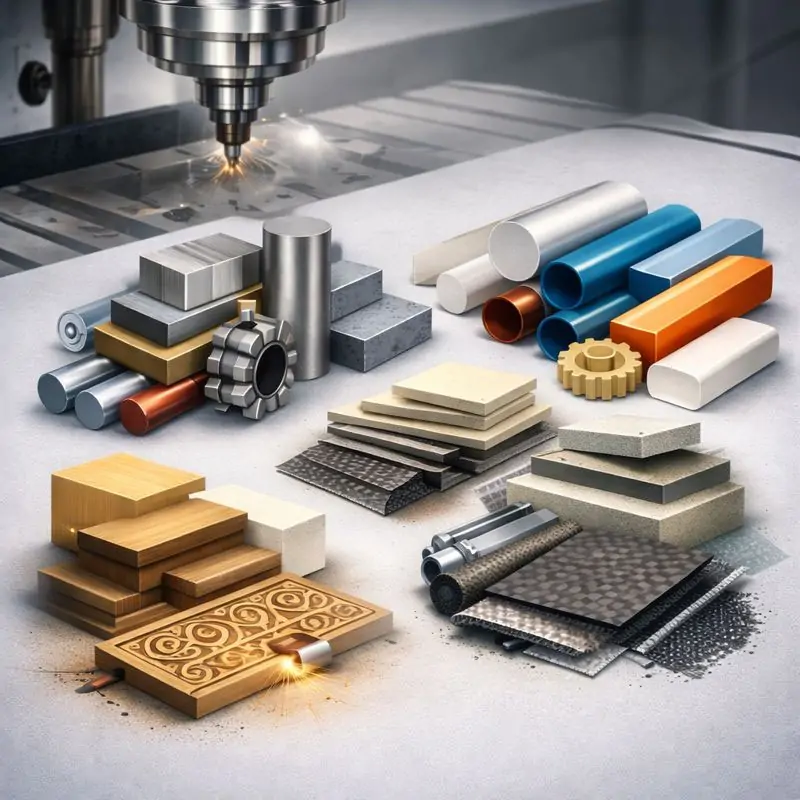
Ever wondered what you can actually make with a CNC machine? The answer is, a lot! From the plastic parts in your phone to the metal components in a car engine, CNC machining works with a huge variety of materials. This guide will walk you through the most common and some surprising options, helping you pick the perfect material for your next project.

Common and Specialized Materials for CNC Machining

When people ask, “What can a CNC machine cut?”, they’re often amazed by the range. Whether you’re a hobbyist or a professional engineer, understanding your material options is the first step to a successful project. Let’s break down the main categories you’ll encounter.

Metals and Alloys: The Heavy Hitters

This is where CNC milling and turning really shine. Metals are prized for their strength, durability, and heat resistance. Here are some of the most popular ones:

Aluminum: This is arguably the superstar of CNC machining materials. It’s lightweight, strong, easy to machine, and has great corrosion resistance. You’ll find it everywhere from aerospace parts to consumer electronics. A common question like can you CNC aluminum?” has a resounding yes for an answer—it’s a machinist’s favorite.

Stainless Steel: Need something tough and rust-proof? Stainless steel is your go-to. It’s harder to machine than aluminum (requiring more robust tools), but the result is a part that can withstand harsh environments. It’s essential for medical devices, food processing equipment, and marine applications.

Brass and Copper: These materials offer excellent electrical conductivity and a beautiful finish. They are relatively soft and very easy to machine with CNC, making them perfect for electrical components, decorative hardware, and musical instruments.

Titanium: This high-performance material is incredibly strong yet lightweight, and it’s biocompatible. However, it’s challenging to work with, generating a lot of heat and requiring specialized tooling. It’s primarily used in aerospace and medical implants. For more detailed properties, resources like the ASM Handbook series are invaluable.

Plastics and Polymers: The Versatile Choice

Don’t underestimate plastics! They are incredibly versatile for CNC fabrication, offering benefits like electrical insulation, transparency, and low cost. The key is choosing the right type.

ABS: Think LEGO bricks. ABS is tough, impact-resistant, and can be easily finished (like sanding or painting). It’s a great all-rounder for prototypes and functional parts.

Polycarbonate (PC): This is your “bulletproof” plastic. It’s highly impact-resistant and transparent, used for things like safety glasses, machine guards, and light fixtures.

POM (Delrin/Acetal): Known for its low friction and high stiffness, POM is often called “the engineering plastic.” It machines to a very smooth finish and is perfect for gears, bearings, and precision insulators.

PEEK: This is a high-performance plastic that can withstand very high temperatures and aggressive chemicals. It’s often used as a metal replacement in demanding aerospace and automotive applications. When considering materials suitable for CNC in extreme conditions, PEEK is a top contender.

Other Materials: Wood, Foam, and Composites

CNC isn’t just for metal and plastic! The range of CNC compatible materials extends much further.

Wood: From intricate sign carving to custom furniture components, CNC routers excel with wood. Different woods, like maple, oak, or MDF, offer unique aesthetics and machining characteristics.

Machining Foams: Foams like polyurethane are fantastic for creating molds for composites or for lightweight packaging inserts. They machine quickly and cleanly.

Composites: Materials like carbon fiber reinforced polymer (CFRP) or fiberglass are layered and can be precisely trimmed and shaped with CNC. This is crucial in modern automotive and sporting goods manufacturing.

How to Choose the Right CNC Material

With so many options, picking a material can feel overwhelming. I like to think of it as matching the material’s personality to the job it needs to do. Let’s talk about how to make that choice easier.

Key Factors to Consider

Ask yourself these questions before you start:

What is the part’s function? Does it need to bear weight (strength)? Will it get hot (thermal resistance)? Does it need to conduct electricity or insulate? Your answers will immediately narrow the field. For instance, a simple bracket might use aluminum, while an electrical connector would need brass.

What environment will it live in? Will it be outdoors, in a chemical lab, or inside a consumer device? This determines needs for corrosion resistance or UV stability.

What’s your budget? Material costs vary wildly. Aluminum is cost-effective for many projects, while titanium or PEEK will significantly increase the price. We always recommend getting a few quotes for different workable materials on CNC to compare.

How will it be machined? Some materials, like certain stainless steels, are tough on tools, which can affect machining time and cost. Softer materials like plastics or aluminum are generally faster and cheaper to machine.

Practical Tips for Your Decision

Here’s some friendly advice from experience:

First, start with a prototype. If you’re unsure, machine a test part in a cheaper, easier material like ABS or aluminum. This lets you test the fit and function before committing to an expensive material.

Second, talk to your machinist. They have seen it all! A good machinist can look at your design and suggest the most suitable and cost-effective CNC machinable substances for your specific geometry and tolerances.

Finally, consider finishing. Do you need an anodized color? A polished shine? A textured grip? The material you choose must be compatible with your desired final look. The Machine Design materials section often has great articles on finishing techniques.

Myths and Facts About CNC Machinable Materials

There are a few common misconceptions floating around about what you can and can’t do with CNC. Let’s clear those up right now.

Myth: “CNC can only machine hard metals.” Fact: As we’ve seen, CNC handles an incredible range, from soft wax (for mold-making) to hard ceramics (with specialized equipment). The process is about controlled removal, not just brute force.

Myth: “Plastics are too weak for serious parts.” Fact: Engineering-grade plastics like PEEK or Ultem can outperform metals in specific scenarios, offering incredible strength-to-weight ratios, corrosion resistance, and electrical properties that metals can’t match.

Myth: “You can throw any material on a CNC and it will work.” Fact: Success depends heavily on using the correct cutting tools, speeds, and feeds for each specific material. Machining soft, gummy plastic requires a very different setup than machining brittle carbon fiber.

Getting Started with Your CNC Project

Feeling inspired? The world of CNC material options is vast and exciting. The best way to learn is by doing. Start with a clear idea of what you want your part to do, consider the factors we discussed, and don’t be afraid to consult with experts.

Remember, the perfect material is the one that balances performance, aesthetics, and cost for

Categories
Design, Cost & Sourcing

Discover the Real Cost: How Much Does CNC Machining Cost?

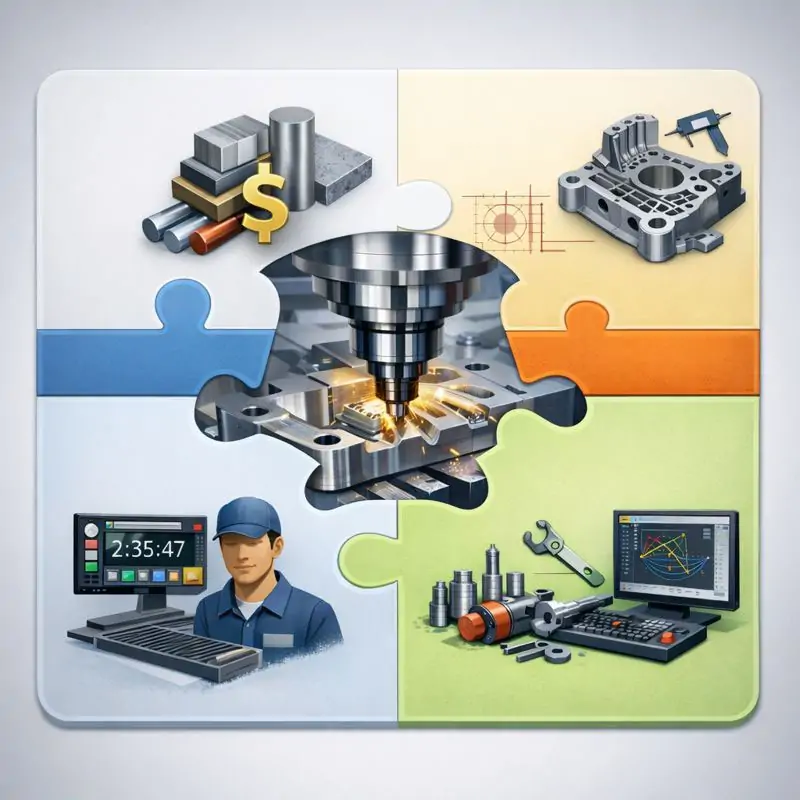
Wondering about the price of CNC machining? You’re not alone. The cost isn’t a single number but a puzzle made from material choice, part complexity, machine time, and more. Let’s break down these factors in a friendly, straightforward way so you can understand what goes into that quote.

Factors Influencing CNC Machining Pricing

When you ask, “What’s the price for CNC machining?” it’s like asking, “How much does a car cost?” The answer depends on a lot! Let’s walk through the main things that shape the final price tag for your computer numerical control project. I find it helpful to think of it as a recipe—each ingredient adds to the total.

Material Costs

This is often the most straightforward part. The raw stock you choose—be it aluminum, stainless steel, titanium, or engineering plastics—has a base price per block or sheet. For instance, aerospace-grade aluminum will cost more than standard 6061. The cost of CNC machining starts right here. Don’t forget waste! The machining process removes material, so you’re paying for the entire block you order, not just the final part. You can check current material prices on sites like McMaster-Carr to get a ballpark figure.

Part Complexity and Design

Here’s where things get interesting. A simple bracket is a quick job. But a part with deep pockets, tight tolerances, thin walls, or complex 3D contours? That requires more time, specialized tools, and careful programming. This directly affects the CNC milling cost or CNC turning price. Every additional setup, tool change, and precision check adds up. A friend of mine once designed a part with an incredibly sharp internal corner—it required a custom, fragile tool that broke twice, significantly hiking the CNC service quote.

Machine Time and Labor

This is the “runtime” cost. Shops typically charge an hourly machine rate, which covers the CNC equipment depreciation, electricity, and the operator’s expertise. A 5-axis mill has a much higher rate than a basic 3-axis machine, but it might complete your complex job in one setup, saving you money overall. The labor for programming (creating the toolpaths) and setup is also factored in, usually as part of the initial quote. So, the total expense of precision machining blends machine hours with skilled human input.

Understanding CNC Machining Quotes

Getting a quote can feel confusing if you’re not sure what you’re looking at. Let’s decode a typical CNC machining estimate so you know exactly what you’re paying for. Think of it as an itemized receipt for a custom-made product.

Breakdown of a Typical Quote

A good quote should be transparent. You’ll likely see line items for: material cost, programming/setup (a one-time fee), machine runtime, and any secondary operations like anodizing or sandblasting. Some shops bundle programming into the hourly rate. The key is there are no hidden fees. If you’re comparing computer numerical control pricing from different vendors, make sure you’re comparing the same scope of work. A lower quote might exclude surface finishing or quality inspection.

Volume and Its Impact on Price

This is a huge lever for cost. For one prototype, you pay the full setup cost. But for 100 or 1000 parts, that setup cost is spread thin, dramatically reducing the price per part. This economy of scale is why the price per piece for machined parts drops with quantity. It’s always worth discussing your potential volume with the shop, even if you’re starting small—it helps them give you the best advice on processes.

Practical Tips for Managing Costs

You have more control over the CNC machining fees than you might think! A few smart decisions during the design and planning phase can lead to significant savings without compromising on quality. Let me share some insider tips.

Design for Manufacturability (DFM)

This is the golden rule. Designing a part that’s easier to make is cheaper to make. Use standard drill sizes, avoid extremely deep holes, add fillets to sharp internal corners, and keep tolerances as loose as your function allows. Many great shops offer a free DFM review. Upload your CAD file, and they’ll suggest tweaks to optimize the cost of manufacturing. Resources like the Hubs CNC Machining Guide are fantastic for learning these principles.

Choosing the Right Partner

Not all machine shops are the same. A job shop with 3-axis mills is perfect for simpler parts. A high-tech shop with multi-axis machines might be better for complex geometries. Get quotes from a few, but also gauge their communication. A shop that asks good questions about your design intent will likely give you a more accurate machining service cost and a better final product. It’s a partnership!

Common Misconceptions About CNC Pricing

Let’s clear the air on a few things I often hear. First, the cheapest quote isn’t always the best value—it might mean corner-cutting on quality or materials. Second, while CNC is fantastic for precision, it’s not always the cheapest option for very high volumes (like 50,000+ pieces); injection molding might be better. Finally, don’t assume all precision machining costs are astronomical. For small batches and prototypes, it’s incredibly cost-effective versus other methods.

Wrapping It Up: A Realistic View on Cost

So, how much does CNC machining cost? As we’ve seen, it’s a variable built from materials, design, time, and quantity. There’s no one-size-fits-all answer, but now you know the right questions to ask. The best approach is to have a clear design, communicate openly with your manufacturing partner, and view the quote as an investment in a precisely made part that meets your exact needs. Start by getting a few quotes for your project—you might be pleasantly surprised!

Request A Quote

We'll Send You Back with Price Immediately!

DEC 1-31

XMAS SPECEIL

Up to

40% off

Discover the Real Cost: How Much Does CNC Machining Cost?

We'll Send You Back with Price Immediately!