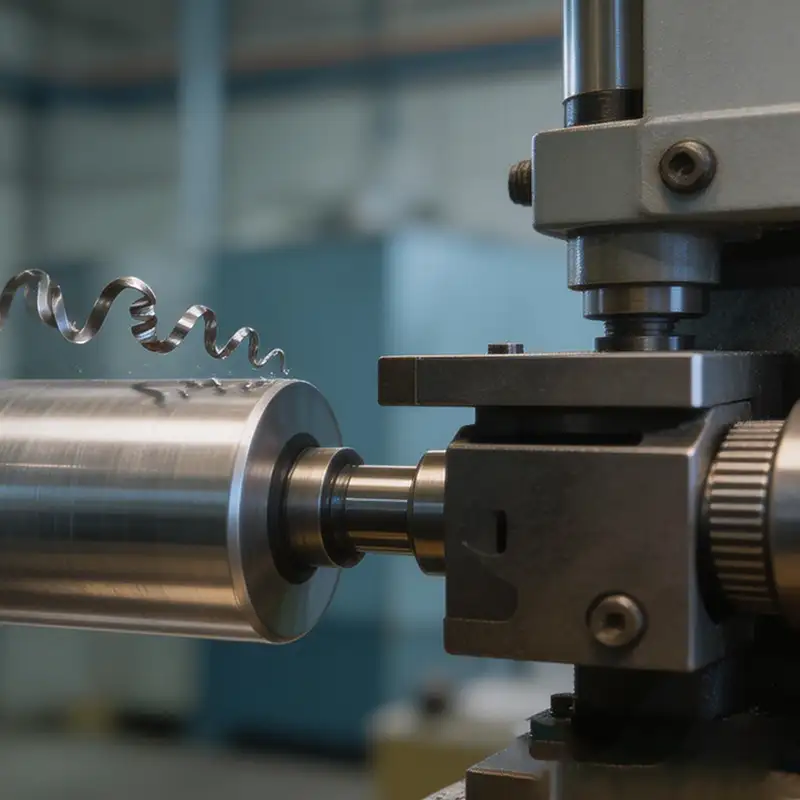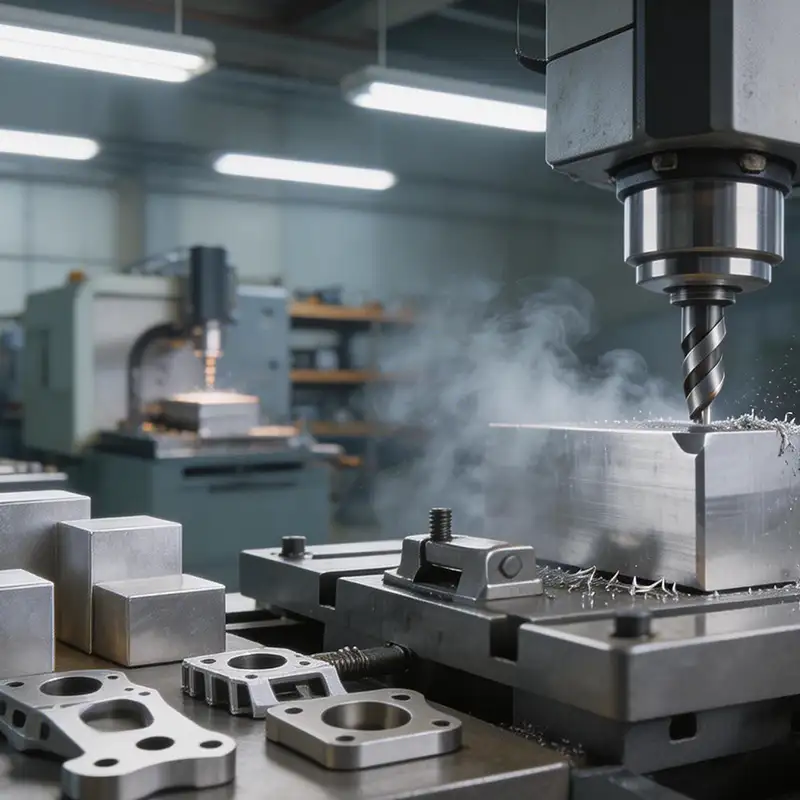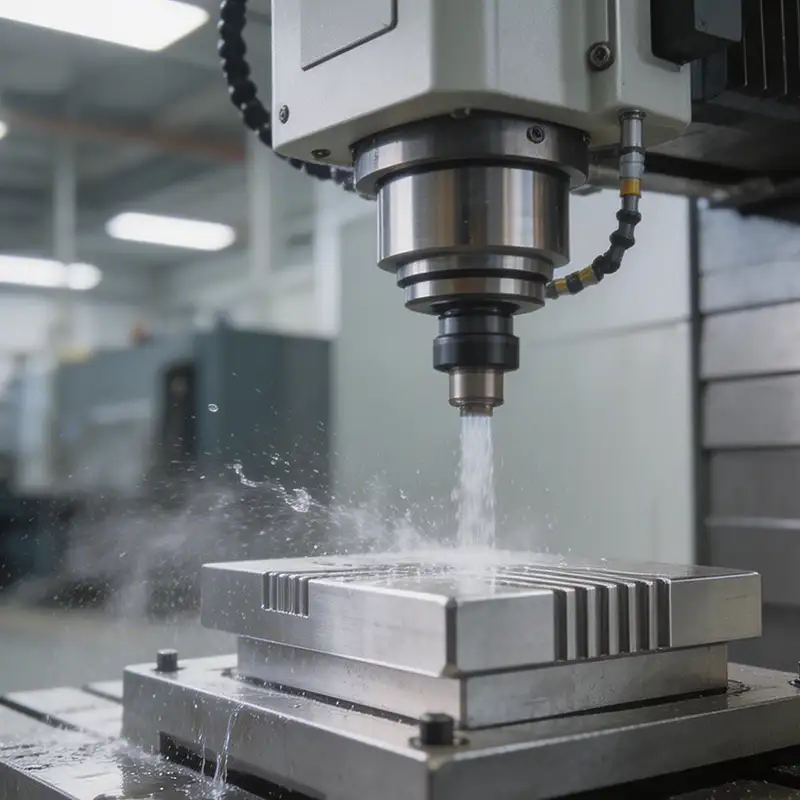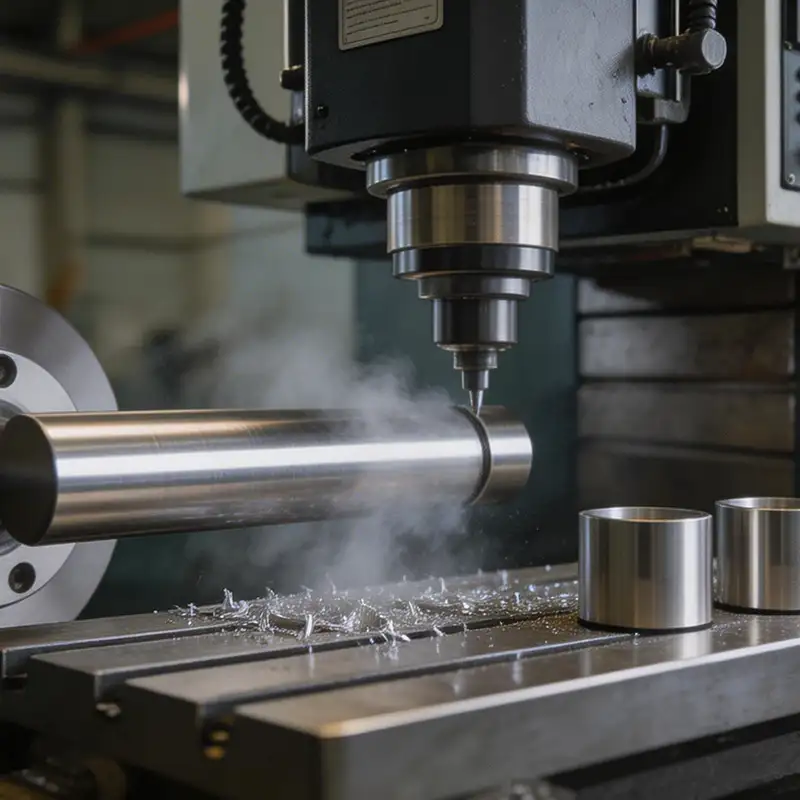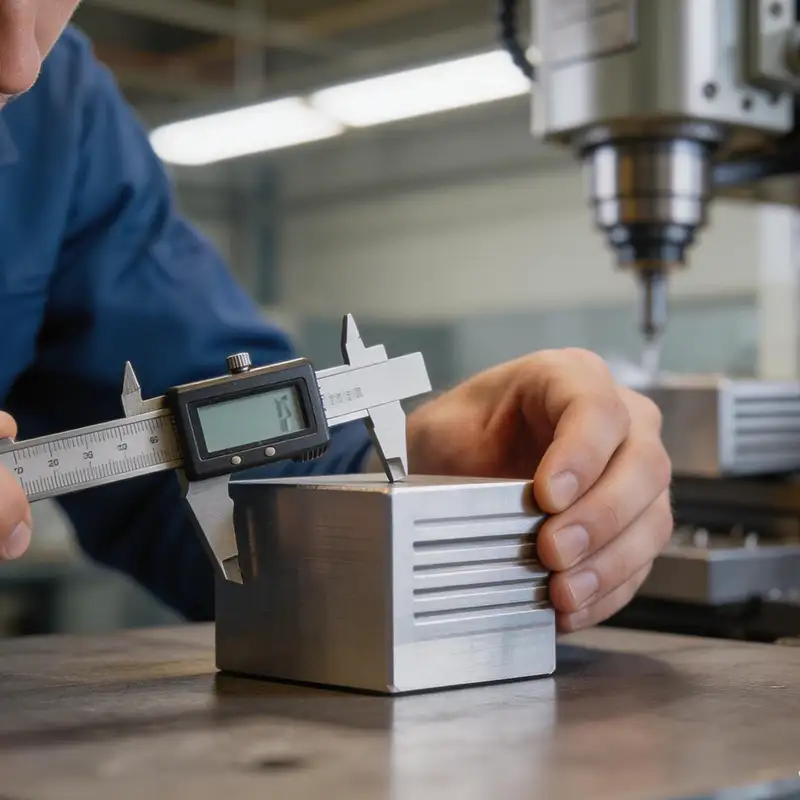
When you ask “how accurate is CNC machining,” you’re really asking about the incredible precision this technology can achieve. We’ll explore the factors that define CNC precision and tolerance, from machine capability to material choice, giving you a clear picture of what to expect for your projects.
Understanding CNC Machining Precision and Tolerances
Let’s start by clearing up a common question: just what do we mean by CNC machining accuracy? In simple terms, it’s how closely the finished part matches the original digital design. Think of it like a baker following a recipe—precision is how consistently they can measure a cup of flour. The tolerance is the tiny amount of variation that’s still acceptable, like being a few grains of flour over or under. This level of computer numerical control precision is what makes modern manufacturing so reliable.
Key Factors That Affect Machining Accuracy
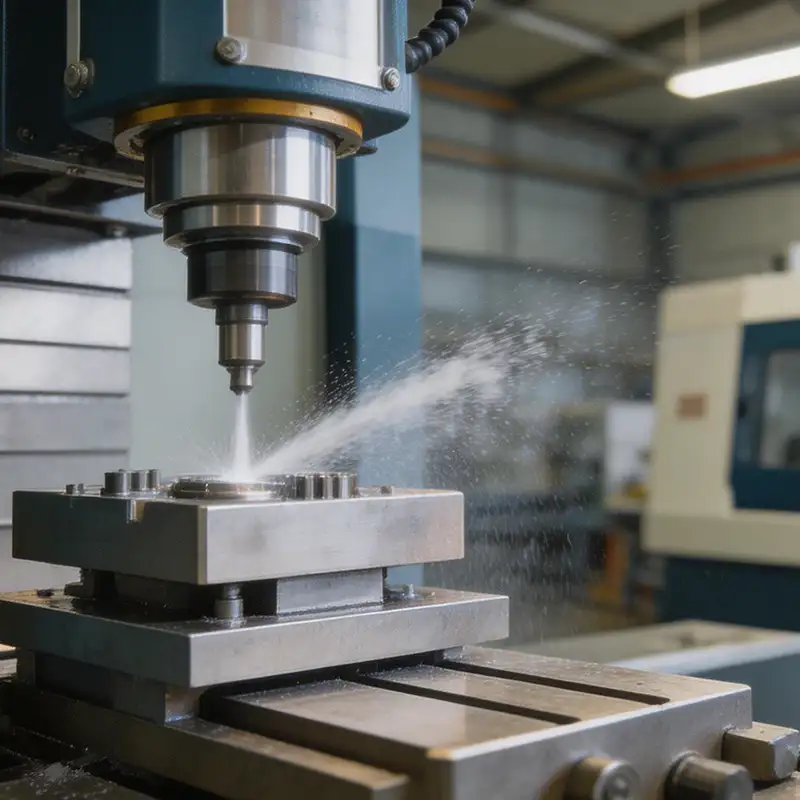
You might wonder, “What determines the precision of CNC milling in my project?” It’s not just one thing! Several factors work together. First, the machine itself: its rigidity, the condition of its guideways and ball screws, and even its age play a huge role. A well-maintained machine from a reputable brand will naturally hold tighter tolerances.
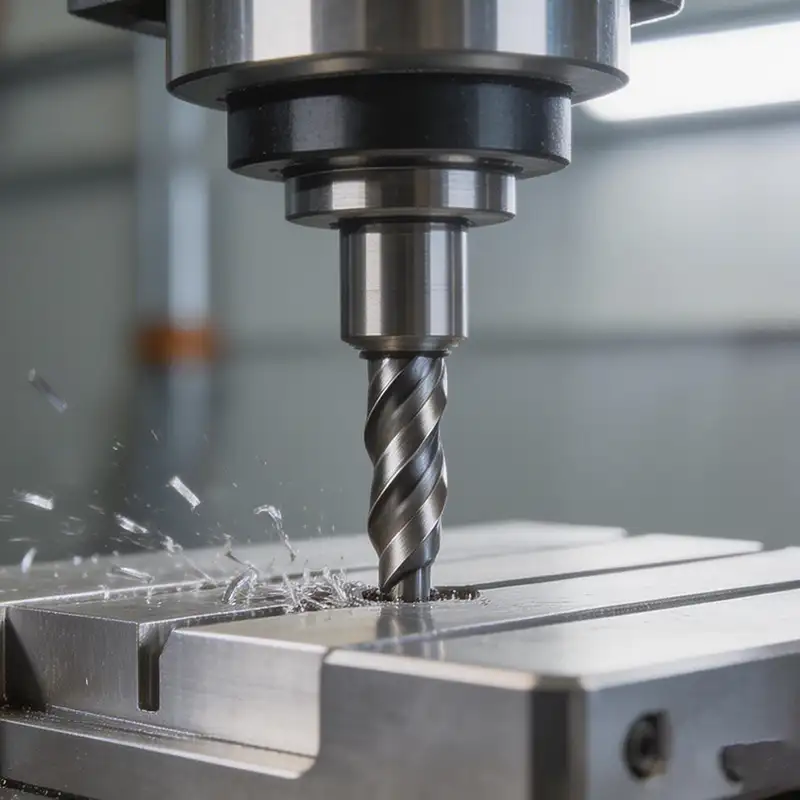
Next, consider the tooling. A sharp, high-quality end mill will produce a cleaner, more accurate cut than a worn-out one. The material is another big player. Machining aluminum is generally more predictable and allows for finer details than, say, a tough stainless steel. Finally, the skill of the programmer and operator is crucial. They decide the tool paths, speeds, and feeds—getting this right is an art that directly impacts the final machining tolerance. For a deeper dive into geometric dimensioning and tolerancing standards, you can check out this resource from ASME.
Real-World Applications: How Accurate Can CNC Be?
So, let’s get to the surprising truth. In everyday job shop applications, standard CNC machining tolerances of ±0.005 inches (or ±0.127 mm) are very common and achievable. That’s about the thickness of a standard piece of paper! For many components, this is perfectly sufficient. But here’s where it gets impressive: with high-end machines and optimal conditions, CNC precision machining can achieve tolerances as tight as ±0.0005 inches (±0.0127 mm) or even better for micro-machining. This level is essential for industries like aerospace, medical devices, and optics.
Common Tolerance Standards and What They Mean
You’ll often hear terms like “ISO 2768 fine” or “medium” when discussing tolerances. These are international standards that provide a framework. For instance, a dimension on a drawing might call out a specific tolerance, like 25.0 ±0.1 mm, while others might default to a general standard. Understanding these callouts helps you communicate clearly with your machine shop. It’s like agreeing on the rules before starting a game—everyone knows what “winning” (a good part) looks like. A great reference for these standards can be found at ISO.org.
Tips for Maximizing Your CNC Machining Results
Based on my experience, here’s how you can get the best accuracy for your part. First, design for manufacturability (DFM). Avoid unnecessarily tight tolerances everywhere; specify them only where they’re functionally critical. This saves time and cost. Second, choose the right material for your accuracy needs and talk to your machinist early—they can offer invaluable advice. Third, consider the sequence of operations. Sometimes, letting a part “rest” or cool between machining steps can improve machining precision by reducing stress-induced distortion. It’s a bit like letting a cake cool before frosting it for the best result.
Conclusion: The True Capability of CNC Precision
To wrap things up, the accuracy of CNC machine tools is truly remarkable and often more than sufficient for the vast majority of projects. The key is understanding the relationship between your design requirements, the material, and the practical limits of the process. By having a friendly conversation with your manufacturing partner about your needs for precision manufacturing, you can unlock the full potential of this technology without over-engineering or overspending. The surprising truth? With good communication and planning, CNC machining can turn incredibly precise digital dreams into tangible reality.